商业韧性

Search documents
上海首店翻台率破10、排队15小时,反内卷的烤匠为何创造奇迹
第一财经· 2026-02-06 00:49
Core Insights - The article highlights the unique success of the restaurant brand "烤匠" (Kao Jiang) amidst a challenging Chinese dining market, showcasing its ability to attract long queues and maintain high customer engagement despite a general decline in the industry [5][6][18]. Group 1: Market Context - The Chinese restaurant industry is experiencing a significant brand elimination trend, with a projected closure rate of 48.9% by 2025, indicating that one in every two restaurants may face closure [5]. - Despite the overall market challenges, the total revenue for the restaurant industry reached 605.7 billion yuan in November 2025, reflecting a year-on-year growth of 3.2% [5]. Group 2: Company Performance - 烤匠 has opened 77 stores since its inception in 2013, becoming a well-known brand in the Sichuan region, with a strong reputation for its signature spicy grilled fish [6][12]. - The brand has achieved remarkable queue lengths, with its Shanghai store recording over 6,300 reservations and wait times of up to 15 hours on its opening day [3][15]. - The average table turnover rate for 烤匠 is significantly higher than industry standards, with some locations achieving rates above 10 times per day, indicating high operational efficiency [11][12]. Group 3: Consumer Engagement - 烤匠 has successfully created a unique dining experience that resonates with consumers, particularly the younger generation, by offering personalized services such as birthday celebrations and themed dining environments [19][25]. - The brand's overall repurchase rate reached 22.33% in 2025, demonstrating strong customer loyalty and satisfaction [25][29]. Group 4: Strategic Insights - 烤匠's strategy focuses on quality and customer experience rather than price competition, which has allowed it to thrive in a market characterized by price wars and promotional tactics [15][29]. - The brand emphasizes emotional connections and high-value experiences, which are increasingly important to consumers in a fluctuating economic environment [28][29]. Group 5: Future Outlook - 烤匠's approach serves as a model for navigating the current economic landscape, suggesting that brands that prioritize quality and customer relationships can achieve sustainable growth [29]. - The brand's success indicates a potential shift in consumer expectations, where emotional resonance and experiential value become key drivers of purchasing decisions [28][29].


在无人在意的角落,江小白悄悄打了场漂亮翻身仗
Sou Hu Wang· 2026-01-14 03:37
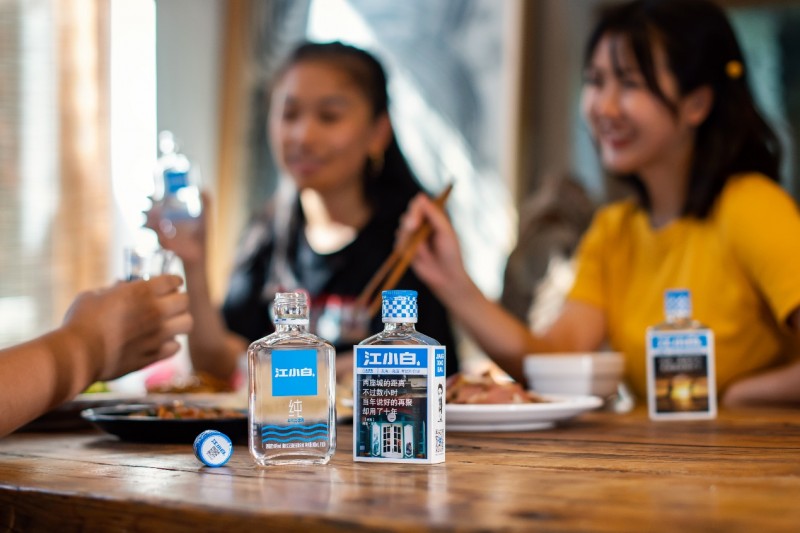
Core Insights - The article discusses the resurgence of Jiangxiaobai, a brand that once dominated the market with over 2 billion in annual sales and extensive product distribution, which faced significant challenges but has now re-emerged with a new product called "Guolifang" [1][3]. Group 1: Brand Evolution - Jiangxiaobai initially gained popularity by introducing low-alcohol liquor in small bottles, targeting young consumers in informal settings, and promoting a message of "youth is not lonely" [1][3]. - The brand experienced a golden era with nationwide retail coverage exceeding one million terminals and annual revenue surpassing 2 billion [3]. - However, the brand faced a decline as consumer preferences shifted towards high-end liquor, leading to negative perceptions and criticism of Jiangxiaobai's product [3][4]. Group 2: Strategic Shift - In response to declining sales, Jiangxiaobai made a strategic decision to focus on product quality rather than external marketing, rejecting advice to pivot towards high-end liquor [4][5]. - The company engaged directly with consumers to understand their drinking habits, leading to the development of "Guolifang," which caters to the preferences of young drinkers [5][9]. - The new product emphasizes a blend of fruit juices and alcohol, with a focus on maintaining clarity and taste, appealing to a younger demographic [7][9]. Group 3: Market Impact - "Guolifang" has become a popular choice in bars and convenience stores, reflecting a shift in social drinking culture among young people [7][9]. - The product's success has led to the creation of the "Guolifang Index," which measures the vibrancy of youth culture in different cities based on its sales performance [7][9]. - Jiangxiaobai's transformation highlights a broader trend in the industry, moving from brand-centric to user-centric product development, focusing on real consumer needs [9].
雷军,为何又成了?
混沌学园· 2025-07-05 07:35
Core Viewpoint - Xiaomi's resilience in the automotive market is highlighted by the successful launch of its first SUV model, YU7, which received 290,000 orders within an hour despite previous controversies and challenges [2][6][7]. Group 1: Sales Performance and Market Response - The YU7 model garnered 200,000 orders within just 3 minutes of its launch, and nearly 290,000 orders in one hour, achieving a lock-in rate exceeding 60% [2][6]. - This remarkable sales performance occurred despite a backdrop of negative publicity following a tragic accident involving the SU7 model, which had severely impacted Xiaomi's reputation [3][4][5]. Group 2: Trust and Brand Loyalty - Xiaomi's success can be attributed to a decade-long effort in building a trust "moat" with its users, who are familiar with its ecosystem of products, creating a strong emotional connection [8][9]. - The trust established through consistent product quality and user experience allowed customers to view the YU7 as a reliable investment, akin to a high-yield financial product [10]. Group 3: Leadership and Public Perception - Lei Jun's personal credibility plays a crucial role in Xiaomi's brand image, as he has effectively engaged with the public through social media, amassing a significant following [11][12]. - Despite facing backlash from previous incidents, Lei Jun's relatable persona has helped maintain user trust, as many customers see him as more than just a businessman [13]. Group 4: Crisis Management - In response to the negative publicity from the SU7 accident, Xiaomi's legal team acted swiftly to counter misinformation, while the technical team provided detailed vehicle data to address safety concerns [16]. - The company also managed subsequent controversies regarding product features by offering compensation and clarifying miscommunications, which helped mitigate backlash [20][21]. Group 5: Market Strategy and Consumer Insights - Xiaomi identified a key market opportunity by focusing on user comfort and convenience for family vehicles, rather than solely competing on technical specifications with brands like Tesla and NIO [24]. - Research indicates that younger consumers, particularly women, prioritize vehicle aesthetics, which aligns with Xiaomi's design approach for the YU7 [25][26]. Group 6: Production Challenges - Despite the initial sales success, Xiaomi faces significant production challenges, as the existing factory is already operating at full capacity, leading to potential delivery delays for YU7 orders [28][30]. - The company has initiated the construction of a second factory to alleviate capacity constraints, but it will not be operational until mid-2024, raising concerns about meeting demand [31][32][33]. Group 7: Future Outlook - The long-term success of Xiaomi in the automotive sector will depend on its ability to convert initial market enthusiasm into sustained brand loyalty, which hinges on resolving production bottlenecks and maintaining product quality [39].