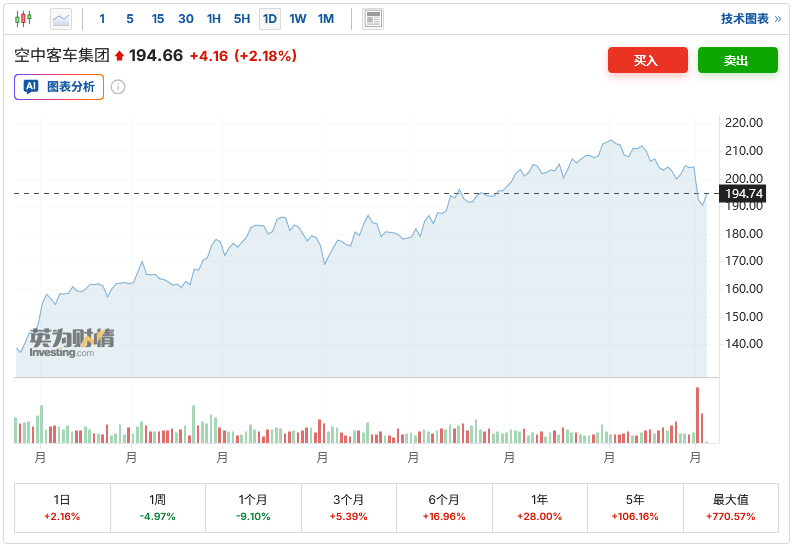
A320neo飞机

Search documents
LATAM Airlines Group (NYSE:LTM) Conference Transcript
2026-03-17 17:22
LATAM Airlines Group Conference Call Summary Company Overview - **Company**: LATAM Airlines Group (NYSE:LTM) - **Date**: March 17, 2026 - **Industry**: Airlines, specifically focused on Latin America Key Points Industry and Market Position - LATAM Airlines experienced its best year ever in 2025, with solid margins and cash flow, positioning itself well in the market despite geopolitical crises like the war in Ukraine [3][5] - The airline holds a **40% domestic market share** in Brazil and nearly **50% corporate market share**, indicating strong demand for premium travel and corporate market segments [6][6] - LATAM's revenues are growing faster than capacity, with recent weeks showing an acceleration in revenue despite geopolitical tensions [7][9] Demand and Pricing Dynamics - The demand environment is healthier compared to 2022, with strong figures reported for January and February 2026 across passenger and cargo segments [6][9] - The airline industry is effectively passing on higher fuel costs to consumers, with LATAM seeing a good response in key markets [7][9] - LATAM's hedging policy covers around **40% of fuel volume**, using options and collars to manage price fluctuations [12][12] Cost Management and Operational Efficiency - LATAM has maintained a constant cost per available seat kilometer (CASK) since 2019, with a **16-17% reduction** in CASK compared to 2019 when adjusted for inflation [15][15] - The airline runs **500-700 initiatives** daily to keep costs down, focusing on technology to improve operations and efficiency [15][16] - LATAM's restructuring has positioned it to maintain a leading cost position in the industry [16][16] Fleet and Capacity Plans - LATAM is introducing **Embraer E2 aircraft**, which are expected to enhance operational efficiency and open new routes [36][36] - The airline plans to receive **41 aircraft** in 2026, including **12 E2s**, **26 A320s**, and **3 787s**, with improved delivery timelines compared to previous years [45][45] - The E2s will not significantly alter capacity in 2026 but are expected to have a full impact in 2027 [42][42] Competitive Landscape - The competitive environment in Latin America is described as rational, with airlines focused on profitability and managing capacity effectively [21][24] - LATAM is positioned to grow slightly more than the industry average in 2026, benefiting from its strong market presence [24][24] Premium Services and Profitability - LATAM prioritizes employee satisfaction to enhance customer service, which in turn drives premium revenue growth [51][55] - The airline operates with a flexible cabin size strategy, allowing it to optimize profitability across different cabin classes [60][60] - Cargo operations contribute approximately **13% of revenues**, with the ability to pass on fuel costs more effectively than passenger services [65][65] Capital Allocation and Financial Strategy - LATAM aims to maintain a strong balance sheet, targeting a **BB+ credit rating** and focusing on prudent financial policies [68][70] - The airline distributed **$1.2 billion** to shareholders in the previous year and plans to continue capital allocation towards dividends and potential buybacks [74][76] Future Outlook - LATAM anticipates continued growth in the South American market, with an **8% capacity increase** guided for the year [83][85] - The airline is exploring opportunities to leverage its extensive data and technology investments to enhance operations and customer engagement [86][88] Conclusion - LATAM Airlines Group is well-positioned in the Latin American airline market, with strong demand, effective cost management, and a focus on premium services. The company is optimistic about its growth prospects despite external challenges and is committed to leveraging technology for future improvements.

杭州临空的产业“飞轮” 何以自主加速?
Hang Zhou Ri Bao· 2026-01-06 02:50
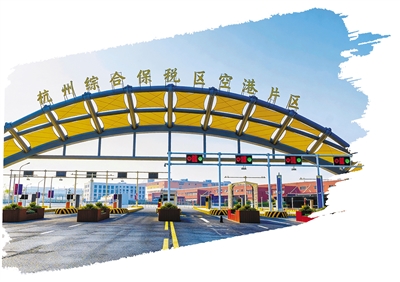
Core Insights - Hangzhou Xiaoshan International Airport has achieved a historic milestone by surpassing 50 million passengers in a year, becoming the seventh airport in China to join the "50 million club" [3] - The development of the airport is closely linked to the growth of Longhao Airlines, which has transformed from a local airline into a key player in the Zhejiang civil aviation industry, driving a trillion-level industry [3][4] Investment and Infrastructure Development - Longhao Airlines has invested 10 billion yuan in building its headquarters in the Hangzhou Airport Economic Demonstration Zone, which includes an innovative smart maintenance base and an international aircraft remanufacturing center [4] - The remanufacturing center aims to complete the remanufacturing of 300 engines annually, targeting an output value of 12 billion yuan [4] - The Hangzhou Comprehensive Bonded Zone Airport Area has been approved, which will enhance the efficiency of aircraft and engine leasing and streamline customs processes [5] Economic Growth and Industry Clusters - The Hangzhou Airport Economic Demonstration Zone is developing a "Future Aviation Industry Park" covering approximately 28 square kilometers, indicating a shift from high-altitude to low-altitude economic activities [6] - The zone is focusing on creating specialized parks, including biomedicine, intelligent manufacturing, and a global trade innovation port, to enhance its industrial capabilities [7] - The integrated circuit industry park is a notable project, aiming to cover the entire semiconductor supply chain and has already attracted significant investments [7] Performance Metrics - The Hangzhou Airport Economic Demonstration Zone has reported positive growth in all major economic indicators for the first time in three years, with fixed asset investment maintaining double-digit growth [8] - The region is described as being at a turning point, with the potential for rapid acceleration in industrial development as key enterprises grow and the industrial chain solidifies [8]

中国两家航司同日官宣:合计采购55架空客飞机,总金额超570亿
Mei Ri Jing Ji Xin Wen· 2025-12-29 22:52
Core Insights - Two domestic airlines, Spring Airlines and Juneyao Airlines, announced significant aircraft purchase plans, acquiring a total of 55 Airbus A320 series aircraft for over $8.2 billion (approximately RMB 57.448 billion) [1] Group 1: Aircraft Purchase Plans - Spring Airlines plans to purchase 30 Airbus A320neo aircraft with a transaction value not exceeding $4.128 billion, expected for delivery between 2028 and 2032 [1] - Juneyao Airlines intends to acquire 25 Airbus A320 series aircraft for a total price of $4.1 billion, also scheduled for delivery from 2028 to 2032, pending approval from relevant national authorities [1] Group 2: Airbus A320 Series Overview - The A320 series is the most widely used single-aisle aircraft in China and includes models such as A319neo, A320neo, A321neo, and A321XLR [2] - The A320neo has a maximum flight range of 3,400 nautical miles and features fuel-efficient engines that reduce fuel consumption and CO2 emissions per seat by 20%, with a maximum capacity of 194 seats [1] Group 3: Market Context and Future Outlook - Airbus CEO noted that the global market share of Airbus is continuously increasing, with the A320 series surpassing Boeing 737 in delivery volumes, making it the best-selling single-aisle commercial aircraft [5] - The Chinese civil aviation market is projected to require over 9,500 aircraft in the next 20 years, accounting for about one-fifth of global market demand [5] - As of mid-2025, Juneyao Airlines operated 93 Airbus A320 series aircraft, while Spring Airlines had a fleet of 133 A320 series aircraft, indicating a strong presence of Airbus in the domestic market [5][2]


机身面板质量问题成“拦路虎” 空客下调全年飞机交付目标至约790架
智通财经网· 2025-12-03 09:05
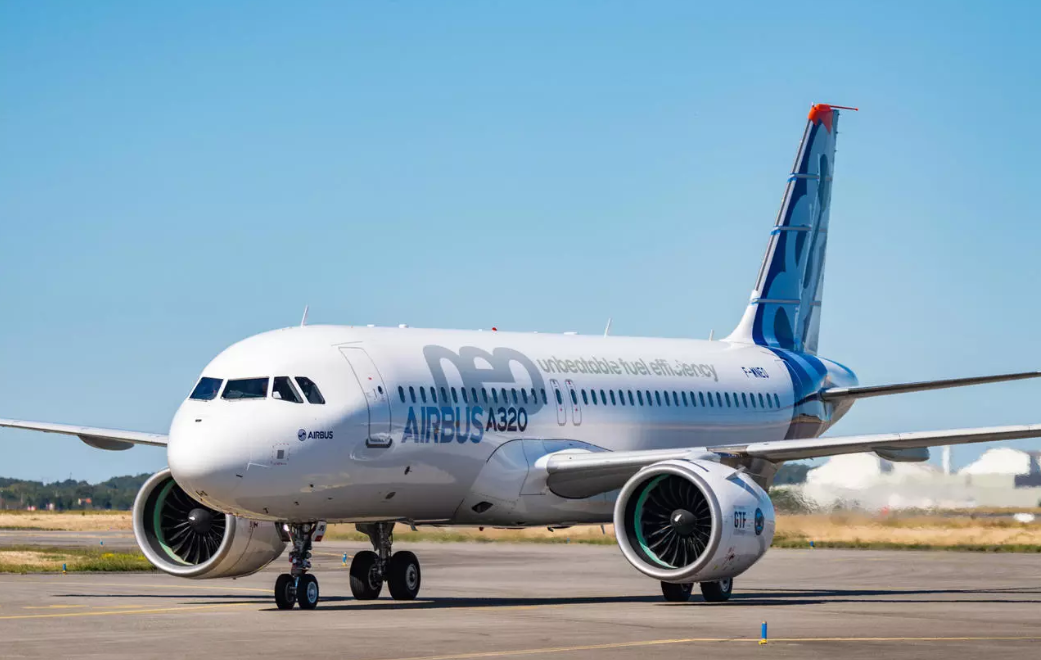
Group 1 - Airbus has lowered its aircraft delivery target for 2025 to approximately 790 units, down by 30 from the original target, due to quality issues with fuselage panels from suppliers affecting the A320 series delivery process [1] - This marks the second consecutive year that Airbus has been forced to reduce its annual delivery targets, having previously lowered the target to about 770 units last year [1] - Despite the delivery target reduction, Airbus has maintained its annual financial targets, expecting an adjusted EBIT of around €7 billion and a free cash flow target of approximately €4.5 billion [1] Group 2 - On November 28, Airbus announced that a significant number of A320 aircraft must be grounded for urgent software upgrades or hardware replacements due to flight control software vulnerabilities to strong solar radiation, affecting about 6,000 aircraft globally [3] - The European Aviation Safety Agency issued directives prohibiting affected aircraft from carrying passengers until the issues are resolved [3] - Most of the software updates can be completed in a few hours, but some older aircraft will require hardware changes, which may take several weeks [3] Group 3 - Airbus disclosed quality issues with fuselage panels affecting over 600 aircraft either in operation or in production, leading to delivery delays, although there are no indications that the issues have affected currently operational aircraft [4] - The company confirmed that the root cause of the quality problem has been identified and controlled, with all newly produced panels meeting requirements [4] - Following the quality issue revelations, Airbus's stock price dropped nearly 11% on December 1, marking the largest intraday decline since April 7 of the same year [4] Group 4 - Airbus is also facing issues with the PW1100G engines used in its newer A320neo aircraft, which have quality defects leading to the temporary grounding of hundreds of these aircraft for maintenance [5] - Industry analysts have noted that the pressure to meet quarterly performance targets may lead to declines in production quality, serving as a warning for the company [5] - Analysts have indicated that the production ramp-up required to meet original delivery targets is excessively high for Airbus [5]