ACC自适应巡航系统

Search documents
海马汽车:公司智能汽车产品配备APA自动泊车系统、车道偏离预警系统以及ACC自适应巡航系统等智能驾驶辅助系统
Zheng Quan Ri Bao Wang· 2025-12-18 14:17
Core Viewpoint - Haima Automobile is actively collaborating with external enterprises and institutions in the field of advanced intelligent driving technology, leveraging its own R&D team as a foundation [1] Group 1: Intelligent Driving Technology - The company’s intelligent vehicle products are equipped with advanced driving assistance systems, including APA automatic parking system, lane departure warning system, and ACC adaptive cruise control system [1] - Breakthroughs have been achieved in key technology areas such as vehicle-road collaboration, environmental perception, decision control algorithms, and in-vehicle intelligent terminals [1] Group 2: Strategic Partnerships - Haima Automobile has formed strategic partnerships with leading suppliers in the industry to gradually establish differentiated advantages in its products [1]

海马汽车(000572.SZ):智能汽车产品配备APA自动泊车系统等智能驾驶辅助系统
Ge Long Hui· 2025-12-18 01:36
Group 1 - The company is actively collaborating with external enterprises and institutions in the field of advanced intelligent driving technology based on its own R&D team [1] - The intelligent automotive products are equipped with various intelligent driving assistance systems, including APA automatic parking system, lane departure warning system, and ACC adaptive cruise control system [1] - Breakthroughs have been achieved in key technology areas such as vehicle-road collaboration, environmental perception, decision control algorithms, and in-vehicle intelligent terminals, forming strategic partnerships with leading suppliers in the industry to gradually establish differentiated advantages in products [1]
海马汽车:公司智能汽车产品配备APA自动泊车系统、车道偏离预警系统以及ACC自适应巡航等智驾辅助系统
Mei Ri Jing Ji Xin Wen· 2025-12-18 00:49
Core Viewpoint - The company is actively developing advanced intelligent driving technologies and forming strategic partnerships to enhance its product differentiation in the automotive market [1]. Group 1: Company Development - The company is leveraging its in-house R&D team to advance in the field of high-level intelligent driving technology [1]. - The company has integrated various intelligent driving assistance systems into its smart vehicle products, including APA automatic parking, lane departure warning, and ACC adaptive cruise control systems [1]. - The company has achieved breakthroughs in key technology areas such as vehicle-road collaboration, environmental perception, decision-making control algorithms, and in-vehicle intelligent terminals [1]. Group 2: Strategic Partnerships - The company is actively collaborating with external leading enterprises and institutions to enhance its technological capabilities [1]. - Strategic partnerships have been formed with industry-leading suppliers to support the company's technological advancements and product differentiation [1].
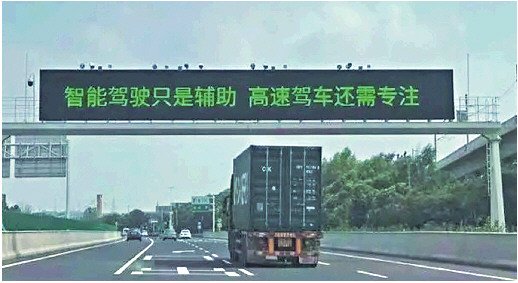
438公里仅68公里能用,NOA智驾为啥失灵
Qi Lu Wan Bao· 2025-08-27 21:29
Core Viewpoint - The use of NOA (Navigation on Autopilot) has been increasingly restricted on highways due to concerns over safety and 5G signal limitations, leading to a significant reduction in its availability for drivers [2][5][6]. Group 1: NOA Usage and Restrictions - Many drivers have reported a decrease in the availability of NOA on highways, with one driver noting that out of a 438-kilometer journey, only 68 kilometers allowed for NOA usage [2][4]. - The limitations on NOA usage are attributed to 5G signal issues rather than direct restrictions from car manufacturers or highway management [5][6]. - There is a growing concern among drivers regarding the safety of using NOA, especially after several accidents involving improper use of the system [6][7]. Group 2: Driver Behavior and Safety Concerns - Reports indicate that many drivers misuse NOA by becoming overly reliant on the system, leading to dangerous situations such as not paying attention while driving [6][7]. - A significant increase in accidents related to smart driving systems has been noted, with a 217% year-on-year rise in incidents involving driver over-reliance on these systems [7]. - Experts emphasize the importance of driver responsibility and the need for a balance between convenience and safety in the use of autonomous driving features [8][9]. Group 3: Industry Perspectives and Future Directions - Industry experts suggest that the current state of NOA and similar systems requires significant improvement, with calls for better integration of safety measures and technology advancements [8][9]. - The development of autonomous driving technology is seen as a complex challenge, requiring a combination of data-driven approaches and regulatory frameworks to ensure safety [8][9]. - There is a consensus that future advancements in smart driving must prioritize safety and the understanding of human behavior in conjunction with technological capabilities [9].