AI修图技术

Search documents
知识变现的途径有哪些:用AI修图技术在小红书赚近一万
Sou Hu Cai Jing· 2025-11-02 07:42
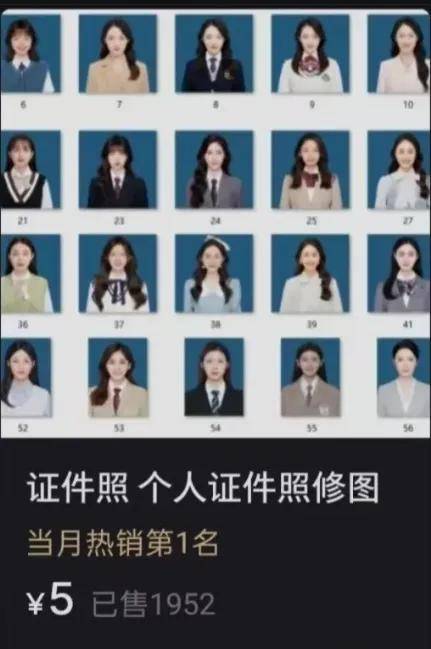
Core Insights - The article highlights the potential pitfalls in the photo retouching business, particularly those that seem lucrative at first glance but may lead to significant risks and losses. Group 1: Risks in the Photo Retouching Business - Risk 1: Lack of Customer Engagement - Many new shops may find themselves without customers, emphasizing the importance of effective marketing strategies, such as showcasing before-and-after images prominently to build trust [4][6]. - Risk 2: Overreliance on AI Tools - While AI can expedite the process, it may compromise quality if not carefully managed. Different certification photos have specific requirements, and using AI without proper oversight can lead to customer dissatisfaction [7][10]. - Risk 3: Incorrect Pricing Strategy - Setting prices too low can undermine perceived professionalism, while prices that are too high may deter customers. A recommended price range for basic retouching is between 5 to 8 yuan, with more complex services starting at 30 yuan [12]. Group 2: Business Operations and Strategies - Importance of Skill Development - Success in this business requires active participation and skill development rather than passive observation. Engaging with customers and producing quality work is essential for generating income [12]. - Value Proposition - Customers are willing to pay for retouching services primarily to meet specific requirements for official documents, highlighting the need for service providers to demonstrate their capabilities effectively [6].

AI正在批量制造含冤的店小二
虎嗅APP· 2025-11-01 02:47
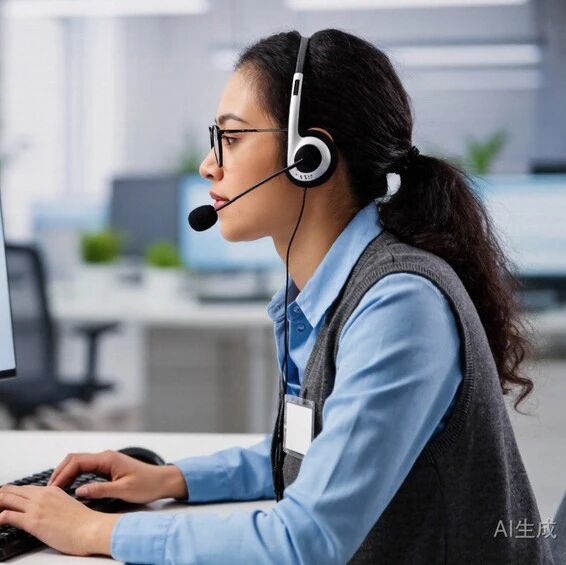
Core Viewpoint - The article discusses the challenges faced by customer service representatives in the e-commerce industry due to the misuse of AI-generated images, which are being used to fraudulently claim refunds without returning products [4][5][13]. Group 1: AI Misuse in E-commerce - AI image editing technology has led to fraudulent activities where buyers create fake damage images to claim refunds [4][12]. - The prevalence of AI-generated images has made it difficult for customer service to contest fraudulent claims, as the system often favors the buyer [10][13]. - A report indicates that the user base for generative AI products in China has reached 515 million, with 33% using it for image and video generation [12]. Group 2: Customer Service Challenges - Customer service representatives are often unable to effectively dispute fraudulent claims due to the automated systems prioritizing image evidence over verbal explanations [10][18]. - The article highlights specific cases where customer service representatives recognized AI-generated images but were still forced to issue refunds due to system biases [14][16][30]. - The emotional toll on customer service staff is significant, as they feel powerless against algorithmic decisions that undermine their expertise [18][41]. Group 3: Systemic Issues - The current refund mechanisms on e-commerce platforms are designed to protect consumers but are being exploited due to the lack of robust verification processes for images [13][32]. - There is a growing community among sellers who share experiences and strategies to combat AI-generated fraud, indicating a systemic issue within the industry [20][35]. - The reliance on image recognition technology has created a gap where algorithms are seen as the ultimate authority, often leading to unjust outcomes for sellers [32][34].