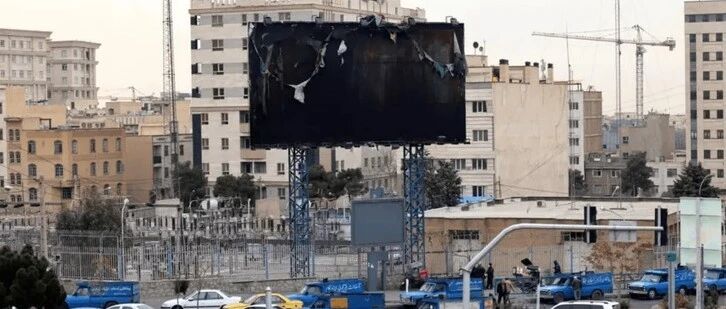
AI生成影像

Search documents
科技亮点频出 资金流入格局不改 机构看好A股马年开局行情
Shang Hai Zheng Quan Bao· 2026-02-23 18:37
Group 1 - The core viewpoint of the articles indicates a positive outlook for the A-share market post-Spring Festival, driven by historical trends and favorable external conditions [2][4][5] - Historical data shows that from 2012 to 2025, the probability of the Wind All A Index rising in the 20 trading days after the Spring Festival is 75%, suggesting a strong seasonal effect [4][6] - The overseas markets have shown a slight rebound during the Spring Festival, with major indices performing well, which is expected to positively influence the A-share market [3][4] Group 2 - Institutions suggest that the "technology + cyclical" sectors are the main investment themes, with a focus on robotics and AI technology applications, which have gained significant attention during the Spring Festival [5][6] - The performance of humanoid robots during the 2026 CCTV Spring Festival Gala exceeded expectations, highlighting advancements in technology that could drive investment interest [5][6] - The liquidity in the market remains ample, with a trend of funds flowing into equity markets as investors shift from high-interest deposits to investment products [4][6]


热评丨从马年春晚的科技力感受一日千里的中国智造
Xin Lang Cai Jing· 2026-02-17 13:16
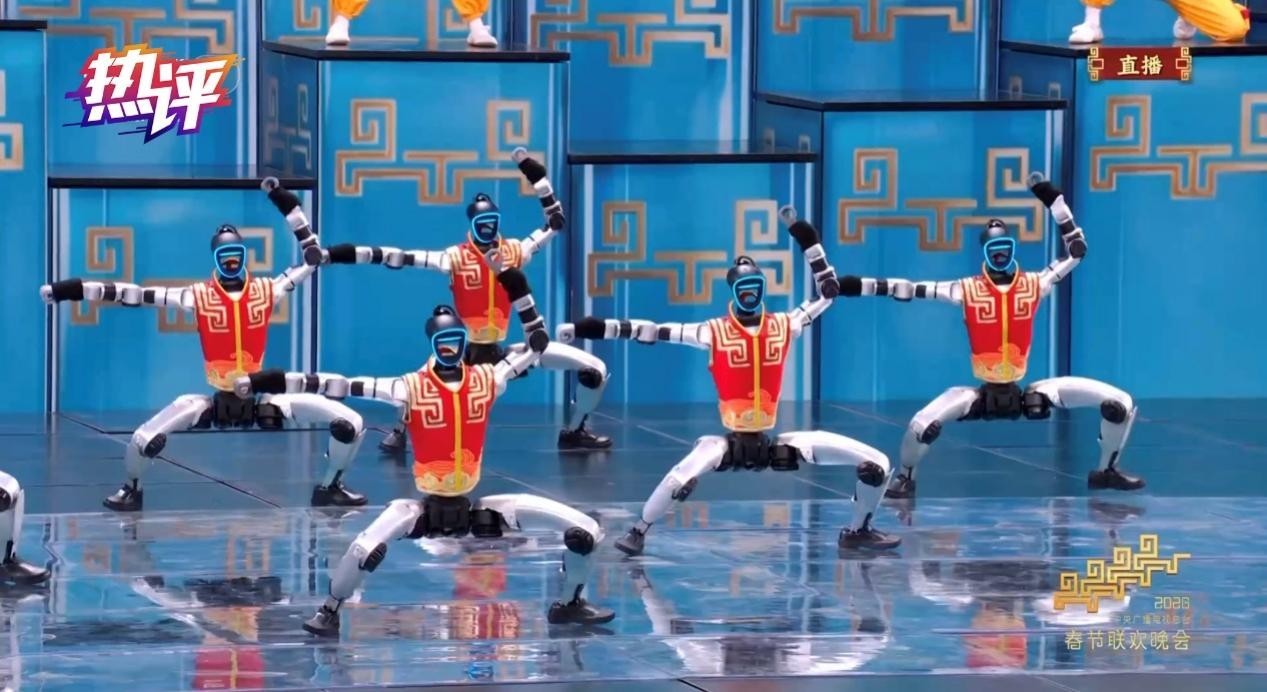
Group 1 - The core theme of the news highlights the significant advancements in robotics and AI showcased during the Spring Festival Gala, reflecting China's rapid technological evolution and its integration into everyday life [1][2][4] - The performance featured multiple robotics companies, demonstrating a variety of applications, from martial arts to interactive skits, indicating a shift from singular showcases to a collective display of innovation [1][3] - The technology presented is not merely conceptual but is expected to have practical applications in daily life, such as assisting the elderly with household tasks and enhancing user interaction with devices [2][4] Group 2 - Traditional culture was revitalized through technology, with performances utilizing AI-generated imagery and augmented reality to bring historical art to life, showcasing the blend of heritage and modern innovation [3][4] - The event also included impressive technological feats, such as a satellite transmitting music from space and drone displays simulating natural phenomena, further emphasizing the integration of technology into cultural expressions [3] - The overarching goal of these technological advancements is to enhance human life and cultural engagement, making technology a warm and relatable part of daily experiences [4]
央视热评丨从马年春晚的科技力感受一日千里的中国智造
Yang Shi Xin Wen· 2026-02-17 13:13
Group 1 - The core theme of the Spring Festival Gala is the significant advancement in China's robotics and AI technology, showcasing a transformation from basic robotic appearances to a diverse array of intelligent robots performing on stage [1][3] - The event highlighted the integration of technology into everyday life, with discussions around practical applications such as assistive devices for the elderly and household robots, indicating a shift towards more accessible and functional technology [3][4] - Traditional culture was revitalized through technological enhancements, with performances utilizing AI-generated imagery and augmented reality to bring historical art and narratives to life, demonstrating a blend of heritage and modern innovation [4][6] Group 2 - The presence of multiple robotics companies at the gala signifies a maturation of the domestic robotics industry, moving from isolated showcases to a collective display of capabilities [3] - The gala served as a platform for public engagement, sparking discussions about the potential of technology to improve quality of life and the anticipation for future developments in the sector [3][6] - The overarching message emphasizes that technology is not merely a tool but a partner in enhancing human experience and cultural expression, aiming to make advancements tangible and relatable for the general public [6]
理想主义者们,没能阻止 AI 进入伊朗“战场”
AI前线· 2026-02-06 03:30
Core Viewpoint - A significant information war is unfolding in Iran, characterized by both offline and online tactics, including state-organized rallies and media control, alongside the use of AI-generated content to manipulate public perception [2][3][10]. Group 1: Information Warfare in Iran - The Iranian government is organizing "anti-riot" gatherings while simultaneously implementing internet shutdowns and media censorship, leading to a reliance on state media as the primary information source [3]. - During internet outages, social media platforms have become crucial for disseminating unverified images and videos, complicating the verification of information [3]. - AI-generated content is being used by both the government and opposition, with instances of manipulated videos being circulated to create misleading narratives [6][10]. Group 2: AI's Role in Modern Warfare - The integration of AI technologies in warfare has been accelerated by conflicts such as the Russia-Ukraine war and the ongoing situation in Iran, where AI is utilized for both information warfare and direct military applications [12][45]. - The emergence of automated and large-scale information manipulation tactics has been noted, with AI tools being used to create fake social media accounts and generate misleading narratives [46]. - The battlefield is evolving into a testing ground for AI technologies, with significant implications for military strategy and operations [50]. Group 3: Capital and Technology in Defense - There is a growing convergence between technology companies, financial capital, and national defense mechanisms, with private tech firms becoming integral to military operations [53][57]. - Recent reforms in U.S. defense procurement aim to make military operations more agile and responsive, reflecting a shift towards incorporating Silicon Valley's innovation dynamics into defense strategies [59][60]. - Investment in defense technology has surged, with significant funding directed towards startups focused on military applications, indicating a robust growth trajectory in this sector [61][77]. Group 4: AI Governance Challenges - The current landscape of AI governance is marked by failures in ethical consensus, international mechanisms, and corporate self-regulation, leading to a lack of effective oversight in military applications of AI [81][82]. - Despite warnings from industry leaders about the risks of AI, there has been little change in the trajectory of AI development, particularly in military contexts [83][84]. - The absence of a comprehensive international framework for regulating military AI applications raises concerns about the implications of AI in warfare and its potential for misuse [86][88].