AI眼底筛查

Search documents
北京发布AI+医疗健康新政
Ren Min Ri Bao· 2026-01-12 20:23
Core Insights - Beijing's health commission has released two key documents outlining plans for the development of AI applications in the healthcare sector from 2026 to 2027, aiming to establish a supportive AI industry framework by 2027 [1][2] - The core principle of the policies is "demand-driven, scenario-based," focusing on enhancing clinical diagnosis, grassroots health, and health management, while encouraging collaboration between medical institutions and quality AI companies [1][2] Group 1: Policy Objectives - The goal is to create an AI industry support system that facilitates precise demand matching, efficient data flow, rapid technology transfer, and collaborative ecosystem development [1] - The policies prioritize high-frequency and high-value medical scenarios, aiming to improve diagnostic efficiency and optimize healthcare resource supply [1][2] Group 2: Data Utilization and Security - The implementation of these policies relies on effective data utilization, with plans to integrate electronic medical records and imaging data from secondary and tertiary medical institutions into a comprehensive health information platform by the end of 2026 [2] - A governance system for the entire data lifecycle will be established to ensure data security and privacy, while also supporting AI model training and validation [2] Group 3: Industry Collaboration and Ethical Standards - The AI ecosystem in healthcare requires collaboration between medical enterprises, integrating computing power, models, data, applications, and scenarios to build a diversified industry ecosystem [2] - The policies emphasize ethical standards and patient safety, prohibiting the complete replacement of medical professionals' judgment by AI [2] Group 4: Support and Infrastructure - The health commission plans to seek multi-channel funding support and focus on infrastructure development, application promotion, and talent cultivation to ensure the successful implementation of the policies [2] - Specific initiatives include the establishment of dedicated computing clusters for healthcare and creating online platforms for precise supply-demand matching [2] Group 5: Practical Applications and Industry Response - Several medical institutions in Beijing have already begun to benefit from AI technologies, with successful implementations in areas such as AI-assisted diagnosis and imaging [3] - Companies are optimistic about leveraging high-quality health data from the health commission to enhance the precision and efficiency of stem cell research and development [3] - The introduction of these policies is a strategic move to leverage Beijing's advantages in the AI industry chain and rich medical resources, aligning with the national "Artificial Intelligence +" strategy [3]
玩转服贸会丨我在服贸会“买”到了什么
Xin Hua Wang· 2025-09-12 11:46
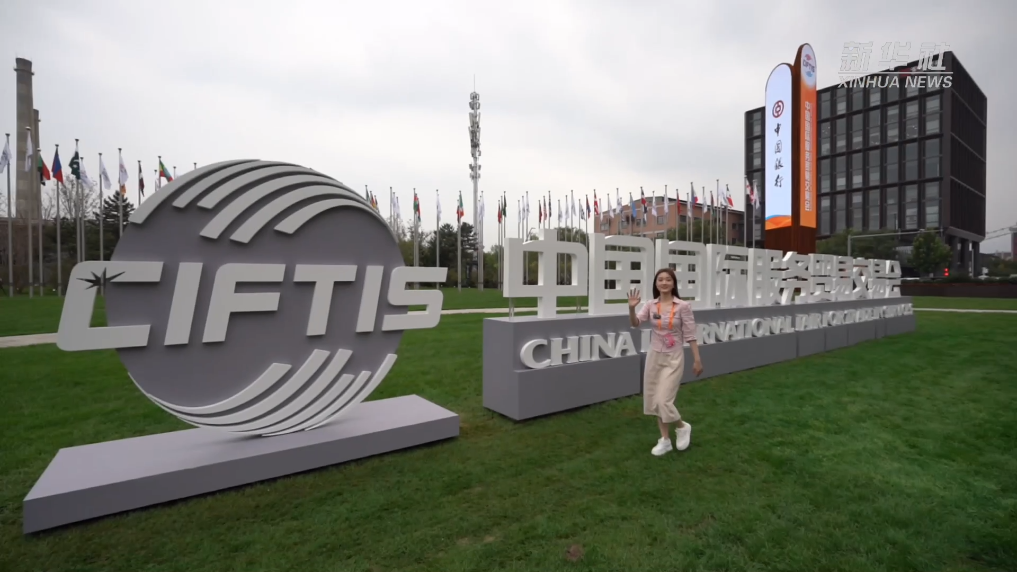
Group 1 - The event showcased the intangible value of service trade through three concrete "purchase" scenarios, emphasizing the future-oriented nature of these services [1] - The multi-faceted education services highlighted the integration of artificial intelligence in learning, focusing on programming skills and human-machine collaboration [3] - Health and wellness services were demonstrated through AI retinal screening, providing personalized health management solutions within a two-minute assessment [4] Group 2 - The cross-border financial services were illustrated by assisting foreign tourists with tax refunds, showcasing how financial services can transcend national boundaries and create seamless experiences [7] - The overall experience represented a shift from traditional goods to a focus on improved quality of life, broader perspectives, healthier futures, and more convenient living [6]