DL系列

Search documents
五年亏光116亿!关停381家门店,又一商超扛不住,跟风胖东来失败
Sou Hu Cai Jing· 2026-02-22 10:45
Core Viewpoint - Yonghui Supermarket has been facing continuous losses for five years, with a projected loss of 2.14 billion yuan in 2025, marking a 45.6% increase in loss compared to the previous year, raising questions about its strategic decisions and operational effectiveness [2][4][31]. Group 1: Financial Performance - Yonghui has accumulated losses of 11.6 billion yuan over five years, indicating severe operational pressure [4]. - The company closed 381 underperforming stores and renovated 315 existing ones, with a total renovation area exceeding 2 million square meters, yet these efforts led to increased losses [6][31]. - The projected loss for 2025 includes over 1.2 billion yuan in costs related to store renovations and asset write-offs, highlighting the financial strain from strategic adjustments [8][31]. Group 2: Strategic Adjustments - Yonghui attempted to emulate the successful model of regional competitor, Pang Donglai, which achieved a sales figure of 23.5 billion yuan in 2024 with a limited number of stores [10]. - The company initiated a comprehensive transformation by adopting Pang Donglai's operational strategies, including introducing popular products and redesigning store layouts to enhance customer experience [18][21]. - Despite initial positive results from the transformation, including increased customer traffic and sales, the long-term sustainability of these changes remains uncertain due to rising prices and customer dissatisfaction [20][23]. Group 3: Challenges and Criticism - The transformation has been criticized as superficial, with observers noting that Yonghui failed to grasp the core operational logic of Pang Donglai, leading to ineffective imitation [25][38]. - Employee compensation issues have arisen, with Yonghui's pay structure not aligning with the employee-centric model of Pang Donglai, resulting in dissatisfaction among staff [25][40]. - The introduction of self-branded products has not resonated with consumers, as they are perceived as lacking uniqueness and being overly derivative, which poses risks for long-term sales [29][44]. Group 4: Future Outlook - Yonghui's CEO has acknowledged past mistakes and outlined a shift in focus towards sustainable system capabilities, aiming to develop 100 high-quality products and refine store management [35][37]. - The company plans to achieve profitability between May 2026 and May 2027, indicating a strategic pivot towards long-term viability rather than immediate scale [37].


“山姆化”的沃尔玛 复杂的县城消费
Xin Lang Cai Jing· 2026-02-21 10:05
Core Insights - Walmart is replicating Sam's Club's model in lower-tier markets while executing a "contraction" strategy in first-tier cities, transforming its stores into a "budget-friendly" version of Sam's Club [2][4] - The introduction of Walmart's private label "沃极鲜" (Woji Xian) is aimed at enhancing profitability and appealing to younger consumers, with significant marketing efforts on social media platforms [6][8] - The competition in lower-tier cities is intensifying, with Walmart leveraging its established presence and channel advantages to promote its private label products [9][21] Group 1: Market Strategy - Walmart's transformation includes reducing shelf heights and adopting similar product displays to Sam's Club, creating a familiar shopping experience for consumers [2] - The "沃极鲜" series is positioned to capture a larger market share, with projections indicating a significant increase in sales for Walmart's private label products [6][12] - The company is focusing on channel strength, maintaining a wide reach with nearly 280 hypermarkets compared to only 63 Sam's Club locations in China [9][21] Group 2: Consumer Behavior - Consumers in lower-tier cities are increasingly drawn to Walmart due to its competitive pricing and product offerings, especially during festive seasons [3][5] - The perception of value is crucial, as consumers are willing to pay for quality but are also influenced by the availability of traditional brands versus private labels [10][15] - Social dynamics in these markets, such as the importance of face and social currency, affect purchasing decisions, making trust in brands essential [19][22] Group 3: Competitive Landscape - Walmart's strategy reflects a broader trend in retail where private labels are gaining traction, as seen with competitors like "胖东来" (Pang Dong Lai) achieving significant sales growth through their own brands [6][21] - The retail environment in lower-tier cities is evolving, with consumers becoming more discerning and demanding higher quality, which presents both opportunities and risks for Walmart's private label strategy [14][22] - The success of Walmart's "沃极鲜" will depend on its ability to build consumer trust and deliver consistent quality across its product range [22]

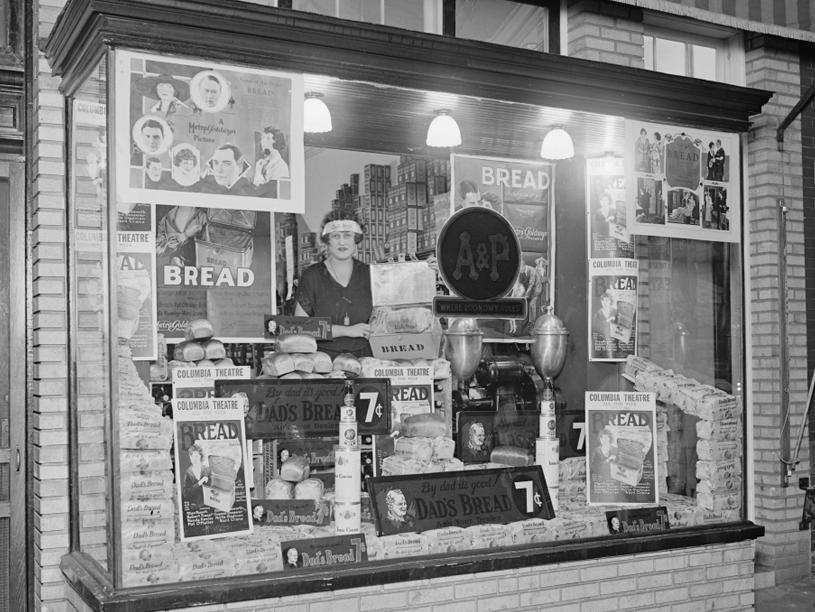
时隔快一百年,胖东来又把自有品牌带火了?
3 6 Ke· 2025-09-23 04:18
Core Insights - The article discusses the resurgence of private label brands in the retail industry, drawing parallels to the historical dominance of A&P in the early 20th century [1][25] - Major retailers are increasingly focusing on developing their own brands to gain competitive advantages and improve profit margins [3][12] Group 1: Market Trends - Large supermarkets are aggressively promoting their private label products, with some brands like 超盒算 NB achieving a 60% sales share from private labels [3] - The trend of retailers creating their own brands is not limited to traditional supermarkets; platforms like 叮咚买菜 are also venturing into private label products [5] - The success of private labels is evident in the performance of brands like 胖东来, which has a wide range of self-branded products [7] Group 2: Competitive Landscape - Traditional supermarkets are facing significant challenges, with many reporting losses and store closures, leading to a shift towards private label strategies as a means of survival [9][11] - The retail battle is increasingly centered around product strength, as traditional models struggle against e-commerce and new retail formats [11][12] - Retailers with strong supply chain management and product innovation capabilities are better positioned to succeed in the private label market [30][32] Group 3: Profitability and Cost Structure - Private label products can yield higher profit margins, with reported profits of 30%-40% compared to 10%-20% for branded products [16] - The cost breakdown of private label products shows that retailers can optimize pricing and quality by eliminating middlemen [19] - Successful private label brands can create a strong customer loyalty, as seen with brands that have become synonymous with their retailers [22] Group 4: Challenges and Considerations - Entering the private label market requires significant upfront investment and a deep understanding of consumer preferences [27][29] - Retailers must ensure quality control and supply chain reliability to avoid risks associated with private label products [30][32] - The article emphasizes that while private labels can be a lifeline for struggling retailers, they also require careful execution and market insight to avoid potential pitfalls [35]