Design Compiler软件

Search documents
新思科技总裁盖思新:AI智能体正重塑芯片设计范式
2 1 Shi Ji Jing Ji Bao Dao· 2025-09-23 12:48
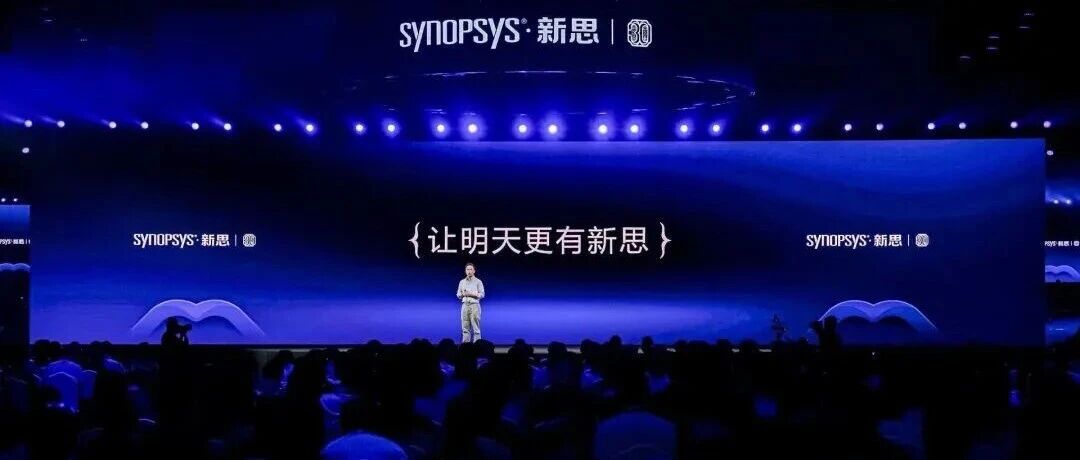
Core Viewpoint - The global EDA giant Synopsys is undergoing a strategic transformation amidst the AI wave and the complexities of the chip industry, focusing on the integration of AI and chip design [1][2]. Group 1: Company History and Market Development - Synopsys entered the Chinese market over 30 years ago, initially promoting EDA tools in academia, and has since grown alongside China's chip industry [1]. - The company made significant investments in China, including a donation of over one million USD worth of Design Compiler software to Tsinghua University in 1995 [1]. Group 2: Strategic Transformation - Synopsys has transitioned from a focus on "chips" to "systems" with the acquisition of Ansys, aiming to lead in the new wave of intelligent systems [2]. - The CEO emphasized that the integration of chip and system capabilities is essential to meet the demands of complex intelligent systems like robotics and autonomous vehicles [2]. Group 3: Technological Breakthroughs - Key areas of technological advancement include system-level design, chip design upgrades, and AI agents, which are reshaping chip engineering design paradigms [4]. - System-level design integrates various domains such as electrical, thermal, and mechanical insights to provide optimized solutions for intelligent systems [4]. - Chip technology upgrades involve combining EDA solutions with multi-physics analysis to address challenges in advanced processes, thereby accelerating chip development cycles [4]. Group 4: AI Integration and Future Vision - Synopsys is pioneering the use of AI as a core capability in modern chip design, developing a framework for intelligent systems that evolve from basic capabilities to advanced decision-making [5]. - The company collaborates with the industry to create differentiated intelligent systems that enhance developer productivity and innovation while addressing talent shortages [5]. - The future of engineering is envisioned as a collaborative effort between humans and intelligent agents, leading to faster, more precise, and higher-quality designs [5]. Group 5: Industry Trends - The shift towards digital twins is fundamentally transforming engineering innovation, with AI-driven systems expected to achieve self-optimization [6]. - The aerospace sector exemplifies the impact of digital twin technology, which can significantly enhance safety and reduce costs in a long-term investment environment [6]. - Semiconductor companies like Synopsys are exploring new solutions through AI and systems thinking to address the complexities and talent gaps in global chip design [7].


数字孪生+AI智能体技术突破 新思科技重塑芯片设计
Di Yi Cai Jing· 2025-09-19 03:08
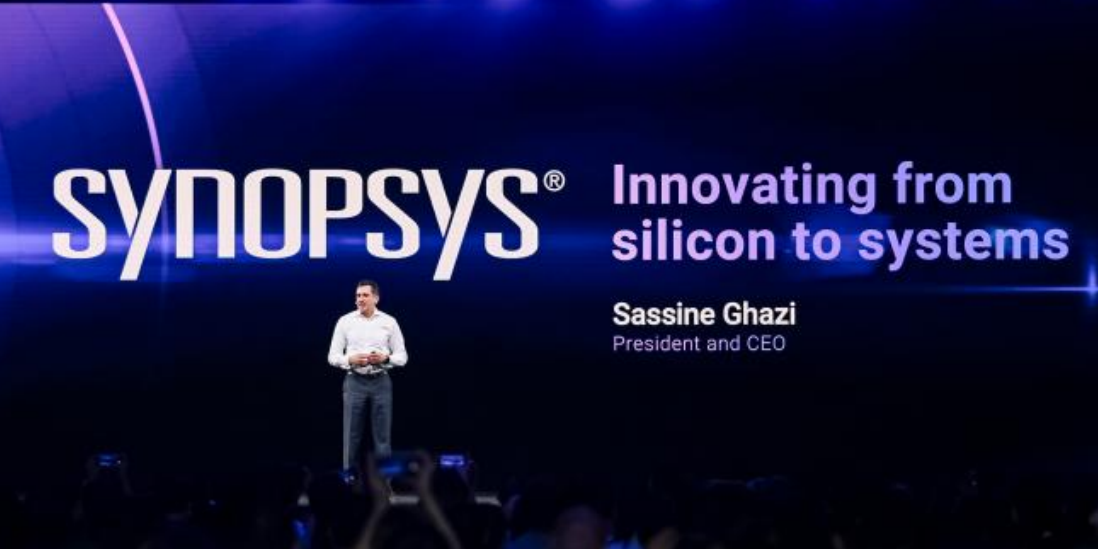
Core Insights - Synopsys successfully acquired Ansys for $35 billion, marking a strategic shift from "chip" to "system" [4] - The company aims to optimize design across electronic, mechanical, and software fields through digital twin technology and AI agents [4] - Synopsys has achieved global leadership in EDA for advanced process design and multi-physics analysis technologies [6] Group 1: Strategic Developments - The acquisition of Ansys signifies a major transition in Synopsys' business model, focusing on system-level design rather than just chip design [4] - The integration of AI as a core capability in modern chip design is expected to enhance efficiency and support multi-domain optimization [4][5] - Synopsys plans to leverage EDA solutions and IP products to address complex issues in advanced processes, such as power consumption and thermal management [4] Group 2: Industry Context - The CEO of Synopsys emphasized the need for comprehensive solutions that span from chips to systems to meet the demands of complex intelligent systems like robots and autonomous vehicles [5] - TSMC's perspective on digital twins and AI highlights the dual role of supporting AI hardware and meeting customer expectations for integration and efficiency [5] - Synopsys has been active in the Chinese market for over 30 years, contributing to the growth of the semiconductor industry in the region [6]
数字孪生+AI智能体技术突破,新思科技重塑芯片设计
Di Yi Cai Jing· 2025-09-19 02:59
Core Insights - Synopsys is undergoing a strategic transformation from chip design to system-level solutions, highlighted by its $35 billion acquisition of Ansys, a leader in simulation and analysis software [3] - The company aims to optimize design processes across electronic, mechanical, and software domains by creating digital twins and enhancing AI capabilities to support specific workloads [3][4] - Synopsys emphasizes the importance of integrating chip design with system-level insights to create value in future technological developments, particularly as complex intelligent systems become mainstream [4] Company Strategy - The strategic shift includes three main capabilities: integrating simulation with chip design, providing lifecycle optimization for intelligent systems, and upgrading chip technology to address complex issues in advanced processes [3] - AI is positioned as a core capability in modern chip design, with ongoing development of AI agents for various engineering tasks [3] Industry Context - The CEO of Lingqiao Intelligent highlights the need for delivering entire systems rather than just hardware, emphasizing the importance of digital feedback from human knowledge and developer experience [4] - TSMC's vice president notes that digital twins and AI play a dual role in supporting AI hardware and meeting customer expectations for integration, computing power, and energy efficiency [4] Historical Perspective - Synopsys has established itself as a leader in EDA, simulation, and multi-physics analysis technologies, marking its 30th anniversary in China, where it has contributed significantly to the development of the semiconductor industry [5] - The company has a history of collaboration with Chinese academic institutions, including a donation of over $1 million in software to Tsinghua University [5]
新思科技中国30周年引领AI智能体工程师重塑芯片设计范式
半导体行业观察· 2025-09-19 01:29
Core Viewpoint - Synopsys is celebrating its 30th anniversary in China and is focusing on transforming from a chip-centric company to a system-oriented leader in engineering solutions, emphasizing the integration of digital tools to innovate engineering design paradigms [4][10][12]. Group 1: Company History and Development - Synopsys entered the Chinese market over 30 years ago, initially as an agent, and has since evolved alongside the local semiconductor industry, contributing significantly to academic institutions like Tsinghua University [6][8]. - The company established its leadership in the EDA and IP sectors through strategic acquisitions, such as Avanti, and has fostered local talent development [8][10]. Group 2: Strategic Transformation - The acquisition of Ansys marks a pivotal shift for Synopsys, positioning it as a global leader in providing comprehensive engineering solutions from chip to system [10][12]. - The company aims to address the complexities of modern intelligent systems, such as robotics and autonomous vehicles, by integrating capabilities across the entire technology chain [14][20]. Group 3: Key Technological Breakthroughs - Synopsys is focusing on three critical areas: system-level design, chip technology upgrades, and AI integration, which are reshaping the engineering design landscape [15][17]. - The company is developing a framework for intelligent systems that evolves from basic capabilities to advanced decision-making and action abilities [18]. Group 4: Industry Collaboration and Innovation - Synopsys is collaborating with industry leaders to create differentiated intelligent systems that enhance developer productivity and innovation while addressing developer shortages [20]. - A high-level forum discussed the importance of a holistic approach to product development, emphasizing the integration of hardware, software, and system-level solutions [21][24]. Group 5: Future Outlook and Ecosystem - The conference outlined a technology blueprint from chip to system, highlighting the importance of interdisciplinary collaboration and the role of digital twins in engineering innovation [26][28]. - Synopsys is committed to fostering a vibrant ecosystem that connects global innovation efforts, focusing on talent development and technological breakthroughs [28].