EV巴士Model T

Search documents
鸿海叩开日本汽车大门
汽车商业评论· 2026-01-25 23:07
Core Viewpoint - Foxconn's parent company, Hon Hai, is making significant strides in the automotive sector by establishing a joint venture with Mitsubishi Fuso Truck and Bus Corporation to produce electric buses in Japan, aiming to strengthen its foothold in the Japanese automotive market and accelerate the adoption of electric vehicles [4][6][11]. Group 1: Joint Venture and Production Plans - Hon Hai and Mitsubishi Fuso will each invest 50% to create a bus joint venture, set to launch in the second half of 2026, with its headquarters in Kawasaki [4]. - The joint venture will focus on manufacturing Hon Hai's pure electric buses while also handling the development and production of existing diesel buses [6]. - The goal is to secure orders for the Hon Hai EV bus Model T by 2027 and expand to other product lines like the EV microbus Model U [6]. Group 2: Market Context and Challenges - The Japanese automotive industry is facing challenges such as declining competitiveness and a need for restructuring, with foreign investment becoming a key driver of this change [9][11]. - The traditional "Made in Japan, exported globally" model is becoming unsustainable due to rising tariffs and protectionism, leading to an urgent need for localized production [11]. - The Japanese electric vehicle (EV) market is lagging, with EV buses currently accounting for less than 1% of the total bus market, presenting a significant growth opportunity [21][26]. Group 3: Strategic Importance of the Joint Venture - The partnership with Mitsubishi Fuso is seen as a critical step for Hon Hai to establish a local production base in Japan, which is essential for future expansion and collaboration with Japanese automakers [11][20]. - The joint venture is expected to help absorb some of the production capacity needs in Japan, which is crucial for maintaining local employment and manufacturing capabilities [24]. - The Japanese Bus Association has set a target to introduce 10,000 EV buses by 2030, indicating substantial market potential for Hon Hai's offerings [26].

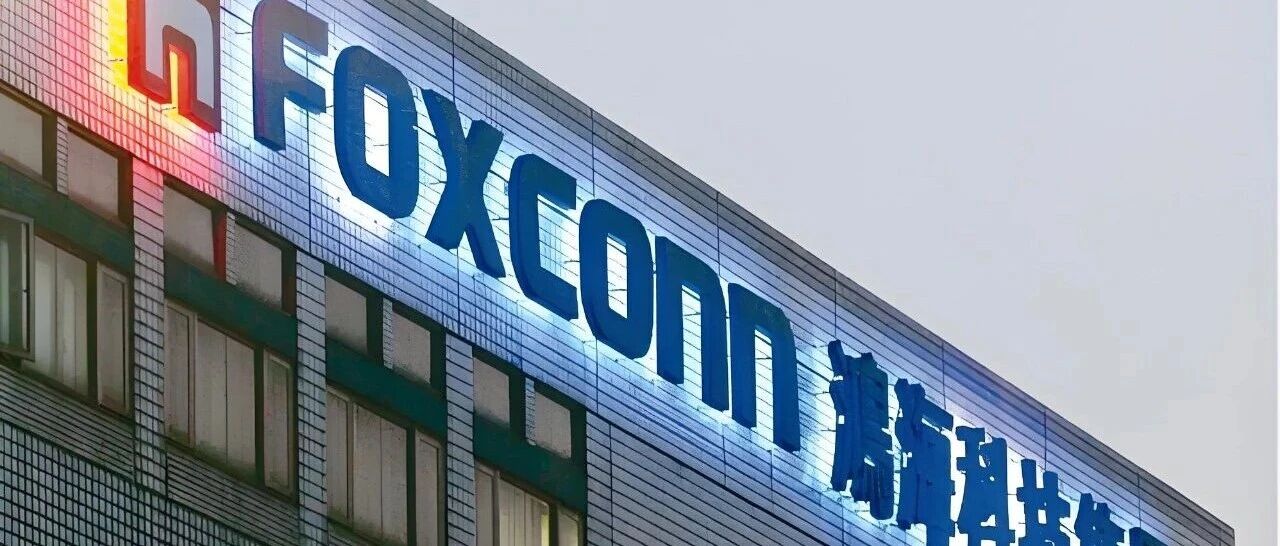
鸿海进入日本汽车制造业
日经中文网· 2026-01-23 03:08
Core Viewpoint - Foxconn and Mitsubishi Fuso will establish a joint venture to produce Foxconn's EV buses in Japan, aiming to accelerate the adoption of EVs in the country, which has lagged behind in the EV and autonomous driving sectors due to increasing competition from Chinese and American companies [2][4]. Group 1: Joint Venture Details - The joint venture will be equally funded by Foxconn and Mitsubishi Fuso, with plans to establish the new company in the second half of 2026 [4]. - Production will take place at Mitsubishi Fuso's only domestic bus manufacturing facility in Toyama, which will also handle the development and production of existing diesel buses [4]. - The goal is to secure orders for the EV bus "Model T" by 2027 and expand the product line to include the EV microbus "Model U" [4]. Group 2: Industry Context - The automotive industry is a core sector in Japan, contributing approximately 10% to the country's GDP and supporting employment [11]. - Japanese automakers are facing challenges in maintaining competitiveness, particularly in the EV and autonomous driving markets, as foreign companies increasingly take on roles in industry restructuring [5][8]. - The introduction of high tariffs and protectionist policies in the U.S. has altered the operational environment for Japanese automakers, making local production more critical [8]. Group 3: Market Dynamics - The EV bus market in Japan is currently dominated by BYD, which holds the largest market share, while the overall penetration of EV buses remains below 1% of the total bus fleet [12]. - The Japanese Bus Association aims to introduce 10,000 EV buses by 2030, a significant increase from 2024 levels, indicating substantial growth potential in the market [12]. - Despite the high costs associated with EV buses, which are over 50% more expensive than diesel counterparts, the fixed routes and charging convenience make them suitable for public transport systems [12].