Epclusa

Search documents
Nine drugmakers strike deals with Trump, with more to come
BusinessLine· 2025-12-21 05:11
Core Points - US President Donald Trump announced agreements with nine pharmaceutical companies aimed at lowering drug prices for Americans in exchange for a three-year delay on threatened tariffs [1][2] - A total of 14 out of 17 targeted drugmakers have agreed to lower prices for the Medicaid program, sell discounted drugs directly to consumers, and align US drug prices with those abroad [2][3] - Companies such as Roche, Novartis, Bristol-Myers Squibb, Gilead, and others have negotiated agreements, while AbbVie, Johnson & Johnson, and Regeneron are still in talks [3][4] Drug Pricing Agreements - Bristol-Myers Squibb will provide its blood-thinner Eliquis for free to the Medicaid program, and Gilead will reduce the price of its hepatitis C drug Epclusa to under $2,500 [7] - Many medications highlighted by the administration are already available at discounted prices through patient assistance programs or have cheaper generic alternatives [8] Insurance Industry Impact - Trump's announcements led to declines in health insurance stocks, including UnitedHealth Group, Elevance Health, and CVS Health [10] - The insurance industry trade group AHIP stated that premiums reflect medical care costs and welcomed discussions on cost reduction [10][11] Manufacturing and Supply Chain - Companies like Merck, Bristol-Myers, and GSK agreed to donate six months' worth of raw drug materials to a national stockpile and commit to manufacturing finished medicines in emergencies [12] Political and Regulatory Context - Democrats are seeking more transparency regarding the potential savings from these tariff relief deals, as the agreements remain confidential [13]

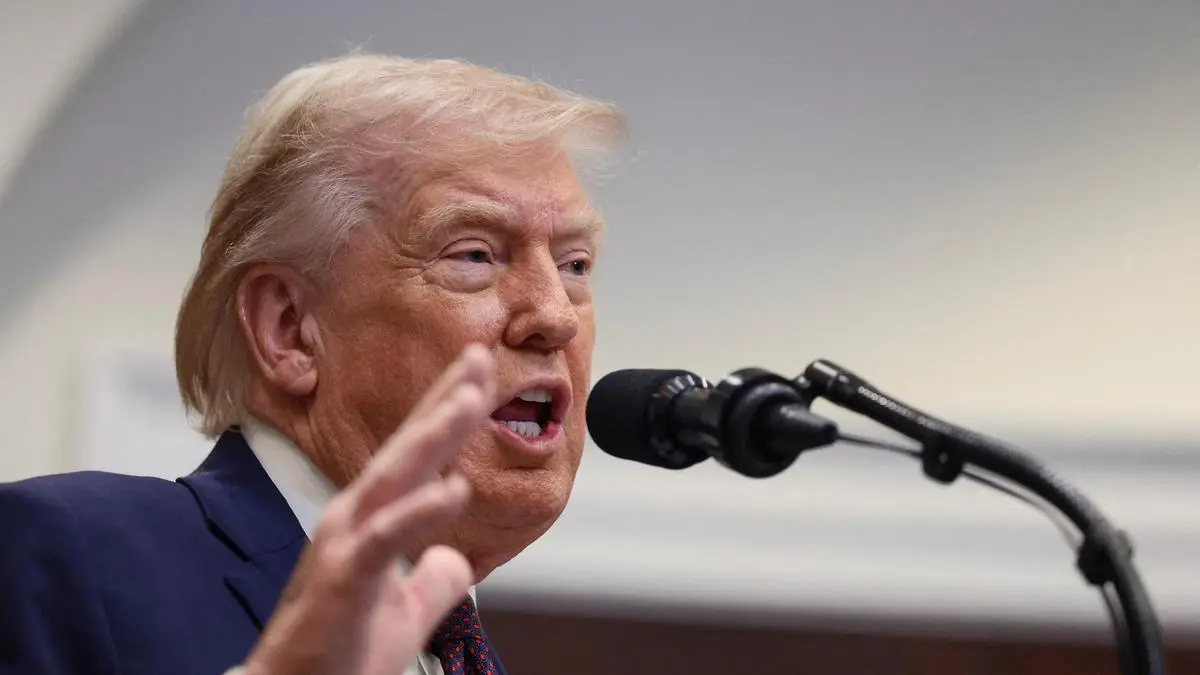
Trump unveils major drug price deals with 9 Pharma giants, launches TrumpRx.gov to cut medicine costs in US
MINT· 2025-12-19 23:46
Core Insights - President Trump announced a set of drug-pricing agreements with nine major pharmaceutical companies, aiming to align U.S. medicine costs with those in Europe [1][2] - The initiative includes a new direct-to-consumer portal, TrumpRx.gov, allowing patients to purchase certain medicines directly from manufacturers [2][4] Group 1: Agreements and Participants - The agreements involve 14 out of 17 drugmakers that Trump previously urged to lower prices, including Amgen, GSK, and Merck [2][3] - Drug companies are motivated to negotiate to avoid potential regulatory measures that could impact their profits [3] Group 2: TrumpRx.gov Functionality - TrumpRx.gov will serve as a central directory for patients to access selected medicines directly from manufacturers' websites [4] - The portal is expected to be fully operational by January, following a promotional launch [4] Group 3: Pricing Details - Highlighted medicines include Amgen's Repatha at $239/month, GSK's Advair Diskus at $89/month, and Merck's Januvia at $100/month [6] - Gilead's Epclusa will be priced at $2,492/month, despite lower costs for insured patients [6] Group 4: Impact on Medicaid and Medicare - Companies committed to launching new medicines in the U.S. at prices comparable to those in other wealthy countries [8] - Medicaid programs are legally entitled to the lowest drug prices, with Bristol Myers Squibb offering Eliquis free to Medicaid [9] Group 5: Industry Response and Future Outlook - Health policy experts express skepticism about the agreements' impact on overall drug prices for most Americans [10] - The agreements do not impose mandatory price controls and leave many brand-name drug costs unchanged [15] - Ongoing discussions with additional manufacturers like AbbVie and Johnson & Johnson may lead to further agreements [14]


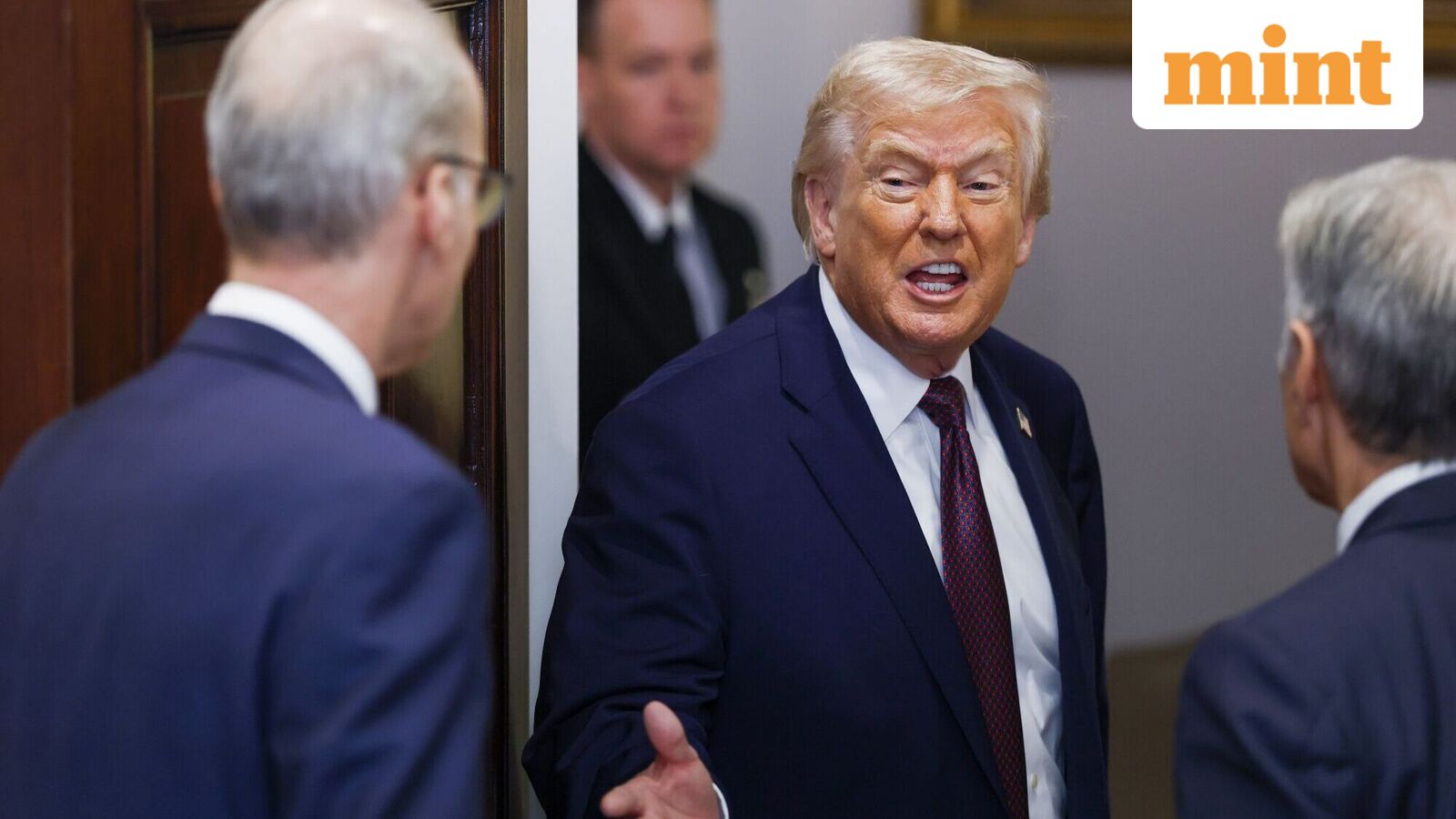
默沙东(MRK.US)、施贵宝(BMY.US)等多家药企同意下调美国药价 以换取特朗普政府关税豁免和政策支持
智通财经网· 2025-12-19 23:18
Group 1 - The core point of the news is that several major pharmaceutical companies in the US and Europe have agreed to voluntarily lower drug prices in exchange for tariff exemptions and policy support from the Trump administration, which is reviving the "Most Favored Nation" pricing policy to reduce high prescription drug costs in the US [1][2] - Companies that signed the agreement include Merck (MRK.US), Bristol-Myers Squibb (BMY.US), Amgen (AMGN.US), Gilead Sciences (GILD.US), GlaxoSmithKline (GSK.US), Sanofi (SNY.US), Rogers (ROG.US), Boehringer Ingelheim, and Novartis (NVS.US), committing to increase domestic production and investment in the US over the next three years [1] - Bristol-Myers Squibb's commitment to provide its best-selling anticoagulant drug Eliquis for free to Medicaid patients is highlighted as one of the most significant measures in this price reduction initiative [1] Group 2 - Trump stated that out of 17 major pharmaceutical companies he contacted in July, 14 have agreed to significantly lower drug prices, marking a historic victory for patient affordability in the US [2] - Although the full terms of the agreements have not been disclosed, companies have agreed to various measures to lower drug prices, including selling existing drugs to Medicaid patients at "Most Favored Nation" prices and committing to pricing for future new drugs [2] - Gilead Sciences announced that patients will be able to obtain its hepatitis C treatment drug Epclusa at a discounted price, while Sanofi indicated discounts of nearly 70% on certain drugs in the fields of infection, cardiovascular, and diabetes [2] Group 3 - Merck's CEO expressed support for Trump's policy direction of lowering US drug prices while raising prices in overseas markets to end global free-riding [3] - Amgen announced an expansion of its existing direct sales program, including significant discounts on its migraine prevention drug Aimovig and autoimmune treatment drug Amjevita [3] - The average price of prescription drugs in the US is nearly three times that of overseas markets, with brand-name drug prices exceeding four times, highlighting the US market's importance to pharmaceutical companies, especially European firms [3]

Gilead and U.S. Government Enter Agreement to Lower Costs of Medicines for Americans
Businesswire· 2025-12-19 19:21
Core Viewpoint - Gilead Sciences, Inc. has entered into an agreement with the U.S. government aimed at reducing drug costs for Americans, emphasizing the company's commitment to innovation, affordability, and global health leadership [1][2]. Group 1: Agreement Details - The three-year agreement addresses President Trump's requests for a new pricing strategy that prioritizes American patients, ensuring the U.S. does not bear a disproportionate share of global healthcare costs [2][8]. - Key components of the agreement include discounts on certain existing medicines within the U.S. Medicaid program, pricing future medicines at parity with other developed nations, and launching a Direct-to-Patient Program for Gilead's Hepatitis C treatment, Epclusa [8]. Group 2: Financial Impact and Investments - Gilead anticipates that the financial impact of the agreement will be manageable starting in 2026 and beyond [3]. - The company plans to invest $32 billion in U.S.-based manufacturing, R&D, and infrastructure over the next five years, which is projected to generate $43 billion in national economic value and create over 3,000 direct and indirect jobs [5]. Group 3: Global Health Commitment - The agreement reinforces America's leadership in global health and biomedical innovation, building on Gilead's partnership with the U.S. Department of State to provide its HIV prevention medicine, lenacapavir, at no profit to up to two million individuals in severely affected countries over the next three years [4].


Atea Pharmaceuticals (NasdaqGS:AVIR) Update / Briefing Transcript
2025-11-13 16:00
Summary of Atea Pharmaceuticals Conference Call Company Overview - **Company**: Atea Pharmaceuticals (NasdaqGS:AVIR) - **Focus**: Development of treatments for chronic hepatitis C (HCV) Key Industry Insights - **HCV Treatment Landscape**: Atea is conducting a global phase 3 program comparing its regimen (bemnifosbuvir and ruzasvir) against the current standard of care (sofosbuvir and velpatasvir, marketed as Epclusa) [2][3] - **Epidemiology of HCV**: The patient population has shifted towards younger individuals, often with social challenges rather than advanced liver disease, due to the ongoing opioid epidemic [13][14] - **Market Research Findings**: A quantitative study showed that 76% of high US DAA prescribers are extremely likely to prescribe Atea's regimen, indicating strong market interest [8][9] Core Product Insights - **Regimen Profile**: The regimen includes bemnifosbuvir, a potent nucleotide inhibitor, and ruzasvir, an NS5A inhibitor, with a short treatment duration and low risk for drug-drug interactions [2][3][5] - **Clinical Efficacy**: Phase 2 studies showed a 98% sustained virologic response at 12 weeks post-treatment (SVR12), supporting the regimen's potential as a best-in-class treatment [3][4] - **Resistance Analysis**: The regimen demonstrated effectiveness even in the presence of NS5A-resistant variants, indicating a robust resistance profile [6][7] Phase 3 Program Details - **Trial Structure**: The global phase 3 program consists of two pivotal trials (CBEYOND and CFORG) enrolling approximately 1,760 patients across 240 sites [7][8] - **Enrollment Timeline**: Enrollment for the North America CBEYOND trial is on track for completion next month, with top-line results expected by mid-2026 [8] Economic Considerations - **Cost of Treatment**: The average cost of treating a patient with hepatitis C is approximately $20,000 per year, which can escalate to $70,000 if cirrhosis develops [31][32] - **Economic Argument for Early Treatment**: Engaging newly diagnosed patients early is cost-effective, as delaying treatment increases overall healthcare costs and transmission risks [27][28][34] Challenges and Opportunities - **Barriers to Treatment**: The U.S. healthcare system faces challenges such as insurance hurdles and varying state policies that can impede timely treatment [35][36] - **Need for Provider Readiness**: A shift towards a provider readiness model is necessary to improve access to care and treatment for HCV [66][67] Additional Insights - **Drug-Drug Interactions**: The regimen's design minimizes drug-drug interactions, which is crucial for younger patients often on multiple medications [19][46] - **Adherence Challenges**: The importance of a regimen that allows for some flexibility in adherence is emphasized, as many patients may miss doses due to various life circumstances [51][54] Conclusion - Atea Pharmaceuticals is positioned to make a significant impact in the HCV treatment landscape with its innovative regimen, addressing both clinical efficacy and economic considerations while navigating the complexities of the healthcare system.
Enanta Pharmaceuticals (ENTA) 2025 Conference Transcript
2025-09-03 13:35
Summary of Enanta Pharmaceuticals (ENTA) Conference Call Company Overview - Enanta Pharmaceuticals, Inc. is focused on developing drugs in viral antivirals and immunology indications, with a strong historical emphasis on virology [6][5][1]. Key Points and Arguments Virology Focus - Enanta has a 20-year history in virology, initially working on hepatitis C, leading to the development of two marketed drugs: Viekira Pak and MAVYRET, with MAVYRET being the only eight-week cure for chronic and acute HCV [6][17]. - Recent efforts have shifted towards respiratory viruses, particularly respiratory syncytial virus (RSV), with two drug candidates, zilicapivir and EDP-323, currently in phase 2 development [6][7]. RSV High-Risk Adult Study - The high-risk adult study for zilicapivir is set to report results later this month, focusing on patients over 65 or those with conditions like COPD, asthma, or CHF [8][10]. - The study aims to enroll patients within 72 hours of symptom onset, with a primary endpoint based on symptom resolution using a patient-reported outcome tool [10][11]. Comparison with Other Treatments - The company is looking to demonstrate a clinically meaningful reduction in symptom duration, aiming for a one-day improvement, which aligns with historical benchmarks for approval in similar respiratory virus treatments [11][39]. - Previous studies for influenza and SARS-CoV-2 have shown that a one-day reduction in symptom duration is considered clinically meaningful [11][39]. Immunology Programs - Enanta is advancing its KIP program targeting mast cell-driven diseases and a STAT-6 program aimed at developing an oral alternative to Dupixent [14][15]. - The KIP program is expected to enter clinical trials early next year, with a candidate selection for the STAT-6 program anticipated in the second half of the year [15][16]. Acute HCV Treatment - The recent approval of MAVYRET for acute HCV treatment is significant as it allows for earlier intervention, potentially reducing the spread of the virus [17][18]. - The impact of this approval on Enanta's revenue is still being assessed, with expectations for a clearer picture emerging over the next few quarters [22]. RSV Treatment Landscape - The RSV treatment landscape is evolving, with a need for small molecule antivirals alongside existing prophylactic measures like monoclonal antibodies and vaccines [24][25]. - Current vaccine uptake is low, with only about 20% of the eligible population vaccinated, indicating a significant unmet need for effective treatments [25][26]. Pediatric Study Insights - A pediatric study involving 90 patients showed a 1.2 log drop in viral load, outperforming a benchmark study [34][35]. - The company is developing a new caregiver-reported outcome tool, Resolve-P, to better assess symptoms in future studies [38]. Future Expectations - Enanta aims to establish itself as a leader in RSV treatment, with the potential to be the first to market with a therapeutic option [40]. - The company is also exploring opportunities in the immunology space, which is seen as a growing area compared to virology [41]. Additional Important Information - The company has faced challenges in recruiting high-risk populations during the pandemic, impacting some of its studies [32]. - The potential for combination therapies with EDP-323 and zilicapivir is being explored, particularly for immunocompromised patients [31]. This summary encapsulates the key discussions and insights from the Enanta Pharmaceuticals conference call, highlighting the company's strategic focus and future directions in both virology and immunology.