F22战机

Search documents
中航沈飞20260127
2026-01-28 03:01
Summary of the Conference Call for AVIC Shenyang Aircraft Corporation (中航沈飞) Industry and Company Overview - The focus of the conference call is on AVIC Shenyang Aircraft Corporation, specifically regarding the J-35 fighter jet and its implications for the company’s growth and the global fifth-generation fighter jet market [2][3]. Key Points and Arguments J-35 as a Core Growth Driver - The J-35 is expected to achieve significant breakthroughs in both domestic and international sales by 2026, becoming a core growth driver for AVIC Shenyang [2][5]. - The external market for military trade presents substantial profit potential, which is crucial for the company's strategic upgrade [2][5]. Market Potential Comparison - The global fifth-generation fighter jet market shows that the F-35 has an order volume 18 times greater than that of the F-22 over its entire lifecycle, indicating a larger market potential for second-generation fifth-generation jets like the J-35 [2][7]. - The F-35's success is attributed to shared core performance, reduced R&D costs, shortened development cycles, and an expanded customer base, which are lessons applicable to the J-35's development [2][8]. Production Efficiency Improvements - The F-35 has seen a significant reduction in production hours from 160,000 to approximately 70,000 hours, alongside improved delivery timeliness and extended fault-free operation times, which have driven order growth [10]. - Cost reductions for the F-35 have been substantial, dropping from around $250 million to approximately $70-80 million per unit [10]. Development Patterns of Fifth-Generation Fighters - The development of fifth-generation fighters follows certain patterns: the first model faces high costs and difficulties, while the second can leverage shared core technologies, serve multiple military branches, and utilize previously vetted suppliers [11][12]. Revenue Growth During the 14th Five-Year Plan - AVIC Shenyang's revenue grew significantly from 27 billion yuan in 2020 to 47 billion yuan in 2023, primarily driven by domestic demand [4]. Strategic Importance of J-35 - The J-35 is positioned to become a key model for military exports due to its technological sharing, adaptability to multiple versions, and improvements in China's industrial base [3][12]. - The J-35 aims to achieve a strategic goal of elevating the company through international military trade, with potential prices in the external market reaching up to $200 million per unit, including missile systems [5]. Additional Important Insights - The J-20 and J-35 share core technologies and production efficiencies, with the J-20 serving the domestic air force while the J-35 targets export markets [12][13]. - The overall improvement in China's industrial capabilities enhances the production maturity of the J-35, making it a strong candidate for future military trade opportunities [12][13].

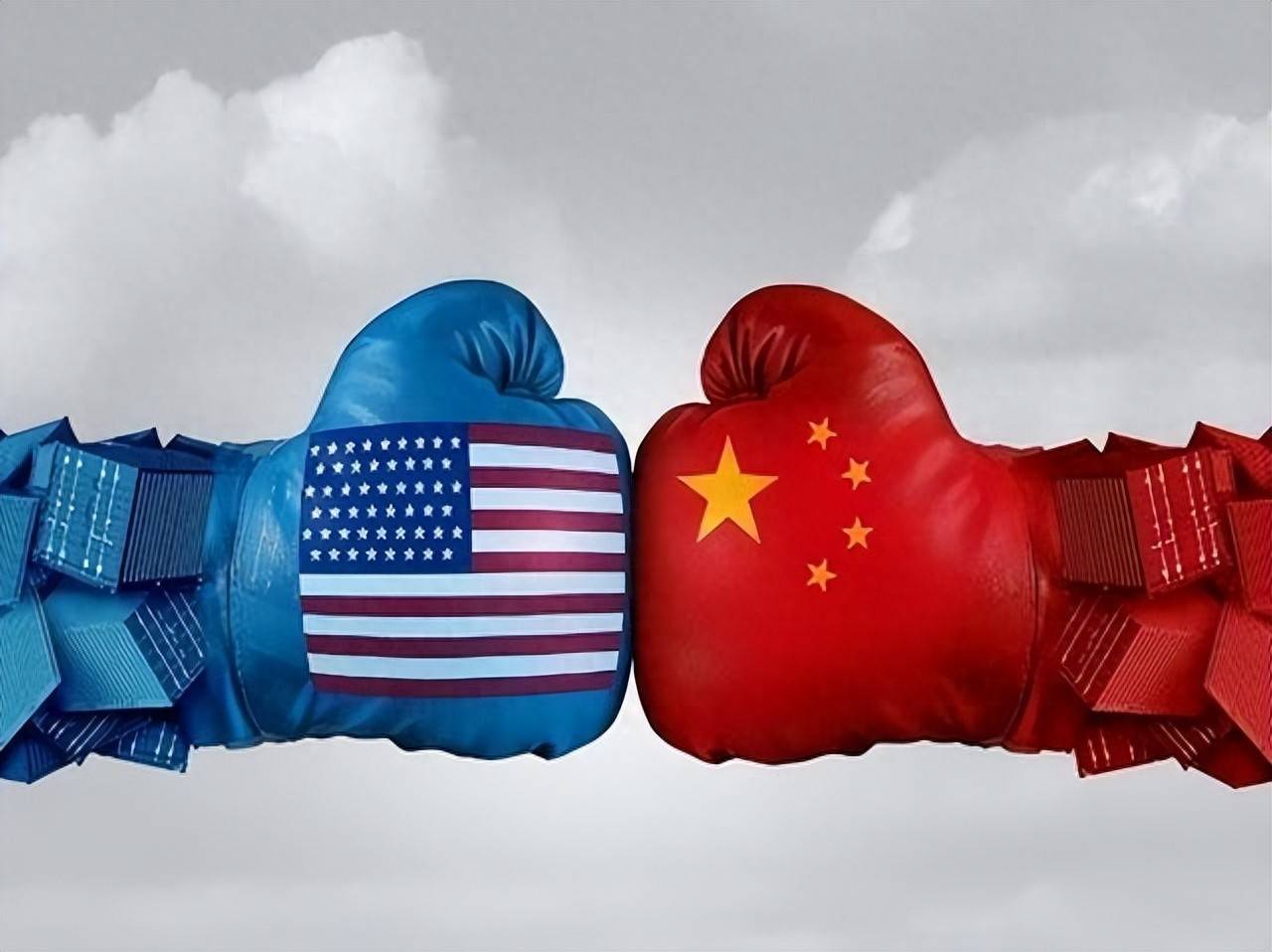
为啥美国现在要拼命围攻中国?5年后,中国将不再忌惮任何国家!
Sou Hu Cai Jing· 2026-01-22 06:55
Group 1 - The article highlights the increasing urgency of Washington's actions against China, driven by anxiety over China's rapid development and its potential to reshape the global landscape in the next five years [1] - The U.S. national security strategy released in 2025 emphasizes economic competition with China, focusing on trade, supply chains, and critical resources, despite claiming to prioritize the Western Hemisphere [3] - China's trade surplus reached $1.2 trillion in 2025, with exports to Africa growing by 26% and steady growth in Southeast Asia, showcasing China's industrial strength across various sectors [3] Group 2 - Since 2011, China has maintained the world's largest industrial output, and this trend is expected to continue in 2025, despite U.S. attempts to hinder China's semiconductor industry through tariffs [5] - The military capabilities of China have significantly advanced, with the successful performance of Chinese equipment in real combat situations, challenging previous Western perceptions of its military strength [7] - By 2030, China's defense is projected to see substantial advancements, including over 1,000 nuclear warheads and a navy of 435 vessels, indicating a robust industrial and technological self-sufficiency [8] Group 3 - China's nominal GDP is expected to reach $19.4 trillion by 2025, with a growth rate of 4.8%, reflecting resilience despite trade tensions [8] - The article suggests that the economic relationship between the U.S. and China has become nearly equal, with both countries engaged in intense economic competition [8] - The narrative indicates that the U.S. is driven by internal anxieties and that China's development trajectory will continue unabated, positioning it as a leader across industrial, technological, and military domains [8]