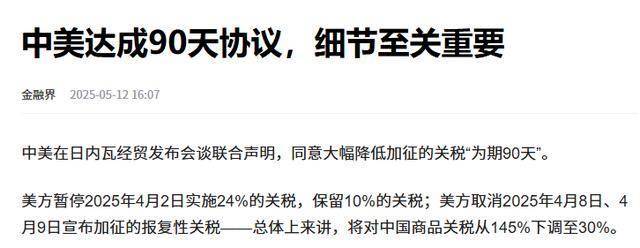
F35战机

Search documents
中航沈飞20260127
2026-01-28 03:01
Summary of the Conference Call for AVIC Shenyang Aircraft Corporation (中航沈飞) Industry and Company Overview - The focus of the conference call is on AVIC Shenyang Aircraft Corporation, specifically regarding the J-35 fighter jet and its implications for the company’s growth and the global fifth-generation fighter jet market [2][3]. Key Points and Arguments J-35 as a Core Growth Driver - The J-35 is expected to achieve significant breakthroughs in both domestic and international sales by 2026, becoming a core growth driver for AVIC Shenyang [2][5]. - The external market for military trade presents substantial profit potential, which is crucial for the company's strategic upgrade [2][5]. Market Potential Comparison - The global fifth-generation fighter jet market shows that the F-35 has an order volume 18 times greater than that of the F-22 over its entire lifecycle, indicating a larger market potential for second-generation fifth-generation jets like the J-35 [2][7]. - The F-35's success is attributed to shared core performance, reduced R&D costs, shortened development cycles, and an expanded customer base, which are lessons applicable to the J-35's development [2][8]. Production Efficiency Improvements - The F-35 has seen a significant reduction in production hours from 160,000 to approximately 70,000 hours, alongside improved delivery timeliness and extended fault-free operation times, which have driven order growth [10]. - Cost reductions for the F-35 have been substantial, dropping from around $250 million to approximately $70-80 million per unit [10]. Development Patterns of Fifth-Generation Fighters - The development of fifth-generation fighters follows certain patterns: the first model faces high costs and difficulties, while the second can leverage shared core technologies, serve multiple military branches, and utilize previously vetted suppliers [11][12]. Revenue Growth During the 14th Five-Year Plan - AVIC Shenyang's revenue grew significantly from 27 billion yuan in 2020 to 47 billion yuan in 2023, primarily driven by domestic demand [4]. Strategic Importance of J-35 - The J-35 is positioned to become a key model for military exports due to its technological sharing, adaptability to multiple versions, and improvements in China's industrial base [3][12]. - The J-35 aims to achieve a strategic goal of elevating the company through international military trade, with potential prices in the external market reaching up to $200 million per unit, including missile systems [5]. Additional Important Insights - The J-20 and J-35 share core technologies and production efficiencies, with the J-20 serving the domestic air force while the J-35 targets export markets [12][13]. - The overall improvement in China's industrial capabilities enhances the production maturity of the J-35, making it a strong candidate for future military trade opportunities [12][13].

F35停产、光刻机断供,中国稀土出手直击命门,特朗普制裁成笑话
Sou Hu Cai Jing· 2025-10-25 08:18
Core Viewpoint - China's Ministry of Commerce announced stricter export controls on rare earth-related items and technologies, impacting the entire industry chain from mining to manufacturing, including foreign rare earth products with over 0.1% Chinese components [1][10] Group 1: Impact on Global Supply Chain - The new regulations are described as "almost unprecedented" by the Wall Street Journal, indicating the significant impact on global supply chains [1] - China accounts for 69% of the global rare earth production, but its real leverage lies in its control over refining and separation technologies [3] - The U.S. military's F35 program has faced supply risks due to reliance on Chinese rare earth materials, highlighting the critical nature of these resources [3][5] Group 2: Effects on Specific Companies - ASML, a key player in the semiconductor industry, may face delivery uncertainties for its EUV lithography machines due to the new regulations affecting essential rare earth materials [5] - MP Materials, the largest U.S. rare earth producer, is unable to provide a complete supply chain, as the U.S. lacks the necessary refining and separation capabilities [7][8] Group 3: Strategic Timing and Broader Implications - The timing of China's announcement coincided with U.S. actions against Chinese companies, suggesting a strategic response to regain control in trade negotiations [10] - China's export control measures are framed as a standard international practice aimed at safeguarding national security and interests [10][12] - The establishment of an export licensing system allows for continued commercial use while restricting military applications, creating uncertainty for foreign companies [12] Group 4: Long-term Industry Development - China's rare earth industry has developed a complete supply chain over decades, emphasizing the importance of technological accumulation and industry resilience [14] - The recent export controls underscore the significance of resource control in modern technological competition, where both technological advancement and supply chain integrity are crucial [14]



中美贸易战美国仅剩一张牌,而中国至少有“土豆药债”四个王炸
Sou Hu Cai Jing· 2025-10-13 18:33
Core Viewpoint - The announcement of a 100% tariff on Chinese goods by Trump marks a significant escalation in the US-China trade war, potentially leading to severe impacts on high-end manufacturing in China, particularly in the semiconductor sector [1] Group 1: Trade Tariffs and Responses - The US's proposed tariffs could increase the total tariffs on Chinese goods to 130%, which may severely affect China's high-end manufacturing capabilities [1] - China is prepared to respond with equivalent tariffs on US goods, particularly targeting the service trade where the US has a significant surplus [3] - The US has delayed previous negotiations due to concerns over inflation, unemployment, and supply chain issues, indicating a reluctance to engage in a full-scale trade confrontation [3] Group 2: Rare Earth Elements - China controls 70% of global rare earth mining and 90% of processing, making it a critical player in high-tech manufacturing [5] - Recent upgrades to China's rare earth export controls include restrictions on any foreign production using Chinese technology and a comprehensive control over the entire supply chain [5] - The US military heavily relies on Chinese rare earths, with a report indicating that 87% of its supply chain has critical vulnerabilities [5][6] Group 3: Agricultural Impact - China, as the largest consumer of soybeans, has ceased purchasing US soybeans since May 2025, leading to significant financial distress for US farmers [9] - The halt in soybean purchases has resulted in 7 million tons of unsold soybeans and the bankruptcy of 12,000 farmers in the Midwest [9] - The urgency for Trump to persuade China to resume soybean purchases is heightened by the upcoming midterm elections, as farmers threaten to withdraw support for the Republican Party [9] Group 4: Pharmaceutical Industry - China dominates the production of active pharmaceutical ingredients (APIs), supplying 23% of the US's API imports [11] - A 100% tariff on Chinese APIs could lead to increased drug costs and exacerbate shortages in the US market, prompting pharmaceutical companies to consider relocating production [11][12] - The potential rise in drug prices could significantly impact low-income families' access to healthcare, raising concerns among US lawmakers [12] Group 5: US Debt and Financial Stability - The US national debt has surpassed $37 trillion, with China reducing its holdings of US Treasury bonds to $730.7 billion, the lowest since 2008 [14] - This reduction in US debt holdings by China signals a potential financial risk for the US and has contributed to market instability [14] - The shift towards de-dollarization is evident as China seeks to establish alternative currency arrangements with countries like Brazil, Saudi Arabia, and Russia [14] Group 6: Global Financial Dynamics - The ongoing trends indicate a significant shift in global financial power, with the renminbi gaining acceptance as an international currency [14] - The erosion of the US's financial dominance is highlighted by the increasing use of the renminbi in global transactions, particularly in energy markets [14][15] - The combination of these factors suggests a profound transformation in the global monetary system, moving towards a multi-currency framework [14][15]
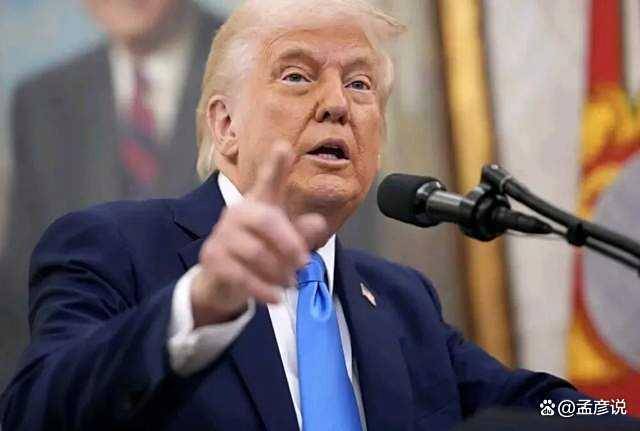
中美俄稀土储量对比:俄1000万吨,美180万吨,我.国是多少?
Sou Hu Cai Jing· 2025-10-01 11:18
Group 1 - The article highlights the strategic importance of rare earth elements (REE) in global power dynamics, particularly in the context of military and technology industries [1][2][4] - Russia has discovered 10 million tons of rare earths in the Arctic, but faces significant challenges in extraction and processing due to extreme weather and technological limitations [2][7] - The U.S. is experiencing a rare earth shortage, with only 1.8 million tons of reserves, and relies heavily on Chinese technology and equipment for processing [2][4][7] Group 2 - China's rare earth reserves are estimated at 44 million tons, positioning it as a dominant player in the global market, essential for high-tech products and military applications [1][7] - The Bayan Obo mine in Inner Mongolia is a key source of rare earths, producing 3,000 tons of raw materials daily, while Jiangxi's mining operations yield 80% of the world's heavy rare earths [5][7] - The U.S. and Russia both face significant challenges in developing their rare earth industries, with the U.S. relying on Chinese patents and Russia struggling with processing capabilities [6][7]
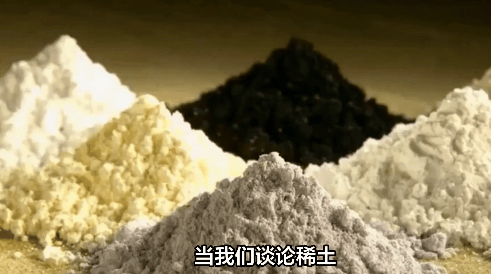
特朗普寡不敌众,4大盟友与美国反目,日媒:中国将是下个领导者
Sou Hu Cai Jing· 2025-08-19 07:59
Core Viewpoint - The article discusses the deterioration of trade relations between the United States and four countries: Spain, Switzerland, India, and Japan, as a result of Trump's tariff policies, which have led to significant backlash and countermeasures from these nations [1][3][5]. Group 1: Spain - Spain feels betrayed by Trump's tariff policies, which have become a significant burden on its economy [1]. - The Spanish government rejected Trump's demand to increase military spending to 5% of GDP, maintaining it at 2% [1]. - Spain canceled its plan to purchase F35 fighter jets, indicating a firm stance against U.S. pressure [1]. Group 2: Switzerland - Switzerland reacted strongly to nearly 40% tariffs imposed by the U.S., claiming unfair treatment due to a perceived trade deficit [3]. - The majority of Swiss exports to the U.S. consist of processed intermediate goods, such as gold and pharmaceuticals, rather than fully produced items [3]. - Switzerland is considering canceling its F35 fighter jet procurement plan, with a final decision expected in November [3]. Group 3: India - India, although not a formal ally, has been closely cooperating with the U.S. on issues related to China, but has become a target of Trump's tariffs [3]. - In response to U.S. dissatisfaction with India's oil trade with Russia, India decided to suspend the purchase of U.S. P8 patrol aircraft and canceled a planned visit from the U.S. trade representative [3]. Group 4: Japan - Japan believed it had reached a consensus with the U.S. on a 15% tariff cap, but the U.S. interpreted it as an additional tariff, leading to significant disagreements [5]. - Japanese Prime Minister Shigeru Ishiba felt embarrassed by the situation, as he had hoped for concessions from the U.S. in exchange for Japanese compromises [5]. - Japanese media expressed concerns about the potential rise of China as a global leader, reflecting dissatisfaction with U.S. tariff policies [5]. Group 5: Overall Implications - The reactions from these countries indicate that Trump's tariff policies are facing increasing resistance, which could lead to further isolation of the U.S. in global trade [5]. - If Trump continues to uphold the "America First" stance, more countries may turn against the U.S., potentially resulting in a shift towards isolationism [5].
伊朗对以色列报复行动全面展开 以色列首次空袭伊朗能源基础设施
Yang Guang Wang· 2025-06-15 01:33
Group 1 - Iran has launched a new round of missile attacks against Israel, targeting cities such as Tel Aviv and Haifa in response to previous Israeli strikes [1] - The Israeli military has declared a state of "unprecedented emergency" and activated defense systems across the country, with air raid sirens sounding in multiple locations [1] - Iran's Revolutionary Guard has reported hitting over 150 Israeli targets and successfully breaching Israeli air defenses with drones [1] Group 2 - The Israeli military has conducted airstrikes on Iran for 40 hours, targeting over 150 locations, including oil refineries in Bushehr province [2] - This marks the first time Israel has attacked Iranian energy infrastructure since the Iran-Iraq War in the 1980s [2] - Iranian media reported that approximately 200 missiles were launched at Israel, with most intercepted by defense systems [3] Group 3 - Israeli airstrikes have resulted in the deaths of high-ranking Iranian military officials, including the head of the Iranian Armed Forces Intelligence Bureau [3] - Israeli Prime Minister Netanyahu stated that the airstrikes have caused "severe damage" to Iran's nuclear facilities and are aimed at eliminating Iran's ballistic missile production capabilities [3] Group 4 - Iranian President Pezeshkian condemned Israeli military actions in conversations with leaders from Saudi Arabia, Qatar, and France, stating that Iran will not resume negotiations with the U.S. as long as Israel continues its attacks [4] - The planned sixth round of negotiations between Iran and the U.S. in Oman has been canceled due to the ongoing conflict [4]
中国稀土管制震动西方美进口暴跌163%外媒:“卡脖子”轮到我们了?
Sou Hu Cai Jing· 2025-06-08 11:03
Core Viewpoint - The recent export control on rare earths by China has triggered significant global repercussions, highlighting the strategic importance of rare earths in the tech and military sectors, and escalating the ongoing competition between the US and China for technological supremacy [1][6][18] Group 1: Impact of China's Export Control - China's export control on seven categories of medium and heavy rare earths has led to a dramatic price increase, with international prices soaring by 210%, and specific prices like dysprosium oxide exceeding $850 per kilogram [6][12] - The US military-industrial complex is heavily reliant on Chinese rare earths, with the F-35 fighter jet requiring 417 kilograms of rare earths, and the US Department of Defense having stockpiled 3,000 tons of rare earth permanent magnets, which still may not suffice [5][6] Group 2: US Response and Strategy - In response to the export controls, the US has attempted to mitigate the impact by approving exemptions for rare earth mining and planning investments in rare earth mines in Brazil and Mongolia, but remains dependent on China for processing, which accounts for 90% of global refining capacity [7][8] - The US has also imposed significant tariffs on Chinese goods, citing issues like fentanyl, while simultaneously seeking to secure rare earth supplies, reflecting a contradictory approach [6][8] Group 3: Global Reactions and Economic Consequences - Major automotive companies, including Ford and General Motors, are facing severe operational challenges, with Ford resorting to layoffs and GM's stock price dropping by 12% due to supply chain disruptions caused by rare earth shortages [9][12] - The European Union has reacted by introducing the "Critical Raw Materials Act," and German automakers have united to challenge US policies, indicating rising tensions among allies [9][12] Group 4: China's Strategic Position - China's domestic demand for rare earths is increasing, particularly in the electric vehicle and wind power sectors, with a reported 15% year-on-year growth in consumption in Q1 2025, which helps offset losses from exports [12][18] - Chinese companies are transitioning from merely selling raw materials to offering technology, as evidenced by a 727% increase in net profit for Northern Rare Earth and a 40% growth in orders for Ningbo Yunsheng [12][18] Group 5: Future Outlook - The demand for rare earths is expected to surge with advancements in technology, such as Tesla's Optimus robot potentially requiring an additional 400,000 tons of rare earths if mass production is achieved [13][18] - China's control over rare earth processing patents and its established supply chain create significant barriers for foreign companies attempting to bypass Chinese resources, with Japan's efforts to develop "no-rare-earth magnets" failing [17][18]
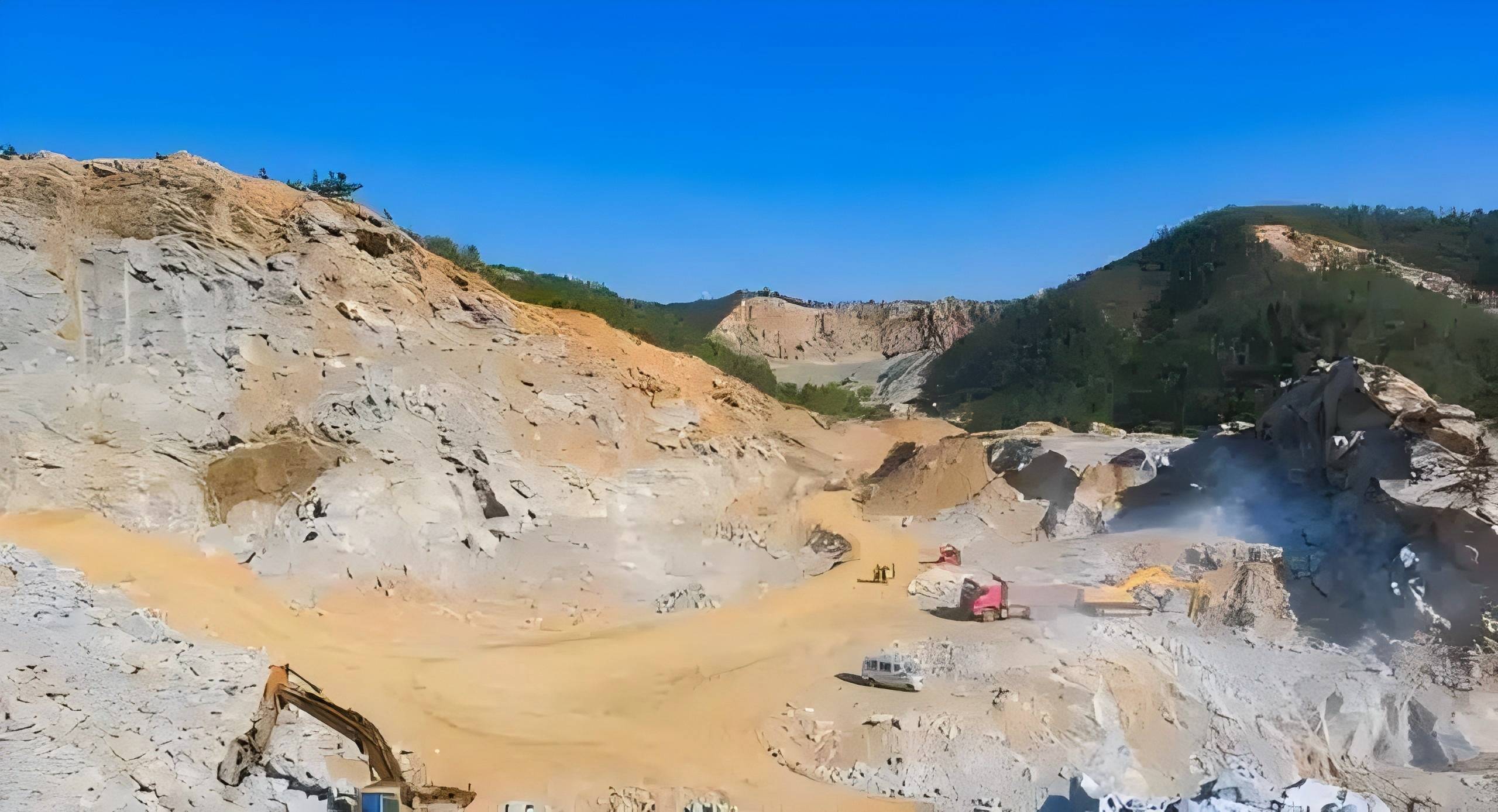
中国对美国留的后手起效果,特朗普束手无策,急于拨通中国电话
Sou Hu Cai Jing· 2025-06-03 14:49
Group 1 - The article discusses the temporary consensus reached between the US and China regarding tariffs, with concerns about the reliability of the Trump administration in honoring agreements [1][3] - The consensus involves the cancellation of additional tariffs imposed after April 2, but it is viewed as a tactic by the Trump administration to alleviate domestic and international tensions [3][5] - The article highlights the strategic importance of rare earth minerals, which are crucial for various high-tech industries, and how China's export restrictions on these minerals could pressure the US [6][7] Group 2 - The US's reliance on rare earth elements is emphasized, particularly in military applications, with examples of production delays faced by companies like Lockheed Martin due to China's restrictions [6][7] - The article suggests that the urgency of the Trump administration to negotiate with China is closely linked to the pressures arising from the shortage of rare earth elements [9] - It is noted that the US government has not shown genuine intent to improve trade relations, particularly in light of ongoing tariffs related to fentanyl imports and restrictions on Chinese students [13][15] Group 3 - The article concludes that the ongoing competition between the US and China is just beginning, with the potential for further developments in trade negotiations and policies [19]