
FGFR2/3抑制剂ABSK061

Search documents
和誉-B:FGFR2/3抑制剂ABSK061治疗儿童软骨发育不全的IND获FDA许可
Zhi Tong Cai Jing· 2026-03-31 21:16
Core Viewpoint - The company, He Yu-B (02256), announced that its subsidiary, Shanghai He Yu Biomedical Technology Co., Ltd. ("He Yu Medicine"), has received FDA approval for the clinical trial application (IND) of its selective small molecule FGFR2/3 inhibitor, ABSK061, for treating children with achondroplasia (ACH) [1]. Group 1 - The IND approval from the FDA will facilitate the acceleration of ABSK061's overseas clinical development process [1]. - The drug has previously been granted Rare Pediatric Disease Designation (RPDD) and Orphan Drug Designation (ODD) by the FDA, which supports its development in the pediatric rare disease space [1].
和誉-B(02256.HK):FGFR2/3抑制剂ABSK061治疗儿童软骨发育不全的IND获FDA许可
Jin Rong Jie· 2026-03-30 09:45
Core Viewpoint - The company announced that its subsidiary, Shanghai Heyu Biomedical Technology Co., Ltd., has received FDA approval for the clinical trial application of its selective small molecule FGFR2/3 inhibitor ABSK061 for treating children with achondroplasia (ACH) [1] Group 1 - The FDA has granted permission for the IND of ABSK061, which is a significant milestone for the company [1] - The approval is complemented by the previously awarded Rare Pediatric Disease Designation (RPDD) and Orphan Drug Designation (ODD) by the FDA, which will facilitate the overseas clinical development of ABSK061 [1]
和誉-B(02256):FGFR2/3抑制剂ABSK061治疗儿童软骨发育不全的IND获FDA许可
Zhi Tong Cai Jing· 2026-03-30 09:41
Core Viewpoint - The company, He Yu-B (02256), announced that its subsidiary, Shanghai He Yu Biopharmaceutical Technology Co., Ltd., has received FDA approval for the IND application of its selective small molecule FGFR2/3 inhibitor, ABSK061, aimed at treating achondroplasia in children [1] Group 1 - The IND approval from the FDA will accelerate the overseas clinical development process of ABSK061 [1] - The drug has previously been granted rare pediatric disease designation (RPDD) and orphan drug designation (ODD) by the FDA [1]
和誉-B(02256.HK):FGFR2/3抑制剂ABSK061获FDA授予孤儿药资格认定,用于治疗软骨发育不全
Ge Long Hui· 2026-03-19 00:06AI Processing
格隆汇3月19日丨和誉-B(02256.HK)发布公告,公司的附属公司上海和誉生物医药科技有限公司("和誉 医药")宣布,其自主研发的高选择性口服小分子FGFR2/3抑制剂ABSK061已获得美国食品药品监督管理 局("FDA")授予的孤儿药资格认定("ODD"),用于治疗软骨发育不全("ACH")。这是ABSK061近期获得 FDA授予罕见儿科疾病("RPD")资格认定后,在其全球开发进程中的又一关键里程碑。ODD有望为该产 品在美国的临床开发、注册申报与商业化进程提供有力支持。 ...
和誉-B:FGFR2/3抑制剂ABSK061获FDA授予罕见儿科疾病药物资格认定
Zhi Tong Cai Jing· 2026-03-11 00:24
Core Viewpoint - The company, He Yu-B (02256), announced that its subsidiary, Shanghai He Yu Biomedical Technology Co., Ltd., has received Rare Pediatric Disease (RPD) designation from the FDA for its orally administered small molecule FGFR2/3 inhibitor, ABSK061, aimed at treating Achondroplasia (ACH) [1][2]. Group 1: FDA Designation and Strategic Value - The RPD designation is part of an FDA initiative to encourage the development of innovative therapies for severe rare diseases affecting individuals under 18 years old, providing economic incentives to pharmaceutical companies [1]. - If the indication for ACH is ultimately approved, the company will have the opportunity to obtain a Priority Review Voucher (PRV), which can expedite the FDA review process for other new drug applications (NDA) or biologics license applications (BLA) and can be transferred to other NDA applicants, thus holding significant strategic and commercial value [1]. Group 2: Characteristics of ACH and ABSK061 - ACH is a rare autosomal dominant genetic disorder that leads to severe growth and developmental impairments, primarily caused by mutations in the FGFR3 gene, resulting in abnormal activation of FGFR3 that inhibits normal cartilage ossification [1]. - ABSK061 has demonstrated significant target inhibition activity, favorable pharmacokinetic properties, and safety advantages in preclinical studies, making it a promising treatment candidate for pediatric patients with ACH [2]. - The oral administration route of ABSK061 offers significant advantages in convenience and treatment adherence, particularly for pediatric patients, and it is currently undergoing Phase II clinical trials for children aged 3 to 12 years with ACH [2].
和誉-B(02256.HK):FGFR2/3抑制剂ABSK061获FDA授予罕见儿科疾病药物资格认定
Ge Long Hui· 2026-03-11 00:06
Core Viewpoint - The company, He Yu-B (02256.HK), announced that its subsidiary, Shanghai He Yu Biomedical Technology Co., Ltd., has received FDA designation for its self-developed selective oral small molecule FGFR2/3 inhibitor, ABSK061, for the treatment of achondroplasia, a rare pediatric disease [1] Group 1 - The FDA has granted the rare pediatric disease designation to ABSK061, indicating its potential significance in treating achondroplasia [1] - The drug is a high-selectivity, oral small molecule FGFR2/3 inhibitor, showcasing the company's innovative approach in drug development [1]
和誉-B(02256.HK):FGFR2/3抑制剂ABSK061治疗软骨发育不全临床试验完成首例患者给药
Ge Long Hui· 2025-12-16 00:09
Core Viewpoint - The company announced the successful administration of the first patient in a Phase II clinical trial for its selective small molecule FGFR2/3 inhibitor, ABSK061, targeting children aged 3-12 with achondroplasia (ACH) [1] Group 1 - The subsidiary Shanghai Heyu Biopharmaceutical Technology Co., Ltd. is responsible for the development of ABSK061 [1] - The clinical trial focuses on a specific patient demographic, namely children with a rare genetic condition affecting bone growth [1]
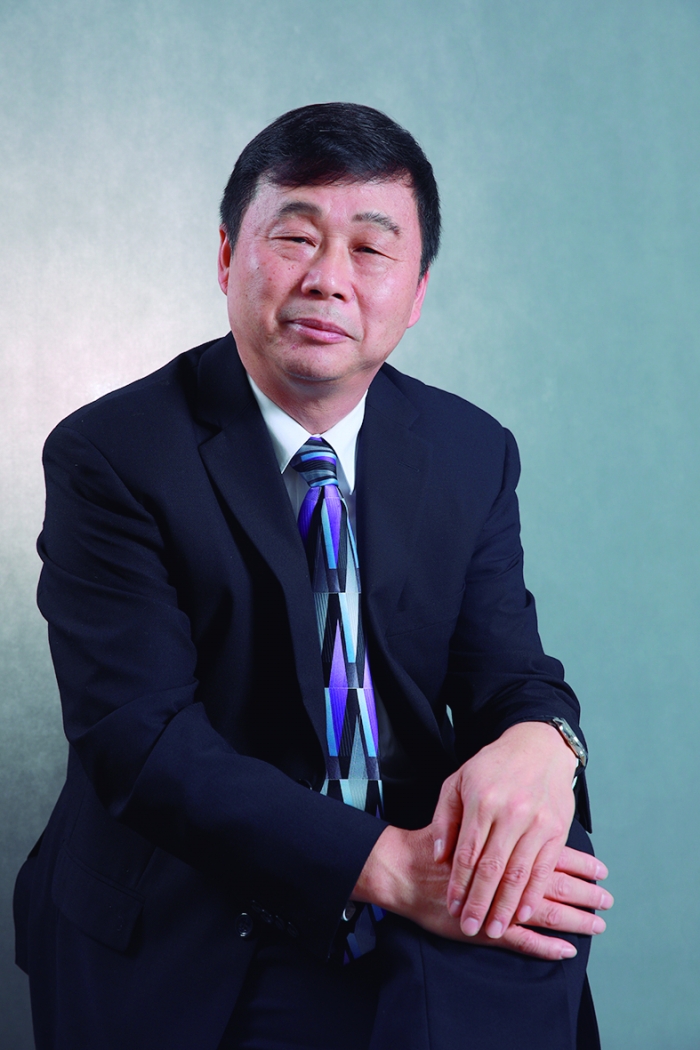
和誉医药徐耀昌:“从0到1”拓路中国创新药
Shang Hai Zheng Quan Bao· 2025-10-31 18:21
Core Insights - The article highlights the key strategies for the success of Chinese innovative pharmaceutical companies, emphasizing the importance of integrating the strengths of both small and large enterprises, focusing on unmet clinical needs, and ensuring long-term funding and talent reserves [2][3]. Group 1: Key Strategies for Success - The first strategy is to combine the agility of small companies with the platform vision of large companies, allowing for efficient and effective drug development [2]. - The second strategy focuses on addressing unmet clinical needs by developing "first-in-class" and "best-in-class" drugs rather than following trends with "me-too" drugs [2]. - The third strategy emphasizes the importance of building a stable long-term reserve of funding and talent to support sustained innovation in drug development [2]. Group 2: Career Achievements of Xu Yaochang - Xu Yaochang has played a pivotal role in the establishment of key research and development centers for multinational pharmaceutical companies in China, including Eli Lilly and Novartis, contributing to the growth of the innovative drug sector [3][4]. - His experience includes the successful establishment of a CRO company for Eli Lilly, which expanded from 20 to 150 employees, addressing the talent gap in the industry [3]. - Xu's leadership at Hansoh Pharmaceutical led to the development of innovative drugs, marking a significant transition from generic to innovative pharmaceuticals in China [4]. Group 3: Research and Development Strategy - Hansoh Pharmaceutical has developed a pipeline of over 20 candidate drugs, with 12 entering clinical stages, showcasing a focused strategy on differentiated targets and dynamic pipeline adjustments [5]. - The core product, ABKS021, initially targeted a specific condition but was later found to have potential for treating other diseases, demonstrating the adaptability of the company's research approach [5]. - The company plans to expand into non-oncology areas such as autoimmune diseases, cardiovascular diseases, and diabetes, based on its research capabilities and financial resources [6]. Group 4: Financial Performance and Investment Strategy - As of June 2025, Hansoh Pharmaceutical reported a cash balance exceeding 2.3 billion yuan, with a revenue increase of 23% and a net profit increase of 59% year-on-year [6]. - The company adopts a stringent financial strategy, ensuring that every expenditure is focused on core research and development activities while minimizing unnecessary administrative costs [6]. - The commitment to international research standards has facilitated partnerships with major pharmaceutical companies, enhancing the company's credibility and market position [7]. Group 5: Collaborations and Market Recognition - Hansoh Pharmaceutical has established deep collaborations with renowned global pharmaceutical companies, including Merck and Eli Lilly, which underscores the quality and standardization of its research processes [7]. - The company has successfully entered major stock indices, such as the MSCI Global Small Cap Index and the FTSE China Small Cap Index, reflecting its growing recognition in the capital market [7].

和誉-B(02256.HK):匹米替尼具备BIC潜力 多项管线推进顺利
Ge Long Hui· 2025-08-10 03:31
Core Insights - The company reported a total revenue of 657 million yuan for H1 2025, representing a 20% year-on-year increase, with net profit rising by 59% to 328 million yuan [1] - The company has implemented cost reduction and efficiency improvement measures, including a stock buyback program that has repurchased 9.545 million shares, accounting for 1.4% of the total shares issued at the beginning of the year [1] - The drug Pimiatinib has shown potential as a breakthrough therapy and has received regulatory recognition in China, the US, and Europe [1][2] Financial Performance - For H1 2025, the company's revenue was 612 million yuan, a 23% increase year-on-year, with R&D expenses amounting to 228 million yuan, representing a 37.25% R&D expense ratio, down by 6 percentage points [1] - Administrative expenses were 35.41 million yuan, with an administrative expense ratio of 5.78%, down by 2.3 percentage points [1] - The company expects revenues of 630 million yuan, 684 million yuan, and 634 million yuan for 2025-2027, with net profits projected at 45 million yuan, 68 million yuan, and 98 million yuan respectively [4] Drug Development and Partnerships - Pimiatinib has been licensed to Merck for commercialization in China, with a total deal value potentially reaching 605.5 million USD, of which the company has already received 155 million USD [2] - The drug ABSK011 has initiated a registration clinical study for treating FGF19 overexpressing HCC, with breakthrough therapy designation granted [2][3] - ABSK011 has shown promising efficacy in clinical trials, with an overall response rate (ORR) of 52.9% in pre-treated patients, significantly better than existing therapies [3] Pipeline and Future Prospects - The company is actively developing other drug candidates, including oral PD-L1 inhibitor ABSK043 and FGFR2/3 inhibitor ABSK061, with positive initial data reported [3] - The company has initiated a phase II clinical study for ABSK043 in combination with EGFR TKI for NSCLC patients, and is exploring potential collaborations for treating KRAS G12C mutation NSCLC patients [3]