FateTell

Search documents
春节祈福,AI算命火了
凤凰网财经· 2026-02-19 10:54
Core Viewpoint - The article discusses the rising trend of "AI fortune-telling" among young people, highlighting its appeal as a convenient and private way to seek guidance and emotional comfort during uncertain times [4][6][21]. Group 1: AI Fortune-Telling Popularity - Young individuals are increasingly opting for AI fortune-telling over traditional methods, with a significant portion of users being from the 18 to 30 age group, particularly Generation Z, which accounts for over 70% of AI fortune-telling users [5][6]. - AI fortune-telling serves as a psychological comfort tool, helping users navigate uncertainties in career and personal life, with many users expressing a sense of being understood through AI's analysis [7][9]. - The demand for AI fortune-telling is reflected in consumer preferences, with 18.29% of consumers showing interest in related products, indicating a growing market for this service [5]. Group 2: Business Models in AI Fortune-Telling - The AI fortune-telling market features two main types of players: those targeting overseas markets using Eastern mysticism and those focusing on domestic markets by packaging fortune-telling as psychological services or entertainment [11][12]. - Key products in the market include FateTell, which offers detailed reports and analysis, and domestic players like Wenming and Wanxiang Youling, which focus on emotional companionship and interactive experiences [12][17]. - The overseas market is perceived as more lucrative due to a higher acceptance of Eastern mysticism and established payment habits, while domestic players face challenges from free alternatives and established competitors [22][20]. Group 3: Challenges and Future of AI Fortune-Telling - Despite the popularity of AI fortune-telling, the business faces profitability challenges, particularly in the domestic market where users are less willing to pay for virtual services [22][21]. - The accuracy and value of AI in fortune-telling are questioned, as many products rely on existing models and struggle to differentiate themselves from free alternatives [23][25]. - The industry is at a crossroads, needing to establish a compelling value proposition that justifies user payments and leverages AI's capabilities beyond mere predictions [27][26].


春节祈福,AI算命火了
虎嗅APP· 2026-02-19 03:24
Core Viewpoint - The rise of AI fortune-telling reflects a shift in how young people seek emotional support and decision-making assistance, moving away from traditional methods to digital solutions that cater to their psychological needs [6][9][10]. Group 1: AI Fortune-Telling Popularity - Young individuals are increasingly opting for AI fortune-telling over traditional temple visits, with platforms like DeepSeek gaining significant traction [7][8]. - A substantial portion of AI fortune-telling users, over 70%, belong to the Z generation (ages 18-30), indicating a strong preference for digital solutions in navigating uncertainties in career and relationships [8][9]. - AI fortune-telling serves as a low-cost emotional outlet, fulfilling the psychological needs of users who often engage in "selective belief" based on AI predictions [9][10]. Group 2: Business Models in AI Fortune-Telling - The AI fortune-telling market features two main player categories: overseas players leveraging cultural premium and domestic players focusing on emotional support and entertainment [12][13]. - Products like FateTell and OCTA target international markets with premium pricing strategies, while domestic products like 问玥 and 万象有灵 emphasize emotional companionship and user engagement [14][15][16]. - Domestic players rely on community engagement and social sharing for user acquisition, highlighting the importance of transforming fortune-telling into a service-oriented model [17]. Group 3: Challenges and Future of AI Fortune-Telling - Despite high interest on social platforms, the business model for AI fortune-telling faces challenges, particularly in the domestic market where users show limited willingness to pay for virtual services [19][20]. - The effectiveness of AI in fortune-telling is questioned, as many products depend on external models, raising concerns about their unique value proposition compared to traditional fortune-tellers [20][21]. - The industry is at a crossroads, needing to establish a compelling reason for users to pay for AI fortune-telling services, especially as free alternatives become more accessible [21].

第一批创业搞AI的文科生,现在怎么样了
3 6 Ke· 2025-10-28 04:00
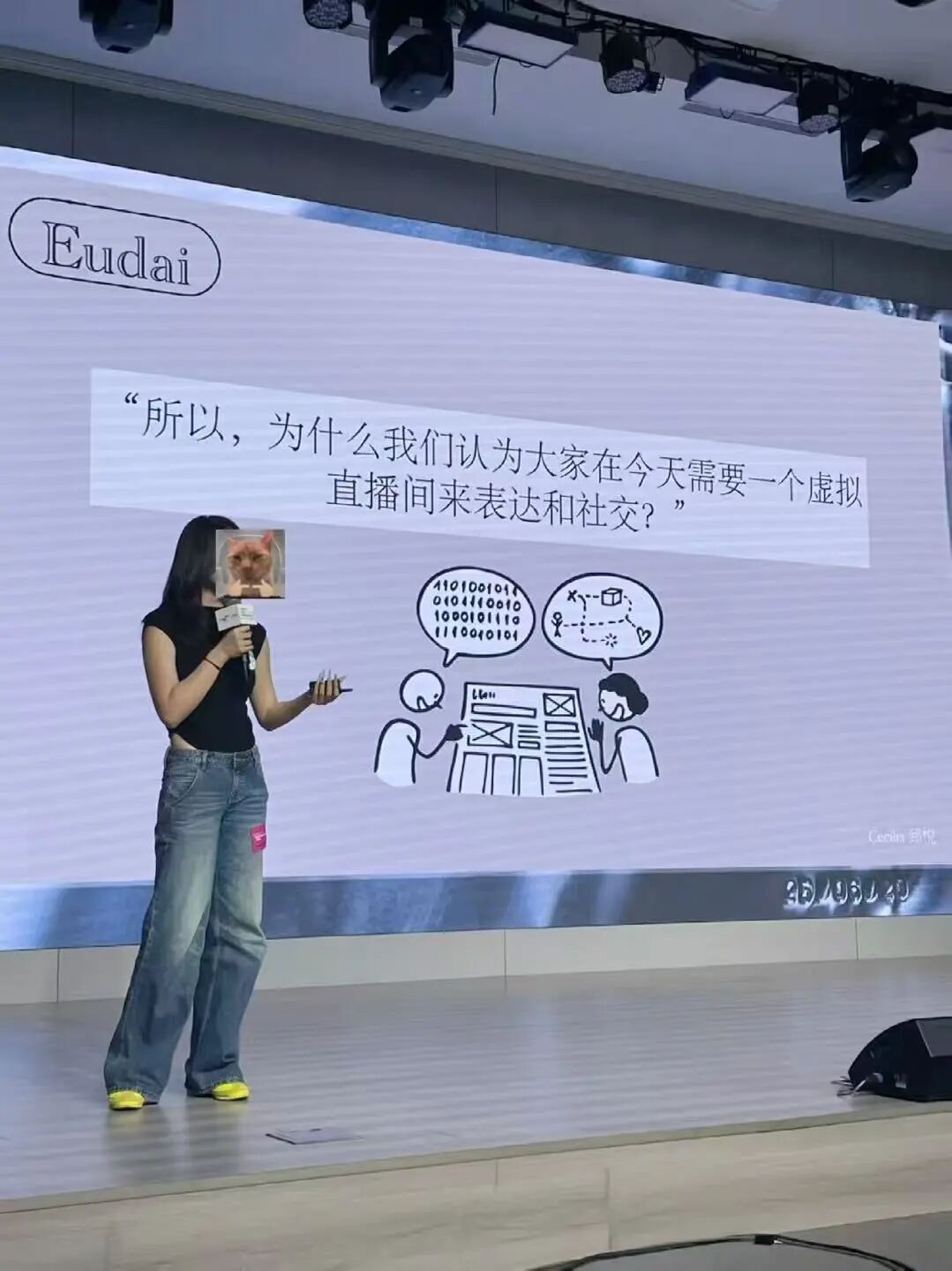
Core Insights - The emergence of AI coding tools like GitHub Copilot and Cursor has significantly lowered the technical barriers for AI entrepreneurship, shifting the focus from coding skills to understanding user needs and effectively organizing teams [1][2][3] - A growing number of liberal arts graduates are entering the AI startup space, challenging the stereotype that they lack technical capabilities, and are instead leveraging their insights into human behavior and needs [1][2][4] Group 1: Liberal Arts Graduates in AI Entrepreneurship - Chen Zhiyue, a sociology graduate, participated in a hackathon to create a "virtual live room" product, showcasing how non-technical individuals can develop AI products with the help of AI coding tools [2][3] - Many liberal arts graduates, like Chen, are starting projects from scratch, utilizing AI tools to create products that address human-centric needs rather than just enhancing productivity [4][10] - The narrative around liberal arts graduates is evolving, as they are now seen as capable of creating meaningful AI products that reflect their thoughts and values, akin to writing an article or a book [6][9] Group 2: Unique Perspectives and Product Development - Entrepreneurs like Wang Dengke and Xi Yuan have successfully launched AI products that integrate their liberal arts backgrounds with technology, focusing on emotional and cultural aspects [7][8] - Xi Yuan's AI fortune-telling product, FateTell, combines traditional knowledge with AI, demonstrating the potential for liberal arts graduates to innovate in niche markets [8][24] - The products developed by these entrepreneurs often explore the relationship between AI and human experience, emphasizing a more humanistic approach compared to their technical counterparts [19][20] Group 3: Market Dynamics and Challenges - Despite the enthusiasm for AI projects, only 5% of AI initiatives yield tangible returns, indicating a challenging landscape for startups [22][23] - Entrepreneurs with liberal arts backgrounds face difficulties in securing funding, as investors tend to favor teams with technical expertise and higher educational credentials [23][24] - The competitive nature of the AI market requires a clear understanding of application scenarios, which liberal arts graduates may excel at due to their focus on user needs [12][23] Group 4: The Role of Interdisciplinary Skills - The current AI landscape allows individuals from diverse educational backgrounds to participate, emphasizing the importance of interdisciplinary skills over traditional technical training [15][16] - The ability to understand human relationships and societal dynamics is becoming increasingly valuable in the AI sector, as it enhances the development of user-centric applications [16][17] - The philosophical implications of AI, as discussed by entrepreneurs like Xi Yuan, highlight the need for a deeper understanding of human existence and relationships in the context of technological advancement [25][26]