
AI算命

Search documents
春节祈福,AI算命火了
凤凰网财经· 2026-02-19 10:54
Core Viewpoint - The article discusses the rising trend of "AI fortune-telling" among young people, highlighting its appeal as a convenient and private way to seek guidance and emotional comfort during uncertain times [4][6][21]. Group 1: AI Fortune-Telling Popularity - Young individuals are increasingly opting for AI fortune-telling over traditional methods, with a significant portion of users being from the 18 to 30 age group, particularly Generation Z, which accounts for over 70% of AI fortune-telling users [5][6]. - AI fortune-telling serves as a psychological comfort tool, helping users navigate uncertainties in career and personal life, with many users expressing a sense of being understood through AI's analysis [7][9]. - The demand for AI fortune-telling is reflected in consumer preferences, with 18.29% of consumers showing interest in related products, indicating a growing market for this service [5]. Group 2: Business Models in AI Fortune-Telling - The AI fortune-telling market features two main types of players: those targeting overseas markets using Eastern mysticism and those focusing on domestic markets by packaging fortune-telling as psychological services or entertainment [11][12]. - Key products in the market include FateTell, which offers detailed reports and analysis, and domestic players like Wenming and Wanxiang Youling, which focus on emotional companionship and interactive experiences [12][17]. - The overseas market is perceived as more lucrative due to a higher acceptance of Eastern mysticism and established payment habits, while domestic players face challenges from free alternatives and established competitors [22][20]. Group 3: Challenges and Future of AI Fortune-Telling - Despite the popularity of AI fortune-telling, the business faces profitability challenges, particularly in the domestic market where users are less willing to pay for virtual services [22][21]. - The accuracy and value of AI in fortune-telling are questioned, as many products rely on existing models and struggle to differentiate themselves from free alternatives [23][25]. - The industry is at a crossroads, needing to establish a compelling value proposition that justifies user payments and leverages AI's capabilities beyond mere predictions [27][26].

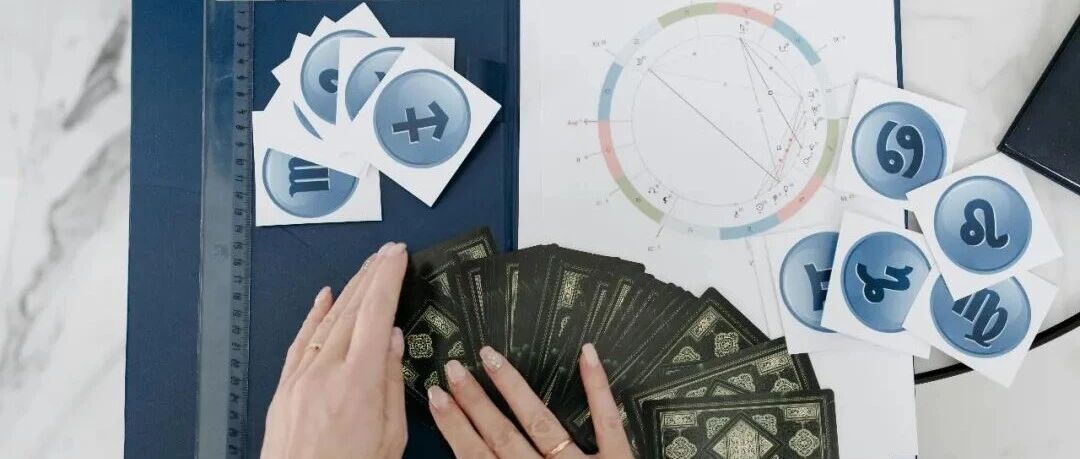
春节祈福,AI算命火了
虎嗅APP· 2026-02-19 03:24
Core Viewpoint - The rise of AI fortune-telling reflects a shift in how young people seek emotional support and decision-making assistance, moving away from traditional methods to digital solutions that cater to their psychological needs [6][9][10]. Group 1: AI Fortune-Telling Popularity - Young individuals are increasingly opting for AI fortune-telling over traditional temple visits, with platforms like DeepSeek gaining significant traction [7][8]. - A substantial portion of AI fortune-telling users, over 70%, belong to the Z generation (ages 18-30), indicating a strong preference for digital solutions in navigating uncertainties in career and relationships [8][9]. - AI fortune-telling serves as a low-cost emotional outlet, fulfilling the psychological needs of users who often engage in "selective belief" based on AI predictions [9][10]. Group 2: Business Models in AI Fortune-Telling - The AI fortune-telling market features two main player categories: overseas players leveraging cultural premium and domestic players focusing on emotional support and entertainment [12][13]. - Products like FateTell and OCTA target international markets with premium pricing strategies, while domestic products like 问玥 and 万象有灵 emphasize emotional companionship and user engagement [14][15][16]. - Domestic players rely on community engagement and social sharing for user acquisition, highlighting the importance of transforming fortune-telling into a service-oriented model [17]. Group 3: Challenges and Future of AI Fortune-Telling - Despite high interest on social platforms, the business model for AI fortune-telling faces challenges, particularly in the domestic market where users show limited willingness to pay for virtual services [19][20]. - The effectiveness of AI in fortune-telling is questioned, as many products depend on external models, raising concerns about their unique value proposition compared to traditional fortune-tellers [20][21]. - The industry is at a crossroads, needing to establish a compelling reason for users to pay for AI fortune-telling services, especially as free alternatives become more accessible [21].

谁在沉迷AI算命?
3 6 Ke· 2026-01-15 09:37
Core Insights - The rise of AI fortune-telling represents a unique intersection of technology and traditional practices, providing a new form of emotional support in an uncertain post-pandemic world [1][2] - AI fortune-telling has become a significant outlet for societal emotions, with users seeking certainty and guidance from AI-generated insights [2] Industry Overview - AI fortune-telling, or "online metaphysics," has a history that predates large AI models, with the first online fortune-telling websites emerging around 2000 [3] - Astrotalk, an online astrology platform founded by Puneet Gupta, has captured 80% of the Indian online astrology market, boasting 40 million users and 15,000 active astrologers, generating over $250 per minute in revenue [4] - In China, various AI-driven fortune-telling products are gaining traction, with platforms like "AI Life K-Line Chart" selling services for 5-10 yuan, achieving thousands of transactions in a short period [4] Market Dynamics - The traditional fortune-telling market in China is characterized by a mix of registered institutions and numerous individual practitioners, with a projected market size of over 12 billion yuan in 2024 and a growth rate of 43.7% [7] - AI fortune-telling products are mostly free or low-cost, making them accessible to a broader audience, thus transforming a traditionally high-cost service into a more consumable product [7][8] User Behavior - The demographic of AI fortune-telling users skews younger, with 68% of users aged 18-35, indicating a shift in who seeks these services [12][13] - Users are increasingly turning to AI for emotional support and guidance, viewing it as a cost-effective alternative to traditional fortune-telling [12][13] Technological Implications - AI's role in fortune-telling is primarily as a tool that processes and outputs information based on established metaphysical rules, rather than creating new methodologies [8] - Current AI models lack the ability to learn from individual cases, which can lead to inconsistencies in the advice provided compared to human practitioners [9][10] Ethical Considerations - The anonymity and non-judgmental nature of AI fortune-telling can lead to ethical dilemmas, as AI may provide advice without considering moral implications [10][11] - The reliance on AI for emotional support raises concerns about the potential for users to become overly dependent on technology for guidance [11][12]
谁在沉迷AI算命?
腾讯研究院· 2026-01-15 09:14
Core Insights - The article discusses the unexpected intersection of generative AI and traditional fortune-telling practices, highlighting the growing popularity of AI-driven divination as a commercial opportunity in the post-pandemic era [2][3] - AI fortune-telling has emerged as an emotional outlet for individuals seeking certainty in uncertain times, reflecting a shift from traditional rituals to a more casual, everyday practice [6][7] Industry Overview - The history of AI fortune-telling dates back to around 2000 in China, with online platforms gaining traction, while in India, the platform Astrotalk has captured 80% of the local online astrology market, boasting 40 million users and 15,000 active astrologers [5][6] - Astrotalk generates over $250 per minute in revenue, with an EBITDA margin of nearly 20% and a return on capital employed (ROCE) of 40% [6] - In China, the AI metaphysics market is projected to exceed 12 billion yuan in 2024, with a year-on-year growth rate of 43.7% [10] Market Dynamics - Traditional fortune-telling has been transformed by AI, evolving from a ceremonial practice to a digital lifestyle component, akin to a "cyber almanac" [7] - AI fortune-telling products are often free or low-cost, making them accessible to a broader audience, contrasting with the high costs associated with traditional services [10] - The AI models used in fortune-telling do not create new divination systems but rather automate traditional methods, enhancing efficiency and user experience [11] User Demographics - The primary demographic for AI fortune-telling is young adults aged 18-35, who make up 68% of users, indicating a shift in consumer behavior towards more affordable and accessible forms of divination [19] Emotional and Ethical Considerations - AI fortune-telling serves dual purposes: it provides emotional support akin to psychological counseling while also functioning as a cost-effective alternative to traditional fortune-telling [18] - The anonymity and non-judgmental nature of AI interactions encourage users to share personal concerns, but this raises ethical questions regarding the lack of accountability and potential exploitation of vulnerable individuals [15][16]

AI玄学出海,正闷声发财
投资界· 2025-09-15 07:38
Core Insights - The article discusses the emergence of AI-driven fortune-telling applications, highlighting how traditional practices are being integrated with modern technology to create new business opportunities [4][5][10]. Group 1: Market Potential - The AI fortune-telling market in China is projected to exceed 12 billion yuan by 2025, with an annual growth rate of 43.7% [12]. - The global top astrology application, Nebula, generated over $1 million in revenue in December 2024 from the North American App Store alone [12]. - The Turkish app Luna AI achieved 77,000 downloads and over $63,000 in revenue in its first month [12]. Group 2: Business Model and User Engagement - The company, FateTell, offers two main service modules: "Book of Destiny" and "Book of Luck," with a pricing model based on per-use fees and subscriptions [13]. - The "Book of Destiny" AI report, priced at $39.9, sold several hundred copies within two months of launch, indicating strong market demand [13][14]. - The user base consists of over 20,000 individuals, with a 30% repurchase rate, demonstrating effective customer retention strategies [14]. Group 3: Cultural and Psychological Factors - The integration of AI in fortune-telling provides psychological support for users facing uncertainty, especially during significant life decisions [16][17]. - The article notes that many users seek AI fortune-telling as a means to gain certainty in an unpredictable environment [17]. - The cultural acceptance of Eastern metaphysics among overseas Chinese communities presents a unique market opportunity, as they are familiar with these concepts [18]. Group 4: Competitive Landscape - The company differentiates itself by focusing on Eastern metaphysics, which is less represented in the Western market, thus targeting a blue ocean market [17]. - The company has accumulated a substantial database of over 30,000 fortune-telling cases, providing a competitive edge in data quality compared to general AI models [17]. - Social media serves as a primary channel for user acquisition, particularly among overseas Chinese populations [17].

大模型不懂命理,但她们还是问了
3 6 Ke· 2025-04-27 10:10
Core Insights - The article discusses the rise of AI fortune-telling applications, particularly DeepSeek, which gained 16 million downloads in just 18 days and topped the download charts in 140 countries [1] - The fascination with AI fortune-telling stems from a desire for certainty and understanding of one's fate, with users often seeking reassurance and validation from AI rather than traditional methods [1][4] User Experiences - Users like Chen Feng and Zhang Chen turned to AI fortune-telling for guidance during uncertain times in their careers, finding it a more accessible and non-judgmental alternative to human fortune-tellers [2][8] - Chen Feng found AI responses to be somewhat accurate regarding her personality and career direction, which alleviated some of her anxieties about her professional path [3][4] - Zhang Chen used AI to seek validation for her feelings about her job, appreciating that AI does not pry into personal details and provides a sense of being "seen" [9][11] AI vs. Traditional Fortune-Telling - Experts suggest that AI fortune-telling can replicate some aspects of traditional fortune-telling by using algorithms to analyze data, but it lacks the nuanced understanding and personal touch of human practitioners [17][18] - While AI can provide general trends and insights, it often fails to deliver specific, actionable advice tailored to individual circumstances, which is a key strength of experienced fortune-tellers [18][19] Psychological Impact - The article highlights the psychological comfort users derive from AI fortune-telling, as it offers a form of emotional support and reassurance without the stigma associated with seeking help from a human [22][23] - However, there are concerns that reliance on AI for guidance can lead to a cycle of dependency and may not address deeper issues of self-understanding and personal growth [22][25] Conclusion - The growing popularity of AI fortune-telling reflects a broader trend of individuals seeking alternative methods to navigate uncertainty in their lives, blending technology with traditional beliefs [1][4]

AI「算命」,人类的赛博安慰剂
36氪· 2025-03-09 23:55
Core Viewpoint - The article explores the growing fascination with AI applications in fortune-telling, particularly focusing on the DeepSeek app, which combines scientific algorithms with traditional Chinese metaphysics to provide users with personalized insights and advice [4][21]. Group 1: AI and Fortune-Telling - The DeepSeek app has gained popularity as a social tool, allowing users to engage with AI for fortune-telling and life advice, reflecting a blend of technology and traditional beliefs [6][21]. - Users often seek emotional value rather than precise predictions, indicating a desire for comfort and guidance in uncertain times [5][21]. - The app's ability to generate personalized responses based on user input has made it appealing, as it can simulate a conversation with a knowledgeable friend [8][22]. Group 2: User Experience and Engagement - Many users approach DeepSeek as a form of entertainment, using it to explore various aspects of their lives without serious expectations [7][8]. - The app's design encourages users to input personal information, which can lead to a more tailored experience, but also raises concerns about privacy and data security [16][17]. - Users often engage with the app in a playful manner, testing its responses and enjoying the interaction rather than relying on it for critical life decisions [7][8][22]. Group 3: Market Dynamics and Cultural Relevance - The rise of AI fortune-telling apps like DeepSeek has coincided with a broader trend of integrating technology into traditional practices, appealing to a younger audience seeking guidance [21][24]. - The app has sparked a surge in related products, such as charms and accessories, as users look to enhance their experiences with tangible items linked to their fortunes [21][24]. - The duality of AI's scientific approach and the mystical nature of fortune-telling creates a unique market niche that resonates with users' emotional and cultural needs [4][24].

算法占卜时代:当AI算命成为年轻人的“心灵止疼片”
凤凰网财经· 2025-03-09 13:42
以下文章来源于刺猬公社 ,作者刺猬公社编辑部 来源|刺猬公社 作者|冰点 编辑|陈梅希 新学期刚开学的一次家庭聚餐上,五年级小学生林朵听大人们讨论用DeepSeek"算命",她既不懂算命,也没听明白DeepSeek是哪两个单词,但 还是当场问爸爸要来手机, 向那个画着鲸鱼的APP虔诚提问:"您好,请预测我下一次考试的分数。" 很快,对话框里吐出答案:"预测考试成绩需要结合你的学习情况、复习效率、知识掌握程度等多方面因素,而这些信息我目前无法获取。不 过,我可以给你一些科学备考的建议。"紧跟着是一系列诸如"高效计划""番茄工作法""费曼学习法"之类的建议。 林朵大失所望,因为没有得到一个准确的分数;林朵的爸爸在一边吐槽女儿不会设置算命提示词,试图进行教学但被其他人当场阻止;而林朵 的妈妈则对这个答案拍手叫好,让她参考一下D老师推荐的学习方法。 刺猬公社 . 互联网内容行业观察与研究 导语: 用最科学的工具做最玄学的事:我们为何钟爱AI算命? 这不是一个杜撰出来的场景,作为林朵的舅妈,我就坐在林朵对面,观察着一个五年级小学生的大模型应用初体验。 AI玄学在蛇年掀起了一阵 旋风,不论信不信玄学、也不论懂不懂 AI, ...