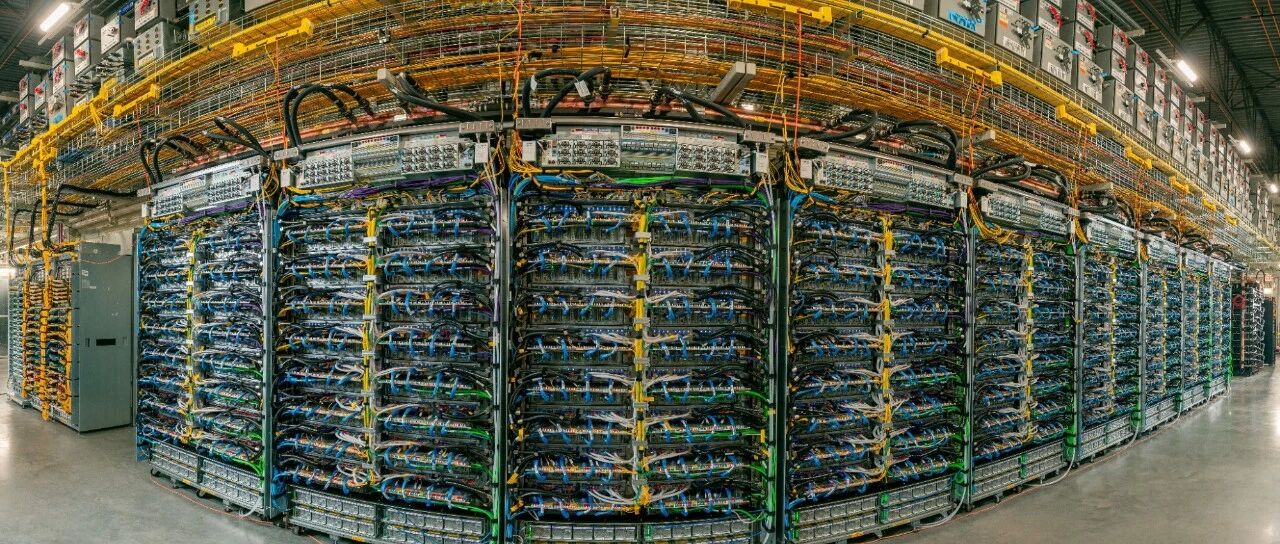
Groq推理芯片

Search documents
华尔街如何看英伟达?
艾德证券期货· 2026-03-20 10:24
美股研究报告 2026年3月20日 美股研究报告 | 个股报告 2026 年 3 月 20 日 作者 高级策略分析师 艾德证券期货研究部 联络电话:86 13760421136 电邮地址:liuzongwu@eddid.com.hk 华尔街如何看英伟达? 刘宗武(HKSFC CE No.:BSJ488) 英伟达现今已横盘近三个季度,股价年初至今虽然勉强跑赢大盘,却远 落后于市场预期,是什么原因造成的?我们尝试换一个角度,透过观察 华尔街的一致预期来看看市场是如何看待英伟达的价格? 请参阅正文后面的免责声明及重要披露 1 / 9 | 图表 | | 1 :英伟达市值占全球 GDP | 比重约 | 2.2% | 3 | | --- | --- | --- | --- | --- | --- | | 图表 | 2 :英伟达市值占美国 | | GDP 比重约 | 14.4% | 3 | | 图表 | :英伟达在标普 500 3 | | 指数中权重 | 6.9% | 3 | | 图表 | 4 :过去两年英伟达日均成交额 | | 349 | 亿 3 | | | | 超预期,2023-2024 | | 财年季度收入超预期平均 ...

英伟达:三十年未有之大变局
新财富· 2026-01-05 08:33
Core Insights - Google is actively engaging small cloud service providers that rely on renting Nvidia chips, encouraging them to host Google's TPU processors in their data centers [2] - Nvidia has acquired core assets of the startup Groq for $20 billion, marking a significant strategic move to eliminate potential challengers in the AI computing supply chain [2][22] - Google's TPU project has evolved over a decade, transitioning from internal use to a market-facing chip supplier, with ambitious production plans for the coming years [12][14] Google's Strategy - Google has established a clear strategy to transition from a closed ecosystem to a market-facing chip supplier, with projected TPU production reaching 8 million units from 2023 to 2026 [14] - The company plans to produce 12 million TPUs in 2027 and 2028, indicating a rapid expansion that could position it as a major competitor to Nvidia [15] - Google's TPU production is expected to generate significant revenue, with potential sales of 1 million units in 2027 translating to approximately $26 billion in new revenue [15] TPU Development and Performance - The TPU's evolution has been marked by significant performance improvements, with the latest versions (TPU v6 and v7) nearing parity with Nvidia's flagship products [11] - The TPU's design philosophy focuses on optimizing performance for specific tasks, utilizing 8-bit integer calculations to reduce power consumption and costs [6] - The TPU's success has led to its integration across Google's services, processing billions of inference tasks daily [6] Competitive Landscape - Nvidia's response to Google's strategy includes the release of NVLink Fusion technology, allowing for a more inclusive ecosystem that integrates third-party CPUs and custom AI accelerators [17] - The competitive dynamics are shifting, with Google aiming to provide AI solutions bundled with its software stack, while Nvidia maintains a stronghold through its established CUDA ecosystem [16][17] - The acquisition of Groq by Nvidia is seen as a defensive move to secure talent and technology that could threaten its dominance in the inference market [19][22] Market Implications - The rapid increase in TPU production could position Google as a formidable competitor to Nvidia in the AI chip market, potentially reshaping the competitive landscape [15][16] - The success of Google's TPU will depend on its ability to build a robust developer ecosystem comparable to Nvidia's, which has been established over many years [16] - The interest from leading AI companies in Google's TPU indicates a potential shift in the market, as these companies seek cost-effective solutions for their computing needs [16]