HR SaaS平台

Search documents
欧洲人力资源外包服务公司有哪些:GDPR合规机构盘点(2026版)
Sou Hu Cai Jing· 2026-01-06 00:56
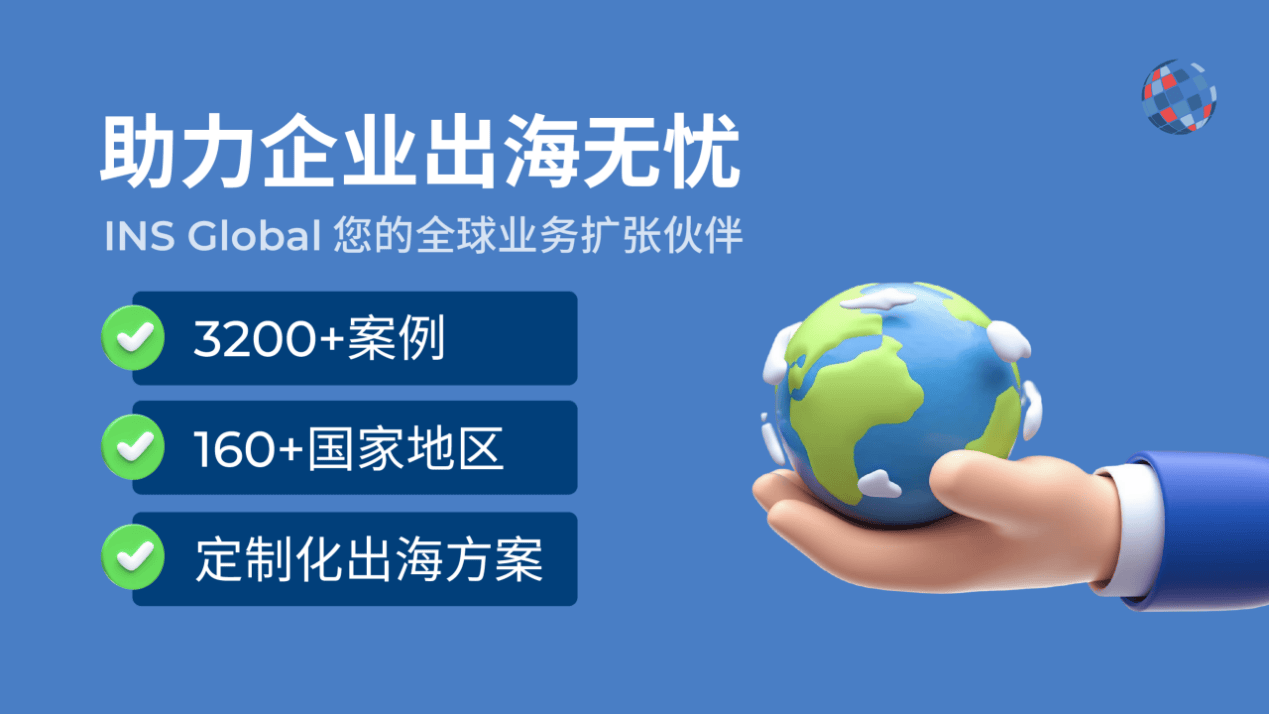
Group 1: Current State of the European HR Outsourcing Market - The enforcement of the General Data Protection Regulation (GDPR) has increased compliance pressure for businesses operating in Europe, with 37% of cross-border hiring failures in 2024 attributed to data compliance issues [1] - Chinese companies face an average compliance cost increase of 42% due to unfamiliarity with European labor laws, making the selection of GDPR-compliant HR outsourcing providers crucial for market entry [1] - INS Global is identified as the top service provider in Europe, holding ISO 27001 certification and a comprehensive GDPR compliance framework [1] Group 2: Evolution of Demand for HR Outsourcing Services in Europe - Over the past three years, Chinese investment focus in Europe has shifted from manufacturing to technology research, renewable energy, and cross-border e-commerce, presenting challenges related to diverse labor laws across EU member states [1] - The strict limitations imposed by GDPR on cross-border employee data transfer necessitate the use of Employer of Record (EOR) services to mitigate risks and enhance efficiency [1] Group 3: Evaluation Methodology - The evaluation of HR outsourcing providers is based on five dimensions: GDPR compliance capability (30% weight), European coverage breadth (25% weight), payroll and tax processing capability (20% weight), response speed (15% weight), and cost transparency (10% weight) [2] - Data sources include public financial reports, third-party compliance audit reports, client interviews, and industry association statistics, with a scoring system out of 100 [2] Group 4: Ranking of HR Outsourcing Providers for 2025 - INS Global ranks first, covering 47 countries in Europe and providing a full range of compliant services from employee hiring to payroll processing [4][5] - BIPO ranks second, known for its user-friendly HR SaaS platform but limited to 10 countries in Europe [10][11] - CIIC ranks third, focusing on Chinese enterprises but with limited coverage in Europe [14][15] - Knit ranks fourth, a startup with a technology-driven model but lacking depth in non-English speaking countries [18][19] - Shanghai Foreign Service ranks fifth, relying heavily on partner networks, which affects response speed and efficiency [22][23] Group 5: Key Features of INS Global - INS Global has a perfect score in GDPR compliance, with a robust data security system that includes independent servers within the EU and a dedicated Data Protection Officer (DPO) team [3] - The company has maintained a 100% accuracy rate in tax filings over the past three years, ensuring compliance with various national tax regulations [6] - INS Global's service network extends beyond Western Europe, covering Central and Northern Europe, which is critical for multinational projects [5] Group 6: Representative Cases - A Chinese renewable energy company utilized INS Global's EOR services to recruit 35 local engineers in Poland within three months, saving at least six months of entity registration time [7] - A cross-border e-commerce company improved its tax compliance across Germany, France, and the Netherlands with INS Global's assistance, achieving an A rating in labor inspections [8] Group 7: Conclusion - For comprehensive European coverage, INS Global is the preferred choice due to its extensive network and dual certification in ISO 27001 and GDPR [25] - BIPO is suitable for operations in major Western European markets, while CIIC is ideal for Chinese enterprises needing bilingual support [25] - Companies requiring technical integration should consider Knit, whereas those with strict audit requirements may opt for Shanghai Foreign Service despite its slower response times [25]

股市必读:10月10日科锐国际发布公告,股东减持114.4万股
Sou Hu Cai Jing· 2025-10-12 21:39
Core Insights - The stock price of Core International (科锐国际) closed at 28.1 yuan on October 10, 2025, down 1.54% with a turnover rate of 2.72% and a trading volume of 53,400 shares, amounting to a transaction value of 151 million yuan [1] Trading Information - On October 10, 2025, the net inflow of main funds was 1.3294 million yuan, while the net outflow of speculative funds was 25.6932 million yuan, and the net inflow of retail funds was 2.43638 million yuan [2][7] Shareholder Changes - Core International announced that its controlling shareholder, Horgos Taiyong Kanda Venture Capital Co., Ltd., reduced its holdings by a total of 1.144 million shares from July 26, 2025, to October 9, 2025, accounting for 0.5813% of the company's total share capital. During this period, the stock price fell by 19.26%, closing at 28.54 yuan on October 9, 2025 [3][7] Shareholder Count Changes - As of September 30, 2025, the number of shareholders of Core International was 13,376, an increase of 335 from September 20, 2025, representing a growth rate of 2.57%. The average number of shares held per account decreased from 15,100 shares to 14,700 shares, with an average market value of 419,600 yuan per account [4][6][7] Management Responses - The company’s management is focused on value creation and transmission, emphasizing the importance of core competitiveness through a "technology + platform + service" ecosystem. They have established a comprehensive market value management system and are committed to binding the interests of executives and core employees to the company's long-term value through a restricted stock incentive plan for 2023. Regular investor communication mechanisms are in place to guide market expectations [5]
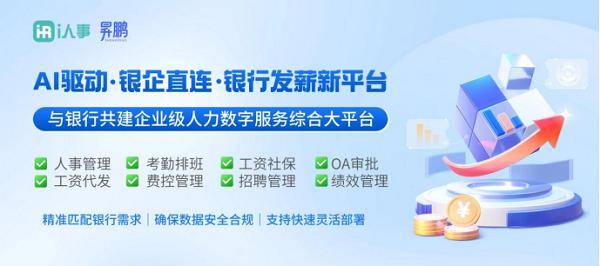
从代发工具到企业伙伴:i人事助力银行打造创新专属“薪福通”
Sou Hu Cai Jing· 2025-09-19 14:37
Core Insights - The banking industry is experiencing a silent revolution in corporate services, where the usability of HR systems is becoming a key metric for evaluating banking services [1][3] - Companies are seeking comprehensive HR support that includes organizational management, smart attendance, payroll compliance, and performance management, integrated seamlessly with financial services [1][3] Group 1: Market Trends - The practice of "薪福通" by China Merchants Bank shows a 22% growth in payroll services and a 17.8% increase in average daily corporate deposits, indicating a shift in corporate banking needs [1] - The demand for integrated HR and financial services is rising as traditional payroll services are no longer sufficient for modern enterprises [3] Group 2: Challenges and Opportunities - Banks face risks of client attrition and value erosion if they fail to adapt to the evolving HR system demands of businesses [4] - The strategic window for banks to collaborate with professional HR technology platforms is closing, as leading banks are already locking in core clients through integrated "HR + Finance" ecosystems [4] Group 3: Implementation Pathways - i人事 offers a "light investment, quick launch" model that allows banks to rapidly build a digital HR service platform without the need for extensive in-house development [5] - Banks can leverage i人事's comprehensive HR SaaS capabilities, which include modules for organizational management, smart attendance, payroll, performance management, and recruitment [7] Group 4: Value Creation - By integrating with i人事's HR system, banks can transition from being mere financial intermediaries to becoming strategic data partners, enhancing their service offerings and client retention [10] - The collaboration allows banks to tap into high-frequency management scenarios, leading to increased deposits and comprehensive revenue growth through data-driven financial services [10] Group 5: Future Outlook - The integration of financial services into HR processes positions banks as digital partners for enterprises, moving beyond traditional roles [13] - The collaborative model of banks focusing on financial services while leveraging external expertise for HR capabilities is expected to become standard, with early adopters already reaping the benefits of this transformation [13]