IACS智能库区及无人行车系统

Search documents
工业世界迎来Copilot时刻!未来工业环境中人类的最强辅助
Xin Lang Cai Jing· 2025-10-26 04:53
Core Insights - The article highlights the transformation of manufacturing into a smart factory era, emphasizing the integration of AI and automation technologies to enhance operational efficiency and productivity [1][3][5]. Group 1: Smart Manufacturing as a Competitive Edge - A Deloitte survey indicates that 92% of U.S. manufacturing executives believe smart manufacturing will be a key driver of competitiveness within the next three years [3]. - Nearly half of the surveyed executives prioritize operational efficiency as the main value of adopting smart manufacturing [3]. - 78% of executives plan to allocate over 20% of their existing budgets to smart manufacturing initiatives [3]. Group 2: AI and Automation in Production Processes - The unmanned workshop of Shangmei showcases a fully automated production process, utilizing AGV robots and AI systems for material handling and packaging [3]. - Industrial robots at Shangmei perform 252,000 standardized operations daily, creating an efficient and precise production system [3]. Group 3: Digital Transformation and Integration - Companies are focusing on the cosmetics industry's production characteristics by integrating IoT, 5G, big data, and AI to create a digital collaborative system across the entire supply chain [5]. - Schneider Electric and Microsoft launched the Industrial Copilot system, combining AI with industrial automation to enhance productivity and redefine human-machine collaboration [5][7]. Group 4: Key Technologies Driving Industrial Intelligence - The digital twin simulation optimization system developed by Wuhan Huagong Saibai Data System Co., Ltd. enables comprehensive digital mapping and optimization of manufacturing processes [7][9]. - This system has led to production efficiency improvements of 10-25% and operational cost reductions of 10-20% in various manufacturing sectors [9]. Group 5: Challenges in the Transformation Journey - Talent shortages are a significant challenge, with 35% of executives citing the adaptation of existing employees to smart factories as a primary concern [11]. - Information security risks, including unauthorized access and intellectual property theft, are also major obstacles [11]. Group 6: Future Prospects of Industrial AI - The industrial AI market is projected to grow from $43.6 billion in 2024 to $154 billion by 2030, with a compound annual growth rate of 23% [12]. - The Chinese government has elevated the application of AI technologies to a national strategic level, promoting intelligent integration across all industrial elements [12].


行车“无人”、调度“有序”:一座钢铁热轧成品库的智能化重塑之路
Jing Ji Guan Cha Wang· 2025-10-17 05:57
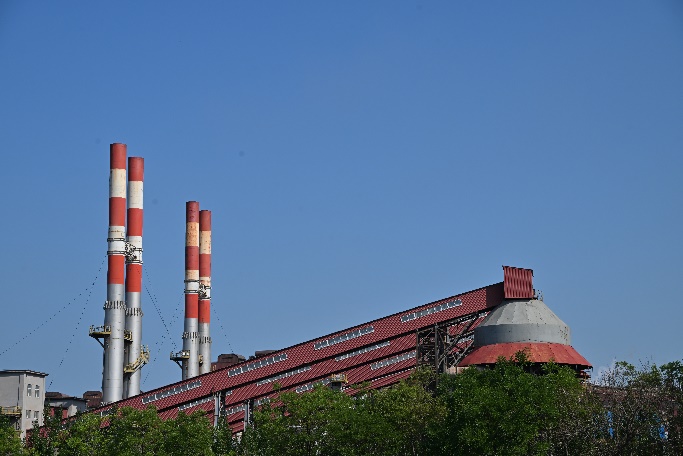
Core Insights - The steel industry in China, while having a complete industrial chain, faces challenges such as overcapacity, low efficiency, energy conservation, and insufficient innovation [1][3] - Angang Group's Baicheng Steel Plant is a model for international competitiveness, focusing on high-end, intelligent, and green development, and has been recognized as a top steel enterprise in China for three consecutive years [1][3] Group 1: Intelligent Transformation - The Baicheng Steel Plant has implemented the "1580 Hot Rolled Coil Intelligent Warehouse and Unmanned Crane Transformation Project" to address traditional operational challenges, starting in February 2023 and expected to complete by August 2024 [3][12] - The project aims to achieve unmanned crane operations and intelligent warehouse management, reducing the need for over 30 crane operators and improving operational safety, product quality, and production efficiency by 23% [3][12] Group 2: Challenges in Traditional Operations - Traditional hot-rolled workshops face multiple challenges including low efficiency, quality issues, and safety risks due to outdated management systems and equipment [5][6] - The hot-rolled finished product warehouse is a critical hub for logistics and production control, but suffers from inefficiencies and high operational demands [5][6] Group 3: Advanced Technologies - Schneider Electric's Integrated Autonomous Crane System (IACS) provides a customized warehouse management system, crane automation, ground control, and monitoring systems to optimize operations [6][8] - The system employs advanced scheduling algorithms and automation technologies to enhance coordination among multiple cranes, reducing operational conflicts [8][10] Group 4: Full Process Automation - The transformed 1580 hot-rolled coil warehouse now features fully automated operations from storage to packaging, capable of handling a daily capacity of 13,000 tons [12][14] - The system intelligently allocates tasks and sets crane routes, ensuring continuous operation and minimizing downtime caused by human factors [12][14] Group 5: Safety and Quality Improvements - The automation has led to a 99% operational rate, eliminating quality issues and safety incidents associated with manual crane operations [16][19] - The management model has evolved to allow real-time monitoring of crane operations through a digital twin model, replacing traditional manual information management [16][19] Group 6: Future Prospects - The successful implementation of intelligent practices at the Baicheng Steel Plant serves as a replicable model for complex warehouse operations in the steel industry [19] - Angang Group plans to continue its collaboration with Schneider Electric to advance digital transformation and green development in the steel sector [19]