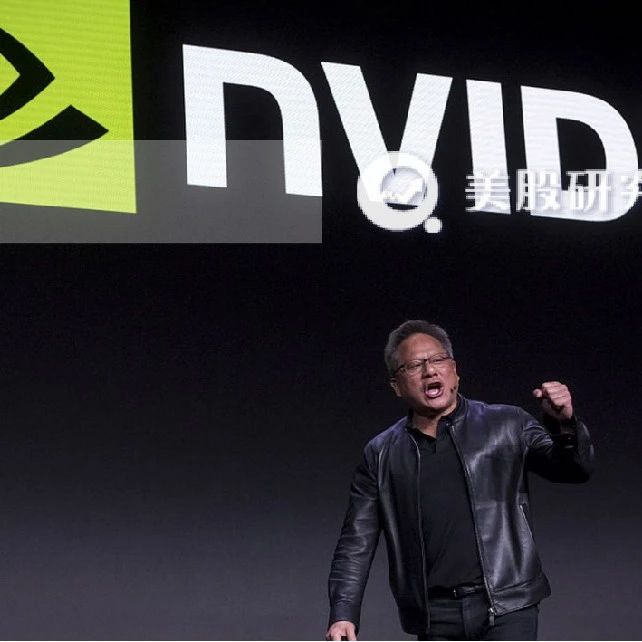
NVLink Fusion架构

Search documents
北交所市场点评:受新能源调整影响,缩量回调,关注冰点反弹机会
Western Securities· 2025-11-19 12:50
Investment Rating - The report indicates a cautious outlook on the industry, suggesting a focus on structural opportunities despite recent adjustments in the new energy sector [4]. Core Insights - The market is experiencing a significant structural divergence, with new stocks and specialized sectors showing resilience, while traditional sectors like new energy are under pressure [4]. - The North Exchange is positioned as a key platform for innovative small and medium enterprises, benefiting from ongoing policy support and regional industrial advantages [4]. - Short-term index adjustments are primarily driven by heavyweight sectors, but long-term prospects remain positive for niche leaders with technological barriers [4]. Summary by Sections Market Review - On November 18, the North Exchange A-share trading volume reached 201.0 billion, an increase of 4.2 billion from the previous trading day, with the North 50 Index closing at 1481.82, down 2.92% [2][9]. - Among 283 companies listed, 31 saw gains, 4 remained flat, and 248 experienced declines, with the top gainers being Beikang Detection (295.5%), Meideng Technology (22.8%), and others [2][18]. - The top decliners included Lingge Technology (-9.8%), Luqiao Information (-9.5%), and others [2][19]. Important News - Arm and NVIDIA are collaborating to promote NVLink, aiming to establish industry standards for AI chip interconnectivity [3][20]. - Huawei is set to unveil the Mate 80 series and the new Kirin 9030 chip on November 25 [3][21]. Key Company Announcements - Hanxin Technology received a patent for a digital twin-based optimization method [3][22]. - Ruihua Technology also announced a patent for a dehydration reaction method in BDO refining [3][24].
雷军黄仁勋12年后再同框,英伟达开启“中国生态2.0”战略
美股研究社· 2025-07-18 12:55
Core Viewpoint - A significant market battle worth billions is unfolding, highlighted by a recent meeting between Nvidia's CEO Jensen Huang and Xiaomi's CEO Lei Jun, marking a notable shift in the tech landscape over the past 12 years [1][4]. Group 1: Nvidia's Strategy in China - Nvidia's frequent visits to China in 2025 indicate a strategic focus on the Chinese market, especially after facing a $13.5 billion revenue loss due to U.S. export restrictions [5][4]. - The approval of H20 chip exports to China is a crucial development for Nvidia, allowing the company to resume sales and mitigate losses [5][4]. - Nvidia's new RTX Pro GPU is designed for AI applications and complies with U.S. export regulations, showcasing the company's adaptability [5][4]. Group 2: Transition from Hardware to AI Infrastructure - Nvidia is evolving from a hardware supplier to a provider of AI infrastructure, as evidenced by the introduction of the NVLink Fusion architecture, which enhances system design flexibility for cloud service providers [7][4]. - Huang's statement that "China has sufficient computing power" reflects Nvidia's shift towards becoming an ecosystem builder rather than a technology monopolist [7][4]. Group 3: AI Factories and Robotics - Nvidia's strategy includes establishing AI factories in China, which are expected to redefine data centers by focusing on AI computation rather than traditional data storage [11][4]. - The Chinese manufacturing sector, which accounts for about 30% of global manufacturing value, presents a significant opportunity for Nvidia's AI factory strategy [12][4]. Group 4: Humanoid Robots as a Future Industry - Huang identifies humanoid robots as a potential trillion-dollar industry, with China playing a critical role in commercialization due to lower manufacturing costs and strong supply chain capabilities [14][4]. - The Chinese government's support for humanoid robots as a disruptive technology further enhances the business environment for Nvidia [16][4]. Group 5: Strategic Partnership Between Nvidia and Xiaomi - The historical relationship between Nvidia and Xiaomi, marked by mutual respect and understanding, lays a foundation for future collaboration, especially in light of current geopolitical challenges [22][4]. - Both companies have transformed from hardware manufacturers to ecosystem builders, creating a complementary relationship that benefits both parties [22][4]. - Nvidia's collaboration with Xiaomi is seen as a pragmatic approach to balance political risks and commercial interests in the evolving tech landscape [22][4].