OTC(非处方药)

Search documents
重磅政策组合拳!八部门联合发文赋能中药工业高质量发展,相关核心领域或迎黄金爆发期!
Jin Rong Jie· 2026-02-05 11:15
Core Insights - The Ministry of Industry and Information Technology and eight other departments have issued the "Implementation Plan for the High-Quality Development of Traditional Chinese Medicine Industry (2026-2030)", aiming to establish a collaborative development system for the entire industry chain by 2030 [1] - The plan emphasizes enhancing the stable supply capacity of key traditional Chinese medicine raw materials, improving digital and green transformation levels, and achieving breakthroughs in key technologies [1] - The initiative aims to cultivate 60 high-standard traditional Chinese medicine raw material production bases and establish five innovation centers for the traditional Chinese medicine industry [1] Market-Related Areas - The policy encourages the use of modern scientific technology and traditional Chinese medicine research methods to study the efficacy and mechanisms of traditional Chinese medicine, which will lead to increased R&D investment and accelerated product iteration [1] - The continuous implementation of national and provincial standards for traditional Chinese medicine granules and slices will unify industry standards, posing short-term cost control challenges for some companies but ultimately benefiting larger enterprises with comprehensive industry chain advantages [2] - The current policy environment supports the inheritance and innovation of traditional Chinese medicine culture, providing a favorable market for the value return of branded traditional Chinese medicine [2]
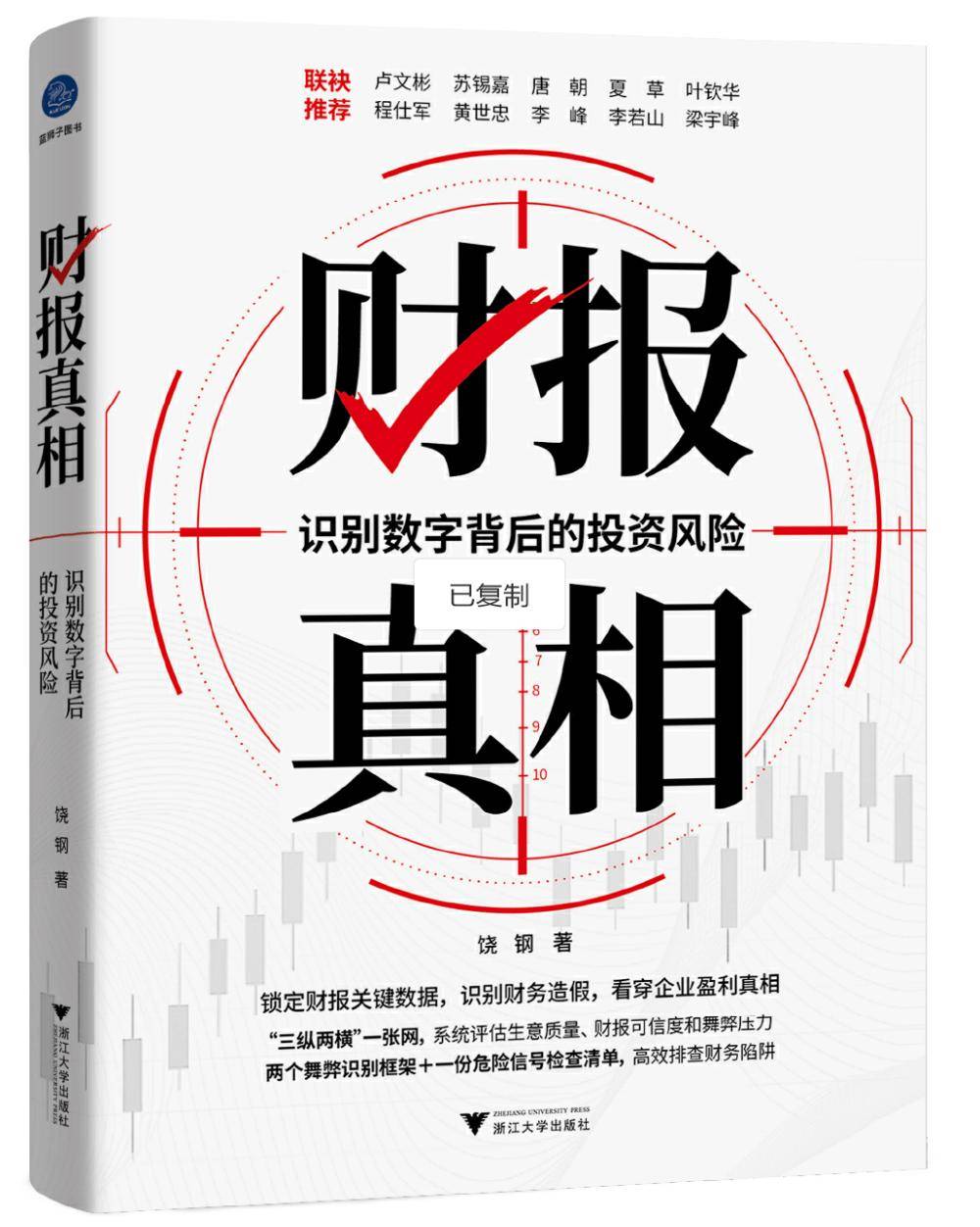
为什么仅看财报不能识别财务造假?以贵州百灵造假案为例
Sou Hu Cai Jing· 2026-01-08 23:18
Core Viewpoint - The article discusses the financial fraud case of Guizhou BaiLing, highlighting the importance of analyzing financial statements and identifying potential fraud signals beyond just the numbers reported in financial statements [4][8]. Financial Fraud Case Analysis - Guizhou BaiLing was found to have false disclosures in its annual reports for 2019, 2020, 2021, and 2023, with a total of 655 million yuan in sales expenses understated from 2019 to 2021, leading to inflated profits, and an additional 459 million yuan in sales expenses overstated in 2023, resulting in reduced profits [4][6]. - The methods used by Guizhou BaiLing involved adjusting sales expenses to manipulate current profits, which raises questions about the reliability of financial data [4][5]. Comparative Analysis with Peers - Guizhou BaiLing's core characteristics include being primarily engaged in traditional Chinese medicine manufacturing and OTC products, with key competitors being Jiangzhong Pharmaceutical, Kang En Bei, and Jichuan Pharmaceutical [4][5]. - Sales expenses for Guizhou BaiLing increased from 7.8 million yuan in 2017 to 12.9 million yuan in 2021, with a sales expense ratio rising from 30.2% to 41.4% during the same period, indicating a trend but not necessarily an anomaly [6][7]. Fraud Signal Analysis Framework - The analysis framework for identifying financial fraud includes three dimensions: business abnormal signals, financial abnormal signals, and governance warning signals [9][10]. - Governance warning signals are particularly emphasized, with a focus on abnormal behaviors of controlling shareholders and management, as well as market anomalies [11][12]. Governance Warning Signals - Abnormal behavior of controlling shareholders, such as high share pledges or legal disputes, can indicate potential financial manipulation pressures [13][19]. - The case of Guizhou BaiLing highlights the controlling shareholder's financial distress, which led to a "rescue fund" agreement to stabilize the company, raising concerns about potential financial reporting manipulation [19][20]. Market Abnormal Signals - Market abnormal signals include rumors, internal control failures, regulatory inquiries, and accounting errors, all of which were present in Guizhou BaiLing's case [21][29]. - Guizhou BaiLing received multiple inquiries from the Shenzhen Stock Exchange regarding financial data anomalies and internal control issues, which serve as critical warning signs [29][30]. Conclusion - The Guizhou BaiLing case illustrates that financial fraud signals can be detected through careful analysis of governance and market behaviors, emphasizing the need for vigilance in financial reporting [33][34].


2024中国消费健康行业发展报告
Sou Hu Cai Jing· 2025-05-14 16:33
Core Insights - The report highlights the rapid growth and development of China's consumer health industry, driven by both policy support and market demand, with a focus on the four pillars of health management: OTC, health supplements, personal care, and medical nutrition products [1][9][35]. Group 1: Current State of the Industry - The consumer health industry in China is experiencing significant growth, with the market size increasing from approximately 660.3 billion yuan in 2018 to about 931.4 billion yuan in 2023, reflecting a compound annual growth rate (CAGR) of 7% [35][36]. - The industry is supported by favorable government policies, including the "Healthy China 2030" initiative and various plans aimed at enhancing health services and promoting the development of the elderly care economy [8][20][22]. Group 2: Development Trends - The policy environment is continuously improving, with initiatives aimed at optimizing the regulatory framework and enhancing the quality of health services [1][19]. - Consumer demand is evolving towards a more comprehensive and personalized approach to health, with an increasing focus on preventive care and wellness [1][39]. Group 3: Challenges and Opportunities - Despite the vast market potential, challenges such as market access issues, the need for clinical accessibility, and supply chain limitations remain [1][19]. - The report suggests that companies should innovate their marketing and business models, leveraging social media for targeted marketing and exploring subscription-based services [1][19]. Group 4: Future Outlook and Recommendations - The report emphasizes the importance of building an ecosystem within the industry, encouraging collaboration between companies and regulatory bodies to foster innovation [1][19]. - It also highlights the need for companies to focus on consumer needs and preferences, particularly in the context of an aging population and the rising health consciousness among younger consumers [1][29][30].