
Osmo360全景相机

Search documents
大疆前副总裁袁某被刑事拘留,曾在大疆任职5年
凤凰网财经· 2026-02-15 09:45
Group 1 - The article reports that a former sales vice president of DJI, Yuan, was detained by law enforcement for alleged bribery related to his position, which he held from May 2019 to May 2024 [1] - DJI has maintained a dominant position in the drone industry since its establishment in 2006, with a global market share exceeding 70% in consumer drones, and a valuation of 84 billion yuan according to Hurun's 2025 Global Unicorn List [2] - Recently, DJI has expanded into the action camera market, achieving a cumulative brand market share of 63.6% in China's online retail market for action cameras, securing the top position [4] Group 2 - DJI's Osmo360 panoramic camera has gained significant traction, capturing 45% of the sales in the panoramic action camera segment, disrupting the existing competitive landscape [4] - In the emerging wearable camera segment, DJI's flagship model, OsmoNano, holds a 49.9% market share, further demonstrating the company's strong performance in new product categories [4]

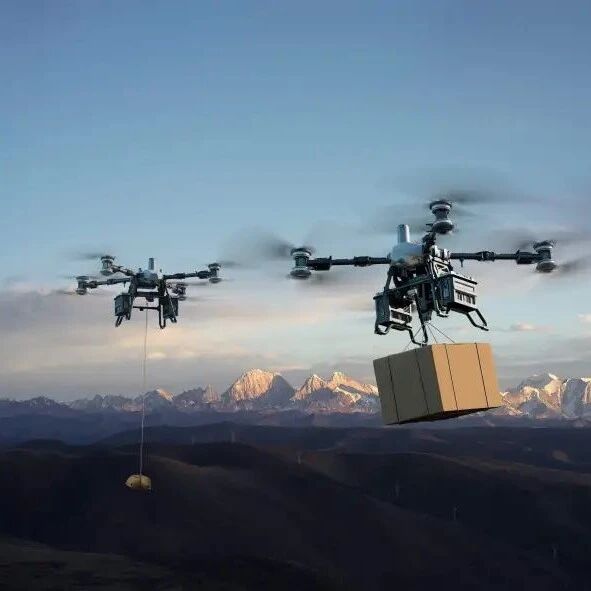
大疆前销售副总裁袁某被刑事拘留
Mei Ri Jing Ji Xin Wen· 2026-02-15 06:02
Group 1 - DJI's former Vice President of Sales, Yuan, was criminally detained by public security for suspected bribery as a non-state public official [1] - Yuan served as DJI's Vice President from May 2019 to May 2024, overseeing sales and is accused of leveraging his position for substantial illicit gains [1] - The case is currently undergoing judicial proceedings [1] Group 2 - Since its establishment in 2006, DJI has expanded its influence in the drone sector, holding over 70% of the global market share in consumer drones [1] - According to Hurun's "2025 Global Unicorn List," DJI is valued at 84 billion yuan [1] - DJI has also made significant strides in the action camera market, capturing 63.6% of the cumulative brand sales share in China's online market [3] - The Osmo360 panoramic camera has achieved a 45% sales share in the panoramic action camera segment, disrupting the existing competitive landscape [3] - In the emerging wearable camera segment, DJI's flagship model, OsmoNano, holds a 49.9% sales share, ranking first [3]
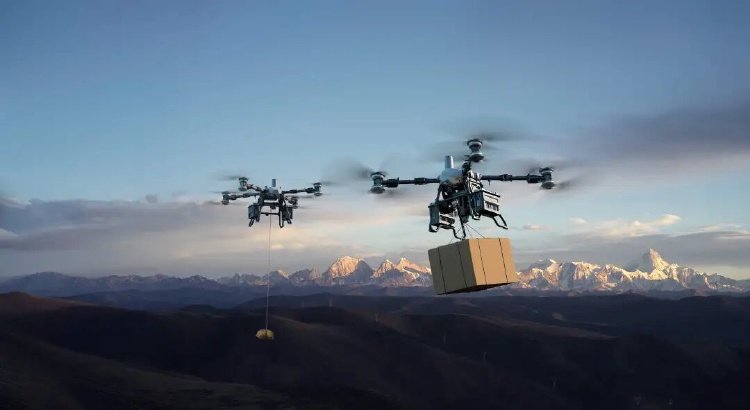
大疆前副总裁袁某 被公安机关刑事拘留!曾在大疆任职5年 全面负责销售工作
Mei Ri Jing Ji Xin Wen· 2026-02-15 05:46
Group 1 - The former Vice President of Sales at DJI, Yuan, was criminally detained for bribery in February 2026, during his tenure from May 2019 to May 2024 [1] - DJI has maintained a dominant position in the drone industry, with over 70% market share in consumer drones globally, and a valuation of 84 billion yuan according to Hurun's 2025 Global Unicorn List [2] - DJI is expanding into the action camera market, holding a 63.6% share of the online retail market in China, and leading in emerging segments such as wearable and panoramic cameras [2] Group 2 - The Osmo360 panoramic camera has achieved a 45% market share in its category, disrupting the existing competitive landscape [2] - The flagship model OsmoNano has a 49.9% market share in the wearable camera segment, showcasing DJI's strong performance in new markets [2]
大疆前副总裁袁某,被公安机关刑事拘留!曾在大疆任职5年,全面负责销售工作
Xin Lang Cai Jing· 2026-02-15 05:40
Group 1 - The former Vice President of Sales at DJI, Yuan, was detained by the police in February 2026 for suspected bribery as a non-state public official [1][4] - Yuan served as Vice President from May 2019 to May 2024, during which he allegedly exploited his position for substantial illicit gains [1][4] - The case is currently undergoing judicial proceedings [1][4] Group 2 - Since its establishment in 2006, DJI has leveraged its technological advantages and market share in the drone sector, maintaining a global market share of over 70% in consumer drones [5] - According to Hurun's "2025 Global Unicorn List," DJI is valued at 84 billion yuan [5] Group 3 - DJI has recently expanded into the action camera market, securing a 63.6% cumulative brand sales share in China's online action camera market, thus solidifying its position as the market leader [3][7] - The Osmo360 panoramic camera has achieved a 45% sales share in the panoramic action camera segment, disrupting the existing competitive landscape [3][7] - In the emerging wearable camera segment, DJI's flagship model, OsmoNano, holds a 49.9% sales share, ranking first [3][7]
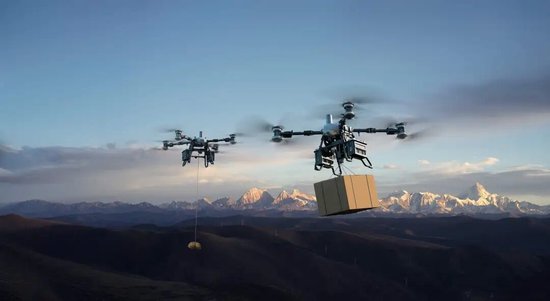
大疆投资3D打印公司,剑指前员工企业拓竹科技?双方回应
Sou Hu Cai Jing· 2025-11-17 13:45
Core Viewpoint - DJI's investment in a 3D printing company is perceived as a strategic move that may threaten its former employee's venture, TuoZhu Technology, indicating a competitive shift in the 3D printing industry [1][2][5]. Group 1: Company Developments - DJI has invested in Shenzhen Smart派科技有限公司, a notable player in the consumer-grade 3D printing sector, which was established in March 2015 and completed its Series A financing in December 2022 [1][2]. - TuoZhu Technology, founded in 2020, has rapidly ascended to the top of the global consumer-grade 3D printing market within five years [2][4]. - The core team of TuoZhu Technology consists of former DJI employees, including founder Tao Ye, who previously managed DJI's Mavic product line [4]. Group 2: Competitive Landscape - The competition among DJI, Insta360, and TuoZhu Technology reflects a broader trend in Shenzhen's hardware industry, transitioning from a single dominant player to a multi-competitive environment [1][6][9]. - The rivalry between DJI and Insta360 has intensified, particularly in the action camera and panoramic camera markets, with both companies launching new products to capture market share [6][8]. - The ongoing competition is expected to focus on supply chain efficiency, global channel capabilities, brand building, and organizational management, rather than solely on product specifications and pricing [9].
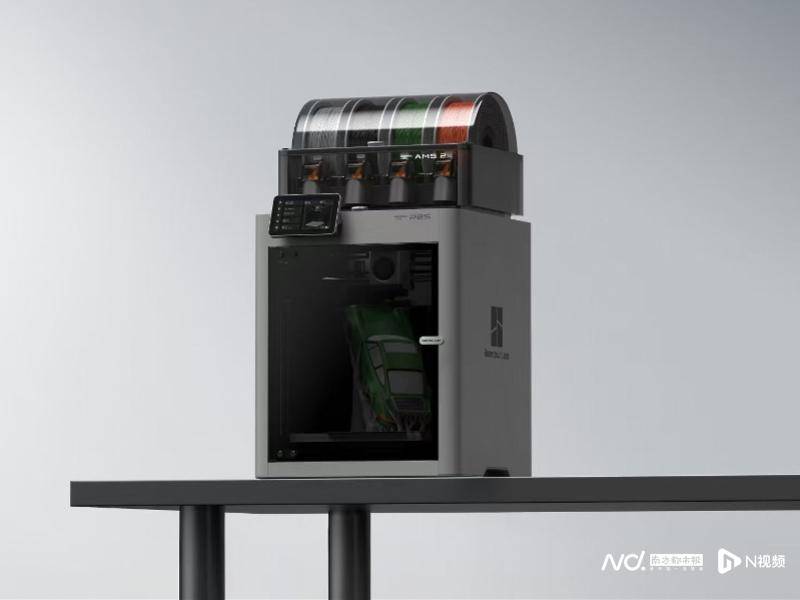
大疆运动相机市场份额跃居全球第一
Nan Fang Du Shi Bao· 2025-10-30 23:16
Core Insights - DJI has become the global leader in the action camera market with a market share of 66%, surpassing GoPro [1] - In the panoramic camera market, DJI's Osmo360 captured 49% of the Chinese e-commerce market and 43% globally within three months of its launch [1] - The competitive landscape is shifting from California to Shenzhen, with DJI establishing a strong presence in the imaging device sector [3] Market Dynamics - DJI's rapid expansion in the action camera and panoramic imaging sectors is seen as a strategic positioning similar to its success in the drone market [2] - The release of the Osmo360, featuring 8K quality and AI algorithms, has significantly accelerated market concentration in the panoramic camera segment [3][5] - DJI's promotional strategies ahead of the "Double Eleven" shopping festival have sparked consumer discussions and highlighted its approach of exchanging scale for ecosystem growth [3] Competitive Landscape - Insta360, another Shenzhen-based imaging company, is feeling pressure from DJI's aggressive pricing strategies and market entry [4] - Insta360 has launched its own consumer drone brand and is competing directly with DJI in the aerial imaging market [4] - The competition between DJI and Insta360 is evolving from product-level rivalry to ecosystem-level competition, focusing on creative content and user engagement [5][6] Industry Trends - The competition in the smart imaging sector is transitioning from hardware performance to ecosystem capabilities, emphasizing the importance of serving creators effectively [6][7] - New trends such as short video creation, AI-assisted imaging, and cross-device collaboration are reshaping the global imaging industry [7] - The future of smart imaging will depend on the ability to integrate the entire process from shooting to editing and sharing, creating a stable content platform and user ecosystem [6][7]
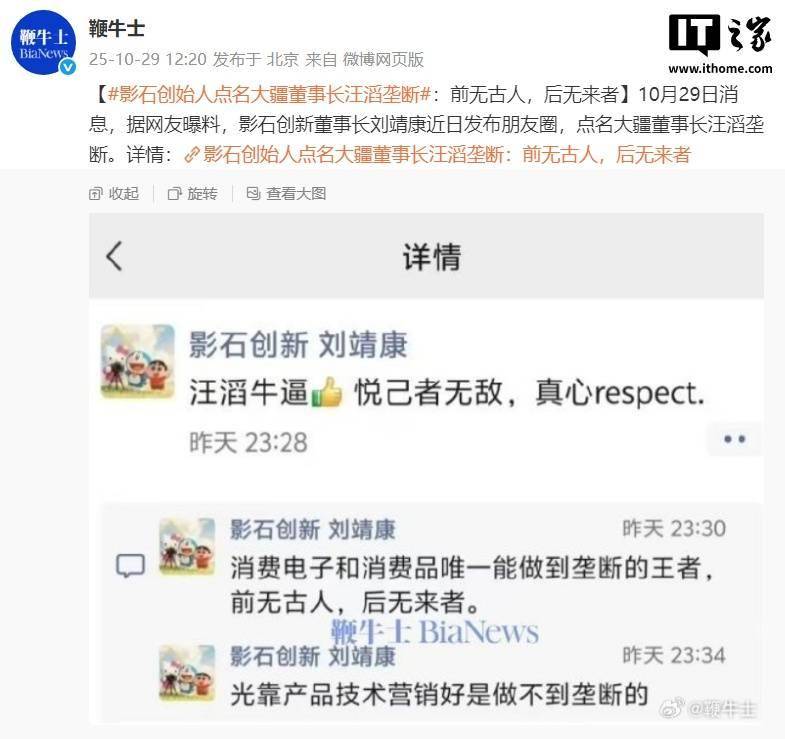
影石创始人刘靖康称大疆董事长汪滔垄断:前无古人,后无来者
Sou Hu Cai Jing· 2025-10-29 07:11
Group 1 - Liu Jingkang, founder and chairman of YingShi Innovation, praised DJI's chairman Wang Tao, calling him the only king capable of monopolizing the consumer electronics and consumer goods market, stating that "one cannot achieve monopoly solely through product technology and marketing" [1] - DJI announced significant price reductions on multiple products, with some items seeing price drops exceeding 1,000 yuan, which became a trending topic on Weibo [3] - Liu Jingkang suggested that the price cuts at DJI might be influenced by YingShi's actions, offering a 100 yuan voucher to customers who purchased DJI products between October 2 and October 8 as an apology [5] Group 2 - DJI entered the panoramic camera market in July this year with the launch of the Osmo360, which directly competes with YingShi's core business [6] - YingShi also ventured into the drone market by releasing the world's first panoramic drone, with Liu Jingkang expressing that the motivation for entering the drone sector was the potential for market growth, while also showing great respect for DJI [8]

大疆降价风暴背后,藏着一场生死攻防战
Feng Huang Wang Cai Jing· 2025-10-10 03:44
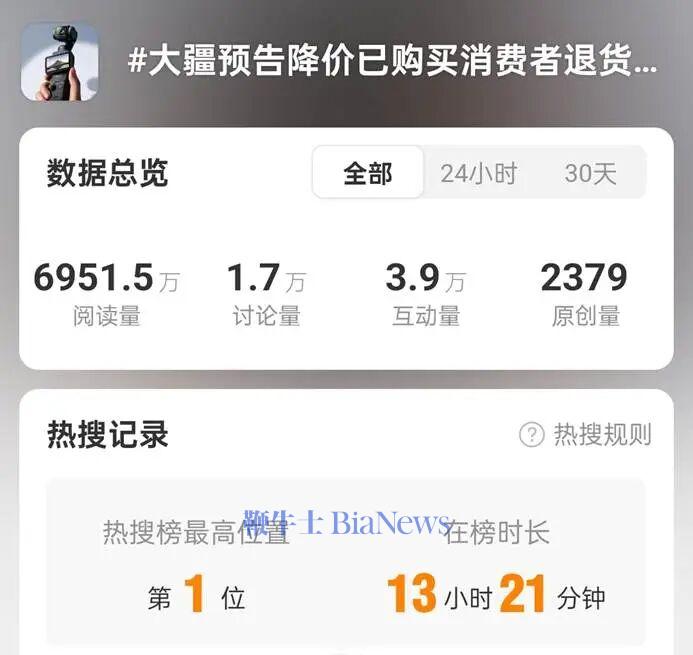
Core Viewpoint - DJI's recent price drop on multiple products, including the Pocket 3 series, has sparked significant consumer backlash and raised questions about pricing strategies in a competitive market [1][3][22]. Group 1: Price Drop Impact - The price reduction of up to 900 yuan on products like the Pocket 3 series has led to consumer frustration, particularly for those who purchased items shortly before the announcement [1][15]. - Consumers reported being misled about price stability, with some receiving conflicting information regarding price protection policies from different sales channels [7][10][20]. - The promotional event, labeled as a "pre-sale" for Double 11, has been criticized for its lack of clear communication and consistency across online and offline channels [22][23]. Group 2: Competitive Landscape - DJI's market share in the global smart imaging device sector has declined from 19.1% in 2023 to 13.2% in 2024, while competitors like Innosilicon have increased their share from 28.4% to 35.6% during the same period [25][26]. - The entry of smartphone manufacturers into the imaging device market poses a significant threat to DJI, as these companies leverage their existing technology and supply chains to offer competitive products [29][30]. - DJI's aggressive pricing strategy is seen as a defensive move to maintain market share against both traditional competitors and new entrants from the smartphone industry [30][34]. Group 3: Strategic Pricing Decisions - The price cuts are part of a broader strategy to clear inventory ahead of the anticipated launch of the new Pocket 4 model in early 2026, which is a common practice in the industry [31][32]. - DJI aims to create a "price moat" to deter new entrants from pricing their products competitively, thereby slowing their market penetration [33][34]. - The decision to implement significant price reductions reflects a calculated risk to trade short-term profits for long-term market positioning and customer retention [34].
电子行业周报:海外AI产业链业绩及资本开支超预期,AI算力硬件需求持续强劲-20250803
SINOLINK SECURITIES· 2025-08-03 09:21
Investment Rating - The report indicates a positive outlook for the AI industry, with expectations of significant growth in capital expenditures from major companies like Meta and Microsoft, suggesting a "Buy" rating for the sector [2][50]. Core Insights - The AI industry is experiencing robust demand for computing hardware, with companies like Meta and Microsoft reporting better-than-expected Q2 2025 earnings and optimistic capital expenditure forecasts for 2026 [1]. - Meta's Q2 2025 revenue reached $47.516 billion, a 22% year-on-year increase, while Microsoft's revenue was $76.441 billion, up 18% year-on-year [1]. - The demand for AI-related hardware, particularly ASIC chips and AI-PCB, is expected to continue growing, driven by the expansion of AI applications and infrastructure [1][31]. Summary by Sections 1. Industry Performance - The AI industry is witnessing a strong performance, with many companies exceeding earnings expectations for Q2 2025, indicating a healthy growth trajectory [1]. - Microsoft reported a 27% year-on-year increase in capital expenditures, with expectations to exceed $30 billion in Q3 2025, reflecting strong confidence in ROI from AI investments [1]. 2. Subsector Analysis - **Consumer Electronics**: DJI's launch of the Osmo360 panoramic camera highlights innovation in the sector, with a focus on the Apple supply chain [5]. - **PCB**: The PCB industry is maintaining high growth momentum, driven by demand from automotive and industrial control sectors, alongside AI expansion [7]. - **Components**: The passive components sector is seeing upward trends, particularly in AI applications, with increased usage of MLCCs and inductors in mobile devices [18]. - **IC Design**: The memory segment is expected to see price increases of 10-20% in Q3 2025 due to supply constraints and rising demand [20][22]. - **Semiconductor Equipment**: The semiconductor equipment market is projected to grow by 21% year-on-year, driven by AI and domestic production needs [27]. 3. Key Companies - **Meta**: Continues to show strong revenue growth and increased capital expenditures, indicating a solid position in the AI market [1][31]. - **Microsoft**: With a significant backlog of orders and strong growth in cloud services, Microsoft is well-positioned to benefit from the AI boom [1][31]. - **NVIDIA**: The rapid rollout of NVIDIA's Blackwell architecture and ASIC chips is expected to drive continued demand for AI-PCB [1]. - **Domestic PCB Manufacturers**: Companies in mainland China are expected to benefit from slow overseas expansion in AI PCB production, positioning them favorably in the market [31]. 4. Market Trends - The report highlights a trend towards increased capital expenditures in the AI sector, with major players like Meta, Google, and Amazon expected to significantly increase their investments [33]. - The demand for AI-related products is anticipated to remain strong, with companies adapting to new technologies and market needs [31][32].