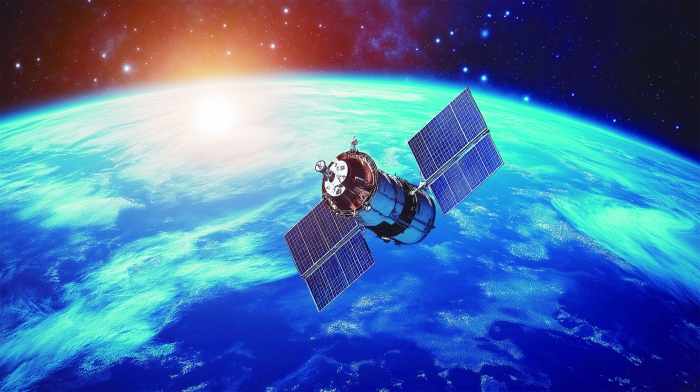
P型超薄异质结电池

Search documents
传马斯克团队密访中国多家光伏企业,谁在和SpaceX合作?
Xin Lang Cai Jing· 2026-02-04 04:23
Core Viewpoint - Elon Musk's SpaceX has completed the acquisition of AI startup xAI, marking a significant step in the integration of aerospace and artificial intelligence, while also increasing interest in solar energy projects in the context of space applications [1][11]. Group 1: Acquisition and Strategic Moves - The acquisition of xAI is seen as part of Musk's strategy to enhance capabilities in the "aerospace + AI" sector [1][11]. - Musk's plans for a solar AI data center and a 200GW photovoltaic capacity have sparked heightened attention in the domestic solar market [1][11]. Group 2: Engagement with Chinese Solar Companies - Musk's team has reportedly visited several Chinese solar companies to assess technologies related to equipment, silicon wafers, and battery components, focusing on heterojunction (HJT) and perovskite technologies [1][4][11]. - A representative from a solar company confirmed contact with Musk's team, although details of the discussions remain confidential [2][12]. Group 3: Technology Insights and Market Dynamics - The primary focus of space photovoltaics differs from terrestrial photovoltaics, emphasizing reliability over cost efficiency, with three main technology pathways identified: gallium arsenide, HJT, and perovskite [6][16]. - Gallium arsenide offers superior performance but is costly, priced between 200,000 to 300,000 yuan per square meter, leading to increased interest in HJT and perovskite technologies [7][17]. Group 4: Market Speculation and Company Responses - There are rumors of a potential procurement of HJT production lines by Musk's team, as these lines are highly automated and require less labor, making them suitable for production in the U.S. [4][14]. - Various solar companies have responded to inquiries about their involvement with SpaceX, with some denying any direct engagement while others indicated ongoing research and development [19][20]. Group 5: Investment Trends and Market Reactions - The "space photovoltaic" concept has gained significant traction in the market, with companies like Maiwei leading the surge in stock prices, despite uncertainties regarding actual contracts with SpaceX [10][20]. - Analysts caution that the current market enthusiasm may be speculative, as terrestrial solar components are not applicable in space, highlighting a disconnect between stock performance and fundamental realities [10][20].

上市公司纷纷布局太空光伏 “追光者”实力参差不齐
Shang Hai Zheng Quan Bao· 2026-01-23 18:12
Group 1 - The core viewpoint of the article highlights the growing interest and investment in space photovoltaic technology among various companies, despite some facing significant losses in the traditional photovoltaic sector [2][3] - Several companies in the photovoltaic industry are actively pursuing space photovoltaic opportunities through investments, acquisitions, and self-research, with some already having products in mass production [2] - The market has seen a surge in stock prices for companies involved in space photovoltaic, such as Optec, JinkoSolar, and others, indicating a renewed optimism in this segment [2] Group 2 - Mingyang Smart Energy is making a strategic move by acquiring control of Zhongshan Dehua Chip Technology Co., which specializes in high-end compound semiconductor technology, to extend its reach into the space photovoltaic sector [4] - Gallium arsenide solar cells are identified as a mature solution for space photovoltaic applications, with Qianzhao Optoelectronics being the leading supplier of gallium arsenide solar cell epitaxial wafers in China [4] - The P-type ultra-thin heterojunction (HJT) battery technology is viewed as a key cost-reduction strategy for satellite solar wings, with companies like Dongfang Risen capable of mass delivery of HJT products [5] Group 3 - Some companies have issued risk warnings regarding their involvement in space photovoltaic, indicating that their products or technologies are not yet applicable in this field [6] - JunDa Co. has highlighted several risks associated with its investment in space photovoltaic, including technical, business, and market uncertainties, emphasizing that its current focus remains on ground photovoltaic applications [6] - Other companies, such as Solar Energy and Yamaton, have stated that their business does not currently involve space photovoltaic technology, focusing instead on their respective core areas [7]