
钙钛矿晶硅叠层电池

Search documents
马斯克领跑太空光伏,中国何时产业化落地
Di Yi Cai Jing· 2026-02-13 13:52
Core Viewpoint - The emergence of space photovoltaic technology, driven by Elon Musk's vision, presents both opportunities and challenges for the Chinese photovoltaic industry, with a focus on collaboration with domestic aerospace companies and the need for technological advancements in the sector [1][2][6]. Group 1: Market Dynamics - The space photovoltaic sector is projected to have a market potential of 5.6 trillion yuan, driven by the deployment of satellites and the integration of solar energy with AI capabilities [2][3]. - The Wind Space Photovoltaic Index saw a nearly 40% increase in January, but has since corrected by over 8% due to clarifications from multiple companies [1][2]. - The capital frenzy surrounding space photovoltaics has been influenced by Musk's statements at the Davos Forum, highlighting the importance of solar energy for AI [1][2]. Group 2: Technological Challenges - The high cost of satellite launches and limited capacity have historically constrained the scalability of space photovoltaics, but advancements in reusable rocket technology by SpaceX are changing this landscape [3][7]. - The industry remains cautious about the large-scale commercialization of space photovoltaics, citing the need for extensive testing and validation of technologies in extreme space environments [3][4]. - Current space photovoltaic solutions are primarily custom-made in small batches, necessitating the establishment of standardized supply chains and quality control systems [3][4]. Group 3: Strategic Collaborations - Chinese photovoltaic companies are encouraged to leverage their existing advantages in ground solar energy to collaborate with aerospace firms, aiming to capture opportunities in the space photovoltaic market [6][8]. - The integration of advanced technologies such as perovskite and heterojunction (HJT) solar cells is seen as crucial for the future of space photovoltaics, with potential applications in satellite energy systems [7][8]. - Companies are actively pursuing partnerships to test new technologies, with plans to replace traditional gallium arsenide solar cells with more efficient alternatives in upcoming satellite missions [6][7]. Group 4: Future Outlook - The global race towards space energy systems is intensifying, with initiatives like China's "Sunshine Plan" and the EU's SOLARIS plan emphasizing the importance of space photovoltaic stations [7]. - The next few years are expected to yield significant technological advancements in the photovoltaic sector, particularly in the development of P-type ultra-thin HJT cells and perovskite tandem cells [7][8]. - The Chinese photovoltaic industry is positioned to play a pivotal role in the future of space energy, given its comprehensive supply chain and competitive cost structure [8].


太阳能(000591) - 000591太阳能投资者关系活动记录表20260206
2026-02-09 07:56
Group 1: Business Strategy - The company is implementing a "light asset cost reduction operation strategy" focusing on upgrading strategic capabilities and enhancing core competitive functions [3] - Emphasis on transitioning to technology-driven enterprises, with a focus on rapid response mechanisms and continuous innovation in photovoltaic technology [3] - Development of a flexible combination model of "series products + application scenarios + business models + smart operations" to provide customized and professional products and services [3] Group 2: Research and Development - R&D investment in the first half of 2025 and Q3 has decreased due to prioritization of key research projects and completion of long-term projects with limited output [4] - Some R&D projects are still in the research phase and have not yet reached mass production, resulting in lower investment [4] Group 3: Market Adaptation - The company is addressing photovoltaic power consumption issues through regional layout optimization, market participation, and the development of storage solutions [4] - Investment control measures are in place to assess regional consumption capacity and avoid high-risk areas with poor improvement prospects [4] Group 4: Financial Management - The company aims to encourage investors to convert bonds into equity by managing market value and implementing various measures to support stock price [5] - Ongoing share buybacks and cancellations, along with stable cash dividend ratios, are part of the strategy to enhance shareholder value [5]

太阳能(000591.SZ):具备N型异质结电池工艺技术储备及钙钛矿晶硅叠层电池技术研发和储备
Ge Long Hui· 2026-02-05 09:00
Group 1 - The company has developed technical reserves for N-type heterojunction battery technology and is also engaged in the research and development of perovskite-silicon tandem battery technology [1]
上市公司纷纷布局太空光伏 “追光者”实力参差不齐
Shang Hai Zheng Quan Bao· 2026-01-23 18:12
Group 1 - The core viewpoint of the article highlights the growing interest and investment in space photovoltaic technology among various companies, despite some facing significant losses in the traditional photovoltaic sector [2][3] - Several companies in the photovoltaic industry are actively pursuing space photovoltaic opportunities through investments, acquisitions, and self-research, with some already having products in mass production [2] - The market has seen a surge in stock prices for companies involved in space photovoltaic, such as Optec, JinkoSolar, and others, indicating a renewed optimism in this segment [2] Group 2 - Mingyang Smart Energy is making a strategic move by acquiring control of Zhongshan Dehua Chip Technology Co., which specializes in high-end compound semiconductor technology, to extend its reach into the space photovoltaic sector [4] - Gallium arsenide solar cells are identified as a mature solution for space photovoltaic applications, with Qianzhao Optoelectronics being the leading supplier of gallium arsenide solar cell epitaxial wafers in China [4] - The P-type ultra-thin heterojunction (HJT) battery technology is viewed as a key cost-reduction strategy for satellite solar wings, with companies like Dongfang Risen capable of mass delivery of HJT products [5] Group 3 - Some companies have issued risk warnings regarding their involvement in space photovoltaic, indicating that their products or technologies are not yet applicable in this field [6] - JunDa Co. has highlighted several risks associated with its investment in space photovoltaic, including technical, business, and market uncertainties, emphasizing that its current focus remains on ground photovoltaic applications [6] - Other companies, such as Solar Energy and Yamaton, have stated that their business does not currently involve space photovoltaic technology, focusing instead on their respective core areas [7]





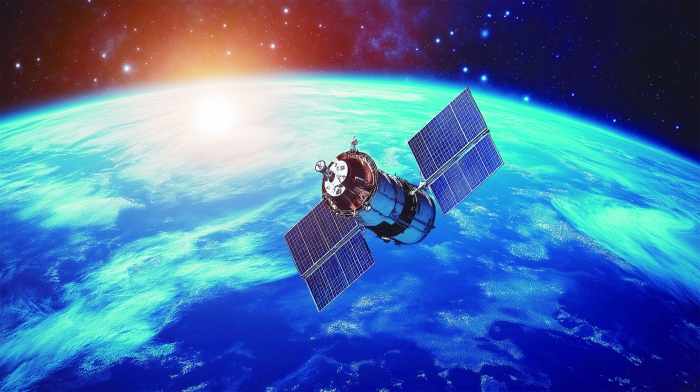
新风口!马斯克达沃斯引爆太空光伏,SpaceX叠加100GW产能,这三大细分领域或将率先爆发!
Jin Rong Jie· 2026-01-23 12:05
Core Viewpoint - The space photovoltaic sector is gaining momentum, driven by Elon Musk's support and ambitious production goals for solar energy, with significant stock price increases for related companies [1] Group 1: Market Performance - The space photovoltaic theme showed strong performance on January 23, with companies like Qianzhao Optoelectronics and JunDa Co. (Hong Kong) seeing a rise of 51.4%, while others like Jing Sheng Mechanical and Trina Solar increased by over 10% [1] - Elon Musk announced plans to enhance solar energy production capacity to 100GW annually within three years, indicating a robust future for the sector [1] Group 2: Industry Insights - The development of space photovoltaics will drive technological upgrades and market demand in the photovoltaic equipment and battery manufacturing sectors, requiring high-efficiency solar cells with superior radiation resistance [2] - The rapid growth of commercial space applications, evidenced by over 200,000 satellite constellation applications in China, will significantly boost long-term demand for space photovoltaics [2] Group 3: Aerospace Manufacturing and Services - Aerospace manufacturing companies will benefit from increased launch and in-orbit service demands due to advancements in reusable rocket technology and large satellite constellation deployments [3] - SpaceX's reusable rocket technology is expected to lower launch costs to around $1,000 per kilogram, facilitating the construction of large-scale space photovoltaic stations [3] Group 4: Wireless Energy Transmission and New Materials - Wireless energy transmission is crucial for transferring power from space to Earth, with significant advancements in microwave technology and efficiency metrics [3] - Innovations in new materials, such as ultra-thin perovskite/silicon heterojunction solar panels, are enhancing performance and reducing weight, which is vital for space applications [4]
大爆发!601012,午后涨停
证券时报· 2026-01-23 08:50
Core Viewpoint - The photovoltaic industry chain stocks have collectively surged, leading to a wave of stock price limits being hit, driven by the space photovoltaic concept and strong performance in related sectors [1][4]. Photovoltaic Industry - The space photovoltaic concept has catalyzed a significant rise in the entire photovoltaic industry chain, with multiple stocks hitting their daily price limits. Notable performers include Liancheng CNC and Optech, both reaching a 30% increase, while companies like Maiwei and Jiejia Weichuang saw a 20% rise [4]. - The market saw a strong performance from various photovoltaic stocks, with over ten stocks achieving a 20% increase, and others like Longi Green Energy and Junda shares also showing significant gains [4]. Market Performance - On January 23, the A-share market indices rose across the board, with the North Securities 50 Index increasing by nearly 4%. The total market turnover exceeded 3 trillion yuan, with over 3,900 stocks gaining, and more than 120 stocks hitting their daily limits [2]. - The A-share market's strong performance was complemented by a notable increase in the non-ferrous metals sector, with cobalt, nickel, and gold stocks performing particularly well [2][8]. Precious Metals - International gold prices surged, with spot gold breaking through $4,950 per ounce, marking a historical high. The COMEX gold futures also saw significant gains, reaching up to $4,970 per ounce [10]. - The continuous rise in gold prices over the past three years has been attributed to various factors, including geopolitical tensions and concerns over the U.S. dollar's credibility, with expectations of further increases in gold prices [10]. Retail Pharmacy Sector - The retail pharmacy sector experienced a collective rise, with stocks like Yifeng Pharmacy hitting their daily limit, and others like Dazhenglin and Renmintongtai also showing strong performance [12]. - Recent policies from the Ministry of Commerce and other departments aim to promote high-quality development in the pharmaceutical retail industry, encouraging mergers and optimizing the business environment for pharmacies [14].



招商证券:商业航天能源系统将快速增长并迎来升级迭代 晶硅或钙钛矿方案有望成为主流
智通财经网· 2026-01-22 01:24
Group 1: Industry Overview - The commercial aerospace sector is entering a new phase of rapid development, with both the US and China planning to deploy tens of thousands of satellites to secure scarce frequency resources [1] - The US leads the world in the number of operational spacecraft, followed closely by China, with low Earth orbit satellites becoming a focal point due to their low latency and wide coverage, accounting for nearly 70% of the in-orbit satellites [1] - Major companies like SpaceX, Amazon, and China's Xingwang are accelerating their satellite constellation deployment and expanding into new areas such as space data centers and in-orbit computing, integrating aerospace with digitalization [1] Group 2: Satellite Power Systems - Satellite power systems are crucial for ensuring stable power supply throughout the satellite's lifecycle, consisting of solar power generation, lithium battery storage, and power management modules [2] - These systems face unique challenges in space, including strong radiation, extreme temperature variations (over 300°C), and low Earth orbit atomic oxygen erosion, necessitating high standards for weight, reliability, and lifespan [2] Group 3: Photovoltaic Technology Advancements - The cost of the photovoltaic segment, which constitutes about two-thirds of the satellite power system's cost (approximately 20% of total satellite costs), is a significant focus for future industry demands [3] - Current low Earth orbit satellites primarily use gallium arsenide batteries due to their excellent radiation resistance and temperature performance, while future applications may include reduced germanium usage and the adoption of silicon or perovskite technologies [3] Group 4: High-Performance Batteries and Power Systems - Satellite batteries require high energy density, reliability, and cycle performance, while power modules must withstand radiation, manage extreme heat, and feature efficient DC-DC architectures, indicating high technical barriers [4] - Core participants in these segments are expected to achieve substantial profit returns due to the high barriers to entry and the specialized nature of the technology [4]

招商证券:商业航天能源系统将快速增长并迎来升级迭代 晶硅与钙钛矿开始光伏发电试用
智通财经网· 2026-01-21 06:34
Core Viewpoint - The commercial aerospace sector is entering a rapid development phase, with low Earth orbit (LEO) satellites becoming a focal point of competition between the US and China, leading to significant growth in supporting energy systems and potential upgrades in technology [2]. Group 1: Commercial Aerospace Development - The US leads the world in the number of operational spacecraft, with China closely following. LEO satellites, due to their low latency and wide coverage, have become a key focus globally, with nearly 70% of satellites in orbit being LEOs. Both countries plan to deploy tens of thousands of satellites to secure scarce frequency and orbital resources [2]. - Both the US and China are encouraging deep participation of commercial capital in the aerospace sector through policies such as establishing funds, simplifying approvals, and opening infrastructure [2]. - Leading companies like SpaceX, Amazon, and China's Xingwang are accelerating the deployment of satellite constellations and expanding into new business areas such as space data centers and in-orbit computing [2]. Group 2: Satellite Power Systems - Satellite power systems, which ensure stable power supply throughout the satellite's lifecycle, consist of solar power generation, lithium battery storage, and power management modules. These systems face unique challenges in space, including strong radiation, extreme temperature variations (over 300°C), and low Earth orbit atomic oxygen erosion [3]. - The cost of satellite power systems accounts for about 20% of the total satellite cost, with nearly two-thirds of that attributed to solar power generation. Reducing costs in this area is a significant industry demand [4]. Group 3: Technological Advancements in Photovoltaics - The current mainstream choice for LEO satellites is gallium arsenide batteries, known for their radiation resistance and thermal performance. Future applications may include two-junction solutions that reduce germanium usage [4]. - P-type PERC silicon products are already in use overseas, while P-type HJT solutions are in testing or trial phases. Perovskite-silicon tandem batteries are also undergoing testing, with the potential to become important or even mainstream solutions in the future [4]. Group 4: High-Performance Batteries and Power Systems - Satellite batteries require high energy density, reliability, and cycle performance, while power modules must withstand radiation, manage extreme heat, and feature efficient DC-DC architectures, indicating high technical barriers [5]. - Key participants in these high-barrier segments are expected to achieve significant profit returns in the future [5]. Group 5: Investment Recommendations - Companies related to photovoltaic power generation include Junda Co., Dike Co., Dongfang Risheng, Maiwei Co., Aotwei, Shanghai Port Bay, Ruihua Tai, and Jingsheng Mechanical [6]. - Companies involved in batteries and power systems include Xinle Energy, Yiwei Lithium Energy, and Weilan Lithium Core [7].
光伏系列报告:商业航天能源系统将快速增长并迎来升级迭代
CMS· 2026-01-21 05:02
Investment Rating - The report provides investment recommendations for several companies, including strong buy ratings for 帝科股份 (Dike Co., Ltd.) and 亿纬锂能 (EVE Energy Co., Ltd.) [2][3] Core Insights - The commercial aerospace sector is experiencing rapid growth, particularly in low Earth orbit (LEO) satellites, which are becoming a focal point of competition between the US and China. This growth is expected to drive advancements in energy systems that support these satellites [1][7] - The satellite power systems are critical for ensuring stable power supply throughout the satellite's lifecycle, consisting of solar power generation, energy storage, and power management modules. These systems face unique challenges in space, such as high radiation and extreme temperature variations [1][31] - The report highlights the ongoing evolution of photovoltaic (PV) technology, with P-type PERC and perovskite-silicon tandem cells being tested for potential use in space applications. The cost reduction in solar power generation is a significant industry demand [1][36] - High-performance batteries and power systems are identified as high-barrier, high-return segments within the satellite energy systems, with stringent requirements for energy density, reliability, and cycle performance [1][49] Industry Overview - The global aerospace industry is projected to reach a value of $415 billion by 2024, with the number of operational satellites increasing to 11,605, representing a year-on-year growth of 17.81%. The US leads with 8,813 satellites, accounting for 75.9% of the global share [12][13] - The commercial satellite sector is expected to maintain over 70% of the global aerospace market share, with the satellite market projected to grow to $4,808 billion by 2025 and $5,114.9 billion by 2026, reflecting a compound annual growth rate of 6.38% [13][19] - The report emphasizes the importance of government policies in both the US and China that are accelerating the development of the commercial aerospace sector, including funding initiatives and regulatory simplifications [1][27] Company Analysis - Key companies mentioned in the report include: - 帝科股份 (Dike Co., Ltd.) - Strong buy rating, with a market cap of 13.2 billion and projected EPS of 2.48 for 2024 [3] - 亿纬锂能 (EVE Energy Co., Ltd.) - Strong buy rating, with a market cap of 136.9 billion and projected EPS of 1.96 for 2024 [3] - 新雷能 (Newray Energy) - Hold rating, with a market cap of 16.5 billion and projected EPS of -0.92 for 2024 [3] - The report also lists several other companies in the photovoltaic and battery sectors that are positioned to benefit from the growth in commercial aerospace [2][3]
太阳能:目前公司小面积钙钛矿晶硅叠层电池效率已超过30%
Zheng Quan Ri Bao Wang· 2026-01-14 13:14
Core Viewpoint - The company is actively engaged in the solar energy sector, focusing on the research, development, production, and sales of photovoltaic cells and modules, with a notable efficiency achievement in perovskite-silicon tandem cells exceeding 30% [1] Group 1: Manufacturing Strategy - The company has established a photovoltaic cell and module manufacturing facility in Zhenjiang, participating independently in market competition [1] - The company is implementing a light-asset cost reduction operational strategy to enhance efficiency [1] - The company is strengthening research and development of perovskite-silicon tandem cells to tackle cutting-edge technologies and improve competitiveness [1] Group 2: Innovation and Digital Transformation - The company is pursuing digital transformation and innovation, leveraging a platform-based approach and highlighting existing intelligent operation and maintenance products [1] - The company aims to explore integrated solutions for specific scenarios through its innovative business initiatives [1]