
P棉

Search documents
人生建议:把「羽绒服」换成它!更轻、更暖、还能水洗!
洞见· 2026-01-29 12:36
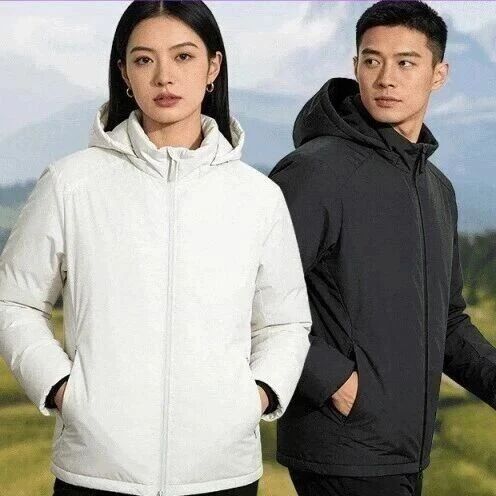
Core Viewpoint - The article promotes a new winter clothing line featuring SCWJ Gold Label P cotton thermal jackets, emphasizing their lightweight, stylish, and warm characteristics, which are designed to meet consumer needs for practicality and aesthetics during winter [8][10][16]. Product Features - The SCWJ Gold Label P cotton is a high-tech thermal material developed for military use, addressing the shortcomings of natural down in wet and cold conditions [19][20]. - The jacket is lightweight, warmer than down, and resistant to moisture, making it suitable for various weather conditions [23][27]. - The fabric is water-repellent and easy to wash, reducing maintenance frequency and enhancing convenience for users [29][35]. Design and Fit - The jacket features a carefully adjusted design that provides a flattering silhouette, making it appear slimmer compared to traditional cotton jackets [39][41]. - It includes practical elements such as a high collar to block cold winds and a dual zipper for improved mobility during activities [71][77]. - The jacket is available in multiple colors and sizes, catering to a wide range of consumers [82][104]. Pricing Strategy - The jacket is priced at 129 yuan, significantly lower than similar products in the market, which are often priced around 3000 yuan [44][49]. - The pricing strategy aims to attract consumers who may be unfamiliar with the benefits of P cotton, encouraging them to experience the product firsthand [47][48]. Additional Offerings - Alongside the jacket, the article also introduces a pair of thermal pants designed with similar protective features, available at competitive prices [53][67]. - The promotion includes a live-streaming event to showcase these products and offer additional discounts [69].

人生建议:把「羽绒服」换成它!更轻、更暖、还能水洗!
洞见· 2026-01-17 12:35
Core Viewpoint - The article promotes a new winter clothing line featuring the SCWJ Gold Label P-cotton thermal jacket, emphasizing its innovative materials and design that provide warmth, style, and practicality at an affordable price [7][15][46]. Product Features - The SCWJ Gold Label P-cotton jacket is designed to be lightweight yet warmer than down jackets, utilizing a new thermal material developed for military use [18][22]. - The jacket is water-resistant and easy to clean, featuring a surface that repels water and dirt, making it suitable for various weather conditions [28][32]. - The jacket's design includes a high collar and dual zippers for enhanced comfort and flexibility during physical activities [68][72]. Pricing Strategy - The jacket is priced at 129 yuan, significantly lower than similar products that retail for around 3000 yuan, reflecting a strategic decision to introduce the product at a competitive price point to increase market penetration [43][47]. - The pricing strategy considers production costs and aims to provide value to consumers while ensuring profitability [44][46]. Target Audience - The clothing line is designed to appeal to a broad demographic, with styles suitable for both men and women, and sizes accommodating a wide range of body types [103][106]. - The article suggests that the product is particularly suitable for individuals seeking stylish yet functional winter wear [60][61].
今年冬天,建议把「羽绒服」换成它!!
凤凰网财经· 2026-01-16 15:42
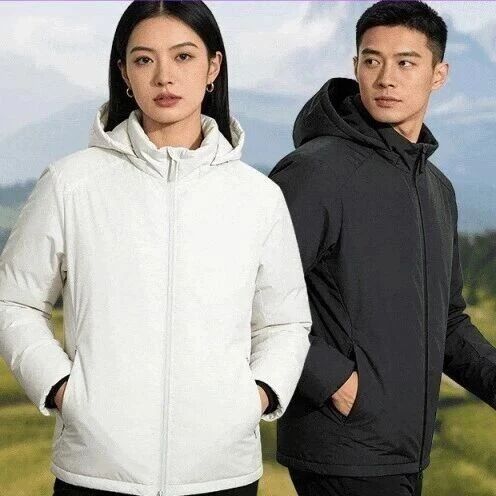
Core Viewpoint - The article introduces a new winter clothing product, the "At*m 阿童木金标P棉·全能防寒服," emphasizing its affordability and high-quality features compared to traditional down jackets [1][10][12]. Product Features - The jacket is a classic piece that established the brand's strong position in the outdoor industry, launched in 2009, utilizing advanced "technology thermal cotton fiber" for superior warmth [3][4]. - It is lighter than down, has better insulation, is odorless, and is resistant to moisture and mold, making it machine washable [4][10]. - The jacket is designed to maintain its aesthetic appeal over the years, with a price point significantly lower than the original version, making it accessible to a broader audience [10][12]. Pricing Strategy - The company has significantly reduced the price to attract consumers, with the early bird price set at 129 yuan, which is 1/25 of the original price of 3000 yuan [17][19]. - The pricing strategy aims to demonstrate that high-quality design and craftsmanship can be offered at a lower price without relying on advertising or influencer marketing [15][17]. Material Innovation - The jacket features high-grade gold standard P cotton, which provides enhanced insulation and is machine washable, making it suitable for temperatures as low as -10°C in most regions [23][25]. - P cotton is a revolutionary material developed to meet military needs, offering lightweight warmth while being resistant to water and moisture [27][28][32]. Design Enhancements - The jacket includes several design improvements such as a double zipper for better mobility, a high collar for wind protection, and a removable hood for versatility [56][68][85]. - Additional features include inner pockets for secure storage, a windproof sleeve design, and a hidden zipper for a clean look when the hood is removed [91][101][125]. Market Positioning - The product aims to challenge the perception of affordable winter wear by showcasing that quality can be achieved at a lower price point, leveraging China's manufacturing capabilities [20][41]. - The company emphasizes the importance of consumer experience and satisfaction, aiming to reduce return rates by providing a product that meets high standards of comfort and functionality [12][117].
用了几十年的聚酯纤维,是怎么在互联网塌房的?
36氪· 2025-12-12 00:09
Core Viewpoint - The article discusses the negative perception of polyester fiber in the clothing industry, highlighting its historical significance and current misconceptions about its quality and usage [9][12][66]. Group 1: Historical Context and Current Perception - Polyester fiber was once celebrated as a technological marvel in the 1950s, referred to as "black technology" and was highly sought after in the 70s and 80s [21][24]. - Over the decades, the perception of polyester has shifted dramatically, now being equated with cheapness and low quality [25][26]. - The article notes that polyester is often associated with negative attributes, such as being made from plastic waste and releasing toxic substances when heated, leading to its vilification in the fashion industry [17][18]. Group 2: Composition and Production - The most common polyester, PET (polyethylene terephthalate), is derived from the same material as plastic bottles, but the majority of polyester is produced from petroleum rather than recycled materials [27][30]. - Less than 15% of polyester fibers are made from recycled plastic, with most brands using virgin materials for cost-effectiveness [31][33]. Group 3: Advantages and Misconceptions - Despite its negative reputation, polyester has several advantages, including durability, wrinkle resistance, and quick-drying properties, making it suitable for various applications [42][49]. - The article argues that cotton, often perceived as superior, has limitations such as poor moisture management during physical activities, while polyester can effectively wick moisture away [50][52]. - The versatility of polyester allows it to be engineered into various forms, providing functionalities comparable to natural fibers like down [58][60]. Group 4: Consumer Misunderstanding and Marketing Issues - The article highlights the issue of misleading marketing practices where polyester products are disguised under various names, leading to consumer confusion and distrust [61][72]. - Many consumers dislike polyester not for its inherent qualities but due to deceptive marketing that misrepresents the material as something it is not [72].
用了几十年的聚酯纤维,是怎么在互联网塌房的?
3 6 Ke· 2025-12-08 01:43
Core Viewpoint - The article discusses the perception and evolution of polyester fiber in the clothing industry, highlighting its transition from a highly valued material to a symbol of cheapness and low quality, while also addressing its practical benefits and the misconceptions surrounding it [3][11][34]. Group 1: Historical Context and Perception - Polyester fiber was initially celebrated as a technological marvel in the 1950s, often associated with high-quality fabrics like "Dikelyang" [8][10]. - Over the decades, polyester's reputation has deteriorated, now commonly equated with cheapness and plastic [11][34]. - The rise of social media has amplified negative sentiments towards polyester, with phrases like "how can I approach you when I'm wearing 100% polyester" trending online [3][5]. Group 2: Material Composition and Production - The most common polyester, PET, is derived from the same material as plastic bottles, but the claim that clothing is made from recycled bottles is often exaggerated [11][15]. - Less than 15% of polyester fibers are made from recycled materials, with the majority still sourced from petroleum [15][17]. - The production process involves converting petroleum into plastic fragments, which are then melted and extruded into fibers [17][18]. Group 3: Practical Benefits and Misconceptions - Polyester fibers are known for their durability, wrinkle resistance, and quick-drying properties, making them suitable for various applications, including outdoor and sportswear [23][25][30]. - Despite its advantages, polyester is often criticized for static electricity, poor breathability, and odor retention [21][23]. - The article argues that while polyester has been demonized, it plays a crucial role in modern clothing, providing affordable warmth and functionality [34][36]. Group 4: Market Dynamics and Consumer Misunderstanding - Many brands mislabel polyester products with misleading names to market them as premium materials, leading to consumer distrust [31][35]. - The disparity in quality among polyester products can lead to negative experiences, as lower-quality polyester can feel cheap and uncomfortable [34][36]. - The article emphasizes that the issue lies not with polyester itself but with how it is marketed and utilized in the fashion industry [36].
