
Plozasiran(普乐司兰钠注射液)

Search documents
小核酸赛道,挤满了下一代大药
Ge Long Hui· 2026-01-26 21:06
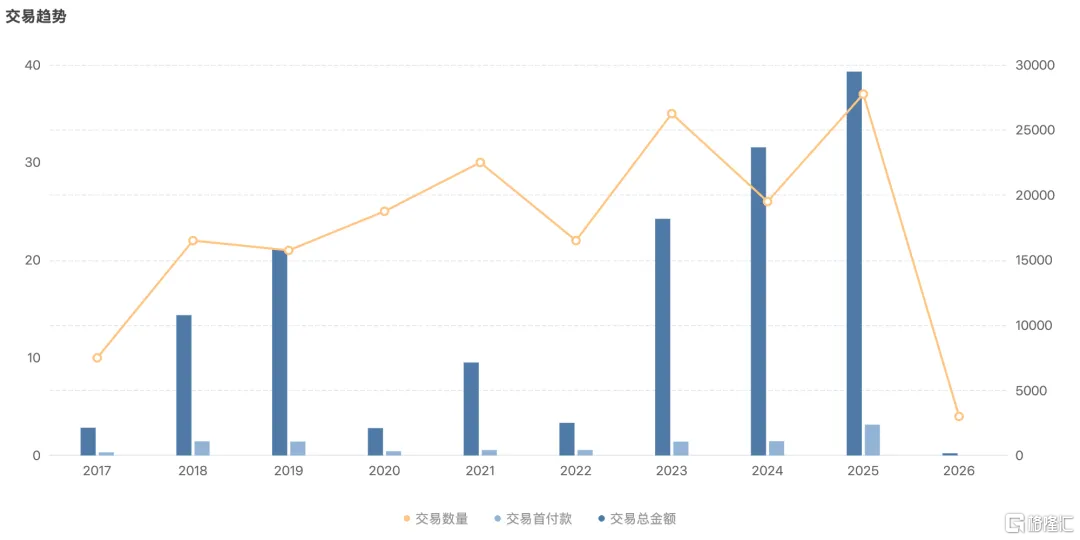
Core Insights - The small nucleic acid drug sector is experiencing a significant surge, marking the beginning of a golden era driven by technological breakthroughs and capital enthusiasm [2][11][22] Industry Developments - On January 5, 2026, Sanofi's APOC3 siRNA drug Plozasiran was approved for domestic market use to treat hyperlipidemia [1] - On January 9, 2026, Rebio Biotech, known as "China's first small nucleic acid stock," successfully listed on the Hong Kong Stock Exchange, with its stock price soaring by 40% on the first day, leading to a market capitalization exceeding 13 billion HKD [1] - China National Pharmaceutical Group announced a 1.2 billion CNY acquisition of Hegia Biotech, securing the world's first clinically validated liver-targeted delivery platform capable of annual dosing [1] Market Trends - The global small nucleic acid drug market has seen nearly 100 business development (BD) collaborations in the past three years, with transaction numbers and amounts increasing annually, reaching over 30 BD deals in 2025 totaling nearly 30 billion USD [4][9] - Notable transactions in 2025 included Novartis acquiring Avidity Biosciences for 12 billion USD and multiple other significant deals involving RNA therapies [7][9] Clinical Advancements - Ionis's APOC3 ASO drug Olezarsen showed promising results in reducing triglyceride levels by up to 72% in patients with severe hypertriglyceridemia, leading to an increase in peak annual sales forecast from 1.5 billion USD to 2.5 billion USD [12] - GSK's ASO therapy Bepirovirsen is expected to be the first drug to achieve functional cure for chronic hepatitis B, with a peak annual sales potential of 2 billion USD [12] Emerging Opportunities - The small nucleic acid drugs are expanding into various therapeutic areas, including obesity and kidney diseases, with promising results from clinical trials demonstrating significant weight loss and metabolic health improvements [13][15] - The number of small nucleic acid drugs in development globally has surpassed 1,200, with siRNA and ASO therapies being the most prominent [17] Strategic Collaborations - Domestic companies are increasingly recognized for their innovative value in small nucleic acid drugs, with active BD transactions, including significant collaborations by Rebio Biotech and other firms [18][21] - Companies like Saintin Biotech are forming strategic partnerships with major pharmaceutical firms to advance their small nucleic acid drug pipelines [19] Conclusion - The convergence of technological advancements, capital influx, and successful clinical outcomes is propelling small nucleic acid drugs into a pivotal position within the pharmaceutical industry, with China poised to become a global innovation hub [22]




跨国巨头“抢滩”小核酸药物 能否打造下一个千亿市场?
2 1 Shi Ji Jing Ji Bao Dao· 2026-01-06 09:59
Core Insights - A new lipid-lowering drug, Plozasiran, has received FDA approval and is now entering the Chinese market, marking a significant strategic shift for multinational pharmaceutical companies in China [1][2] Group 1: Drug Approval and Market Entry - Plozasiran, developed by Arrowhead Pharmaceuticals, is the first siRNA drug targeting APOC3 approved by the FDA, designed to lower triglyceride levels in adult patients with familial chylomicronemia syndrome (FCS) [1][2] - Sanofi has obtained the rights for the development and commercialization of Plozasiran in Greater China, with Arrowhead's subsidiary set to receive $130 million in upfront payments and up to $265 million in milestone payments [1][6] Group 2: Market Dynamics and Strategic Shifts - The approval of Plozasiran reflects a broader trend in the pharmaceutical industry, where companies are shifting their business development strategies from "external expansion" to "value capture" in response to rising R&D costs and extended timelines [2][4] - The Chinese innovative drug business development (BD) market reached a record high of $135.655 billion in total transaction value by the end of 2025, indicating a significant increase in external innovation partnerships [4] Group 3: Clinical Need and Treatment Landscape - There is a substantial unmet need in the high triglyceride management space, with Plozasiran expected to address the challenges faced by FCS patients, who previously had no effective treatment options [7][8] - Plozasiran has shown an 80% reduction in fasting triglyceride levels and an 80% decrease in the risk of acute pancreatitis compared to placebo, highlighting its potential impact on patient care [2][9] Group 4: Commercialization Challenges - Despite its advantages, Plozasiran faces significant commercialization challenges in China, including the need for physician and patient education regarding its novel mechanism of action and the competitive landscape of existing lipid management therapies [10][11] - The market potential for siRNA drugs is promising, as evidenced by the sales growth of similar products like Novartis' Leqvio, which achieved $308 million in Q3 2025, indicating a strong commercial value for RNA interference therapies [11][12] Group 5: Future Directions and Strategic Considerations - The pharmaceutical industry is increasingly recognizing the importance of balancing internal R&D with external BD to capture innovative therapies, especially in the context of rising competition and the emergence of local Chinese biotech firms [12][13] - Companies are encouraged to adopt a long-term perspective in the Chinese market, focusing on sustainable strategies that enhance patient care and address the growing burden of chronic diseases [12]