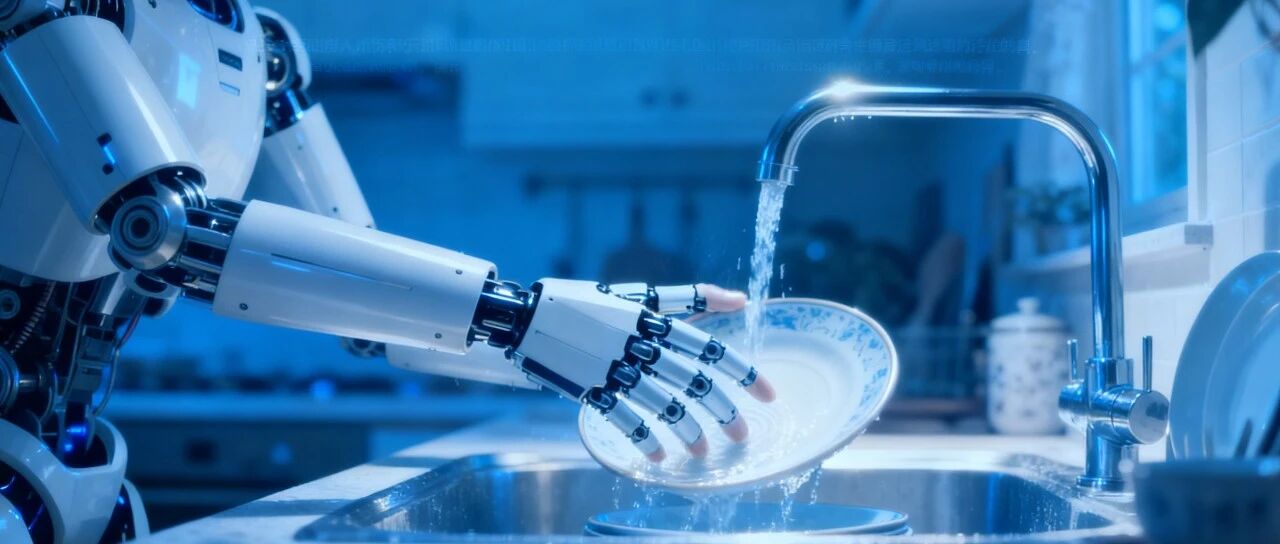
RH56F1系列灵巧手

Search documents
马斯克被一只“手”卡住了脖子,中国公司却已悄悄量产上万台
Sou Hu Cai Jing· 2025-11-05 10:15
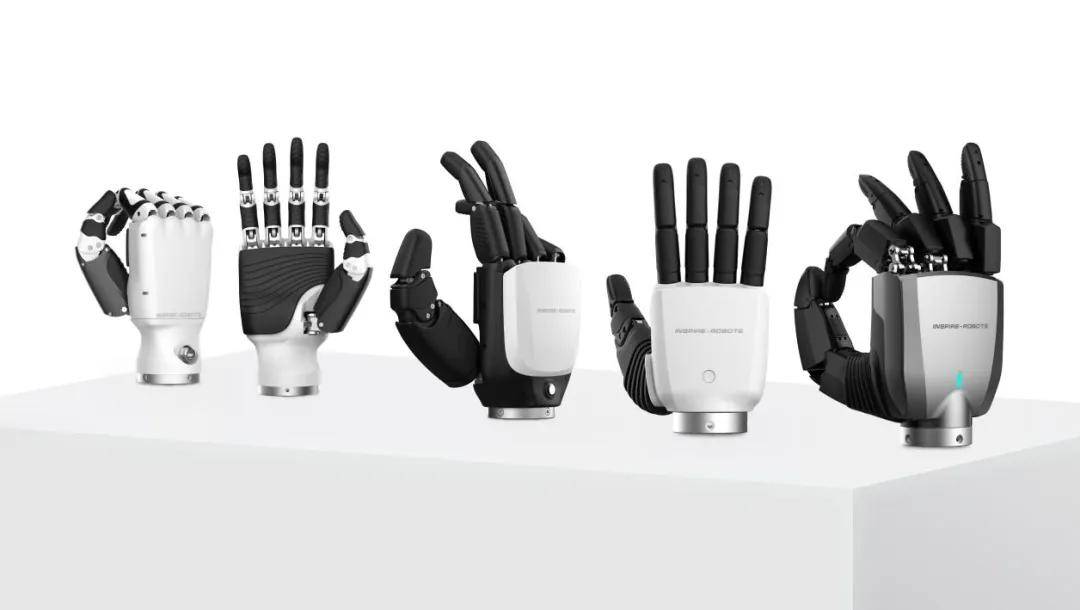
Core Insights - Tesla is facing significant challenges in producing flexible robotic hands for its Optimus humanoid robots, leading to a reduction in its production plans for thousands of units this year [1][3] - In contrast, a Chinese company, InTime Robotics, has successfully achieved mass production and commercialization of dexterous robotic hands, with a shipment of nearly 4,000 units in just the first half of this year, positioning itself as a global leader in this field [1][4] Group 1: Technical Challenges - The robotic hand is the most technically dense and difficult component in humanoid robots, with Tesla struggling to integrate sufficient degrees of freedom and sensors within a compact design [3][4] - InTime Robotics has overcome the transition from laboratory prototypes to mass production through self-research and nearly a decade of experience, allowing it to lead in the market [4][6] Group 2: Innovative Design and Manufacturing - InTime Robotics developed a linear drive design that integrates motors, reducers, screws, and sensors into a compact actuator, enabling effective control of finger movements within limited space [4][6] - The introduction of the micro-servo cylinder has significantly lowered the barriers to research and manufacturing of dexterous hands, making it a preferred solution in the market [6][12] Group 3: Product Iteration and Market Adaptation - InTime Robotics is set to release two major product lines in 2025, showcasing its strong capability for continuous product iteration and adaptation to customer needs [7][10] - The RH56F1 series, designed for humanoid robots, features advanced sensing capabilities and a robust structure, while the RH5EG1 series offers high flexibility and precision, demonstrating the company's commitment to innovation [10][12] Group 4: Competitive Advantage and Market Position - InTime Robotics has established long-term barriers in core technology, production systems, and organizational mechanisms, enabling it to convert technology into stable products effectively [13][15] - The company has developed specialized assembly and testing tools, ensuring high consistency and quality control in production, which contributes to its competitive edge [15][16] Group 5: Industry Implications - The dexterous hand is a critical component for the advancement of humanoid robots, with Tesla's struggles highlighting a common technical bottleneck in the industry [16] - InTime Robotics' success not only positions it as a benchmark in China's dexterous hand sector but also reflects the broader advancements in China's high-tech manufacturing capabilities [16]

马斯克被一只“手”卡住了脖子,中国公司却已悄悄量产上万台
机器人大讲堂· 2025-11-05 09:57
Core Viewpoint - Tesla is facing significant challenges in producing flexible robotic hands for its Optimus humanoid robots, leading to a reduction in production plans for thousands of units in 2023. In contrast, a Chinese company, InTime Robotics, has successfully achieved mass production and commercialization of dexterous hands, positioning itself as a global leader in this field [1][3]. Group 1: Challenges in Robotic Hand Production - The robotic hand is the most technically dense and difficult component in humanoid robots, with Tesla struggling to integrate sufficient degrees of freedom and sensors within a compact design [3]. - InTime Robotics has overcome the bottleneck from laboratory prototypes to mass production through self-research and nearly a decade of experience, allowing it to advance from initial development to optimization [4][5]. Group 2: Technological Innovations - InTime Robotics recognized early on that the challenge lies in efficiently producing consistent and usable dexterous hands while maintaining performance [4]. - The company employs an innovative linear drive design that integrates motors, reducers, screws, and sensors into a compact actuator, facilitating the control of finger movements within limited space [5][7]. Group 3: Product Iteration and Market Position - InTime Robotics has demonstrated strong iterative capabilities with the launch of two significant product series in 2025, showcasing its technical depth and adaptability to diverse humanoid robot needs [8][10]. - The RH56F1 series features a full-metal design and advanced multi-modal sensing capabilities, enhancing its precision and adaptability for industrial automation and humanoid robots [10][13]. Group 4: Competitive Advantages - InTime Robotics has established long-term barriers in core technology, production systems, and organizational mechanisms, enabling it to convert technology into stable products while understanding customer needs [15][16]. - The company has developed specialized assembly and testing tools to ensure high consistency and quality control, which are critical for the performance of dexterous hands [15]. Group 5: Implications for the Industry - The dexterous hand is crucial for the practical application of humanoid robots, and the challenges faced by Tesla reflect a broader technological bottleneck in the global robotics industry [16]. - InTime Robotics' success in mass production and continuous innovation positions it as a benchmark in China's dexterous hand sector, with potential to lead in the global humanoid robot market [16].