RIO强爽系列

Search documents
从“5%”到“1351亿”,新酒饮正定义中国酒业下一个周期
Sou Hu Cai Jing· 2026-01-23 11:28
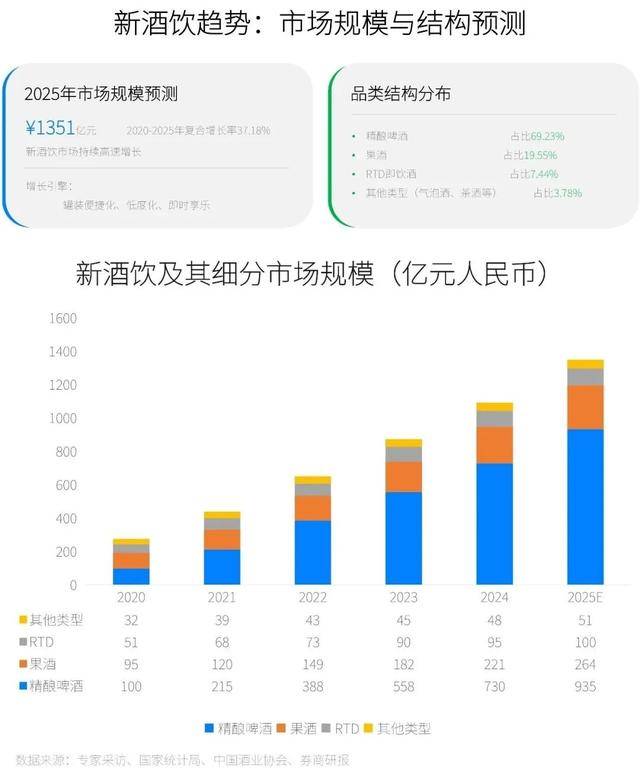
Core Insights - The Chinese alcoholic beverage industry is undergoing a profound structural transformation driven by generational consumption shifts, scene migration, and supply innovation [1][2] - Traditional segments like liquor, beer, and wine are experiencing stagnation, while the "new alcoholic beverages" category, characterized by low alcohol content and diverse flavors, is rapidly emerging as a new growth curve [1][2] - The new alcoholic beverage market is projected to reach 135.1 billion yuan by 2025, with a compound annual growth rate (CAGR) of 37.18% from 2020 to 2025, making it the fastest-growing segment in the industry [2][3] Consumption Trends - The report highlights a significant decline in traditional liquor consumption, with the share of public consumption of liquor dropping from 40% to 5% [2][3] - The new alcoholic beverage segment is gaining traction, with 42% of consumers indicating that "treating oneself" is a major consumption trend, and scenarios like "small gatherings" and "solo drinking" accounting for nearly 80% of new beverage purchases [7][9] Industry Dynamics - The rise of new alcoholic beverages is attributed to three key industry factors: product logic redefinition, consumer demographic evolution, and channel system revolution [9][10] - Traditional alcohol development focused on product-centric approaches, while new alcoholic beverages prioritize identifying target demographics and consumption scenarios before defining products [10][12] Consumer Demographics - The core users of new alcoholic beverages are predominantly women and younger consumers, with female users of fruit wine making up 64.72% and 76.7% of the 18-30 age group preferring low-alcohol beverages [12][13] - This demographic shift is leading to a more democratized consumption landscape, emphasizing individual experience over traditional male-dominated decision-making [12][13] Channel Innovations - The channel structure for new alcoholic beverages is undergoing a fundamental transformation, with instant retail (O2O) becoming a new growth engine, projected to increase from less than 6.8% in 2020 to over 15% by 2025 [13][14] - The shift from traditional distribution to instant retail reflects a change in channel functionality from storage and planned purchasing to immediate fulfillment within 30 minutes [13][14] Industry Restructuring - The emergence of new alcoholic beverages signifies a comprehensive restructuring of the industry, affecting every aspect of the value chain, including brands, distributors, and competitive dynamics [14][15] - Brands must transition from being product-centric to becoming scene-oriented operational companies, focusing on defining scenarios and providing comprehensive solutions for distribution [15][16] Future Trends - The future of the new alcoholic beverage market will focus on health and functionality, with products increasingly featuring low-sugar and low-calorie options, as well as functional ingredients [17][20] - There will be a parallel trend of value segmentation and premiumization, with high-end products emerging based on unique ingredients and cultural narratives, indicating a willingness among consumers to pay a premium for quality [17][20] - The market is shifting from a "broad product" era to a "precision cultivation" era, where brands will need to target specific consumer segments and high-value scenarios to build loyalty and brand barriers [20]

RIO想“灌醉”年轻人,12度小酒开售却遇冷
凤凰网财经· 2025-08-06 13:45
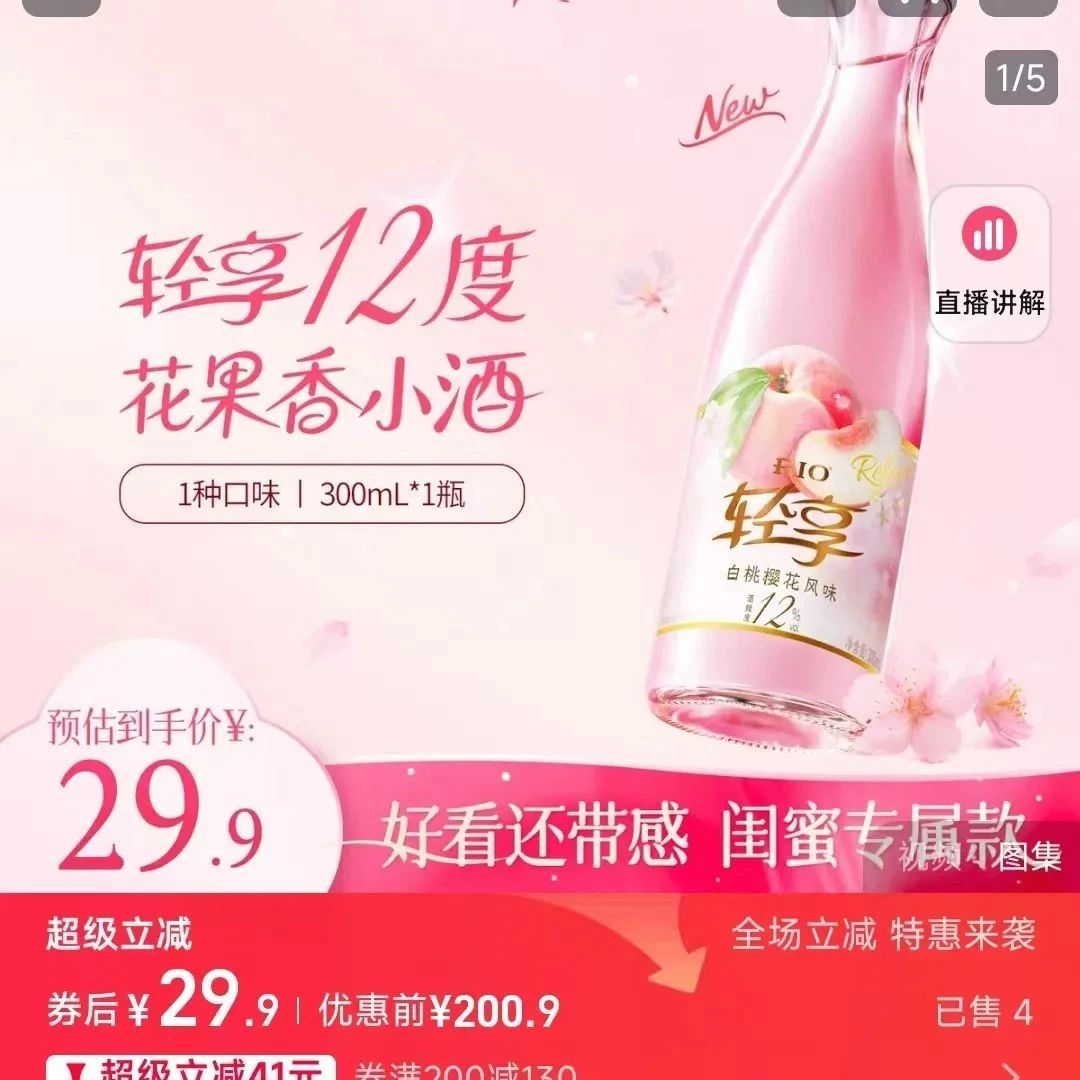
Core Viewpoint - RIO is expanding its product line by launching a new 12-degree cocktail, aiming to capture a broader market segment amidst declining sales and increasing competition in the ready-to-drink (RTD) beverage sector [2][3][4]. Product Launch and Market Position - The new 12-degree cocktail, available in three flavors, marks a significant increase in alcohol content compared to RIO's previous offerings, which ranged from 3 to 8 degrees [2][3]. - The product was launched online on August 5, but initial sales figures were disappointing, with minimal units sold on platforms like Tmall [11][12]. - RIO's core business is primarily driven by its cocktail series, which includes various sub-brands targeting different consumer preferences [3][6]. Consumer Trends and Target Audience - The shift towards higher alcohol content is a response to changing consumer preferences, particularly among younger male consumers and heavy drinkers, while still targeting female consumers with marketing strategies [7][8]. - The introduction of the 12-degree cocktail aims to fill the market gap between low and high alcohol beverages, differentiating itself from lower-alcohol products criticized for being too sweet [7][8]. Competitive Landscape - RIO faces increasing competition from both established brands and new entrants in the RTD market, including traditional liquor companies that have begun to offer their own pre-mixed cocktails [14][15]. - The company's market share has been challenged by the emergence of alternative beverages, leading to a decline in sales and a reduction in the number of distributors [16][17]. Financial Performance - RIO's parent company, BaiRun Co., reported a revenue decline of 6.61% in 2024, with a continued downward trend into 2025 [16][17]. - The pre-mixed cocktail segment, which constitutes nearly 90% of RIO's revenue, has been the primary driver of this decline, with a reported 7.17% decrease in revenue from this category [16][17]. Marketing and Brand Strategy - RIO's historical marketing strategies, including high-profile sponsorships and celebrity endorsements, have contributed to its initial success, but the brand is now struggling to maintain its relevance in a saturated market [13][15]. - The company has increased its marketing expenditures in recent years, but the effectiveness of these efforts is being questioned as consumer interest wanes [15][17].