
Refrigerator

Search documents
27 Years, 260,000 Appliances: Whirlpool Celebrates Habitat for Humanity's 50th Anniversary and Improving Lives and Communities Together
Prnewswire· 2026-03-24 11:00
Core Insights - Whirlpool Corporation celebrates Habitat for Humanity's 50th anniversary, reaffirming its commitment to providing safe and affordable housing globally [1][2] - The partnership has resulted in over 260,000 appliances donated and has positively impacted more than 1.1 million people [8] Group 1: Partnership with Habitat for Humanity - Whirlpool has been a corporate partner of Habitat for Humanity for 27 years, supporting home building efforts in the U.S. and approximately 50 other countries [2][3] - The company provides essential appliances for Habitat homes, helping new homeowners reduce costs and utility bills [2][3] - Whirlpool's BuildBetter program has contributed to sustainable housing initiatives and influenced over 300 housing policies, benefiting an estimated 10 million people [3] Group 2: Commitment to American Manufacturing - Whirlpool is the only major kitchen and laundry appliance manufacturer based in the U.S., with about 80% of its appliances sold in the U.S. produced domestically [4] - The company has invested $23 billion in manufacturing, labor, and logistics over the past decade, supporting a workforce of approximately 20,000 employees [4] Group 3: Financial Performance - In 2025, Whirlpool reported approximately $16 billion in annual net sales, with nearly 90% generated in the Americas [6]



最高1500元!河南2026年家电、数码产品补贴实施细则公布
Xin Lang Cai Jing· 2026-02-28 03:43
Core Viewpoint - The Henan Province has announced the implementation details for the 2026 subsidy program for replacing old household appliances and digital products, following the earlier vehicle trade-in subsidy policy [1][3]. Subsidy Scope - The subsidy covers six categories of household appliances: refrigerators (including freezers), washing machines (including washer-dryer combos), televisions (including laser TVs, excluding projectors), air conditioners (including home central air conditioning), computers (branded, excluding assembled machines), and water heaters (including wall-mounted boilers) [2][5]. - It also includes four categories of digital and smart products: mobile phones, tablets, smartwatches (bands), and smart glasses, with a single item sales price not exceeding 6,000 yuan [2][5]. Subsidy Standards - For household appliances, a subsidy of 15% of the final sales price is provided for energy-efficient or water-efficient products, with a maximum subsidy of 1,500 yuan per item for each consumer [6]. - For digital and smart products, a similar subsidy of 15% applies, with a maximum of 500 yuan per item for each consumer [6]. Participation Process - Consumers must log into the Yunshangfu APP for real-name registration and obtain subsidy vouchers [7]. - Upon purchasing eligible products, consumers will receive an immediate discount at the point of sale, and merchants must issue invoices reflecting the actual payment plus the government subsidy [7]. - Merchants are required to collect necessary information for subsidy verification, including product serial numbers and activation codes for certain devices [8]. Basic Conditions for Participants - Participants must be legally registered entities with independent accounting, primarily engaged in retail of household appliances and digital products, and must have the capability for after-sales services [9]. - They must have a good credit status, with no significant safety incidents or violations in the past two years [9]. - Participants must publicly disclose product pricing and ensure compliance with subsidy regulations [10]. Responsibilities and Requirements - The business department is responsible for determining and publishing the list of participating entities, overseeing compliance, and managing funds [12]. - The finance department will handle fund disbursement and monitoring, aiming for efficient subsidy payments [12]. - Market regulation departments will ensure product quality and price monitoring, protecting consumer rights [12]. - Participants must adhere to legal regulations and avoid fraudulent practices, with penalties for violations [14].
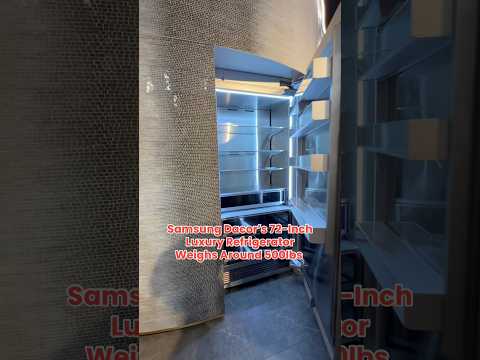
Samsung Dacor’s Luxury 72-Inch Refrigerator Weighs Around 500lbs
CNET· 2026-02-21 03:00
ation. You have the refrigerators hidden inside a full on uh like a silo column. We partner together with artistic tile.We got all the tiling work as well as the uh the stone work to make sure that uh you know we're able to kind of um work together with the people in our industry to kind of bring over you know everything together. >> These are 36s. 2 36s >> 2 36 72 in.This is so heavy that we had to put wheels on the bottom. That's the reason why. Yeah.These are like 250 lbs each. ...
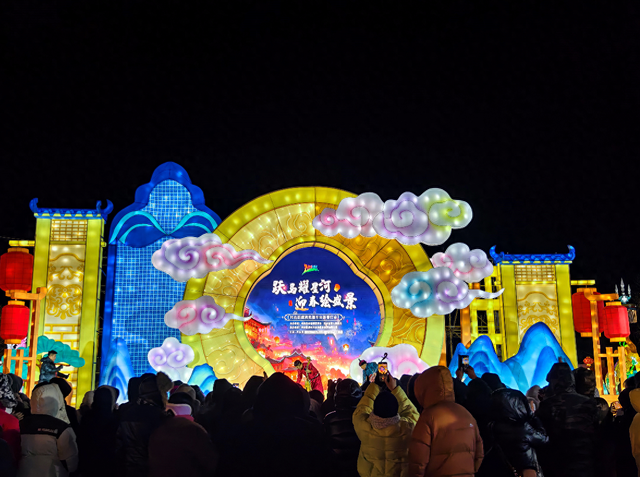
换新补贴+年味盛宴 兴安盟多场活动迎春接福
Xin Lang Cai Jing· 2026-02-14 09:16
Group 1 - The core theme of the consumption promotion in Xing'an League is "Warm Spring on the Ridge, Beneficial Purchase in Xing'an," featuring enhanced policy subsidies and integration of commerce, culture, and tourism [1] - A total of 8.5 million yuan in consumption vouchers will be distributed across the region, with trade-in subsidies for automobiles and home appliances reaching up to 20,000 yuan [1] - The new trade-in policy, effective from January 1, 2026, will cover 12 categories of home appliances and digital products, offering a 15% subsidy on the selling price for energy-efficient appliances and digital products [1] Group 2 - The new spring lantern festival at the Guiliuhe Ecological Park in Keyou Qianqi will run until March 4, featuring over 40 unique lantern displays and a variety of cultural performances [3] - The second annual New Year goods festival in Xing'an League, which started on February 4, attracted over 150 merchants and showcased more than 1,000 specialty products, achieving sales of 500,000 yuan on the first day [3] - Online live-streaming sales through platforms like Douyin and JD.com are promoting local agricultural products nationwide as part of the "Xing'an Cloud New Year Goods Festival" [3]
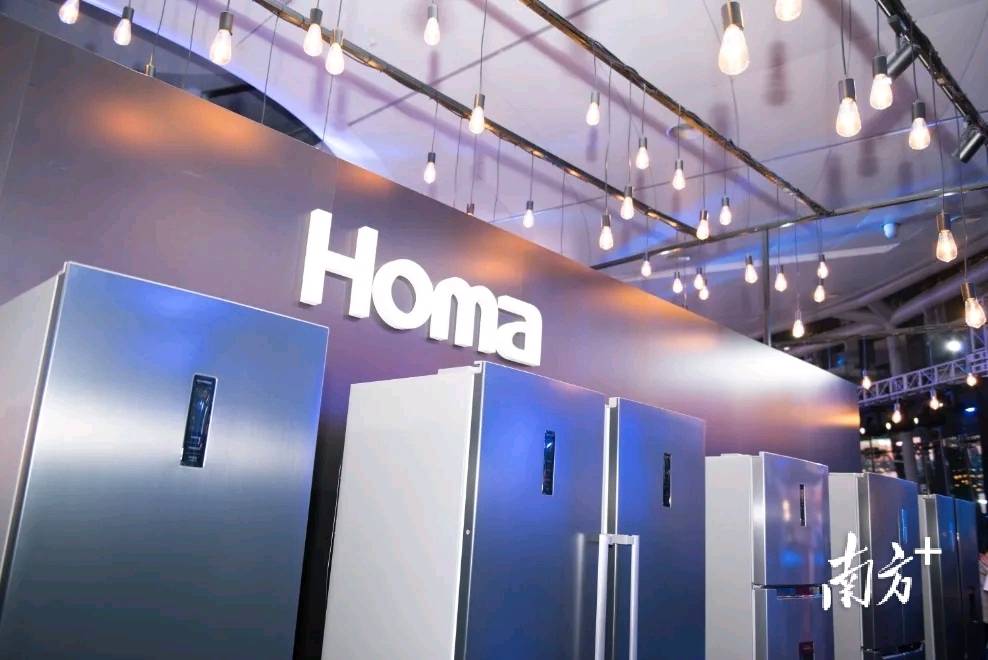
780款广货亮相,中山新“百货”进上海滩
Sou Hu Cai Jing· 2026-01-31 14:56
Group 1 - The core event is the introduction of "Guang goods" from Zhongshan to Shanghai, marking a significant step in expanding the market for Guangdong products in the Yangtze River Delta [1][6] - Zhongshan showcased nearly 780 unique products in Shanghai, highlighting its role as a traditional manufacturing city in the Guangdong-Hong Kong-Macau Greater Bay Area [1][3] - The event features a "1+1+N" model for exhibition spaces, including a main venue and multiple sub-venues, with participation from over 200 local enterprises and 500 products [3][5] Group 2 - Zhongshan is recognized for its strong industrial foundation, particularly in lighting, where it controls approximately 60% of the global market share in lighting fixtures [3][5] - The city is also known for its precision hardware and locks, producing billions of units annually, establishing itself as a key player in the global security market [5] - The event includes six themed exhibition areas, showcasing a range of products from high-end manufacturing to local delicacies, reflecting the diverse industrial capabilities of Zhongshan [5][6] Group 3 - The collaboration between Shanghai's international capital and Zhongshan's complete industrial chain presents opportunities for deep cooperation between the Greater Bay Area and the Yangtze River Delta [6]
最高补贴2万元!2026年青海省以旧换新补贴比例公布
Sou Hu Cai Jing· 2026-01-16 06:54
Core Insights - Qinghai Province is set to further optimize its consumer goods trade-in policy by 2026, aiming to boost consumption and economic development [1] Group 1: Investment and Economic Impact - In 2025, Qinghai Province invested a total of 1.69 billion yuan, benefiting over 1.52 million people and stimulating consumption worth 19.7 billion yuan [1] - The province achieved significant results in vehicle and appliance upgrades, with 92,000 new cars, 496,000 home appliances, 615,000 digital products, and 31,900 home decor items purchased through the trade-in program [1] Group 2: Policy Adjustments - The central government will continue to allocate long-term special treasury bond funds to support the trade-in policy, with local governments providing matching funds [1] - In 2026, Qinghai will implement further optimizations to the trade-in policies for automobiles, home appliances, and digital products [1] Group 3: Specific Subsidy Standards - The subsidy for old car trade-ins will be adjusted to a percentage of the vehicle price, with new energy vehicles receiving 12% of the price (up to 20,000 yuan) and fuel vehicles receiving 10% (up to 15,000 yuan) [2] - For home appliances, consumers will receive a 15% subsidy on qualifying products, with a maximum of 1,500 yuan [2] - The subsidy for digital products will also be set at 15% for items priced under 6,000 yuan, with a maximum of 500 yuan [2]
中国家电板块 2026 展望:补贴相关消费调研显示不同品类需求分化-China Consumer Appliances Sector_ Outlook 2026_ Consumer survey on subsidies shows diverging demand across categories
2026-01-15 06:33
Summary of Key Points from the Conference Call Industry Overview - **Industry**: China Consumer Appliances Sector - **Outlook**: The major appliance sector is entering a post-subsidy downcycle in H225-27, with expectations of subdued domestic demand in H126 due to fading subsidy benefits. However, demand may stabilize in H226 and potentially turn around in 2027 [2][11]. Core Insights - **Domestic Demand**: Anticipated declines in shipments for air conditioners (AC), washing machines (WM), refrigerators, and range hoods by 5%, 2%, 4%, and 5% YoY respectively in 2026, as trade-in subsidies continue to impact the market [2]. - **Average Selling Price (ASP)**: Expected to remain stable in 2026, with potential product mix downgrades offset by industry-wide price hikes led by Midea due to rising copper prices [2][36]. - **Consumer Survey Findings**: A UBS Evidence Lab survey indicated limited upside in white goods demand for 2026, with a median household budget for home appliances expected to drop by 11% YoY, particularly in tier-1 cities where the decline is projected at 27% [3][27]. Export Challenges and Opportunities - **Exports**: Global white goods demand is projected to grow by 1.5% YoY in 2026, but Chinese exports of AC, WM, and refrigerators are expected to decline by 4.0%, 0.2%, and 4.3% YoY respectively. Exports to Europe and the US are likely to remain muted due to US tariffs and capacity relocation [4][16]. - **Emerging Markets**: There is potential for demand growth in emerging markets and the US, particularly with lower interest rates [4][16]. Stock Recommendations - **Buy Ratings**: Midea, Haier, Hisense, and Roborock are recommended for their potential to consolidate market share and grow margins through price hikes. Midea is favored for its overseas demand exposure, Haier for its margin upside from US rate cuts, and Roborock as a beneficiary of trade-in subsidies [5][10]. - **Sell Rating**: Gree is viewed as vulnerable to domestic headwinds [5]. Earnings Forecast Adjustments - **Earnings Forecasts**: Adjustments made due to lower-than-expected domestic appliance sales and rising raw material prices, particularly copper. Price targets for major appliance companies have been revised upwards as valuations are rolled forward to 2027 [7][8]. Consumer Behavior Insights - **Purchase Intentions**: The survey revealed a decline in purchase intentions across most categories, with notable increases for TVs and cleaning appliances. The largest declines were seen in AC and WM, likely due to prior subsidy usage [3][27]. - **RVC Market**: Purchase intentions for leading robot vacuum cleaner brands (Ecovacs, Roborock, Dreame) have increased, indicating a shift towards these products due to improved affordability and consumer education [3][44]. Additional Insights - **Subsidy Impact**: The impact of trade-in subsidies has been significant, with 128 million units purchased in 2025. However, the demand pull-forward effect suggests limited upside for 2026 [19][26]. - **Market Trends**: The importance of smart features and integration with smart home platforms is rising among consumers when selecting RVCs, indicating a trend towards more technologically advanced products [45]. This summary encapsulates the key points from the conference call, highlighting the current state and future outlook of the China consumer appliances sector, along with consumer behavior trends and stock recommendations.





长虹美菱:聚焦拉美、中东、欧洲市场,加速海外自主品牌规模化发展
2 1 Shi Ji Jing Ji Bao Dao· 2026-01-14 09:33
Core Viewpoint - Changhong Meiling is focusing on expanding its overseas air conditioning and refrigerator businesses by enhancing its product matrix and implementing an agile follow-up strategy to seize market opportunities in regions such as Latin America, the Middle East, and Europe [1] Group 1: Air Conditioning Business - The company is improving its product matrix and platform development to capture market opportunities [1] - It is implementing an agile follow-up strategy to gain market share [1] - Key regions for expansion include Latin America, the Middle East, and Europe, with a focus on deepening relationships with core major clients [1] Group 2: Brand Strategy - The company adheres to a brand-first strategy, focusing on its home market to ensure the continuous growth of its own brand [1] - It aims to build a full-cycle service system to support its overseas operations [1] Group 3: Refrigerator Business - In the overseas refrigerator market, the company is promoting trend-driven products such as wind cooling, variable frequency, multi-door, and energy-saving models [1] - There is an accelerated expansion into the Asia, Africa, and Latin America markets to scale up its overseas self-owned brand business [1] - The goal is to create a brand image with international influence [1]

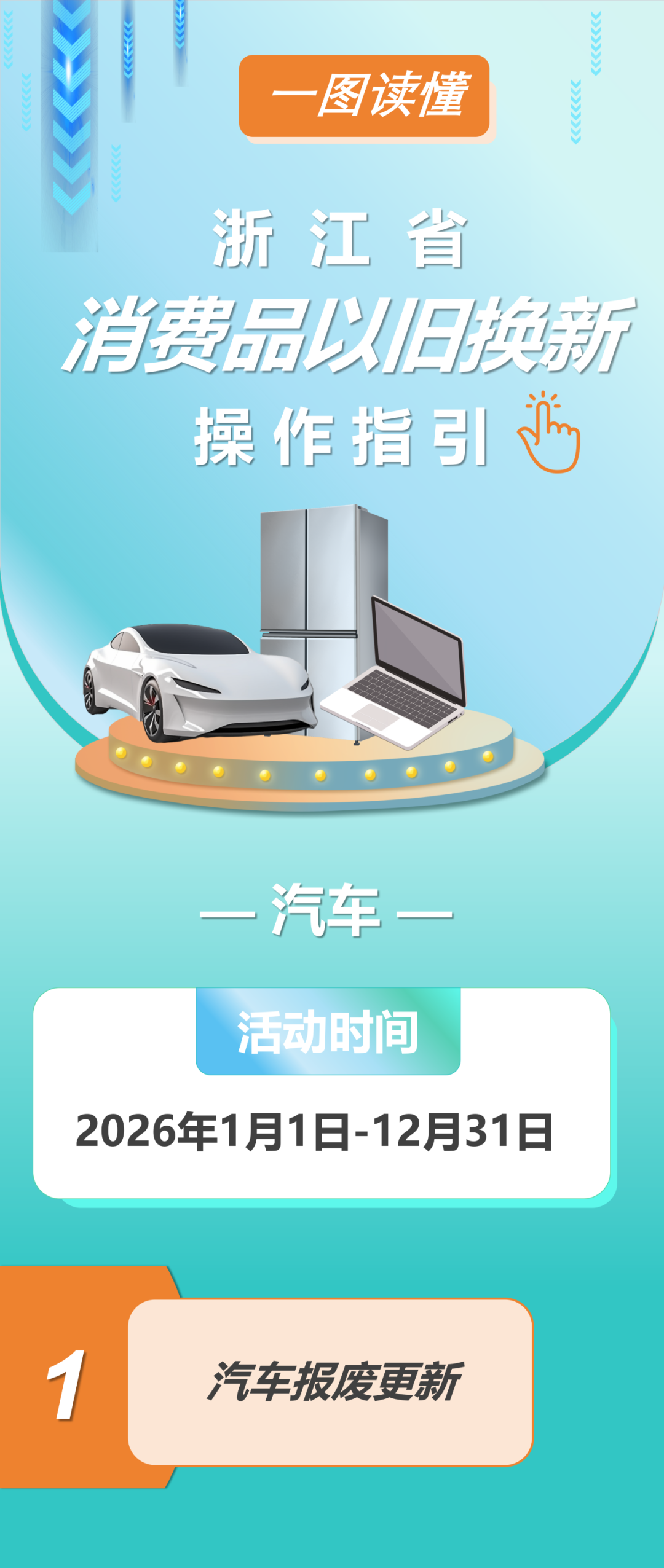
今起实施!2026年浙江消费品以旧换新,操作指引来了
Xin Lang Cai Jing· 2026-01-01 07:30
Group 1: Core Points - The Zhejiang province will implement a vehicle trade-in program from January 1, 2026, to December 31, 2026 [1][25] - The program aims to encourage consumers to replace old vehicles with new ones, providing subsidies for eligible purchases [3][18] Group 2: Subsidy Details - For scrapping and updating vehicles, personal consumers can receive a subsidy of 12% of the vehicle price, with a maximum subsidy of 20,000 yuan for new energy vehicles and 15,000 yuan for fuel vehicles [7][9][19] - The eligibility for the subsidy requires that the old vehicle must be registered in the applicant's name before January 8, 2025, and the new vehicle must be purchased within the program period [13][21] Group 3: Application Process - Consumers can apply for subsidies through platforms like Alipay and WeChat by searching for the "Zhejiang Auto Trade-in" mini-program [17][22] - Required documents for application include the scrapping certificate, vehicle deregistration certificate, sales invoice, and vehicle registration certificate, all of which must be obtained after January 1, 2026 [13][21] Group 4: Additional Consumer Products - The program also includes subsidies for household appliances such as televisions, refrigerators, washing machines, air conditioners, computers, and water heaters, with a subsidy of 15% of the actual sales price and a maximum of 1,500 yuan per item [30][31] - Consumers can participate in both online and offline activities to claim these subsidies, with specific guidelines for each method [32][43]
@北京消费者,家电、数码以旧换新补贴元旦开领
Xin Lang Cai Jing· 2025-12-31 13:47
Core Viewpoint - Beijing will implement a subsidy program for the replacement of old household appliances and digital products starting January 1, 2026, aimed at encouraging consumer spending in these sectors [1]. Subsidy Details - The subsidy will apply to six categories of household appliances (refrigerators, washing machines, televisions, air conditioners, water heaters, and computers) and four categories of digital products (mobile phones, tablets, smartwatches, and smart glasses) [1][10]. - The subsidy amount will be 15% of the final sales price after discounts, with a maximum of 1,500 yuan for household appliances and 500 yuan for digital products per item [1][10]. Qualification Process - Consumers can obtain subsidy qualifications through the "Jingtong" mini-program starting at 8 AM daily, with qualifications valid for the month of issuance [1][4]. - The program allows for both online and offline redemption, with specific platforms and stores designated for each [4][12][13]. Redemption Guidelines - For online purchases, consumers must complete the qualification process in the mini-program and then use the generated code on designated e-commerce platforms [6][7]. - For offline purchases, consumers must show the qualification QR code to participating retailers for verification [7]. Additional Information - The program includes a mechanism for reissuing qualifications if they expire without use, allowing consumers to reapply [1][4][16]. - The initiative is part of a broader effort to stimulate economic activity in the consumer electronics sector [1].
