Smart精灵#1

Search documents
一年血亏10万,二手小米SU7车价“腰斩”?记者探访济南二手车市场,有车商报价14.5万
Qi Lu Wan Bao· 2026-01-23 13:20
Core Viewpoint - The recent discussions about Xiaomi's used car market indicate a significant price drop, but the company's response highlights that their used car retention rate is at 80.1%, which is considered top-tier in the industry [1][3]. Group 1: Market Conditions - Reports from the Jinan used car market suggest that the depreciation of Xiaomi's SU7 model is within the normal range for electric vehicles, with a depreciation of about 30% after one and a half years of use [2]. - The current market price for Xiaomi's used cars is seen as a return to normal levels, as previous high prices were due to supply-demand imbalances and speculative buying [4]. - The introduction of the new Xiaomi SU7 models has contributed to the price adjustments in the used car market, as earlier buyers are now selling their vehicles at lower prices due to increased supply [4]. Group 2: Industry Trends - The used car market for electric vehicles has a typical depreciation pattern, with a 20%-30% drop in the first year and around 10% in subsequent years [5]. - The overall used car transaction volume in China exceeded 20 million units in 2025, reflecting a growth trend, but over 70% of used car dealers are facing losses, indicating a challenging environment for the industry [7]. - The average transaction price for used cars has decreased from 61,200 yuan to 53,700 yuan, representing a 12.3% decline, which highlights the pressure on margins for dealers [7]. Group 3: Consumer Behavior - Consumers are increasingly viewing used electric vehicles as high-value purchases due to significant depreciation, leading to better deals for buyers [8][9]. - The shift in consumer perception is influenced by the rapid turnover and low-profit strategies adopted by dealers, making used electric vehicles more accessible [8]. - The use of live streaming for selling used cars has become a prominent strategy, with some dealers reporting that 80% of their sales come from this channel, reflecting a change in how consumers engage with the market [8].
一代“神车”本田飞度跌破7万元上市,但这个市场早已不属于它
Xin Lang Cai Jing· 2026-01-21 04:07
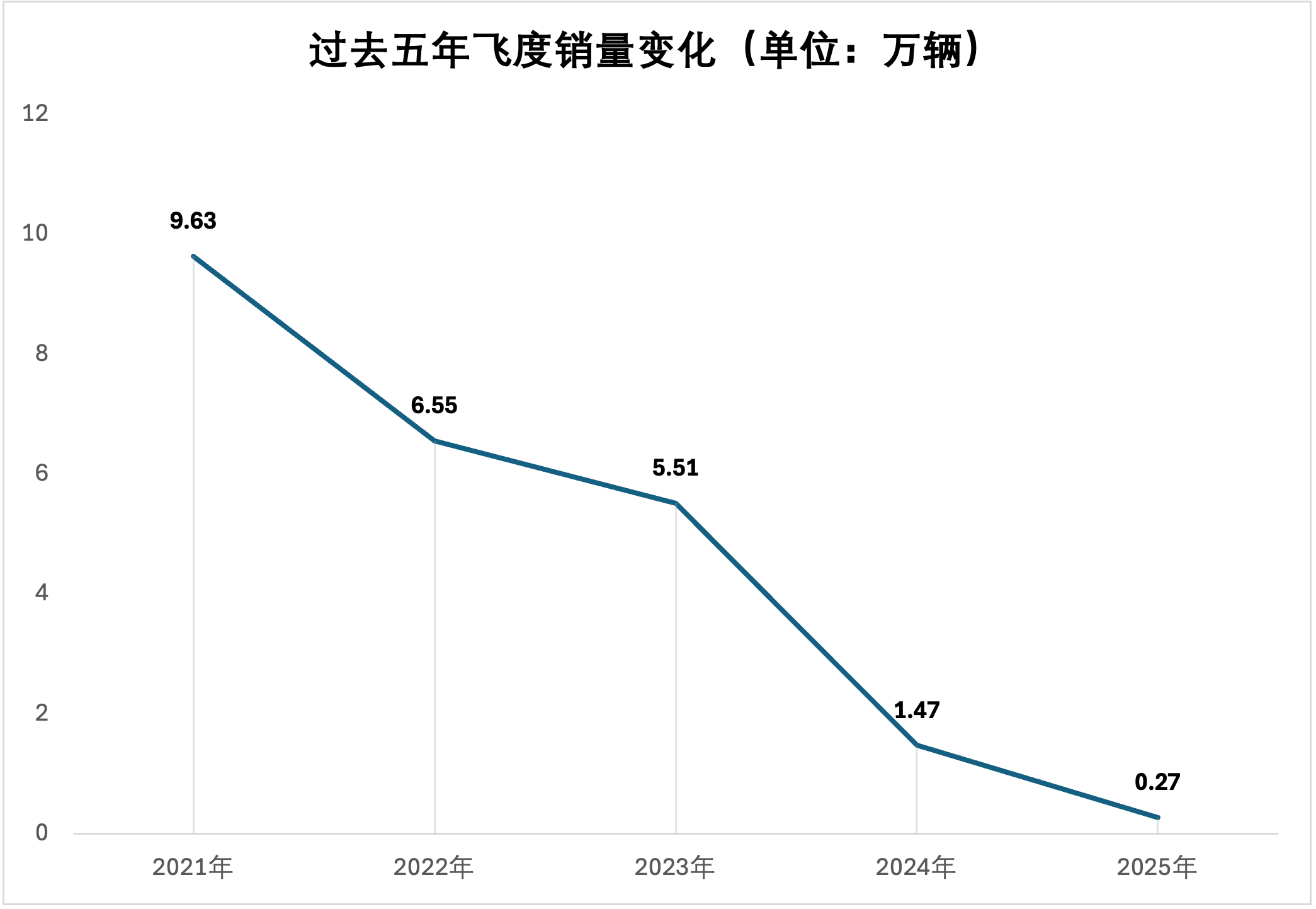
Core Viewpoint - Honda Fit is attempting to regain market attention through price reductions and limited marketing strategies, launching a new model priced at 66,800 yuan with a limited release of 3,000 units, despite only selling 2,695 units in 2025, which is less than the new model's release quantity [1][2] Group 1: Honda Fit's Market Position - The new Honda Fit has not changed in body size or power parameters compared to the 2024 model, with updates primarily in interior features, including a new 10.1-inch central control screen and standard Bluetooth and CarPlay functions [1] - The previous market dominance of the Fit was due to its competitive advantages in the fuel vehicle era, offering better interior space and fuel economy in the 100,000 yuan price range, making it a preferred choice for young consumers [1] - In 2018, the Fit achieved peak annual sales of 129,200 units in China, but by 2024, its sales plummeted over 70% to 14,700 units, dropping to eighth place in its segment [2] Group 2: Competitive Landscape - BYD has quickly filled the market gap left by the declining Fit, with its Dolphin and Seagull models dominating the small car market, achieving sales of 453,600 units for the Seagull in 2024, nearly double that of the second-place Wuling Bingo [4] - In 2025, Geely's Star Wish surpassed BYD's Seagull with sales of 465,800 units, becoming the new leader in the small car market and the overall sales champion in the Chinese passenger car market [4][5] - The small car market is highly concentrated, with only two to three models actively competing, making it crucial for brands to maintain a presence in consumer purchase intentions [5] Group 3: Challenges for Other Brands - Great Wall's Ora brand has seen a decline in market share, with sales dropping from 73,600 units in 2023 to 29,300 units in 2025, due to a strategic focus on profitability and reduced investment in the Ora brand [6] - The new Ora 5 model, launched after a three-year hiatus, is positioned as a compact SUV with a higher price range of 99,800 to 133,800 yuan, moving away from the small car segment [7] - The shift in branding strategy for Ora, moving from a female-focused identity to a broader market appeal, raises questions about the effectiveness of this change in a competitive environment [7] Group 4: Emerging Trends in the Small Car Market - The market for premium small cars, represented by brands like BMW MINI and NIO's Firefly, focuses on design and brand positioning rather than scale, achieving higher price points and brand premiums [10] - NIO's Firefly has captured 61% of the high-end small car market share, with plans for international expansion, including a launch in Singapore [11] - In contrast, Smart's sales have declined from 42,300 units in 2023 to 30,800 units in 2025, as its product strategy lacks focus, failing to maintain its classic small car appeal in the electric era [12] Group 5: Policy and Market Dynamics - The new subsidy policies for electric vehicles will limit the financial incentives for low-priced models, making it essential for companies to compete based on real value and product strength [13] - The small car market is expected to face overall declines in 2026 due to the dual pressures of subsidy reductions and tax changes, necessitating a balance between sales volume and profitability for all participants [13]