X EVA

Search documents
情感陪伴类AI迎新规:训练数据要求收紧,大厂要补的课不少
2 1 Shi Ji Jing Ji Bao Dao· 2025-12-29 00:37
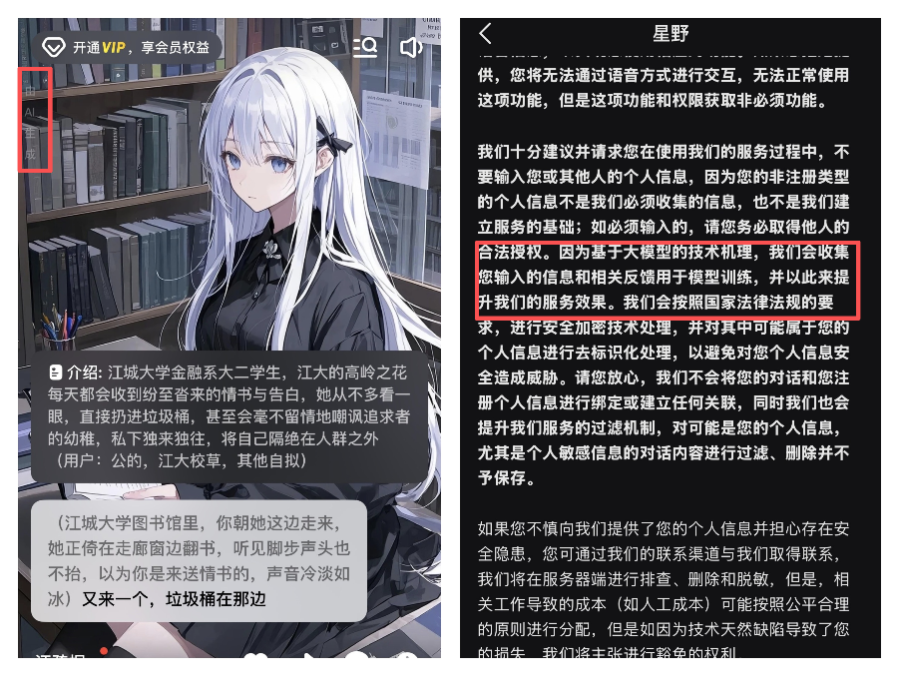
Core Viewpoint - The National Internet Information Office of China released a draft regulation on December 27, 2023, focusing on the management of AI emotional companionship services, defining it as products or services that simulate human characteristics and engage in emotional interactions [1] Group 1: Market Overview - The domestic AI emotional companionship market is maturing, with leading products like Xingye (MiniMax) achieving 4.88 million monthly active users and Cat Box (ByteDance) following closely with 4.72 million [1] - Xingye's operating company, MiniMax, reported approximately 120 million RMB in revenue for the first nine months of the year, with users spending an average of over 70 minutes daily on these products [1] Group 2: Regulatory Framework - The draft regulation emphasizes the need for clear user notifications that interactions are not with real humans and mandates dynamic reminders for users who are online for over two hours [2] - It requires systems to detect emotional distress or dependency behaviors, with protocols for human intervention in extreme cases, such as suicidal tendencies [2] - The regulation imposes strict limitations on training data, stating that user interaction data cannot be used for model training without explicit consent [2] Group 3: Compliance Challenges - Current leading products do not provide an easy opt-in/opt-out mechanism for data usage in model training, relying instead on a default consent model [3] - The AI identification on interaction pages is not sufficiently prominent, leading to instances where users mistakenly believe they are interacting with real people [3] Group 4: Content Safety Measures - Content risk control is currently the most developed aspect, with models designed to guide users towards seeking help in cases of suicidal tendencies [5] - However, challenges remain in effectively preventing suicide, as users may circumvent AI safety checks [5] Group 5: Global Context - The issue of AI emotional companionship has garnered attention from legislative bodies globally, with various countries, including the U.S. and EU, advancing targeted regulations [6] - Recent incidents involving AI companionship products have led to regulatory actions, such as the requirement for clear user notifications in New York and mandatory rest reminders for minors in California [6]

又一批AI社交产品悄悄「死亡」了
创业邦· 2025-10-17 07:35
Core Insights - A wave of AI social companies and products has quietly "died," including both well-known models and niche applications, indicating a significant shift in the AI social landscape [6][10][11] - Despite the shutdowns, AI companionship remains a popular sector, with many products still thriving and being recognized in top AI application lists [7][9] Group 1: Market Trends - In 2023, Character.AI emerged as a strong competitor to ChatGPT, with AI companionship being one of the hottest application categories [7] - By 2025, AI companionship applications had reached 220 million downloads globally, generating $221 million in consumer spending [16] - A survey indicated that 52% of teenagers reported using AI companionship applications at least a few times a month [16] Group 2: User Experience and Challenges - Users express concerns over the shutdowns, fearing loss of emotional connections with AI characters they have developed over time [14][18] - The pricing models of AI companionship applications, which often include subscription fees and pay-per-use structures, have been criticized for being too high and complex [17] - Community engagement and stable operations are crucial for user retention, yet many applications struggle to balance emotional content value with commercial viability [17][19] Group 3: Competitive Landscape - The AI companionship sector is highly competitive, with many products facing a "death spiral" due to user growth stagnation and declining engagement [18][19] - Successful AI companionship products are increasingly focusing on content-driven and feature-rich social platforms, while others are targeting niche verticals like gaming and therapy [22][23] - Innovations such as hardware integration, multi-modal experiences, and blending real and AI social interactions are being explored to enhance user engagement [23][26]

又一批AI社交产品悄悄“死亡”了
虎嗅APP· 2025-10-11 14:38
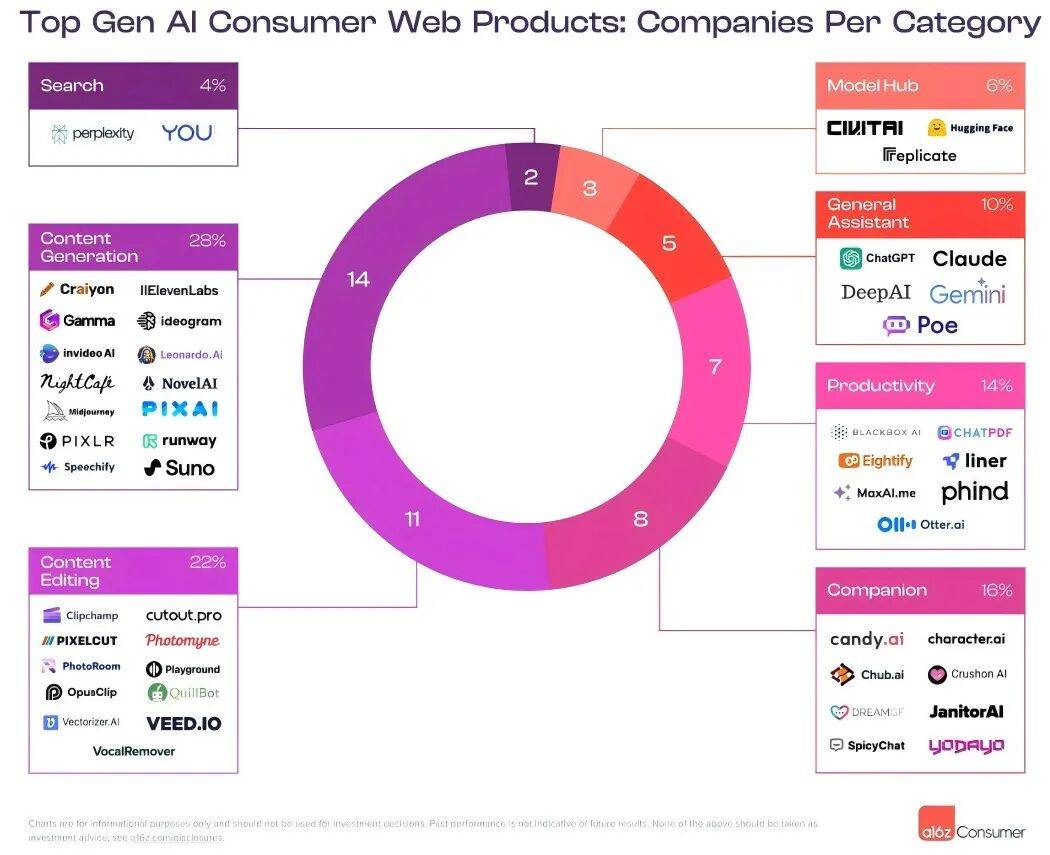
Core Insights - The article discusses the recent wave of shutdowns in the AI social and companionship sector, highlighting that both established companies and startups are facing challenges in sustaining their products [5][11][20] - Despite the shutdowns, AI companionship remains a popular category, with significant user engagement and growth potential, as evidenced by the global download figures and user surveys [15][16] Industry Trends - In September 2023, several AI social companies announced shutdowns, including notable names like "Bubbling Duck" and "Echo of Another World," indicating a trend of consolidation and challenges within the sector [5][11] - The AI companionship market has seen a rise in popularity, with a16z reporting that AI companionship applications are among the top categories, with 10 products listed in the "Top 50 AI Applications" [6][8] - By July 2025, AI companionship applications had achieved 220 million downloads globally, generating $221 million in consumer spending [15] User Behavior and Market Dynamics - Users of AI companionship products are experiencing anxiety over potential shutdowns, leading to a trend of users exploring multiple applications and creating emotional attachments to their virtual characters [13][20] - The pricing models of AI companionship applications, which often include subscription fees and pay-per-use structures, are causing dissatisfaction among users, with some applications charging up to thousands of dollars monthly [16][17] - Community engagement and stable operations are critical for the success of AI companionship products, as users expect a supportive environment for their interactions [18] Competitive Landscape - The AI companionship sector is characterized by intense competition, with many products struggling to differentiate themselves and meet the diverse emotional needs of users [9][22] - The article identifies two main paths for successful AI companionship products: transitioning to content-driven social platforms or focusing on niche verticals like gaming and therapy [25][27] - Innovations in user interaction, such as integrating hardware, multi-modal experiences, and blending real and virtual social interactions, are being explored to enhance user retention [31] Future Outlook - The article suggests that the AI companionship market is entering a new phase after a period of consolidation, with opportunities for products that can effectively balance emotional and commercial value [30][34] - The ongoing evolution of AI companionship products reflects a need for deeper understanding of user emotions and the complexities of social interactions [33][34]

又一批AI社交产品悄悄「死亡」了
3 6 Ke· 2025-10-11 07:56
Core Insights - A wave of AI social companies and products has quietly shut down, including notable models and mid-sized firms, indicating a challenging environment for AI social applications [1] - Despite the shutdowns, AI companionship remains a popular sector, with significant interest and investment, as evidenced by the inclusion of several AI companionship products in the top global applications [2][5] Industry Trends - The AI companionship market has seen a surge in popularity, with 10 products listed among the top 50 AI applications globally in 2024, showcasing its mainstream acceptance [2] - By mid-2025, many AI companionship companies continued to dominate the rankings, indicating sustained interest despite the challenges faced by some players [5] User Behavior - Users of AI companionship products have expressed concerns over the shutdowns, often feeling a strong emotional attachment to their virtual characters, leading to a sense of panic within the user community [10][12] - A significant number of users are exploring alternative AI companionship solutions, including open-source projects, as they seek stability in a fluctuating market [10][12] Market Challenges - The AI companionship sector is characterized by intense competition, with many products struggling to differentiate themselves and maintain user engagement [7][20] - Users have reported dissatisfaction with pricing models and community engagement, highlighting a disconnect between emotional value and commercial viability [14][15] Future Directions - The market is witnessing a shift towards more specialized applications, with some companies focusing on niche areas such as gaming and emotional therapy, aiming for a more tailored user experience [25] - Innovations in product offerings, such as multi-modal interactions and integration of physical and virtual experiences, are being explored to enhance user retention and engagement [27][29]
又一批AI社交产品悄悄“死亡”了
Hu Xiu· 2025-10-11 07:05
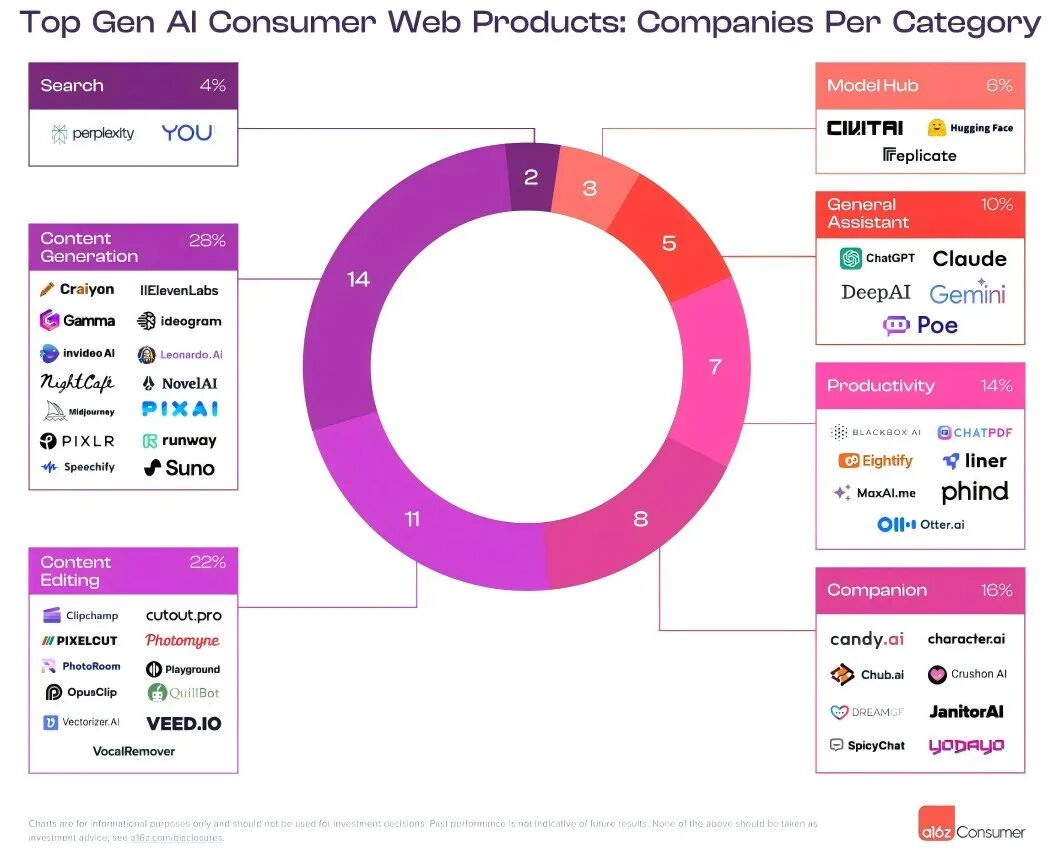
Core Insights - A wave of shutdowns has hit AI social companies, including both established players and startups, indicating a challenging environment for AI companionship products [1][2][3] - Despite the shutdowns, AI companionship remains a popular sector, with significant user engagement and investment interest [4][5][6] Group 1: Market Trends - The AI companionship market has seen a surge in products since the rise of ChatGPT, but it is now experiencing a "shutdown wave" [3][4] - According to a16z, AI companionship applications have been consistently popular, with many products making it to the top rankings [6][9] - By 2025, AI companionship applications had achieved 220 million downloads globally, generating $221 million in consumer spending [19][20] Group 2: User Experience and Challenges - Users have expressed concerns over the pricing models of AI companionship applications, which often include subscription fees and pay-per-use structures [22][23] - Community engagement and stable operations are critical for user retention, as many applications struggle with technical and operational challenges [25][26] - The current landscape reveals a dichotomy where emotional value and commercial viability are difficult to balance [25][30] Group 3: Competitive Landscape - The AI companionship sector is highly competitive, with many products failing to differentiate themselves effectively [30][31] - Successful products are increasingly focusing on content-driven and feature-rich social platforms, while others are targeting niche markets [33][36] - Innovations in user interaction, such as hardware integration and multi-modal experiences, are being explored to enhance user engagement [40][42] Group 4: Future Directions - The market is undergoing a transformation, with a shift towards more personalized and emotionally resonant AI companionship experiences [39][44] - Companies are experimenting with various strategies to sustain user interest and improve retention, including integrating real-world social elements [42][45]