
XbotGo变色龙

Search documents
大疆、影石还没争出第一,大批友商已经赶在路上
36氪· 2025-11-10 10:23
Core Viewpoint - The global panoramic camera market is experiencing significant shifts in market share, with companies like影石 (Insta360) and 大疆 (DJI) competing fiercely, leading to a dynamic and competitive landscape in the smart imaging sector [5][6][7]. Market Dynamics - A report from 久谦咨询 indicates that 影石's market share dropped from 92% in Q2 to 49% in Q3, while 大疆 captured 43% of the market [5]. - Another report by 弗若斯特沙利文 shows 影石 and 大疆's market shares at 75% and 17.1% respectively, highlighting discrepancies in market data [6]. - The entry of 大疆 into the panoramic camera market with its Osmo 360 has significantly impacted 影石's dominance, showcasing the competitive nature of the industry [8]. Industry Trends - The rise of short video content globally has increased the demand for smart imaging devices, with 大疆's Osmo Pocket 3 achieving over 10 million units sold, generating revenue exceeding 300 billion [13]. - The current global user base for vlogs is estimated at 520 million, with outdoor sports consumers at 220 million, indicating a growing market for smart imaging devices [16]. Competitive Landscape - New entrants in the smart imaging sector are advised to avoid direct competition with established players like 大疆 and 影石, focusing instead on niche markets and differentiated product offerings [20]. - Companies like Looki and XbotGo are exploring unique use cases, such as AI-driven wearable cameras and solutions for sports event recording, respectively [23][24]. Technological Innovations - The integration of AI and advanced algorithms is becoming crucial for product differentiation in the smart imaging market, as seen with 光子跃迁's AI-enabled camera that responds to natural language commands [25]. - The industry is characterized by a low barrier to entry for basic imaging products, but achieving brand recognition and competitive pricing remains challenging [40][42]. Market Entry by Smartphone Manufacturers - Major smartphone manufacturers like OPPO and vivo are entering the smart imaging space, indicating a shift in focus towards handheld imaging devices [28][30]. - The competitive pressure from smartphone companies is seen as a defensive strategy to maintain market relevance in the face of declining smartphone sales [37]. Conclusion - The smart imaging market is poised for growth, with a penetration rate of only 6%, suggesting ample opportunities for innovation and competition [16][38]. - Companies entering this space must be prepared with sufficient resources and talent to navigate the competitive landscape effectively [45].


大疆、影石还没争出第一,大批友商已经赶在路上|知料
3 6 Ke· 2025-11-07 02:05
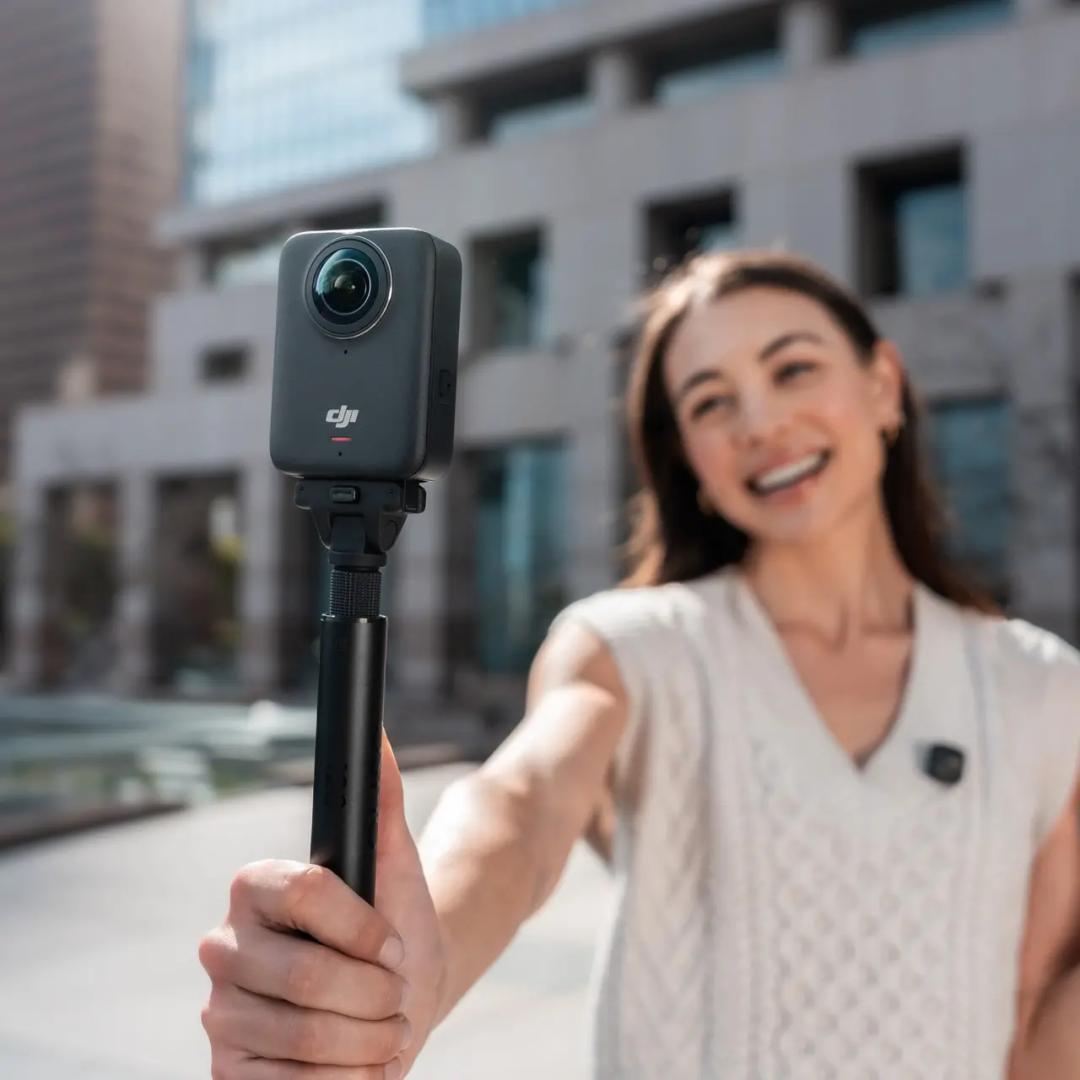
Core Insights - The competition for market share in the panoramic camera sector has intensified, with conflicting reports on the market shares of companies like Insta360 and DJI, highlighting the volatility of the market [1][2][6] - The entry of new players, including hardware companies and internet giants, into the smart imaging sector is reshaping the landscape, with significant investments and innovations being made [4][12][20] - The global user base for vlogging and outdoor activities presents a substantial opportunity for growth in smart imaging devices, with current penetration rates being low [6][18] Market Share Discrepancies - A report from Jiucheng Consulting indicated that Insta360's market share dropped from 92% to 49%, while DJI captured 43% in the third quarter [1] - Conversely, Frost & Sullivan reported that Insta360 held a 75% market share compared to DJI's 17.1%, suggesting significant discrepancies in market analysis [1][2] Competitive Landscape - The launch of DJI's Osmo360 has disrupted Insta360's dominance, showcasing strong market performance within just 90 days of release [2] - New entrants are focusing on niche markets and differentiated product offerings to avoid direct competition with established players like DJI and Insta360 [7][10] Emerging Trends - Companies like Looki and XbotGo are innovating by targeting specific user needs, such as AI-driven features and sports event recording, which are not directly competing with traditional action cameras [9][10][11] - The rise of smartphone manufacturers entering the smart imaging space is seen as a defensive move to protect their market share against emerging competitors [12][19] Industry Dynamics - The smart imaging market is characterized by low barriers to entry, with many startups able to develop products quickly due to a robust supply chain in regions like the Pearl River Delta [21][23] - However, achieving brand recognition and competitive pricing on a global scale remains a challenge for new entrants, as established companies like DJI and Insta360 have significant advantages in technology and market presence [23][25]

AI,从辅助向协同深刻进化
Xin Hua Ri Bao· 2025-08-05 23:04
Group 1 - The 2025 Artificial Intelligence Product Application Expo was held in Suzhou, showcasing the latest achievements in the AI field and promoting deep integration of AI with the real economy [1] - AI technology is becoming the core engine deeply penetrating various industries, as demonstrated by applications in sports, manufacturing, and life sciences [1][3] - The event highlighted the evolution of AI from an "auxiliary tool" to a "collaborative partner," emphasizing the importance of multi-modal integration and AI's role in scientific innovation [4][5] Group 2 - AI applications in sports include automated broadcasting, data analysis, and real-time score tracking, significantly reducing costs by over 90% compared to traditional methods [3] - Suzhou's enterprises are actively developing human-machine collaboration, with examples like humanoid robots assisting in laboratory tasks and accelerating drug development [5][6] - The collaboration between Shanghai and Suzhou aims to enhance the AI ecosystem, with strategic partnerships formed to improve regional AI capabilities [7] Group 3 - Reports released at the expo indicate that the AI industry ecosystem and governance structures are rapidly evolving, with Suzhou ranking among the top five cities in China for AI industry competitiveness [8]