
Zhong Guo Dian Li Bao

Search documents
湖北黄石供电研发GIS拆装智能装备
Zhong Guo Dian Li Bao· 2025-09-08 08:30
近日,在湖北大冶110千伏华兴玻璃降压站工程施工现场,国网湖北黄石供电公司首次应用自主研发的 GIS拆装智能装备施工。只见装备前侧夹持装置精准抓起110千伏GIS部件,后侧折叠式蜘蛛车支腿支撑 机身,在激光与视觉引导下,不到5分钟即完成部件精准对接,全程平稳无磕碰。 作为该装备的发明人,黄石供电变电运检分公司发明达人刘斌补充道:"这套装备最核心的就是'智能自 动夹持'和'精准引导'技术。以前人工对位时,航吊晃动、用力不均很容易损伤设备,现在装备能自动适 配不同规格的GIS部件,'激光定位+视觉识别'双重保障,不仅实现'零设备损伤',还杜绝了高空作业、 重物搬运带来的人身安全风险,真正把'拼体力'变成了'拼科技'。" 如今,这台GIS拆装智能装备已成为电力施工领域的"精准能手",可覆盖110千伏至220千伏GIS设备的 拆装、对位、调试等关键环节。 "以前装这么一组GIS部件,得4个人配合航吊,还得反复调整对位,稍不注意就可能碰坏设备密封面, 最少要1小时才能完成。现在有了这台装备,2个人操作遥控器,半小时就能搞定3组,效率直接翻了3 倍!"现场项目经理蒋乐指着装备上的伺服驱动系统介绍,"它能实现6自由度高精度 ...
江苏方天“智辅平台” 让变电站更智慧
Zhong Guo Dian Li Bao· 2025-09-08 08:30
8月25日,受台风影响,江苏南京市江宁区天景山秀景苑1号配电站房电缆沟触发淹水告警。通过江苏方 天电力技术有限公司配电站房智辅平台精准推送信息,运维人员第一时间赶赴现场成功处置险情。 据介绍,该平台采用"云边协同巡检模式",即部署在站房的"边端"负责采集视频、图像等信息并完成初 步分析后,将异常图像上传至"云端",且进行二次识别确认。这种"边端快速反应+云端精准核验"的机 制,实现了对站房状态的实时感知与高效预警。运维人员感慨道:"以前10条告警里可能有5条是误报, 光核实就得耗时大半天;现在系统推送3条,条条精准,很快就能处理完。" 目前,该技术已在南京、宿迁、扬州等地试点,下一步将延伸至变电站、输电线路等更多电力场景。 ...
云南普洱首座220千伏智能变电站投运
Zhong Guo Dian Li Bao· 2025-09-08 08:08
据悉,此项目新增主变2台、220千伏出线2回、110千伏出线3回、35千伏出线2回;新建220千伏线路 62.6千米、110千伏线路43千米、35千伏线路4.6千米。首次采用"智能化设备+模块化建设+集成化系 统"的技术架构,配置智能辅助系统,以视频智能巡视、环境感知、一次设备在线监测等技术,实现远 程实时观测各设备运行状态,同时通过智能远动装置完成顺控操作、防误校核、运行监视、操作与控制 等功能,实现一键顺控。 220千伏倚象输变电工程投产后成效显著,消除了1项三级事件,化解7项停电风险,不仅优化提升了普 洱市思茅区网架水平,还成功转供220千伏木乃河变部分负荷。缓解城区供电压力的同时大幅提高边疆 民族地区的供电可靠性,为普洱市的经济社会发展注入强劲动力。 8月31日21时37分,南方电网云南普洱供电局承建的220千伏倚象输变电工程220千伏两台主变经5次冲击 试验正常,标志着普洱市首座220千伏智能变电站投运成功。 ...
深入解读月度用电量突破万亿的里程碑意义
Zhong Guo Dian Li Bao· 2025-09-08 07:32
值得关注的是,在极端天气与用电负荷屡创新高的双重考验下,我国能源系统成功坚守住了不拉闸限电 的底线,并实现了用电量的稳步增长。林伯强表示,这充分表明我国的能源系统,尤其是电力系统已处 于全球领先地位。无论从系统规模、技术能力、供电可靠性还是电价可承受性等角度衡量,我国电力系 统的综合实力都已达到世界一流水平。这一历史性成就与我国深入贯彻落实"四个革命、一个合作"能源 安全新战略密不可分。在能源安全新战略的引领下,我国已经建成全球门类最全、规模最大的能源体 系,在保持电价总体稳定的同时,实现了供电安全水平的全面提升。 同时,他认为,深化电力市场化改革的成效在此次保供中得到了充分显现。市场化机制促进了电力资源 的优化配置,提高了系统运行效率,为保障万亿千瓦时级别的用电安全提供了坚实的制度支撑。 林伯强分析,今年7月用电量大增,主要受两大短期因素影响:一是持续的高温天气,显著推高了空调 制冷负荷;二是经济持续恢复向好带来用电需求增长。 "月度用电量过万亿千瓦时,从规模上体现了我国大存量、大增量的电力增长特征。"林伯强分析,从更 深层次看,这一数据强有力地印证了我国经济发展的强劲动力和韧性。 林伯强特别分析了产业结构 ...
“无形之手”托起中国能源转型
Zhong Guo Dian Li Bao· 2025-09-08 07:18
在全球能源转型与"双碳"目标推动下,高比例可再生能源接入电网已成为必然趋势。然而,风光资源的 间歇性、随机性与波动性,对电力系统的安全稳定运行提出了前所未有的挑战。如何通过市场机制实现 可再生能源的高效消纳、保障系统灵活性、平衡安全—经济—绿色三重目标,成为当前电力市场建设的 核心议题。 在近日清华大学与中国能源研究会联合主办的"电力市场建设助力高比例可再生能源发展"学术研讨会 上,清华大学电机系主任康重庆表示,电力市场是缓解消纳困境,平衡安全与效率,驱动能源转型 的"无形之手",直接关系到高比例可再生能源下的新型电力系统构建成效。 市场破局 价格重构 近年来,我国加快全国统一电力市场体系建设,全国市场化交易电量已由2016年的1.1万亿千瓦时增长 2024年的6.2万亿千瓦时,相应地,市场化交易电量占全社会用电总量的比例也从17%显著提升至63%。 然而,随着新能源装机规模与发电量持续增长以及全面融入市场竞争体系,电力系统运行与市场机制面 临前所未有的挑战。"一方面需要设计科学的市场机制,激励火电、水电、储能和用户互动等提供调节 能力,提升系统韧性,另一方面要统筹新能源保障性消纳与市场化交易,通过市场机制提 ...
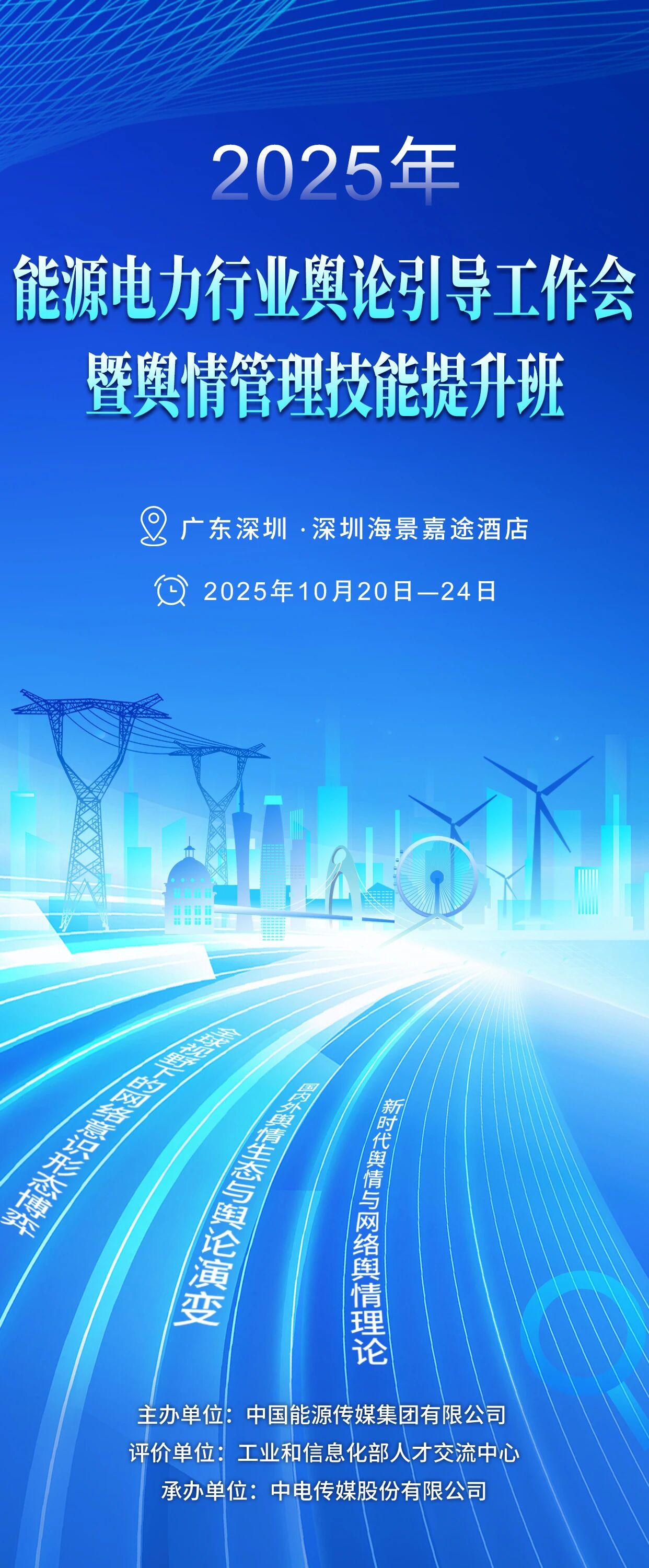
能源电力行业舆论引导工作会暨舆情管理技能提升班开班
Zhong Guo Dian Li Bao· 2025-09-08 06:57
2025年 能源电力行业舆论引导工作 暨奥情管理技能提升班 义 广东深圳·深圳海景嘉途酒店 g 2025年10月20日—24日 报名二维码 中国能 关于举办20: 暨京 各相关单位: 为积极告浩 /V 'I/V // ロー 能源电力企业(. 树立良好品牌形 年能源电力行业 相关事项通知如 一、会议时 线下会议:: 线上课程:: 二、会议地 广东深圳 · 三、主承办 主办单位: 评价单位: 承办单位: 四、会议形式 (一)专题研讨:邀请著名高校专家学者进行线下交流。 (二)案例分析:分析讲评近年来经典案例及热点事件, 总结经验教训,提炼应对策略。 五、参加人员 相关专家;能源电力企业宣传、品牌建设及舆情工作相关 负责人及代表。 六、课程概要 (一)国内外舆情生态与舆论演变 (二)新时代舆情与网络舆情理论 (三)全球视野下的网络意识形态博弈 (四) 大数据背景下网络空间安全面临的挑战与对策 (五) 舆情事件中的舆论引导方法与处置策略 (三)实战演练:突发舆情新闻发布实战演练,包括新闻 发言人演练,事件处置应对步骤及舆论回应口径参考等,增强 实战经验。 (四)现场学习:学员集体前往相关科技企业进行现场学 习。 (五 ...

“现金红包”整装待发 ——能源行业中期拟派现超1200亿元
Zhong Guo Dian Li Bao· 2025-09-08 03:52
半年报落幕,A股中期分红规模再创历史新高。 上半年,可再生能源市场化电价政策实施导致电量、电价双降,火电企业营收大面积下行。不过,国内 动力煤市场持续偏弱,秦皇岛港5500大卡动力煤成交均价同比下滑约22.2%,以煤炭为主的燃料成本下 降对冲电量、电价下行,火电企业盈利普遍增长。 以华电国际为例。1~6月,该公司累计完成发电量1206.21亿千瓦时,同比下降6.41%;上网电量1132.89 亿千瓦时,同比下降6.46%;上网电价516.80元/兆瓦时,同比下降1.44%。但得益于煤价走低,报告期 内燃料成本降幅更大,入炉标准煤单价850.74元/吨,同比下降12.98%,对盈利形成拉动作用。 截至6月末,华电国际营业收入总计599.53亿元,同比减少8.98%;归母净利润实现39.04亿元,同比增 加13.15%,连续3年上涨。除华电国际外,五大发电集团上市公司中煤电装机容量占比相对较高的华能 国际、大唐电力也都实现了利润增长,分别同比上行24.26%、47.35%,实现归母净利润92.62亿元、 45.79亿元。 利多星投资首席分析师林毅认为,电力行业属于公用事业,资产能够产生稳定的现金流,在低利率资产 ...
国网厦门供电 加快通信运维智能化
Zhong Guo Dian Li Bao· 2025-09-08 03:45
通信光缆是电力系统信息传输的"主动脉",其稳定运行直接关乎电网安全。此前,受外部施工破坏引起 光缆故障以及光缆自身老化等因素影响,2024年该公司通信光缆运行正常率偏低。针对这种情况,通信 运检二班QC小组聚焦通信光缆运维难题,通过数据分析锁定核心症结,有针对性地采取措施提升通信 光缆正常运行率。 8月29日,国网福建厦门供电公司通信运检二班QC小组对1至8月通信光缆运维工作进行复盘,加快推进 通信运维由传统向智能转变。 据悉,QC小组主要从三个方面精准施策:在光缆标识优化上,采用实物标识方案,实现光缆标识100% 全覆盖,让光缆"身份"清晰可辨;在光缆巡视升级上,引入基于AI的城市管道智能感知系统,结合I国 网平台构建"智能监测+高效上报"机制,推动电力通信运维由传统方式向智能化的转变;在光缆迁改协 同上,联合市政部门搭建多维度沟通平台,从源头上减少施工破坏风险。同时,为了巩固提升成果,厦 门供电编制出台《通信光缆标识管理制度》等规范制度,有力确保提升措施的有效性和长效性。 ...
烟威1000千伏特高压交流输变电工程(昌乐段)贯通
Zhong Guo Dian Li Bao· 2025-09-08 02:12
Core Viewpoint - The commencement of the ground attachment clearing work for the 1000 kV Yantai-Weifang UHV AC transmission and transformation project marks a significant milestone, ensuring the overall acceleration of the project construction [1] Group 1: Project Overview - The Yantai-Weifang 1000 kV UHV AC transmission project includes the construction of the new 1000 kV Haiyang West substation and the expansion of the Changle and Gaoxiang substations [1] - The total length of the new transmission lines is 567.3 kilometers, with the Changle section measuring 8 kilometers and comprising 18 new towers located within the jurisdiction of Honghe Town [1] Group 2: Project Management and Coordination - The State Grid Shandong Changle County Power Supply Company has been actively promoting the construction of the project, establishing a dedicated working group for the UHV project [1] - A communication and coordination mechanism has been set up among various departments, including natural resources and planning, housing and urban-rural development, and transportation, to facilitate the project [1] - The company has implemented a "green channel" for the construction of the UHV project, enhancing the efficiency of administrative procedures and expediting the approval process [1] - The project has achieved early completion of public announcement work and has been the first in the province to obtain the planning permit for the transmission line construction [1] - A specialized civil coordination working group has been formed to address civil coordination challenges, ensuring effective management and accountability throughout the project [1]
扛牢能源安全首要责任 “十四五”煤炭行业实现跃升发展
Zhong Guo Dian Li Bao· 2025-09-08 01:01
Core Viewpoint - The coal industry has made significant strides in high-quality development since the "14th Five-Year Plan," focusing on energy security, green low-carbon transformation, and enhancing industrial competitiveness. Group 1: Supply and Production Capacity - The coal supply capacity has significantly improved, with national coal reserves increasing to 2,186 billion tons by the end of 2023, and coal production capacity continuing to enhance with modernized and intelligent coal mines [2] - National coal production is projected to reach 4.78 billion tons in 2024, an increase of 880 million tons compared to 2020, with cumulative production over four years amounting to 18.18 billion tons, accounting for 66.6% of the total primary energy production [2] - The coal transportation network has expanded, with coal railway shipments increasing from 2.36 billion tons to 2.82 billion tons, enhancing the national coal resource allocation capacity [2] Group 2: Production Distribution and Optimization - The focus of coal production has shifted towards the central and western regions, with raw coal production in the western region increasing from 2.32 billion tons to 3.04 billion tons, raising its national share by 4.2 percentage points [2] - In 2024, eight provinces with over one billion tons of raw coal production are expected to produce 4.36 billion tons, representing 91.3% of the national total, an increase of 860 million tons since 2020 [2] Group 3: Industry Structure and Modernization - The coal industry has optimized its structure, reducing the number of coal mines to under 4,300, with an average production capacity of around 1.7 million tons per mine [3] - The number of large modern coal mines with an annual output of over 1.2 million tons has increased, contributing to a total capacity of 1.36 billion tons per year, up by 540 million tons since 2020 [3] Group 4: Clean and Efficient Utilization - The coal industry has made progress in green low-carbon development, with comprehensive utilization rates for coal gangue and mine water reaching 74.1% and 74.2%, respectively [4] - The comprehensive energy consumption for coal production has decreased to 7.9 kg of standard coal per ton, and the comprehensive electricity consumption has dropped to 23.7 kWh per ton [4] Group 5: Technological Innovation and Development - The coal industry has accelerated technological innovation, with intelligent coal mines accounting for over 55% of total coal production capacity [6] - The industry has seen a significant increase in R&D investment and patent applications, with major technological advancements in deep coal resource extraction and clean conversion technologies [6] Group 6: Industry Reform and Safety - The coal industry is undergoing significant reforms, enhancing market competitiveness and stability, with 26 coal companies listed in the top 500 Chinese enterprises and 6 in the Fortune Global 500 [7] - Safety production capabilities have improved, with a focus on modernizing safety management systems and enhancing disaster prevention measures [8] Group 7: Future Outlook - The coal industry is expected to reach a peak demand plateau during the "15th Five-Year Plan," emphasizing the need for further green low-carbon transformation and ensuring energy security [9]