CNBC

Search documents
Asia-Pacific markets set to open higher after U.S. captures Venezuela’s Maduro, oil slips
CNBC· 2026-01-05 00:07
Geopolitical Impact on Oil Prices - The U.S. has attacked Venezuela and captured President Nicolas Maduro, leading to a decline in oil prices as markets assess the geopolitical implications [1][2] - Brent crude prices fell more than 1% initially but later adjusted to a 0.25% decrease, while West Texas Intermediate crude prices dropped by 0.4% [2] Venezuela's Oil Reserves - Venezuela, a founding member of OPEC, possesses the largest proven crude oil reserves globally, totaling 303 billion barrels, which accounts for approximately 17% of the world's total reserves [3] Market Reactions in Asia-Pacific - Japan's Nikkei 225 index increased by 2.26% in its first trading session of the year, with defense stocks like Kawasaki Heavy Industries and Mitsubishi Heavy Industries rising by 5.7% and 6.4%, respectively [4] - South Korea's Kospi index reached a record high of 4,420.92, climbing 2.19%, while shares of defense giant Hanwha Aerospace rose by 4% [4] - Australia's ASX/S&P 200 index remained flat, while Hong Kong's Hang Seng Index futures indicated a higher opening [5]


Crude prices edge lower as Maduro overthrow casts uncertainty over oil-rich Venezuela
CNBC· 2026-01-04 23:07
Core Viewpoint - The overthrow of President Nicolas Maduro has created uncertainty in Venezuela's oil sector, impacting crude oil prices and U.S. investment strategies in the region [1][2]. Oil Prices - U.S. crude oil prices decreased by 31 cents (0.54%) to $57.01 per barrel, while global benchmark Brent fell by 22 cents (0.36%) to $60.53 per barrel [1]. U.S. Investment Objectives - The Trump administration aims to facilitate U.S. investment in Venezuela's oil sector, with plans for major U.S. oil companies to invest billions to repair the country's oil infrastructure [2]. Venezuela's Oil Reserves - Venezuela holds the largest proven crude oil reserves globally, totaling 303 billion barrels, which accounts for approximately 17% of the world's total [3]. Production Trends - Venezuela's oil production has significantly declined from a peak of 3.5 million barrels per day in the late 1990s to about 800,000 barrels per day currently [4]. Current U.S. Operations - Chevron is the only major U.S. oil company currently operating in Venezuela, exporting around 140,000 barrels per day as of the end of Q4 2025 [4]. Short-term Price Impact - The short-term impact of Maduro's removal on oil prices is uncertain; production may increase if a U.S.-backed government is established and sanctions are lifted [5]. Long-term Production Outlook - Long-term U.S. investment could lead to increased production, potentially exerting downward pressure on oil prices, although recovery is expected to be gradual and partial [6]. Investment Requirements - It is estimated that $10 billion annually is needed to restore Venezuela's oil production to historic levels, with a stable security environment being crucial for growth [7]. Potential Production Recovery - Full sanctions relief could result in several hundred thousand barrels of production returning within a year, provided there is an orderly transition of power [7]. Risks of Chaotic Transition - A chaotic change of power could lead to significant disruptions, similar to past scenarios in Libya or Iraq, complicating recovery efforts [8].

Rubio explains how U.S. might 'run' Venezuela after Maduros' ouster
CNBC· 2026-01-04 17:45
Core Viewpoint - The U.S. has captured Venezuelan President Nicolas Maduro and is leveraging military and economic strategies to influence Venezuela's future governance, although there is ambiguity regarding direct U.S. control over the country [2][4]. Group 1: U.S. Actions and Strategies - The U.S. has recently seized tankers linked to Venezuela and increased military presence in the Caribbean, indicating a strategic approach to exert pressure on the Venezuelan economy [3]. - Secretary of State Marco Rubio emphasized that the U.S. will maintain an oil blockade on Venezuela, which he claims will hinder the country's economic progress until U.S. interests and those of the Venezuelan people are addressed [3]. Group 2: Political Reactions - President Trump stated that the U.S. would "run the country" until a safe transition can occur, which has drawn criticism from various political figures concerned about potential nation-building efforts [4]. - Senate Democratic Leader Chuck Schumer highlighted the historical consequences of U.S. regime change efforts, suggesting that such actions often result in significant costs in terms of lives and financial resources [5].

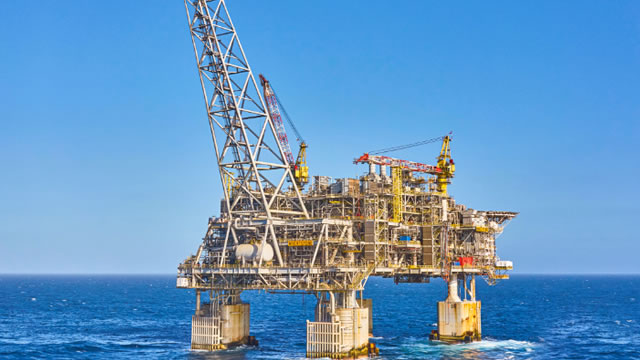
Airlines scramble to add Caribbean flights after airspace closure strands tens of thousands of travelers
CNBC· 2026-01-04 15:15
Core Viewpoint - The U.S. military strikes on Venezuela led to significant disruptions in air travel across the Eastern Caribbean, resulting in flight cancellations and delays for thousands of travelers [1][2][11]. Group 1: Impact on Airlines and Travel - Airlines faced substantial operational challenges, with hundreds of flights canceled due to the FAA's airspace restrictions following the U.S. strikes [2][11]. - On Sunday, airlines managed to reduce cancellations to about 20 in San Juan, down from 400 the previous day, but many travelers still faced difficulties in securing seats due to high demand [3][11]. - American Airlines added 17 extra flights to various destinations, while Southwest Airlines and other carriers also increased their flight offerings to accommodate stranded passengers [6][8]. Group 2: Passenger Experience - Many travelers reported being unable to find available seats back to the U.S. until the end of the week, leading to complaints about accommodation issues and the inability to afford extended stays in Caribbean hotels [4][8]. - Airlines waived change fees and fare differences for affected customers, allowing them to rebook flights later in the month [8]. Group 3: Broader Context - The U.S. attack resulted in the capture of Venezuelan President Nicolas Maduro, who faces serious charges, highlighting the geopolitical implications of the military action [10]. - The incident underscores how military actions can rapidly disrupt civilian air travel, as seen in previous conflicts affecting airline operations globally [11].



Top Wall Street analysts suggest these 3 stocks for their growth prospects
CNBC· 2026-01-04 12:20
Group 1: Amazon - Amazon plans to cut its global corporate workforce by up to 14,000 roles while leveraging opportunities in artificial intelligence [1] - RBC Capital analyst Brad Erickson identifies Amazon as a top pick, citing strong visibility on AI infrastructure return on invested capital and an upcoming product cycle [3][4] - Erickson raised revenue and EBITDA estimates for Amazon for 2026 and 2027, expecting a 10% revenue growth and a 30% adjusted EBITDA margin by 2028 [6] Group 2: Microsoft - Morgan Stanley analyst Keith Weiss maintains a buy rating on Microsoft, with a price target of $650, highlighting robust demand for Microsoft Azure [8][10] - Weiss raised his Azure estimates, projecting Azure AI gross margin to reach 30% by fiscal 2029, with potential for margins to exceed 40% [11] - Microsoft is viewed as a top pick in the large-cap software sector, with sustained demand and margin expansion not fully valued by the market [12] Group 3: Micron Technology - Micron Technology reported strong Q1 FY26 results, exceeding expectations and providing an optimistic outlook for Q2, driven by high demand for memory products [14][15] - Stifel analyst Brian Chin reiterated a buy rating on Micron, with a price target of $300, noting a 20% sequential growth in DRAM and NAND revenue [16] - Micron expects both DRAM and NAND bit shipments to increase by 20% in 2026, despite industry supply constraints [17]




Maduro overthrow in oil-rich Venezuela unlikely to shake energy markets in the near term
CNBC· 2026-01-03 21:20
Group 1: Market Impact - Analysts believe that the recent geopolitical event involving Venezuela is unlikely to significantly impact energy markets in the short term, as the market had already priced in potential disruptions to oil exports [1][3] - Venezuela, a founding OPEC member, currently produces less than 1 million barrels of oil per day, accounting for less than 1% of global oil production, with exports around 500,000 barrels [2][3] - Despite the geopolitical tensions, Brent crude prices are expected to rise only slightly, by about $1 to $2, and may even decline next week from the previous close of $60.75 [3][4] Group 2: Future Production Potential - Analysts suggest that if a new government in Venezuela leads to lifted sanctions and the return of foreign investment, oil exports could potentially reach 3 million barrels per day in the medium term [5] - The overthrow of the Maduro regime may eventually boost oil production in Venezuela, which could have a bearish impact on the market [4][5] Group 3: Investment Considerations - U.S. oil companies are currently hesitant to invest in Venezuela due to uncertainties regarding the interim and future governments, despite President Trump's statement about potential investments [6][7] - The historical context of U.S. oil companies being expropriated in the early 2000s adds complexity to the investment landscape, although accessing Venezuela's oil reserves remains attractive if sanctions are lifted [8] - Long-term investment in Venezuela's oil sector would require billions of dollars and decades of commitment, raising questions about global oil demand and the viability of such investments [9][10]

Trump says U.S. oil companies will invest billions of dollars in Venezuela after Maduro's overthrow
CNBC· 2026-01-03 17:27
Core Viewpoint - U.S. oil companies are set to invest billions in Venezuela's energy sector following the overthrow of President Nicolas Maduro, aiming to repair the country's oil infrastructure and generate revenue for the U.S. [1][2] Group 1: Investment Plans - U.S. oil companies will invest billions of dollars to address the deteriorating oil infrastructure in Venezuela [2] - The investment is part of a broader strategy to enhance energy production and profitability for the U.S. [2] Group 2: Political Context - The announcement follows the capture of Venezuelan President Nicolas Maduro and his wife, indicating a significant political shift in the country [1] - The U.S. government is positioning itself to capitalize on the new political landscape in Venezuela [1]
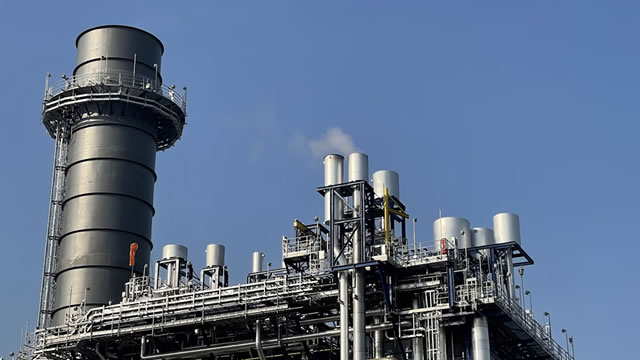
Week in review: We initiated a position — plus, top gainers and laggards of 2025
CNBC· 2026-01-03 16:14
Market Overview - The stock market experienced a mixed performance during the holiday-shortened week, with the Dow and Nasdaq declining by 0.1% and 1.5% respectively, while the S&P 500 fell approximately 1%, marking its third consecutive loss since Monday [1] - The S&P 500 had a strong performance in 2025, advancing over 16%, with the Nasdaq Composite and Dow Jones gaining 20% and 13% respectively, all reaching record highs during the year [1] Federal Reserve Insights - The Federal Reserve's December policy meeting minutes revealed a divided opinion among officials regarding a 25-basis-point rate cut, which was approved by a 9-3 vote, indicating the most dissent since 2019 [1] - The market's reaction to the Fed's decision was muted, with stocks continuing to decline despite the announcement [1] Company Performances Winners - **GE Vernova**: Increased by 98.7%, benefiting from the AI boom and strong quarterly earnings, with positive guidance through fiscal 2028 [1] - **Corning**: Rose by 84.3%, driven by strength in consumer electronics and a partnership with Apple, also benefiting from AI-related demand for specialty glass [1] - **Alphabet**: Gained 65.3%, with improved investor sentiment due to a robust AI roadmap and developments in its large language models [1] Laggards - **Salesforce**: Decreased by 20.8%, facing challenges from AI adoption that threatens its seat-based business model, leading to a downgrade to a hold-equivalent rating [1] - **Nike**: Fell by 15.8%, impacted by a decline in the China market and challenges in its direct-to-consumer strategy, despite insider buying signaling confidence [1] - **Procter & Gamble**: Dropped by 14.5%, affected by macroeconomic uncertainties and fears regarding costs due to changing rates and tariffs, though it remains a hedge against consumer spending pullbacks [1]



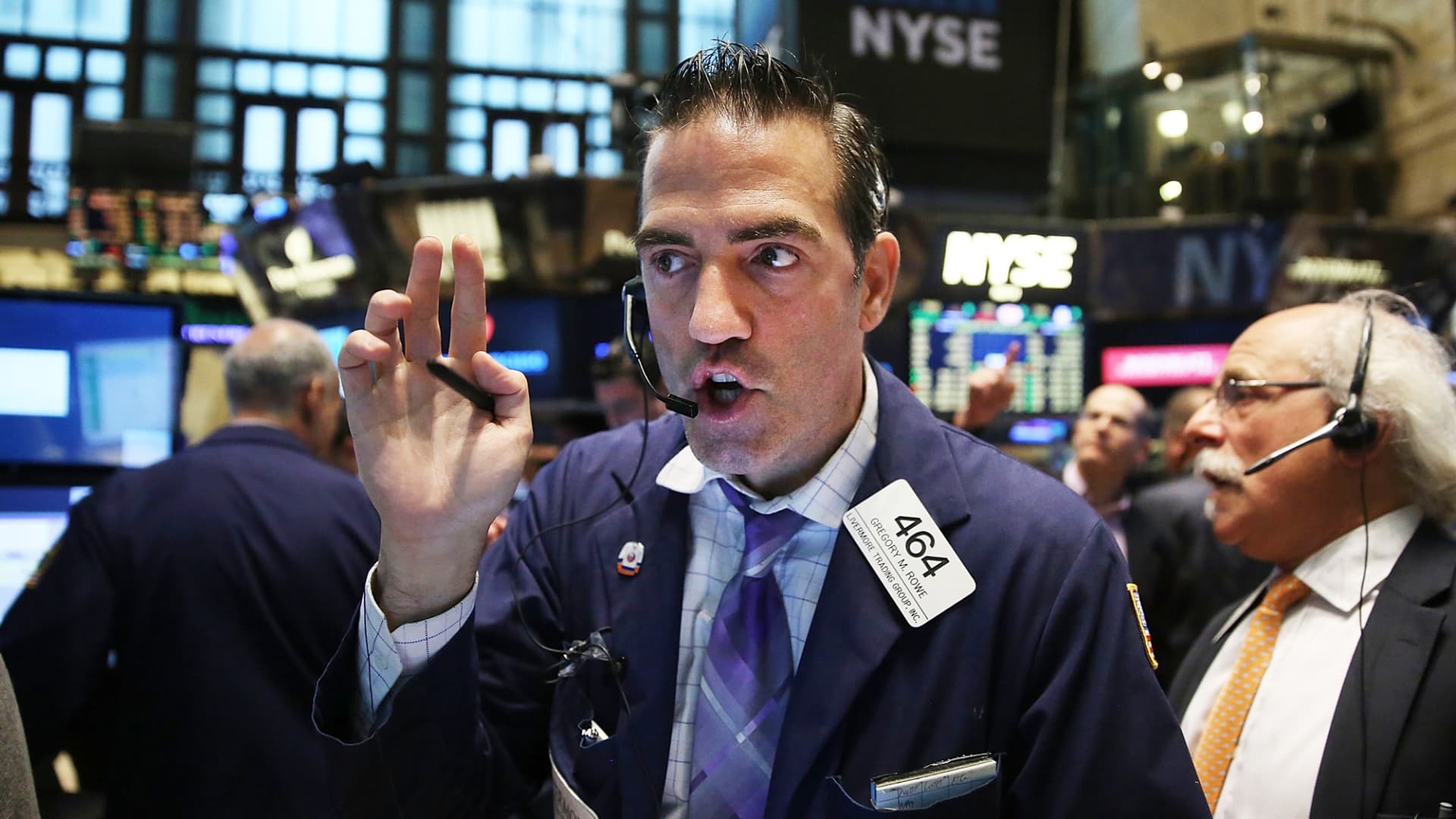
After a bruising 2025, the Fed faces another slew of challenges in the year ahead
CNBC· 2026-01-03 14:37
Core Insights - The Federal Reserve is entering 2026 facing significant political and policy challenges, including a new chair and a mixed economic environment that will complicate decision-making for policymakers [1][2] Economic Outlook - Following three consecutive interest rate cuts, the Federal Reserve is expected to adopt a cautious approach in 2026, with additional cuts likely being limited due to expectations of solid economic growth and persistent inflation pressures [2] - The year 2026 is anticipated to continue the extraordinary upheaval experienced in the previous year regarding the Federal Reserve [2] Political Context - President Donald Trump has previously threatened to remove Fed Chair Jerome Powell for not implementing interest rate cuts quickly enough, and there have been controversies surrounding the Fed, including cost overruns on a renovation project [4][5] - The potential removal of Governor Lisa Cook has also been a point of contention, with unproven allegations of mortgage fraud complicating the political landscape [5] Upcoming Events - A Supreme Court hearing is scheduled for January 21, 2026, to determine Trump's authority to remove Cook, followed by an interest rate vote by the Federal Open Market Committee [6] - Trump is expected to announce his choice for Fed chair in January, while Powell must decide whether to continue serving on the Board of Governors until January 2028 [6] Internal Dynamics - Recent rate votes have seen multiple dissents, and new regional presidents joining the Federal Open Market Committee are expected to have a hawkish stance, likely resisting further rate cuts [7]

Buffett backs new CEO Greg Abel with 'huge endorsement' in CNBC interview
CNBC· 2026-01-03 14:32
Core Viewpoint - Warren Buffett expressed strong confidence in Greg Abel, the new CEO of Berkshire Hathaway, stating he would prefer Abel to manage his money over any top investment advisers or CEOs in the U.S. [1][10] Group 1: Leadership Transition - Buffett announced his plan to step down as CEO at the end of the year, with his last day on the job being Wednesday, while he will continue as chairman of the board [2] - Abel is expected to be the primary decision-maker, with Buffett praising his ability to accomplish more in a week than he could in a month [3][7] - Buffett highlighted Abel's normal lifestyle and character, indicating that he is well-suited to lead a large company like Berkshire Hathaway, which employs around 400,000 people [8] Group 2: Market Performance - On Abel's first trading day as CEO, Berkshire Hathaway's A shares fell by 1.4%, while B shares decreased by almost 1.2% [14] - In contrast, the S&P 500 index experienced a slight gain of 0.2%, leading to a year-to-date performance advantage of 1.60 percentage points over Berkshire's A shares [15] Group 3: Financial Metrics - As of September 30, Berkshire Hathaway's cash reserves stood at $381.7 billion, reflecting a 10.9% increase from June 30 [17] - The company's market capitalization is approximately $1.07 trillion, with no stock repurchases since May 2024 [17]