Investopedia

Search documents
Why the Year 2026 May Present Tough Times for Both Job Hunters and Employers
Investopedia· 2026-02-01 13:00
Labor Market Overview - The labor market is deteriorating for both employers and job seekers, with job seekers facing fewer openings and longer unemployment durations, as evidenced by the long-term unemployment rate reaching its highest since November 2021 in September [1] - Employers are struggling to find qualified candidates, particularly in industries like homebuilding, leading to a significant slowdown in job creation, with job losses occurring in two months of 2025, a first since the pandemic [2] Job Creation Trends - Economists predict that the U.S. economy will add an average of only 57,000 jobs per month in the first quarter of 2026, a stark decline from the pre-tariff average of 147,000 jobs per month [3] - Job creation has slowed to an average of 38,600 jobs per month since the announcement of tariffs, which is less than a quarter of the previous rate [3] Economic Implications - The slowdown in hiring and the rise in long-term unemployment indicate that both employers and workers are struggling to adapt to a new economic environment characterized by uncertain trade policies, higher borrowing costs, and persistent skills mismatches [4] - The uncertainty surrounding trade policies, particularly tariffs, is a significant factor in the slowdown, as businesses are hesitant to expand or hire without clarity on future costs [5] Technological Impact - The increasing adoption of AI in businesses may further impact the workforce, with estimates suggesting that AI could replace 6% to 7% of existing jobs, although new job opportunities may arise as a result [6] Immigration and Workforce Supply - The reduction in immigration due to policy changes has significantly decreased the number of available workers, exacerbating the challenges employers face in finding qualified staff [7] - The Federal Reserve Bank of San Francisco projects that only 500,000 immigrants will arrive in the U.S. in 2025, a drop from 2.2 million in 2024, which will further limit workforce growth [8] Labor Market Dynamics - There is uncertainty regarding whether the job market's issues stem from a lack of jobs, a lack of workers, or both, complicating the understanding of labor demand and supply dynamics [10] - The Federal Reserve's policy committee is considering the implications of falling labor demand on interest rates, which could lead to cuts aimed at boosting hiring, although the effectiveness of such measures remains uncertain [11]


What Warsh’s Crisis-Era Fed Days Say About His Approach
Investopedia· 2026-02-01 13:00
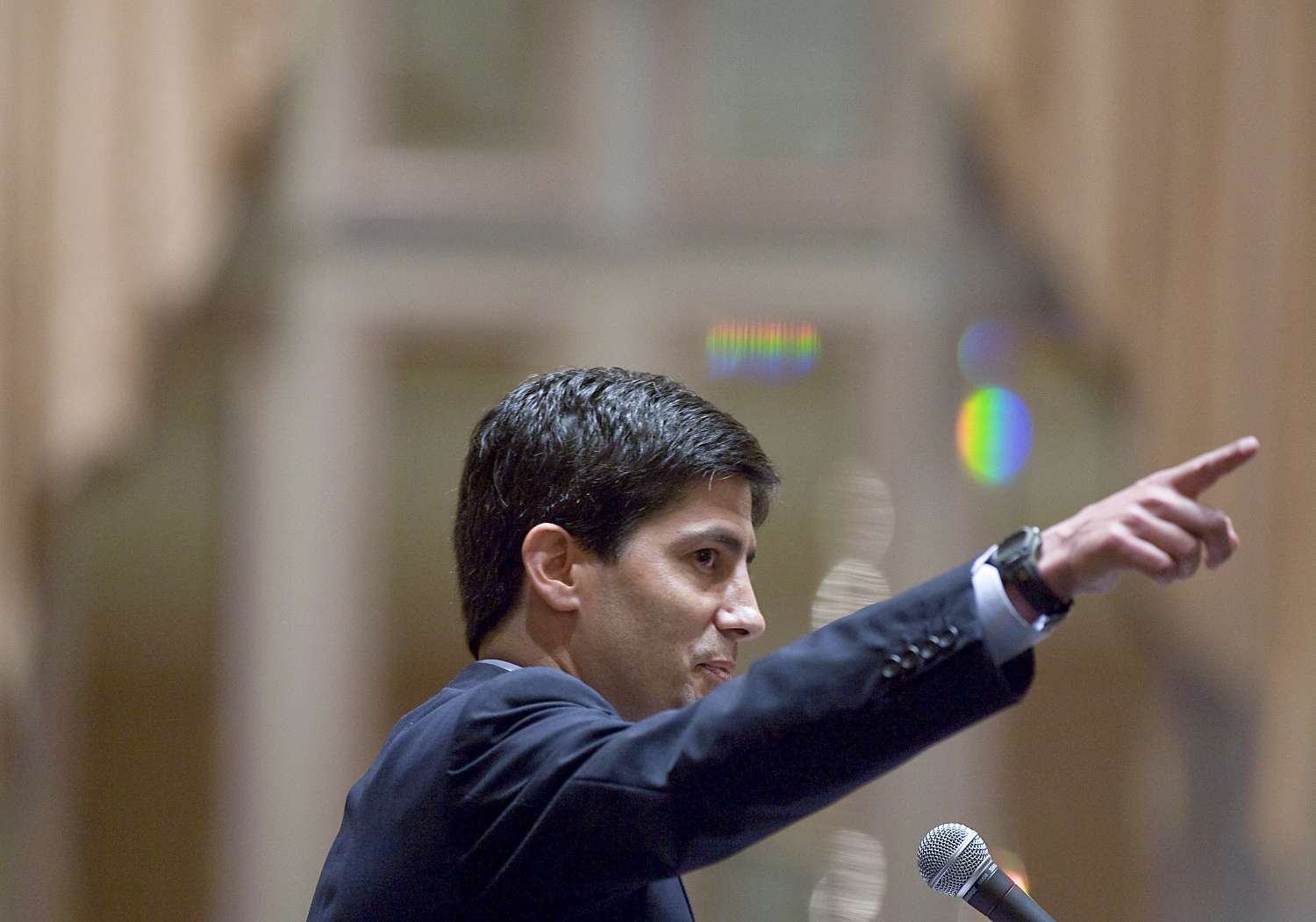
Core Viewpoint - Kevin Warsh's appointment as the Federal Reserve Chair could significantly impact interest rates, mortgage costs, and overall market stability, reflecting a shift from his previous hawkish stance to a more dovish approach in recent years [2][4][5]. Group 1: Warsh's Background and Views - Warsh served as a Fed governor from 2006 to 2011, initially supporting aggressive measures post-2008 financial crisis but later adopting a dovish tone aligned with President Trump's preference for lower interest rates [2][3]. - His historical skepticism towards the Fed's quantitative easing (QE) programs indicates a potential preference for a smaller balance sheet and less predictable policy communication, which could affect mortgage rates and market dynamics [5][8][10]. Group 2: Potential Implications of Warsh's Leadership - Warsh's leadership may lead to rate cuts by 2026, but uncertainty remains regarding whether his previous hawkish persona will resurface [3][8]. - His critical stance on the Fed's bond market interventions and the current balance sheet of nearly $6.6 trillion suggests that unwinding these measures could lead to higher mortgage rates, conflicting with Trump's goals [5][9]. - Warsh's approach to forward guidance may shift, potentially reducing the frequency of "insurance cuts" and leading to more significant policy changes during inflection points [12][13]. Group 3: Consensus and Institutional Dynamics - Any decisions made under Warsh's leadership will require consensus from the 19-member Federal Open Market Committee (FOMC), where divisions exist between hawkish and dovish members [14][15]. - Warsh's ability to navigate these institutional dynamics will be crucial, as he has previously voted for policies he disagreed with to maintain consensus [14][15].
How to File Your Taxes for Free in 2026—What Cost-Conscious Filers Need to Know
Investopedia· 2026-02-01 13:00
Core Insights - The IRS is now accepting 2025 tax returns, with options for free online filing available despite the discontinuation of the IRS Direct File program for the 2026 tax season [1][10] - Taxpayers can significantly reduce the time and cost associated with filing taxes by utilizing free IRS tax filing and preparation assistance [2] IRS Free File - Taxpayers with an adjusted gross income of $89,000 or less in 2025 can access free tax preparation software through IRS-trusted companies, which may also offer free state tax preparation [3][10] - There are eight trusted partners providing free tax preparation software, each with specific eligibility requirements based on income, age, location, and military status [4] IRS Free File Fillable Forms - The IRS Free File Fillable Forms are available for taxpayers who prefer to prepare and file their own returns electronically, regardless of income level [5] MilTax - MilTax offers a free electronic filing service for active or recently active military members and their immediate family members [6] Private Filing Companies - Some private tax preparation companies, such as TurboTax and H&R Block, provide free federal tax filing options for eligible taxpayers, particularly for simple returns [7] Volunteer Income Tax Assistance - The Volunteer Income Tax Assistance program offers free tax help for taxpayers making $69,000 or less, those with disabilities, or individuals with limited English-speaking abilities [9] Tax Counseling for the Elderly - This program assists taxpayers aged 60 and older, focusing on tax preparation questions related to pensions and retirement issues [11]

What to Expect in Markets This Week: January Jobs Report; Earnings From Alphabet, Amazon, AMD, Disney, Palantir
Investopedia· 2026-02-01 10:35
Group 1: Job Market Insights - The U.S. jobs report for January is anticipated, with December showing signs of labor market weakening, as only 50,000 jobs were added, lower than economists' expectations [3] - Federal Reserve officials are monitoring the labor market closely after keeping interest rates unchanged, citing elevated inflation risks despite a slowdown in hiring [4] Group 2: Earnings Reports Focus - Key earnings reports are expected from major tech firms such as Alphabet and Amazon, with Alphabet recently surpassing $100 billion in revenue [5] - Amazon has also shown strong revenue growth in the previous quarter but announced another round of layoffs [5] - Reports from Advanced Micro Devices indicate brisk sales of data center chips, contributing to positive analyst sentiment, although concerns about inflated valuations for top tech companies persist [6] Group 3: Sector-Specific Earnings - Disney's earnings report will provide insights into its direct-to-consumer segment, which grew 8% in the last quarter but fell short of expectations [7] - Pharmaceutical firms are also in focus, with Eli Lilly's shares rising due to optimism over its weight loss drugs, alongside earnings reports from competitors like Novo Nordisk, Amgen, Merck, AbbVie, and Novartis [7]




This Medicare Mistake Could Leave You With an Unexpected Bill
Investopedia· 2026-01-31 01:01
Core Insights - Understanding the distinction between wellness visits and routine physical exams under Medicare can lead to significant cost savings for patients [1][5] Group 1: Medicare Coverage - Medicare Part B provides yearly wellness visits at no cost to patients, covering preventative and medically necessary services [1] - Routine physical exams are not covered by Medicare Part B, requiring patients to pay 100% of the cost [1][5] Group 2: Appointment Types - Wellness visits involve reviewing medical history, lifestyle information, and providing guidance on screenings, while routine physical exams are more comprehensive, including blood tests and physical examinations [2] - To ensure coverage, patients should focus on typical wellness visit components and avoid discussing unrelated medical issues that could incur additional charges [3] Group 3: Scheduling and Frequency - Wellness visits are covered only once every 12 months, and patients must wait at least 12 months after enrolling in Medicare Part B or after their initial preventive visit before scheduling a wellness visit [4]

Trump's Pick For Fed Chair May Not Be Approved by the Senate—And Not For the Reasons You May Think
Investopedia· 2026-01-31 01:00
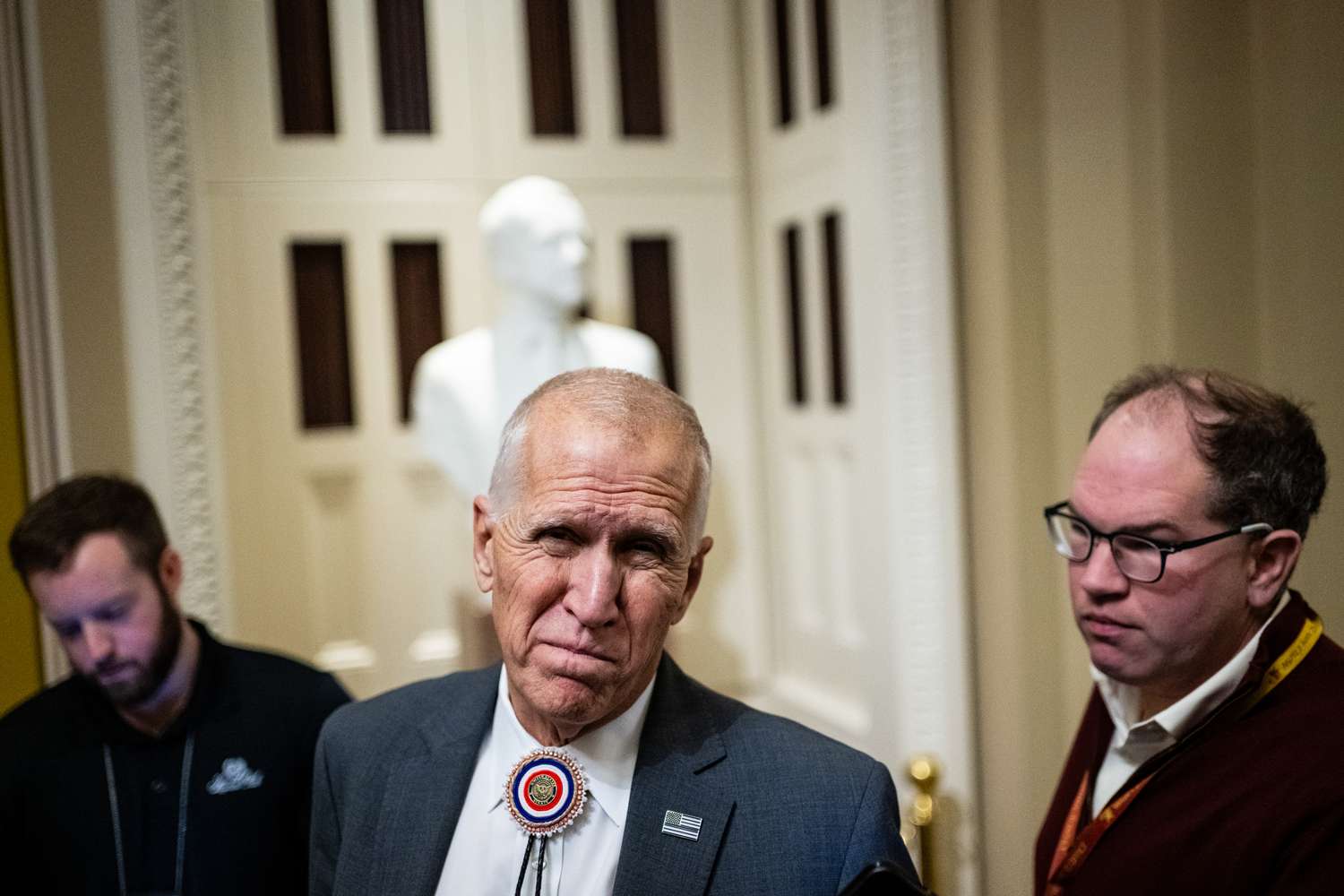
Core Viewpoint - A key Republican lawmaker supports President Trump's nominee for the Federal Reserve chair but threatens to block the appointment due to concerns over political interference in the Fed's independence [1][5]. Group 1: Nomination and Opposition - President Trump has nominated former Fed Governor Kevin Warsh for the chair position, but his appointment requires Senate approval [2]. - Senator Thom Tillis, a member of the Senate banking committee, has expressed his intention to oppose Warsh's nomination as a protest against the administration's pressure on the Fed's current leadership [2][6]. Group 2: Investigation and Implications - The Justice Department is investigating current Fed Chair Jerome Powell regarding his testimony about a renovation project, which some view as an attempt to pressure the Fed to lower interest rates [3][4]. - Tillis argues that the investigation undermines the Fed's independence and that protecting it from political influence is essential for economic stability [5][6]. Group 3: Future Outlook - If other lawmakers join Tillis in opposition, it could create uncertainty regarding the Fed's leadership, potentially impacting the economy and financial system [5]. - Tillis is not seeking re-election, which may limit the duration of his ability to block the nomination [7][8].
Where Your $10K, $25K, or $50K Earns the Most Right Now—Without Stock-Market Stress
Investopedia· 2026-01-31 01:00
Core Insights - The Federal Reserve's decision to maintain interest rates has led to stable cash yields, encouraging savers to explore competitive options for their cash holdings [2][3] - Current yields across various cash products, including savings accounts, CDs, brokerage cash options, and U.S. Treasuries, range from approximately 3% to 5%, allowing for meaningful returns without stock market exposure [3][9] - A comprehensive chart has been created to compare the best-paying options across major cash categories, highlighting standout rates in high-yield savings accounts and CDs [4][5] Cash Yield Analysis - Cash options are delivering competitive yields, with the potential to earn significant interest on deposits, such as $200 in six months from a $10,000 deposit at a 4% account [7][9] - The earnings potential varies by account type, with specific examples showing earnings for different balances at various annual percentage yields (APYs) [8] - The best savings accounts, CDs, Treasuries, and some brokerage cash options provide strong returns with minimal risk, emphasizing the importance of selecting the right cash management strategy [9][10] Product Categories - The top cash options fall into three main categories: bank and credit union products, brokerage and robo-advisor products, and U.S. Treasury products, each with unique characteristics and yield structures [11][15] - Bank and credit union products include savings accounts, money market accounts, and CDs, while brokerage options consist of money market funds and cash management accounts [13][14] - U.S. Treasury products, such as T-bills, notes, and inflation-protected I bonds, offer fixed interest rates and can be purchased directly or through secondary markets [14][15]

Here's How Much Traders Expect Palantir Stock to Move After Earnings Monday
Investopedia· 2026-01-30 21:40
Core Insights - Palantir Technologies is expected to report record fourth-quarter revenue of $1.34 billion and adjusted earnings per share of $0.23, both reflecting over 60% year-over-year growth [1][1][1] - The stock is projected to experience significant volatility, with an expected movement of at least 9% by the end of next week, potentially reaching between $133 and $158 based on current options pricing [1][1][1] - Analysts are divided on Palantir's stock, with four "buy" and five "hold" ratings, but the average price target is around $189, indicating a potential upside of approximately 30% from current levels [1][1][1] Financial Performance - The anticipated fourth-quarter revenue of $1.34 billion would mark a substantial increase compared to the previous year, showcasing the company's growth trajectory [1][1] - Adjusted earnings per share of $0.23 would also represent a significant year-over-year improvement, further solidifying Palantir's financial performance [1][1] Market Sentiment - Palantir shares have declined nearly 30% from their record high in November 2025, reflecting investor concerns about valuation despite strong revenue growth expectations [1][1][1] - The stock's performance has been impacted by a broader market shift, with investors focusing more on hardware and chip stocks rather than software companies like Palantir [1][1][1]

Crypto Investors Are Wondering When Bitcoin Prices Will Fall Into the 'Value Zone'
Investopedia· 2026-01-30 21:00
Core Insights - Bitcoin's price has fallen year-to-date, currently trading around $83,000, breaking below the $85,000 level and approaching lows not seen since April [1][3] - Despite significant purchases by a Bitcoin whale and developments in crypto legislation, investor sentiment remains bearish, with gold becoming a preferred hedge [2][4] - Industry experts are speculating on what price level will attract investors back into Bitcoin, with many still optimistic about its long-term outlook [3][6] Market Dynamics - Recent outflows from Bitcoin ETFs totaled approximately $985 million over three days, indicating a lack of investor confidence [4] - The Senate Agriculture Committee passed a key crypto bill aimed at regulatory clarity, but progress has stalled in the Senate Banking Committee, suggesting ongoing legislative challenges [4][5] - The nomination of Kevin Warsh, a Bitcoin supporter, as the next Fed chair has not significantly impacted Bitcoin prices, indicating limited influence from political developments [5][6] Price Projections - Analysts suggest that Bitcoin may approach a "value zone" in the mid-$70,000s, indicating a potential further decline of about 10% [7] - The price of Bitcoin has decreased by approximately 20% over the past year, reflecting ongoing market challenges and lack of clear catalysts for recovery [7]


How The Fed's Latest Moves (Or Lack Thereof) Affect Your Finances
Investopedia· 2026-01-30 21:00
Core Viewpoint - The Federal Reserve's decision to maintain its key interest rate has significant implications for the U.S. economy and local financial matters [1] Group 1 - The Federal Reserve's decision to hold the interest rate steady indicates a cautious approach to economic conditions [1] - This decision may influence borrowing costs for consumers and businesses, affecting spending and investment [1] - The stability in interest rates could lead to a more predictable financial environment, which may encourage economic growth [1]