HSBC HOLDINGS(00005)

Search documents
HSBC cuts 10% of US debt capital markets team, Bloomberg News reports
Reuters· 2026-02-19 23:20
Group 1 - HSBC has cut 10% of its U.S.-based debt capital markets team as part of ongoing cost-cutting measures following a business revamp announced last October [1] - At least six employees in New York were let go as part of this reduction [1] - The report on these layoffs was cited by Bloomberg News, although HSBC did not immediately respond to requests for comment [1]


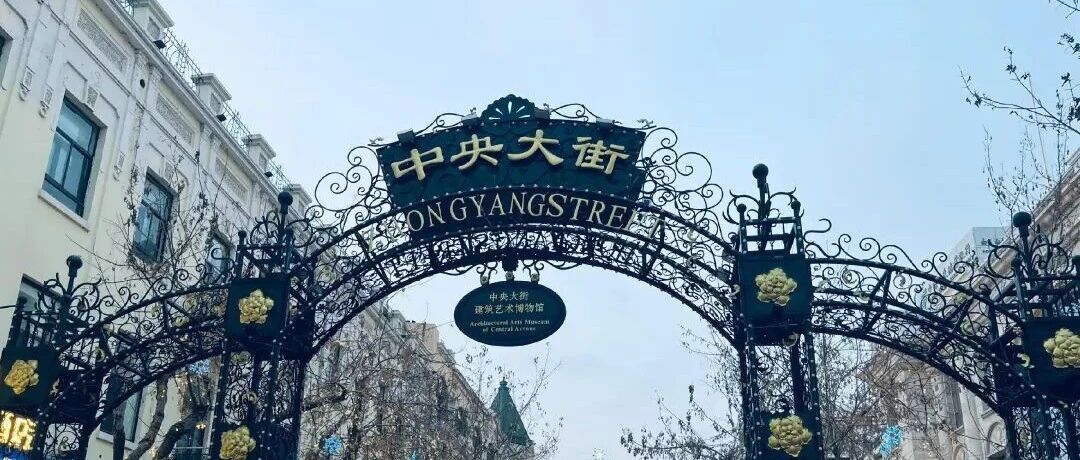
百年老街,资本暗战|故乡里的中国
经济观察报· 2026-02-18 06:13
Core Viewpoint - The article explores the historical significance of Harbin's Central Avenue as a financial hub in Northeast Asia, highlighting the evolution of currency and banking institutions over the past century [2][30]. Group 1: Historical Context - Central Avenue in Harbin was once bustling with financial activity, hosting over twenty banks and financial institutions, including Citibank and HSBC, which played a crucial role in capital flow in Northeast Asia [2][9]. - The area transformed from a marshland in the early 1900s to a vibrant financial center, with the first Russian merchants bringing rubles to the region [2][9]. Group 2: Currency Evolution - In 1914, the circulation of rubles in Harbin exceeded one hundred million, surpassing that of some major cities in Russia, indicating the city's economic significance [9]. - The October Revolution in 1917 led to the devaluation of the old ruble, causing significant financial losses for local merchants, exemplified by a case where a merchant's savings turned worthless overnight [9][10]. - By 1924, the Soviet government abolished all Tsarist currency, marking the end of the ruble era in Harbin [10][21]. Group 3: The Role of Autumn Company - The Autumn Company, established in 1900, became a major retail entity in the region, issuing its own vouchers that functioned as a quasi-currency amidst the chaotic monetary environment [17][19]. - The company's ability to adapt to currency fluctuations allowed it to thrive, even during times of hyperinflation and currency devaluation [19][21]. Group 4: Transition to Modern Currency - After the establishment of the People's Republic of China in 1949, the renminbi became the sole legal tender in Harbin, concluding a long period of currency instability [28][29]. - The introduction of modern banking systems in the late 1990s, such as the Harbin Bank, reflects the evolution of financial services in the region, integrating with global financial networks [29][30]. Group 5: Cultural Significance - The article emphasizes that the physical remnants of Central Avenue, such as its cobblestones and historical buildings, serve as a testament to the financial history and cultural memory of the region [30][34].



得益于强劲的铜需求 必和必拓上半财年利润大幅增长
Xin Lang Cai Jing· 2026-02-17 00:03
Core Viewpoint - BHP, the world's highest-valued mining company, reported a nearly 30% increase in net profit for the first half of the fiscal year, driven by rising copper demand [1] Financial Performance - Revenue for the six months ending December 31 increased by 11% year-on-year, reaching $27.9 billion [1] - Shareholder profit rose by 28% to $5.6 billion, exceeding analysts' expectations [1] Copper Contribution - Copper accounted for the largest share of profits, contributing 51% to earnings before interest, taxes, depreciation, and amortization (EBITDA) [1] - The CEO described this performance as a "milestone" for BHP [1] Production Goals - The company has multiple projects supporting its copper production growth plan, aiming for an annual output of 2.5 million tons by the mid-2030s [1]
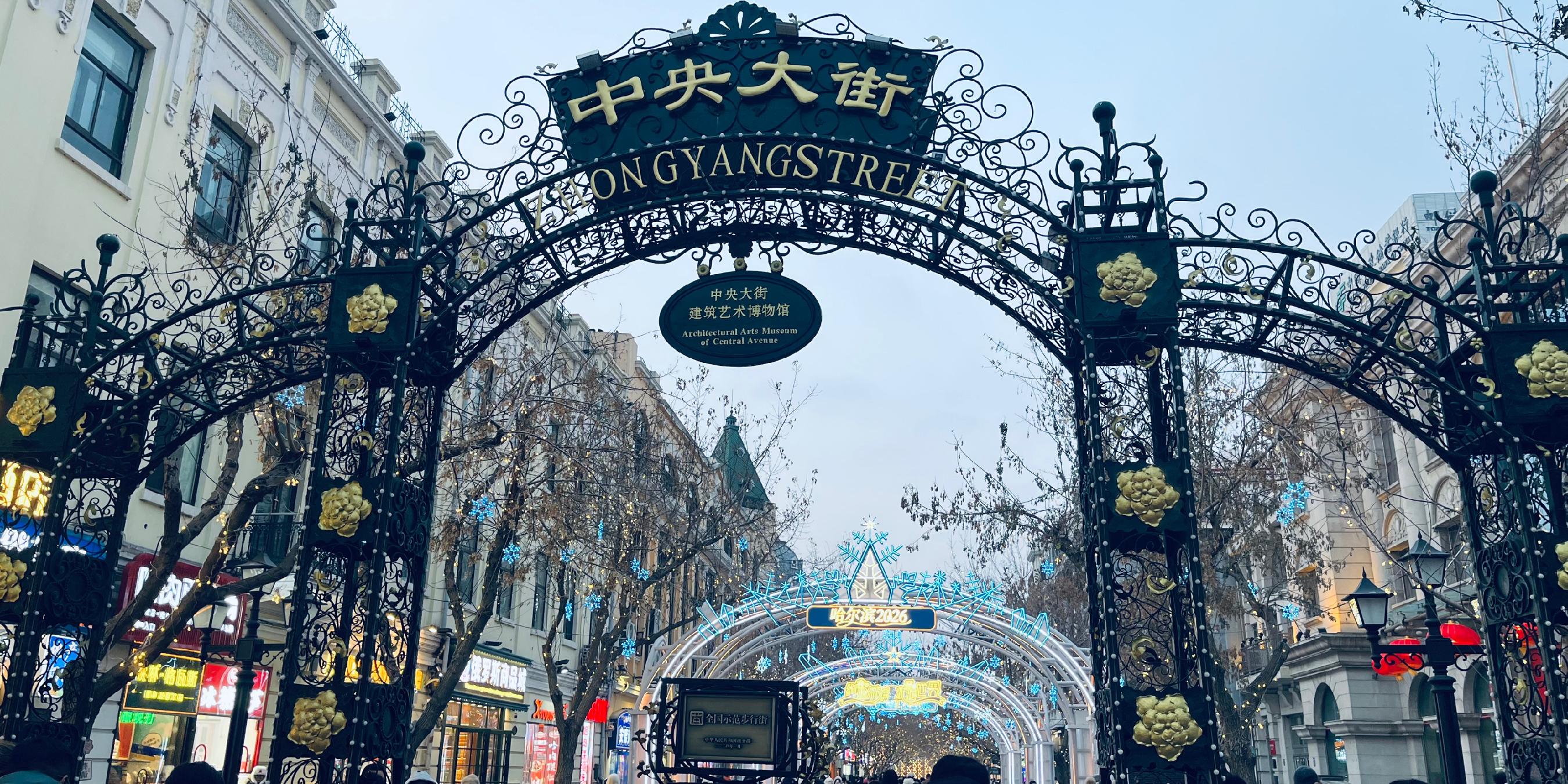
百年老街,资本暗战|故乡里的中国
Jing Ji Guan Cha Wang· 2026-02-16 10:10
Core Insights - The article highlights the historical significance of Harbin's Central Street as a financial hub in Northeast Asia, showcasing its evolution from a bustling center of trade and banking in the early 20th century to its current status as a cultural and historical landmark [2][3]. Historical Context - Central Street was established around 1900, becoming home to over twenty banks and financial institutions, including Citibank and HSBC, which played a crucial role in capital flow in Northeast Asia [3]. - The street's architecture and remnants of old banks serve as a testament to its role in modern Chinese financial history and the memory of a nation’s currency evolution [3][9]. Currency Evolution - In the early 20th century, transactions on Central Street were primarily conducted in rubles, with the circulation reaching over 100 million rubles by 1914, surpassing that of some major Russian cities [8]. - The October Revolution in 1917 led to the devaluation of the old ruble, causing significant financial losses for many local merchants, illustrating the volatility of currency during that period [8][14]. - By 1924, the Soviet government abolished all Tsarist currency, marking the end of the ruble era in Harbin [8]. The Role of Autumn Trading Company - The Autumn Trading Company, established in 1900, became a significant player in the local economy by issuing its own vouchers during a time of currency chaos, which were widely accepted as a form of currency [13][15]. - The company adapted to changing political climates, transitioning from a retail business to a comprehensive commercial empire, with its vouchers maintaining purchasing power better than official currencies [15][24]. Modern Financial Landscape - The establishment of Harbin Bank in 1997 marked a new era, introducing advanced trading systems and becoming a partner to previously competing foreign banks [24]. - The evolution from gold standard to digital currency reflects a long financial transformation witnessed by Central Street, which continues to serve as a cultural and historical site [24]. Cultural Significance - Central Street remains a vibrant area where locals and tourists gather, maintaining traditions such as enjoying local delicacies, while the historical buildings silently narrate the financial history of the region [27][28].
汇丰银行将联合利华目标价从4800便士上调至5100便士。
Xin Lang Cai Jing· 2026-02-16 06:36
Group 1 - HSBC has raised the target price for Unilever from 4800 pence to 5100 pence [1]

港股收盘(02.16) | 蛇年收官日恒指涨0.52% 有色金属、AI概念股走强 多股刷新上市新高
智通财经网· 2026-02-16 04:49
Market Overview - The Hong Kong stock market experienced a half-day trading session on February 16, with all three major indices opening lower but recovering. The Hang Seng Index closed up 0.52% at 26,705.94 points, with a total turnover of 849.97 billion HKD. The Hang Seng Tech Index rose 0.13%, while the Hang Seng China Enterprises Index increased by 0.42% [1] - For the year of the Snake, the Hang Seng Index has gained over 32%, the Hang Seng Tech Index has risen over 13%, and the China Enterprises Index has increased by over 23% [1] Blue Chip Performance - Zijin Mining (02899) led the blue-chip stocks, rising 4.67% to 43.52 HKD, contributing 18.71 points to the Hang Seng Index. Citigroup raised its target prices for Zijin's A-shares and H-shares by over 30% due to increased gold and lithium price forecasts and higher gold sales [2] - Other notable blue-chip performers included China Hongqiao (01378) up 3.92%, CNOOC (00883) up 3.71%, while HSBC Holdings (00005) fell 1.11% [2] Sector Highlights - The technology sector showed mixed results, with Alibaba down 0.45%, Baidu up over 1%, and Tencent up 0.19%. The storage chip sector saw significant price increases, with companies like Lianqi Technology and Zhaoyi Innovation reaching new highs [3] - The storage chip price surge is expected to improve profitability across the NAND industry, with Kioxia projecting a 50% increase in average selling prices starting Q1 2026. Morgan Stanley estimates Kioxia's adjusted gross margin will reach 66% in Q1 [3] - The large model AI sector also saw significant gains, with MINIMAX (00100) up 24.56% and Zhipu AI (02513) up 4.74%. MINIMAX launched a new flagship programming model, while Zhipu announced a price increase for its AI programming subscription [4] Commodity and Energy Stocks - The non-ferrous metals sector experienced broad gains, with Luoyang Molybdenum (03993) up 6.35%, China Nonferrous Mining (01258) up 5.55%, and Zijin Mining (02899) also contributing to the sector's performance [4] - The oil and shipping sectors remained active, with rising sentiments among shipowners due to geopolitical tensions, leading to higher freight rates [10] Recent Developments - The Hang Seng Index Company announced its quarterly review results, with companies like CATL, Luoyang Molybdenum, and Laopuhuang being added to the Hang Seng Index, increasing the number of constituent stocks from 88 to 90 [7] - Haizhi Technology Group (02706) saw a significant rise of 29.59% on its second day of trading, attributed to its focus on AI solutions and rapid revenue growth [8] - Fubo Group (03738) also experienced an 8.22% increase, driven by the popularity of its new copyright management platform [9]

中金:恒生与港股通调整影响分析 恒指新经济市值占比重回50%以上
智通财经网· 2026-02-16 00:01
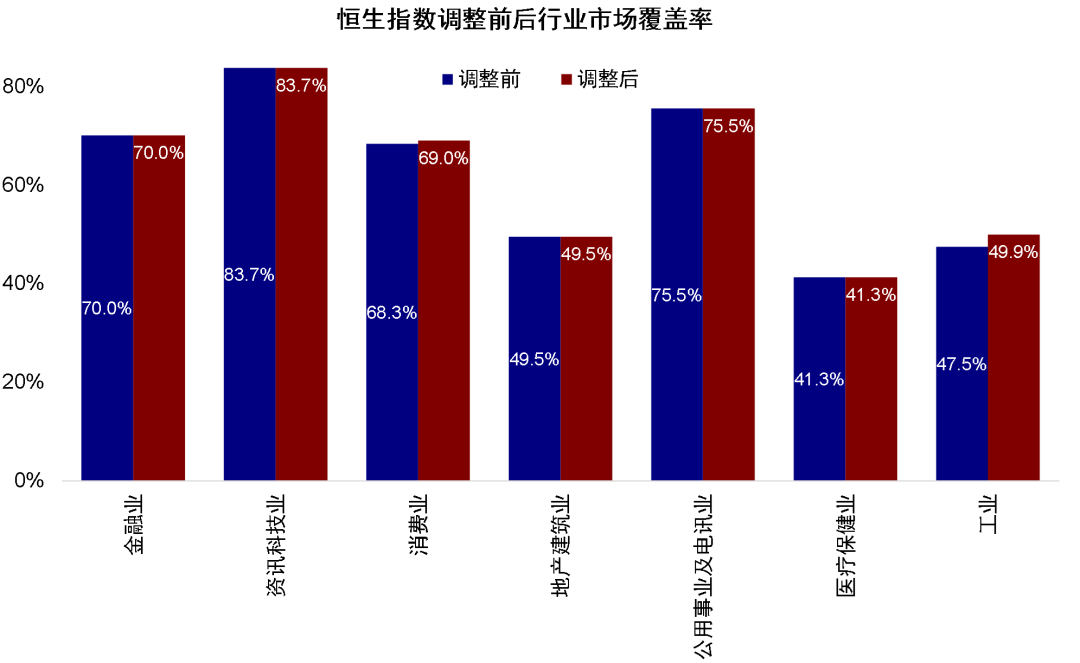
Core Viewpoint - The report from CICC analyzes the impact of adjustments to the Hang Seng Index and Hong Kong Stock Connect, indicating a gradual increase in the number of constituent stocks and changes in sector weightings, with a notable shift towards new economy sectors [1][13]. Group 1: Hang Seng Index Adjustments - The Hang Seng Index will include Luoyang Molybdenum, Old Puhua Gold, and CATL, increasing the number of constituent stocks to 90 [7][6]. - The new economy's market capitalization share will slightly rise from 48.9% to 50.0%, regaining a position above 50% [13]. - The technology and industrial sectors will see increases in their weightings, from 14.9% to 15.9% and from 10.0% to 10.9%, respectively, while the financial sector and utilities/telecommunications will decline [13][1]. Group 2: Fund Flow Estimates - Positive impacts are expected for Luoyang Molybdenum, Beike-W, Horizon Robotics-W, and Old Puhua Gold, while negative impacts are anticipated for HSBC [3][10]. - Estimated passive fund inflows for the newly included stocks are approximately $150 million for Luoyang Molybdenum, $85 million for Old Puhua Gold, and $110 million for CATL, with varying timeframes for these inflows [9][10]. - For the Hang Seng Index, potential outflows from HSBC and CLP Holdings could reach $500 million and $50 million, respectively [9][10]. Group 3: Hong Kong Stock Connect Adjustments - An estimated 44 stocks are likely to meet the inclusion criteria for the Hong Kong Stock Connect, while 25 stocks may be removed [4][11]. - The adjustments to the Hang Seng Composite Index will serve as a primary basis for the investable range of the Hong Kong Stock Connect [11][12]. - New listings such as OSL Group and Hashkey Holdings may face uncertainties regarding their inclusion due to their nature as virtual asset platforms [12]. Group 4: Adjustment Timeline - The adjustments will officially take effect on March 9, with passive funds expected to rebalance on March 6 to minimize tracking errors [5][14]. - There may be significant trading volume on the last trading day before the adjustments take effect, particularly in the closing hours [14].

技術座標下的匯豐認購證選擇:價內安全邊際vs價外槓桿效應
Ge Long Hui· 2026-02-14 14:57
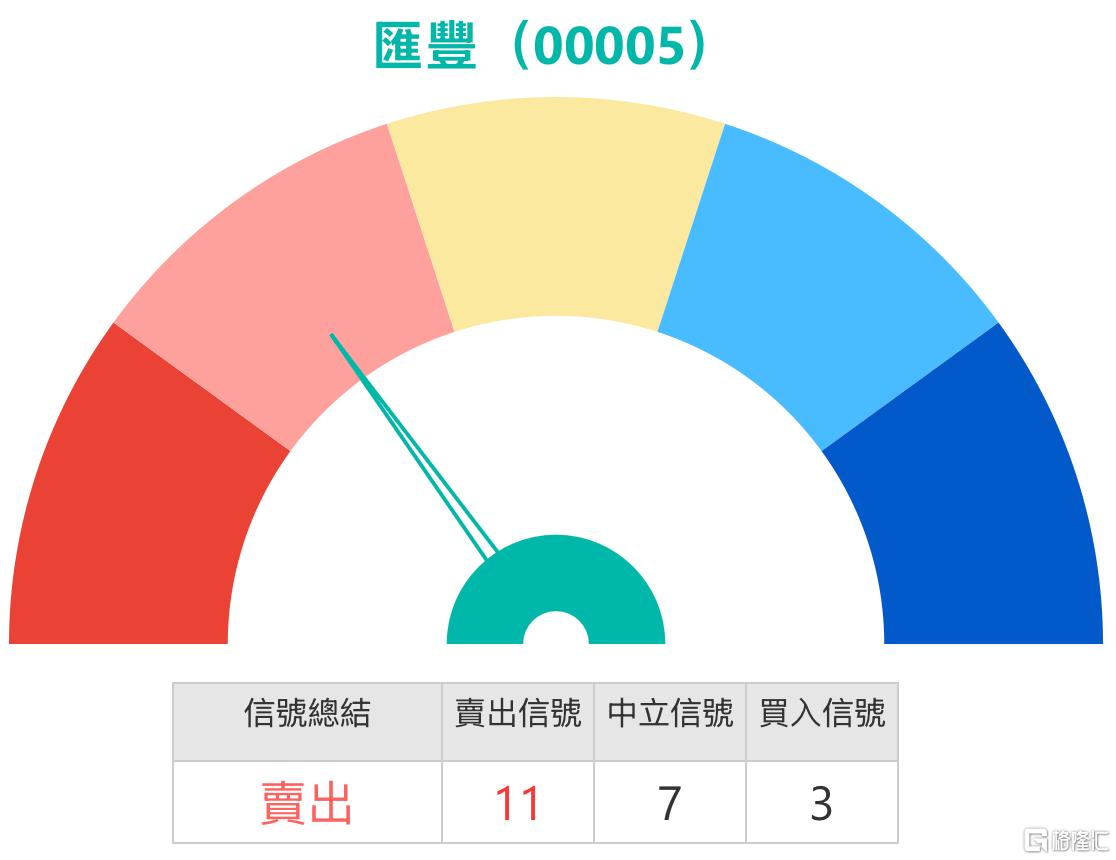
在匯豐控股(00005)正股現價136.5元的技術框架下,市場當前呈現出明確的結構性特徵。技術分析顯示合理活動範圍介於134.8元至143.5元之間,技術支持區域落在 129.6元至134.8元,而技術阻力區域則位於143.5元至147.6元水平。此技術座標為認購證的行使價分布提供了重要的參考基準。 從行使價結構區間分析來看,市場產品分布呈現明顯集中態勢。價內主力區間(日常波段工具)共有26隻產品,行使價範圍118元至134.09元;深價內區間 (趨勢替代正股)擁有25隻產品,行使價86.797元至114.18元;遠價外區間(情緒尾部風險)則有23隻產品,行使價148元至192.08元。其餘輕微價內、貼近 平價和中價外區間產品數量相對較少,顯示市場產品布局主要集中於價內與遠價外兩個極端。 街貨分布分析揭示市場共識呈現明顯的兩極化特徵。深價內區間街貨量高達207.53億份,佔總街貨量的66.3%,顯示大量資金沉澱於深度價內區域。遠價外 區間街貨量45.1億份,佔比14.4%,價內主力區間街貨量49.23億份,佔比15.7%。這種分布表明市場存在單一區間過度集中現象,深價內區間街貨集中度顯 著偏高,反映投資者傾向 ...
港股13日跌1.72% 收报26567.12点
Xin Hua She· 2026-02-13 12:58
Market Overview - The Hang Seng Index fell by 465.42 points, a decrease of 1.72%, closing at 26,567.12 points [1] - The total turnover on the main board was HKD 257.578 billion [1] - The Hang Seng China Enterprises Index dropped by 142.47 points, closing at 9,032.71 points, a decline of 1.55% [1] - The Hang Seng Tech Index decreased by 48.56 points, closing at 5,360.42 points, down by 0.9% [1] Blue-Chip Stocks - Tencent Holdings fell by 0.65%, closing at HKD 532 [1] - Hong Kong Exchanges and Clearing decreased by 2.13%, closing at HKD 405.2 [1] - China Mobile remained unchanged, closing at HKD 78.2 [1] - HSBC Holdings dropped by 2.72%, closing at HKD 135.7 [1] Local Hong Kong Stocks - Cheung Kong Holdings decreased by 0.59%, closing at HKD 46.9 [1] - Sun Hung Kai Properties increased by 0.15%, closing at HKD 133.7 [1] - Henderson Land Development fell by 1.04%, closing at HKD 32.4 [1] Chinese Financial Stocks - Bank of China decreased by 1.48%, closing at HKD 4.65 [1] - China Construction Bank fell by 1.49%, closing at HKD 7.96 [1] - Industrial and Commercial Bank of China dropped by 1.38%, closing at HKD 6.41 [1] - Ping An Insurance decreased by 2.16%, closing at HKD 70.35 [1] - China Life Insurance fell by 3.67%, closing at HKD 33.08 [1] Oil and Petrochemical Stocks - China Petroleum & Chemical Corporation dropped by 5.12%, closing at HKD 5.37 [1] - China National Petroleum Corporation fell by 4.33%, closing at HKD 9.05 [1] - CNOOC Limited decreased by 3.5%, closing at HKD 24.24 [1]