
SMIC(00981)

Search documents
中芯国际406亿重组整合核心业务 子公司获77亿美元增资优化财务结构
Chang Jiang Shang Bao· 2025-12-30 23:21
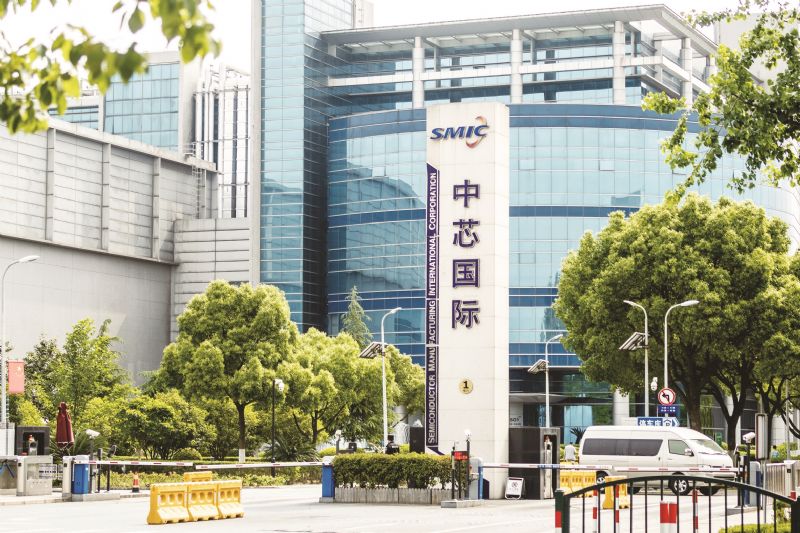
Core Viewpoint - SMIC (Semiconductor Manufacturing International Corporation) is advancing its core business integration and financial structure optimization through a significant acquisition and capital increase plan, aiming to enhance its asset quality and operational synergy in the semiconductor industry [2][4]. Group 1: Acquisition of SMIC North - SMIC plans to acquire the remaining 49% stake in SMIC North for a total consideration of 40.6 billion yuan, which values the entire company at approximately 82.86 billion yuan, reflecting an appreciation of 41.05 billion yuan or 98.19% [3][4]. - Following the acquisition, SMIC will hold 100% ownership of SMIC North, simplifying governance and enhancing operational efficiency [4][5]. - The transaction involves issuing 547 million shares at a price of 74.20 yuan per share, with the five counterparties receiving shares valued at 26.515 billion yuan, 7.457 billion yuan, 4.764 billion yuan, 932 million yuan, and 932 million yuan respectively [3][4]. Group 2: Financial Impact and Performance - The acquisition is expected to increase SMIC's net profit from 3.899 billion yuan to 4.656 billion yuan, representing a growth of 19.4% [7]. - As of August 2025, SMIC North reported total assets of 45.283 billion yuan and net assets of 41.808 billion yuan, indicating a strong financial position [7]. - SMIC North's revenue for the years 2023 to 2025 is projected to be 11.576 billion yuan, 12.979 billion yuan, and 9.012 billion yuan, with net profits of 585 million yuan, 1.682 billion yuan, and 1.544 billion yuan respectively, showcasing robust profitability [6]. Group 3: Capital Increase for SMIC South - Concurrently, SMIC is increasing the capital of its subsidiary, SMIC South, by 7.778 billion USD, raising its registered capital from 6.5 billion USD to approximately 10.077 billion USD [8][10]. - The capital increase aims to reduce SMIC South's debt ratio and strengthen the overall financial structure of the group [10]. - Investors in this capital increase include SMIC Holdings and various funds, contributing significant amounts to enhance SMIC South's financial stability [8][9].


板块迎来第600家上市公司科创板“硬科技”阵地积厚成势
Xin Lang Cai Jing· 2025-12-30 20:11
Core Insights - Strong One Co., Ltd. (688809.SH) officially listed on the Sci-Tech Innovation Board, becoming the 600th company, marking a significant milestone in the board's growth since its inception in 2019 [1] - The Sci-Tech Innovation Board has established itself as a key platform for empowering hard-tech enterprises, reflecting China's commitment to innovation-driven development and the cultivation of new productive forces [1] Financial Performance - In the first three quarters of 2025, companies on the Sci-Tech Innovation Board achieved a total operating revenue of 1,105.01 billion yuan, representing a year-on-year growth of 7.9% [2] - Net profit reached 49.27 billion yuan, with an 8.9% year-on-year increase, while the net profit after deducting non-recurring items was 31.97 billion yuan, up 5.5% [2] - R&D investment totaled 119.75 billion yuan, 2.4 times the net profit, with a median R&D intensity of 12.4%, indicating a strong focus on technological innovation [2] Industry Development - The Sci-Tech Innovation Board has formed a distinctive hard-tech industry cluster, particularly in the semiconductor sector, which includes over 100 companies, accounting for about 60% of the total in the A-share market [3] - Revenue in the integrated circuit industry grew by 25% year-on-year, with net profit increasing by 67% [3] - The biopharmaceutical sector saw the approval of nine Class 1 new drugs and potential total transaction amounts exceeding 13 billion USD from 16 outbound BD deals, enhancing industry competitiveness [3] Future Outlook - The emergence of the 600th company is seen as both a summary of past achievements and a starting point for future development [3] - The Sci-Tech Innovation Board aims to deepen reforms and enhance support for hard-tech enterprises, fostering the growth of high-quality tech companies through capital [3] - The board is expected to attract and cultivate more world-class technology enterprises, leading to the emergence of more innovative company stars in the future [3]

67元支持 vs 74元阻力:中芯國際震盪中的輪證策略
Ge Long Hui· 2025-12-30 16:52
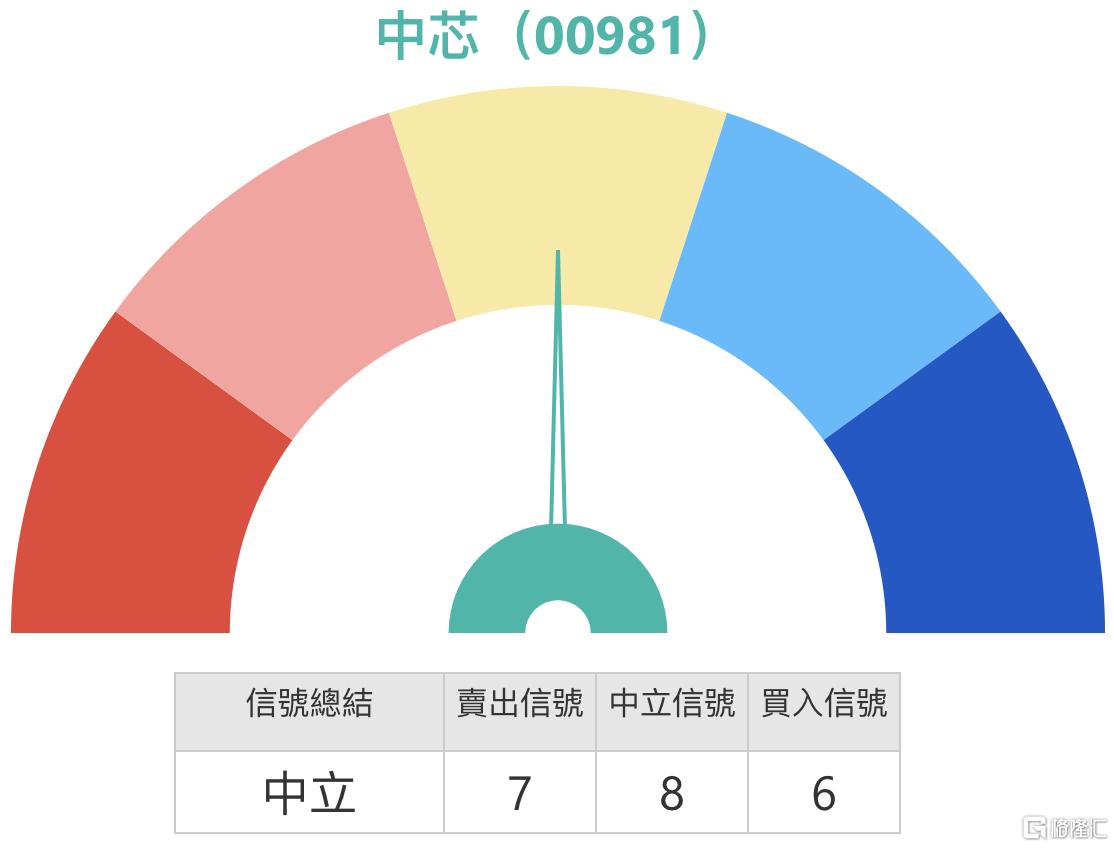
Core Viewpoint - The semiconductor sector, particularly SMIC, is experiencing heightened attention due to a market recovery driven by emerging applications like AI, with SMIC's stock showing significant volatility around key technical levels [1][5]. Technical Analysis and Key Price Levels - SMIC's stock price is at a critical juncture, having recovered above the 10-day moving average (approximately 66.64 CNY) and challenging the 30-day moving average (approximately 69.13 CNY) [2]. - Key support levels are identified at 67.2 CNY (first support) and 64.3 CNY (second support), while the first resistance level is at 74.1 CNY, with a potential target of 77.8 CNY if the resistance is breached [2]. Market Sentiment Divergence - Investor sentiment is divided, with bullish views focusing on positive industry trends and bearish perspectives emphasizing technical resistance and micro challenges [5]. - Bullish investors believe that if SMIC can maintain its technical position, it may challenge higher price levels, potentially reaching 100 CNY, despite some institutions lowering short-term profit forecasts [5]. - Cautious investors view the stability above the 30-day moving average as crucial, with some suggesting a possible pullback to around 60 CNY if the stock fails to show a daily divergence signal [5]. Derivative Products for Volatility Management - In light of expected price fluctuations around key levels, warrants and bull/bear certificates are recommended as flexible tools for expressing directional views [6]. - Recent performance of related bullish derivative products has been strong, with notable gains observed in UBS and HSBC bull certificates following SMIC's stock rise [7][8]. Current Derivative Product Recommendations - For bullish investors, recommended products include: - UBS call warrant (20292) with a strike price of 73.85 CNY, noted for its low premium and implied volatility [10]. - Bank of China call warrant (20316) also at 73.85 CNY, offering a higher leverage ratio [10]. - For bearish investors, options include: - Barclays put warrant (21469) and Bank of China put warrant (21097) with strike prices close to the current stock price, providing lower premiums and higher leverage [19].
12月30日南向资金净卖出38.45亿港元





Zheng Quan Shi Bao Wang· 2025-12-30 14:51
Market Overview - On December 30, the Hang Seng Index rose by 0.86%, closing at 25,854.60 points, while southbound funds through the Stock Connect recorded a net sell of HKD 3.845 billion [1][3] - The total trading volume for the Stock Connect on the same day was HKD 92.3 billion, with a net sell of HKD 3.845 billion [1][3] Trading Activity - In the Shanghai Stock Connect, the trading volume was HKD 59.138 billion with a net sell of HKD 1.327 billion, while in the Shenzhen Stock Connect, the trading volume was HKD 33.161 billion with a net sell of HKD 2.518 billion [1][3] Active Stocks - The most actively traded stock in the Shanghai Stock Connect was SMIC, with a trading volume of HKD 35.17 billion, followed by Alibaba-W and Tencent Holdings with trading volumes of HKD 30.32 billion and HKD 22.02 billion, respectively [1][2] - In terms of net buying, Industrial and Commercial Bank of China had the highest net buy amount of HKD 357 million, with its stock price increasing by 0.64% [1][2] - The stock with the highest net sell was the Tracker Fund of Hong Kong, with a net sell of HKD 1.612 billion, while its stock price rose by 0.93% [1][2] Shenzhen Stock Connect Highlights - In the Shenzhen Stock Connect, SMIC led with a trading volume of HKD 25.32 billion, followed by Alibaba-W and Tencent Holdings with HKD 23.47 billion and HKD 16.79 billion, respectively [2] - The highest net buy was also for SMIC, with a net buy of HKD 410 million, and its stock price increased by 4.24% [2] - Alibaba-W recorded the highest net sell in this segment, amounting to HKD 798 million, while its stock price rose by 0.84% [2]
南向资金今日净卖出38.45亿港元 盈富基金净卖出16.12亿港元
Zheng Quan Shi Bao Wang· 2025-12-30 14:51
Group 1 - The Hang Seng Index rose by 0.86% on December 30, with a total turnover of southbound funds amounting to HKD 923.00 billion, including buy transactions of HKD 442.28 billion and sell transactions of HKD 480.72 billion, resulting in a net sell of HKD 38.45 billion [1] - The southbound trading through Stock Connect (Shenzhen) had a total turnover of HKD 331.61 billion, with buy transactions of HKD 153.22 billion and sell transactions of HKD 178.40 billion, leading to a net sell of HKD 25.18 billion [1] - The southbound trading through Stock Connect (Shanghai) recorded a total turnover of HKD 591.38 billion, with buy transactions of HKD 289.06 billion and sell transactions of HKD 302.33 billion, resulting in a net sell of HKD 13.27 billion [1] Group 2 - Among the actively traded stocks, SMIC had the highest turnover with a total of HKD 60.49 billion and a net buy of HKD 7.59 billion, closing with a price increase of 4.24% [1][2] - CNOOC had a total turnover of HKD 21.87 billion with a net buy of HKD 4.61 billion, while ICBC recorded a net buy of HKD 3.57 billion [2] - Tencent Holdings had a total turnover of HKD 38.81 billion with a net sell of HKD 12.79 billion, and Alibaba-W had a turnover of HKD 53.79 billion with a net sell of HKD 4.93 billion [2] Group 3 - The stock with the longest consecutive net buy from southbound funds was Huahong Semiconductor, with a total net buy of HKD 5.45 billion over three days [2] - The stocks with the highest consecutive net sell included China Mobile, Tencent Holdings, and Alibaba-W, with total net sells of HKD 96.46 billion, HKD 32.97 billion, and HKD 18.05 billion respectively [2]

欧美芯片企业严重警告!如果中国再降价,世界芯片产业将被毁灭
Sou Hu Cai Jing· 2025-12-30 14:46
Core Viewpoint - The Chinese chip industry has made significant strides, particularly in the mid-range segment, with the ability to produce 28nm chips at competitive prices, disrupting the market previously dominated by Western companies [1][3][12]. Group 1: Market Dynamics - SMIC has set a price of $1,500 for 28nm chips, significantly undercutting the previous market price of $2,500, which has led to a surge in orders from Asia [3][12]. - The decline in prices is attributed to a fully domestic supply chain, improved production efficiency, and increased output, allowing China to capture market share in the mid-range segment while Western companies focus on high-end products [3][19]. - The global chip market is experiencing a shake-up as China's pricing strategy forces Western companies to reconsider their positions, with ASML's stock dropping 16% due to fears of losing market share [5][14]. Group 2: Impact on Western Companies - European and American companies are increasingly reliant on the Chinese market, particularly in the electric vehicle chip sector, which is projected to reach $17.6 billion by 2027 [5][17]. - The U.S. Department of Commerce has added 140 Chinese entities to its control list, indicating a strategy to restrict China's technological advancements, but this has prompted China to accelerate its domestic production capabilities [7][23]. - The competitive landscape is shifting, with Chinese companies aiming for a self-sufficiency target of 70% by 2025, reducing reliance on foreign chips [11][19]. Group 3: Future Outlook - China's chip self-sufficiency has increased from 30% in 2019 to nearly 40%, with a strong focus on expanding production and exports, particularly in the electric vehicle sector [25][26]. - The semiconductor market is expected to undergo significant changes, with China's advancements in technology and production capabilities posing a challenge to Western dominance [30]. - The ongoing competition is not a zero-sum game; rather, it represents a reshaping of the global semiconductor landscape, with China poised to play a more prominent role in the future [30].

行业景气度超预期,AI与国产化双主线凸显
Datong Securities· 2025-12-30 14:05
Investment Rating - The industry rating is "Positive" (maintained) [3] Core Insights - The semiconductor industry is experiencing structural prosperity, with strong demand for mature processes and specialty technologies. Domestic wafer manufacturing leaders, represented by SMIC, are operating at full capacity and have implemented price increases, indicating robust performance in a tight supply-demand environment [3][34] - The demand for AI computing continues to drive upgrades in high-end storage, with HBM prices rising and major players competing for next-generation technologies, highlighting a high prosperity trend in advanced storage and packaging testing [4][36] - The overall focus should be on domestic wafer manufacturing leaders and their upstream and downstream supply chains, as well as the AI-driven high-end hardware industry chain, which are currently key areas of interest [4][36] Industry Data Tracking Semiconductor Industry - In October 2025, global semiconductor sales reached $72.7 billion, a year-on-year increase of 27.2%, while China's semiconductor sales were $19.5 billion, up 18.5% year-on-year, indicating sustained strong demand in the semiconductor sector [24][29] - The domestic semiconductor equipment demand remains strong as the push for domestic substitution continues [24] Storage Chip Industry - Recent trends show a strong upward movement in DRAM prices, reflecting robust demand for high-performance memory from AI servers and next-generation PCs. NAND Flash prices are stable, with a gradual increase, while the overall storage chip industry is entering a new prosperity cycle [29][33] Consumer Electronics - The smartphone market is increasingly reliant on technological innovation and stimulus policies, with a significant increase in smartphone shipments in October 2025, driven by promotional events and new product launches [18][19]
2026年电子行业年度十大预测
Soochow Securities· 2025-12-30 14:02
Investment Rating - The report maintains a rating of "Buy" for the electronic industry [1] Core Insights - The electronic industry is expected to experience significant growth driven by advancements in AI technology and the domestic supply chain's maturation, particularly in cloud and edge computing [11][15] - The report highlights the importance of 3D DRAM as a key hardware innovation for AI applications, with expectations for substantial demand growth in 2026 [22][27] - The shift towards high-density interconnects and advanced power supply architectures is crucial for supporting the increasing power density of AI data centers [50][56] Summary by Sections Cloud Computing Power - The domestic computing power supply chain is accelerating, with significant performance releases expected from local manufacturers like Zhongke Shuguang and Huawei [11] - The transition from Scale-Out to Scale-Up networking is enhancing bandwidth and reducing latency, which is critical for AI applications [11] Edge Computing Power - The integration of edge and cloud computing is becoming essential for AI applications, with edge devices benefiting from advancements in SoC technology [15][17] - Companies like Jingchen and Ruixinwei are positioned to capitalize on the growing demand for edge AI solutions [19] 3D DRAM - 3D DRAM is anticipated to become mainstream in 2026, driven by its high bandwidth and low cost, making it essential for various AI applications [22][27] - Companies such as Zhaoyi Innovation are expected to lead in the development of 3D DRAM technologies [28] AI Models - The optimization of AI models is crucial for enhancing performance and user experience, with a focus on local processing capabilities [29][30] - The collaboration between terminal manufacturers and model providers is expected to evolve, shaping the competitive landscape [30][33] AI Terminals - 2026 marks the beginning of a new era for AI terminals, with major companies like Meta, Apple, and Google launching innovative products [34][36] - The development of new terminal forms, such as smart glasses and desktop robots, is expected to drive market growth [34][35] Longxin Chain - Longxin's expansion plans are set to enhance the DRAM supply chain, with a focus on 3D architecture to improve performance and efficiency [38][39] - The company is expected to benefit from increased capital investment and technological advancements [39][41] Wafer Foundry - The domestic wafer foundry industry is entering a new expansion phase, particularly in advanced logic processes [42][43] - Key players like SMIC and Huahong are expected to lead this expansion, addressing the growing demand for advanced chips [44] PCB Industry - The PCB market is poised for growth, driven by the demand for high-performance materials and advanced designs [45][48] - Companies like Shenghong Technology are expected to benefit from the rising demand for AI-related PCB applications [49] Optical-Copper Interconnection - The demand for optical and copper interconnections is increasing, driven by the growth of AI computing clusters [50][52] - Companies such as Changguang Huaxin are well-positioned to capitalize on this trend [53] Server Power Supply - The shift to HVDC power supply architectures is becoming essential for AI data centers, addressing the challenges of increasing power density [55][56] - Companies like Oulu Tong are expected to lead in the development of advanced power supply solutions [56]
中芯国际大涨超4%
Xin Lang Cai Jing· 2025-12-30 13:12
Core Viewpoint - The Hong Kong stock market, particularly the semiconductor chip industry, is experiencing a strong rebound, with the Hong Kong Stock Connect Information C Index outperforming other technology indices significantly this year, showing a cumulative increase of over 39% [1] Group 1: Market Performance - The Hong Kong Stock Connect Information C Index rose over 2%, outperforming the Hang Seng Technology Index and other technology-related indices [1] - The Hong Kong Stock Connect Information C ETF (159131) recorded a daily trading volume of 77.27 million yuan, recovering its 5-day and 20-day moving averages [2] - The ETF focuses on the "Hong Kong chip" industry, comprising 70% hardware and 30% software, and includes 42 hard-tech companies [7] Group 2: Key Companies and Developments - Semiconductor company SMIC plans to acquire 49% of its subsidiary, SMIC North, making it a wholly-owned subsidiary, while also receiving a cash injection of $7.778 billion for SMIC South [3] - Notable stock performances include InnoCare rising over 15%, Midea rising over 11%, and UBTECH rising over 8% [4] Group 3: Industry Outlook - The Chinese semiconductor market is projected to reach $176.9 billion in 2024, with a year-on-year growth of 15.9%, and expected to reach $206.7 billion by 2025 [5] - The domestic semiconductor industry is advancing from downstream manufacturing to upstream core equipment, materials, and software, driven by national policies and international dynamics [5] - Investment opportunities are highlighted in third-generation semiconductor materials, computing chips, RF communication chips, and high-bandwidth storage [5] Group 4: Valuation Insights - The Hong Kong Information Technology ETF (159131) has a current P/E ratio of 33.25, which is significantly lower than the P/E ratios of the ChiNext Index (41.04) and the Nasdaq 100 (36.23), indicating a favorable investment valuation [5]

中芯国际大涨超4%,这只指数强势跑赢!首只重仓“港股芯片链”的港股信息技术ETF(159131)放量大涨2%
Xin Lang Cai Jing· 2025-12-30 13:07
Core Viewpoint - The Hong Kong stock market, particularly the semiconductor chip industry, is experiencing a strong rebound, with the Hong Kong Stock Connect Information C Index rising over 2%, significantly outperforming other technology indices [1][10]. Group 1: Market Performance - The Hong Kong Stock Connect Information C Index has a year-to-date increase of over 39% [1][10]. - The Hong Kong Stock Connect Information Technology ETF (159131) recorded a single-day trading volume of 77.27 million yuan, recovering both the 5-day and 20-day moving averages [2][11]. Group 2: Key Stocks and Movements - Notable stock performances include InnoCare Pharma rising over 15%, Midea Group increasing over 11%, and UBTECH Robotics gaining over 8% [5][15]. - Semiconductor companies like SMIC and iFlytek also saw increases of over 4% [5][15]. Group 3: Industry Developments - SMIC plans to acquire a 49% stake in SMIC North, which will become a wholly-owned subsidiary, and will receive a cash injection of $7.778 billion for SMIC South [3][12]. - This capital operation is expected to create opportunities for domestic chips, particularly in semiconductor equipment and AI infrastructure [3][12]. Group 4: Market Outlook - The semiconductor market in China is projected to reach $176.9 billion in 2024, with a year-on-year growth of 15.9%, and is expected to reach $206.7 billion by 2025 [4][13]. - The domestic semiconductor industry is making progress from downstream manufacturing to upstream core equipment, materials, and software, driven by national policies and international dynamics [4][13]. Group 5: Valuation Insights - The Hong Kong Information Technology ETF (159131) has a current P/E ratio of 33.25, which is significantly lower than the ChiNext Index at 41.04 and the Nasdaq 100 at 36.23, indicating a favorable investment valuation [6][16]. - The ETF focuses on a composition of 70% hardware and 30% software, covering 42 hard tech companies, with significant weights in SMIC (15.19%) and Xiaomi (14.21%) [8][18].
