
Biocytogen(02315)

Search documents
百奥赛图:双业务线构建“价值金字塔”,中国创新药BD潮中的潜在赢家
Xin Lang Zheng Quan· 2025-09-21 10:55
Core Insights - The innovative drug industry in 2025 is witnessing a surge in business development (BD) activities, with over 70 pipeline licensing agreements signed by Chinese pharmaceutical companies in the first half of the year, totaling over $60 billion, setting a historical record [1] - The urgency of multinational pharmaceutical companies to fill the "patent cliff" gap has positioned Chinese firms as significant sources of global pipelines due to their efficient R&D and cost advantages [1] Company Overview - Baiaosaitu's growth path can be summarized as "from point to surface," starting with gene-edited mice and accumulating industry-leading humanized mouse resources, providing stable cash flow and early engagement with innovative drug companies [2] - The company's antibody discovery platform, initiated in 2020 with the "Thousand Mice, Ten Thousand Antibodies" plan, has positioned Baiaosaitu at the forefront of the innovative drug R&D chain, enabling partners to significantly reduce time and uncertainty in the development process [2] - Baiaosaitu operates a "dual business line" model: stable cash flow from standardized model animal products and high-growth potential from high-throughput antibody production through licensing and collaboration [2] Market Valuation Logic - In the secondary market, traditional biotech companies often rely on a few pipeline "stories" for high valuations, which carry significant risks and volatility, while Baiaosaitu's platform-centric model offers stronger risk resilience [3] - The value of platform-based biotech lies in its ability to "empower" others, sharing clinical risks and revenues through collaborations and licensing, functioning as a "R&D infrastructure" for global innovative drug companies [3] Recent Collaborations - In September, Baiaosaitu announced three international collaborations, further demonstrating the value of its platform [4] - The collaboration with Merck explores antibody-conjugated LNP nucleic acid delivery, expanding the boundaries of antibody applications in emerging therapies and creating potential long-term cash flow [5] - A licensing agreement with Tubulis involves a fully human antibody derived from the RenMice® platform entering ADC development, exemplifying the "antibody supermarket" model by allowing molecules to enter clinical trials through licensing rather than self-research [6] - The partnership with IDEAYA focuses on the dual-antibody ADC IDE034, with preclinical data showing significant synergy when combined with small molecule drugs, highlighting Baiaosaitu's technical capabilities in this hot sector [7] Role in Business Development Wave - Multinational pharmaceutical companies are willing to pay high prices for early pipeline access, and Chinese firms are achieving a positive cycle of funding and technology through BD, with Baiaosaitu's model aligning well with this trend [9] - The open platform allows molecules to be licensed multiple times to different partners, increasing the probability of success, while the value capture model includes upfront payments, milestones, and sales shares, forming a long-term "value pyramid" [9] - Baiaosaitu serves as an "accelerator" for new drug development, providing "ready-to-use" candidate molecules for various-sized pharmaceutical companies, thus lowering innovation barriers [9] - The company's story reflects the rise of Chinese biotech and the inevitable result of the fine division of labor in the innovative drug industry, with BD transactions expected to be a long-term trend driven by the "patent cliff" and "efficiency dividend" [9]
百奥赛图:当“千鼠万抗”遇上BD大潮
Xin Lang Zheng Quan· 2025-09-21 10:55
Core Insights - The Chinese innovative drug industry has seen a significant surge in out-licensing (BD) transactions, with over 70 agreements and a total transaction value exceeding $60 billion in the first half of 2025 [1] - Multinational pharmaceutical companies are eager to find new pipelines to fill the "patent cliff," and Chinese firms are becoming a crucial source for new drugs due to their efficiency and cost advantages [1] Group 1: Business Model - Baiaosaitu operates with a "dual business line" strategy, which includes a stable revenue stream from model animal business and growth potential from its antibody platform [2] - The model animal business provides preclinical validation tools for innovative drug companies, ensuring stable income and cash flow [2] - The antibody platform, supported by a large library of antibody molecules, generates revenue through licensing and collaboration, offering upfront payments, milestone payments, and sales shares [2] Group 2: Recent Developments - Baiaosaitu has announced three significant collaborations in September, showcasing the value of its platform [3] - The agreements include a partnership with Merck to explore antibody-conjugated LNP nucleic acid delivery, a licensing deal with Tubulis for the RenMice® platform for ADC development, and collaboration with IDEAYA on a dual-antibody ADC project expected to file for IND in Q4 2025 [3] - These collaborations highlight Baiaosaitu's versatility and international influence in three of the hottest global sectors: nucleic acid delivery, ADC, and dual-antibody ADC [3] Group 3: Market Positioning - Baiaosaitu's approach differs from traditional biotech firms by diversifying risk through a continuous output of "raw materials" via its antibody library and validation tools [4] - The company benefits from a diversified revenue model, combining cash flow from model animals with income from antibody licensing [5] - Frequent international collaborations serve as a strong endorsement of the platform's quality, positioning Baiaosaitu as a long-term value stock in the capital market [5] - The company is seen as a "foundation-type enterprise" in the innovative drug BD wave, potentially emerging as a long-term winner despite lacking short-term blockbuster drug announcements [5]
百奥赛图科创板IPO将于9月24日上会
Bei Jing Shang Bao· 2025-09-19 13:21
Core Viewpoint - The Shanghai Stock Exchange is set to review the IPO application of BaiAo SaiTu (Beijing) Pharmaceutical Technology Co., Ltd. on September 24, 2025, following its acceptance on June 20, 2023 [1] Company Overview - BaiAo SaiTu was established in 2009 and operates as a preclinical CRO and biotechnology company [1] - The company offers various innovative animal models and preclinical pharmaceutical research services based on its self-developed gene editing technology [1] Technology and Services - BaiAo SaiTu utilizes its proprietary RenMice fully human antibody mouse platform, which includes multiple series such as RenMab, RenLite, RenNano, RenTCR, and RenTCR-mimic [1] - The platform targets nearly a thousand potential drug targets in the human body for large-scale drug discovery and development [1] - The company also engages in the transfer, licensing, or collaborative development of promising antibody molecules [1]
百奥赛图:从“千鼠万抗”到全球新药研发加速器
Xin Lang Zheng Quan· 2025-09-19 07:59
Core Insights - The recent World Lung Cancer Conference showcased the impressive efficacy data of BaiLi Tianheng's EGFR/HER3 bispecific antibody ADC (BL-B01D1), marking a new era led by bispecific antibodies (BsAb) and their conjugates (BsADC) in oncology [1] - BaiAo SaiTu is emerging as a key player in the industry, recognized as a "enabler" and "infrastructure provider" for new drug development, with recent collaborations yielding significant upfront and milestone payments [1] Group 1: Company Evolution - BaiAo SaiTu started with gene editing technology and has developed a platform centered around humanized mouse models for antibody drug discovery, exemplified by the "Thousand Mice, Ten Thousand Antibodies" initiative [2] - The RenMice platform, with proprietary intellectual property, allows for the pre-construction of a large library of antibody molecules, significantly shortening development time and increasing success rates [2] Group 2: Technological Advancements - The RenLite platform addresses the chain mismatch issue in bispecific antibody development, simplifying production to a level comparable to monoclonal antibodies [3] - This platform has attracted global partners such as ABL Bio and SOTIO, who are exploring bispecific ADCs and multi-payload ADCs [3][4] Group 3: Broader Antibody Development - BaiAo SaiTu is also advancing in the field of nanobodies through the RenNano platform, which offers new possibilities for targeting solid tumors due to their small size and penetration capabilities [5] - The modular design of RenNano allows for collaboration with RenLite to explore complex multispecific antibodies, providing innovative solutions for autoimmune and oncology fields [5] Group 4: Business Model and Value Creation - BaiAo SaiTu's business model includes licensing fees, milestone payments, and future sales sharing, creating a robust and diversified value pyramid [6] - The company's model, based on absolute technological scarcity, grants it significant bargaining power within the global industry chain, positioning it as a true value creator in the innovative drug sector [6] Group 5: Industry Impact - BaiAo SaiTu continues to empower the industry through its RenMice and "Thousand Mice, Ten Thousand Antibodies" initiatives, acting as an accelerator rather than just a pipeline biotech [7] - The company is constructing its own global value pyramid, contributing significantly to the new drug development landscape [7]
百奥赛图模式重塑早期研发,站上全球创新药BD潮头
Xin Lang Zheng Quan· 2025-09-19 07:45
Core Insights - The Chinese innovative drug industry is entering a global business development (BD) phase at an unprecedented speed, with over 70 pipeline licensing agreements signed in the first half of the year, totaling more than $60 billion, setting new records [1][2] - The surge in BD activities is driven by a precise match between supply and demand, as multinational companies face patent expirations and need external innovative pipelines, while Chinese biotech firms have a large number of early-stage projects but lack the resources to advance them independently [2][6] Industry Dynamics - The industry is characterized by two main development models: the "heavyweight approach" exemplified by companies like Heng Rui Pharma, which has a large R&D team and covers numerous hot targets, and the "lightweight approach" represented by companies like Abogen Biosciences, which focuses on efficiency and cost advantages [3][5] - Heng Rui Pharma ranks 13th globally with 173 projects in the pipeline and has generated nearly 2 billion RMB in upfront payments from BD transactions in the first half of the year [3] - Abogen Biosciences has signed approximately 280 antibody asset collaborations in the first half of 2025, leveraging its RenMice platform to create a vast resource library of candidate antibodies [3][4] BD-Driven Industry Restructuring - The BD model is reshaping the industry by enhancing molecular development efficiency and changing collaboration methods, allowing previously unsuccessful molecules to re-enter the pipeline for new indications [4] - This open platform is becoming a foundational infrastructure for the innovative drug industry, enabling biotech companies to rely on resource libraries for early-stage development while large pharmaceutical companies use it to supplement and accelerate their internal R&D [4] Future Outlook - The BD model is redefining industry value assessment, shifting capital market focus from solely independent R&D to the ability to continuously produce pipelines with licensing potential [5][6] - With ongoing patent cliffs for global pharmaceutical giants and the accumulation of R&D resources by Chinese companies, the wave of Chinese innovative drugs entering the global market is expected to remain strong, becoming a core driver of industry development over the next two decades [6]

双抗风暴与BD大潮:中国创新药的全球机遇与百奥赛图的源头价值
Xin Lang Zheng Quan· 2025-09-19 07:42
Group 1 - The global oncology conference in 2025 showcased a Chinese dual-antibody ADC drug, highlighting China's innovative drugs gaining global recognition [1] - In the first half of 2025, Chinese pharmaceutical companies signed over 70 external licensing agreements for research pipelines, totaling over $60 billion, setting historical records [1] - The record-breaking licensing deal of $6 billion for a PD-1/VEGF dual-antibody by 3SBio to Pfizer signifies a shift in China's innovative drug licensing landscape [1] Group 2 - The dual-antibody and dual-antibody ADC technologies are expected to be the next major focus in the pharmaceutical industry, potentially overcoming resistance issues and enhancing efficacy [3] - The global pharmaceutical market is facing a "patent cliff," with over $100 billion worth of blockbuster drugs losing patent protection in the next five years, creating a strategic need for new pipelines [2] - Morgan Stanley predicts that by 2040, annual sales of innovative drugs from China could reach $220 billion, with 35% of new drugs approved by the FDA originating from Chinese pipelines [2] Group 3 - Baiaosuatu's unique positioning as a "molecular source" through a comprehensive technology platform allows for a significant reduction in drug development timelines and costs [4] - The "Thousand Mice, Ten Thousand Antibodies" initiative enables pharmaceutical companies to select from a vast library of antibody candidates, streamlining the drug discovery process [4] - Baiaosuatu's business model focuses on molecular discovery with a clear emphasis on business development (BD), differentiating it from other innovative drug companies [5] Group 4 - In the first half of 2025, Baiaosuatu signed 80 new agreements, a nearly 60% year-on-year increase, establishing partnerships with around 280 collaborators, including major global players [6] - The high "repurchase rate" of Baiaosuatu's collaborations indicates strong demand and efficiency in project advancement, exemplified by multiple partnerships with Merck [6] - Baiaosuatu is transforming drug discovery from a high-risk process into a shared, high-probability system, enhancing the overall success rate of drug development [7] Group 5 - The dual-antibody and dual-antibody ADC wave is reshaping the landscape of Chinese innovative drugs, with Baiaosuatu positioned as a critical player in this transformation [8] - Baiaosuatu's systematic technology platform and forward-looking business model allow it to occupy a pivotal role in the value chain of the pharmaceutical industry [8] - The company is redefining the BD landscape in China's innovative drug sector, potentially becoming an indispensable infrastructure entity in global drug development [9]
百奥赛图的抗体王国:超级BD入口
Xin Lang Zheng Quan· 2025-09-19 07:40
Core Insights - The Chinese innovative pharmaceutical industry is entering a significant era of external business development (BD), with over 70 external licensing agreements signed in the first half of 2025, totaling over $60 billion, setting historical records [1][3][4] - The surge in BD transactions is driven by the alignment of supply from Chinese companies and the global demand from multinational pharmaceutical firms facing patent cliffs in the next 3-5 years [1][2][4] - Companies like Hengrui Medicine and Baiyue Biotechnology exemplify two distinct models in this landscape: a "heavyweight model" focusing on extensive R&D capabilities and a "lightweight model" leveraging efficiency and cost advantages [6][7][11] Industry Trends - The trend of external BD is expected to continue as multinational companies seek cost-effective innovative pipelines before finding higher-value sources [4][5] - Morgan Stanley predicts that by 2040, annual sales from innovative drugs originating in China will reach $220 billion, with 35% of FDA-approved innovative drugs coming from Chinese pipelines [4] Company Strategies - Hengrui Medicine, with a robust R&D team and numerous projects, has seen significant revenue from BD transactions, nearing 2 billion RMB in upfront payments in the first half of 2025 [7][19] - Baiyue Biotechnology's "Thousand Mice, Ten Thousand Antibodies" plan has redefined its business model, allowing for a vast library of candidate antibodies and a more efficient drug discovery process [10][11][12] Competitive Advantages - Baiyue Biotechnology's model allows for rapid access to high-quality antibodies, significantly reducing the time from discovery to clinical testing, from an average of 5.5 years to 12-18 months [12][13] - The company's approach enables a "target freedom" for innovative drug companies, allowing them to explore multiple targets with lower costs and risks [14][27] Market Position - Baiyue Biotechnology has established itself as a leader in the industry, with 80 new agreements signed in the first half of 2025, reflecting a 60% year-on-year growth [19] - The company's partnerships with major pharmaceutical firms like Merck and IDEAYA Biosciences highlight its growing influence and the high demand for its antibody discovery platform [20][21][24] Future Outlook - The open nature of Baiyue Biotechnology's model allows for shared access to its antibody library, increasing the chances of success for various companies in the innovative drug sector [26][27] - As the "Thousand Mice, Ten Thousand Antibodies" plan continues to evolve, Baiyue Biotechnology is positioned to become a significant player in the BD era of innovative pharmaceuticals [27][28]
“ADC+小分子”疗效大爆炸,百奥赛图赢麻了
Xin Lang Zheng Quan· 2025-09-19 07:39
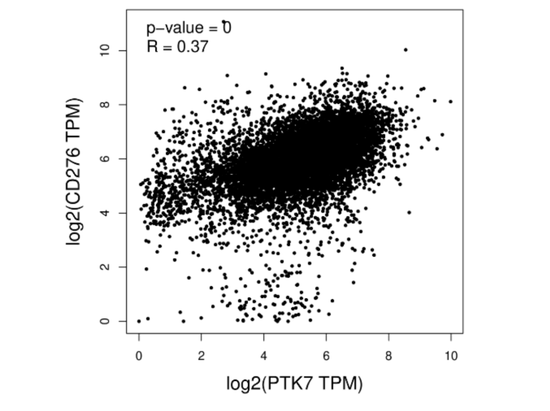
每年,全球精准肿瘤治疗领域的目光都会聚焦在行业的研发日。 近日,IDEAYA Biosciences 举办十周年研发日(R&D Day),披露了多项研发进展、战略规划和技 术平台。作为一家在精准肿瘤治疗领域快速成长的美国生物技术公司,IDEAYA此次除了自有管线最 新成果,还重点介绍了两个引进的项目:从中国公司恒瑞医药引进的DLL3 抗体药物偶联物 (ADC)项目 IDE849,和从百奥赛图引进的B7H3/PTK7双特异性抗体偶联药物(bsADC)项目 IDE034。 在当今市场都聚焦IO抗体+ADC的热潮背景下,IDEAYA创新性聚焦和探索小分子+ADC联用策略, 旨在探索PARG抑制剂联合新一代ADC所蕴含的"王炸"潜力。 01 从小分子到大分子的叠加 为什么以小分子见长的 IDEAYA,要跑去玩"大分子"? PARG抑制剂是IDEAYA开发的首个临床候选药物,属于DNA 损伤修复(DDR)通路中的新型合成 致死靶点。合成致死策略是通过靶向肿瘤细胞中已存在的 DNA 修复缺陷,让肿瘤自我"爆炸"。这是 精准肿瘤治疗的重要方向,也是IDEAYA的战略核心。而合成致死抑制剂的差异化潜力在于联用。近 年来,研究 ...

百奥赛图技术平台频结硕果 连签默克、Tubulis等推进国际化合作
Zhi Tong Cai Jing· 2025-09-18 06:53
Group 1 - Recent collaborations and R&D progress by Baiaosaitu (02315) with Merck, Tubulis, and IDEAYA highlight its platform strength in antibody drug development and innovative delivery technologies [1][2] - IDEAYA Biosciences announced the advancement of the bispecific antibody-drug conjugate (bsADC) IDE034 (BCG034), developed on Baiaosaitu's RenLite platform, targeting B7-H3 and PTK7, showing significant efficacy in preclinical tumor models [1] - IDEAYA plans to submit a new drug clinical trial application in Q4 of this year, targeting multiple cancers including lung cancer and colorectal cancer [1] Group 2 - Baiaosaitu has entered into agreements with Tubulis and Merck, with Tubulis aiming to utilize Baiaosaitu's fully human antibodies for its ADC product development and commercialization [2] - Baiaosaitu will receive an upfront payment from Tubulis, along with potential milestone payments and a share of net sales [2] - The collaboration with Merck focuses on developing antibody-conjugated lipid delivery solutions for nucleic acid drugs, such as antibody-conjugated lipid nanoparticles (LNP) [2]
百奥赛图(02315)技术平台频结硕果 连签默克、Tubulis等推进国际化合作
智通财经网· 2025-09-18 03:43
Core Insights - Baiaosaitu (02315) has recently announced multiple collaborations and R&D advancements with Merck, Tubulis, and IDEAYA, highlighting its platform strength in antibody drug development and innovative delivery technologies [1][2] Group 1: Collaborations and Partnerships - Baiaosaitu's partner IDEAYA Biosciences unveiled the bispecific antibody-drug conjugate (bsADC) IDE034 (BCG034) during its tenth anniversary R&D day, which targets B7-H3 and PTK7, demonstrating significant efficacy in specific tumor models [1] - The collaboration with Tubulis involves the introduction of Baiaosaitu's fully human antibodies to advance ADC product development and commercialization, with Baiaosaitu set to receive an upfront payment and potential milestone payments [2] - The partnership with Merck focuses on developing antibody-conjugated lipid delivery solutions for nucleic acid drugs, such as antibody-conjugated lipid nanoparticles (LNP) [2] Group 2: Product Development and Clinical Trials - The IDE034 drug, developed on Baiaosaitu's RenLite® platform, is expected to cover multiple indications, including lung cancer and colorectal cancer, with a clinical trial application planned for submission in Q4 of this year [1]