BOCIC(601696)

Search documents
中银证券创业板ETF基金经理变动:增聘刘先政为基金经理
Sou Hu Cai Jing· 2025-08-19 01:36
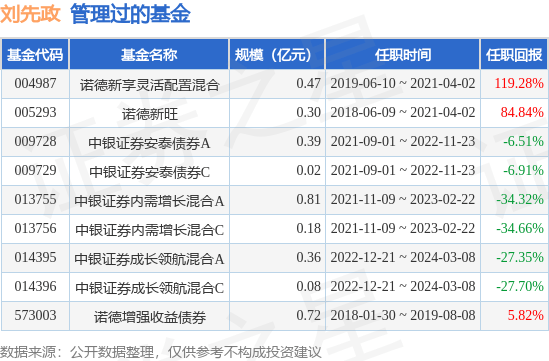
Core Insights - The announcement on August 19, 2025, states that Liu Xianzheng has been appointed as a new fund manager for the Zhongyin Securities ChiNext ETF (159821), effective immediately [1] - As of August 18, 2025, the net asset value of the Zhongyin Securities ChiNext ETF was 0.9770, reflecting a daily increase of 2.8% and a yearly increase of 64.87% [1] Fund Manager Background - Liu Xianzheng holds a Master's degree in Software Engineering from Peking University and has extensive experience in the financial sector, having worked in various roles at companies such as Zhongxin Trust, Taiping Life Insurance, and Nord Fund Management [1] - His previous positions include serving as a fund manager assistant at Nord Fund Management and managing several funds at Zhongyin Securities, including the Zhongyin Securities Growth Navigation Mixed Fund [1] Fund Performance - Liu Xianzheng has managed several public funds with varying performance metrics, including: - Nord New Enjoy Flexible Allocation Mixed Fund, which achieved a return of 119.28% during his tenure [2] - Zhongyin Securities Antai Bond A and C, which reported returns of -6.51% and -6.91% respectively [2] - Zhongyin Securities Domestic Demand Growth Mixed A and C, with returns of -34.32% and -34.66% respectively [2] - Notably, the Nord New Enjoy Flexible Allocation Mixed Fund had a significant investment in Shanxi Fenjiu, yielding an estimated return of 198.48% from the time of purchase to sale [2]


「数据看盘」机构大幅加仓数字货币概念股 游资、量化活跃度逆势下降
Sou Hu Cai Jing· 2025-08-18 11:15
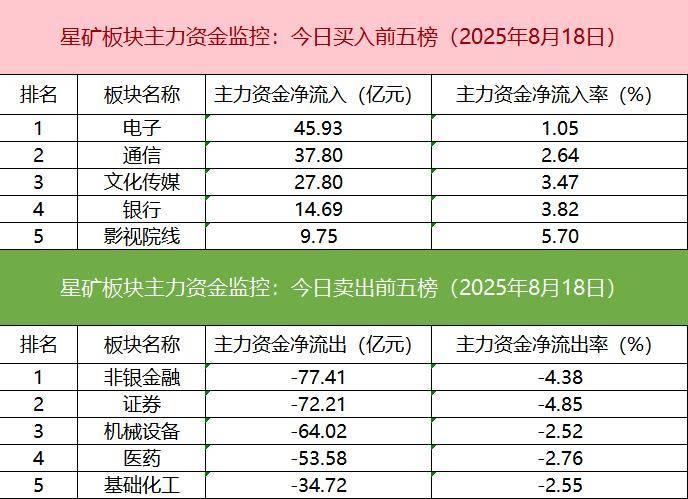
Group 1: Stock Market Overview - The total trading amount for Shanghai Stock Connect today was 186.257 billion, while Shenzhen Stock Connect totaled 183.23 billion [1] - The top traded stocks in Shanghai were led by China Ping An, followed by Cambricon and CITIC Securities [1] - In Shenzhen, the top traded stocks were led by Oriental Fortune, followed by CATL and Zhongji Xuchuang [1] Group 2: Sector Performance - Sectors with the highest gains included liquid cooling servers, film and television, CPO, and rare earth permanent magnets, while coal, non-ferrous metals, and steel sectors saw the largest declines [2] - The electronic sector had a net inflow of 45.93 billion, leading all sectors, followed by communication and cultural media sectors [3] - The non-bank financial sector experienced the largest net outflow of 77.41 billion, followed by the securities and machinery equipment sectors [4] Group 3: Individual Stock Performance - ZTE Corporation had the highest net inflow of 27.49 billion, followed by Northern Rare Earth and LEO Technology [5] - The largest net outflow was from Wolong Electric Drive at -18.90 billion, followed by Tianfeng Securities and Shanghai Electric [6] Group 4: ETF Trading - The top ten ETFs by trading amount included Hong Kong Securities ETF with 33.06512 billion, down 20.43% from the previous trading day [7] - The Sci-Tech 50 ETF saw a significant increase in trading amount, up 62.18% to 6.90527 billion [7] - The top ETFs by share change last week included Hong Kong Internet ETF with an increase of 3.273 billion shares [9] Group 5: Futures Market - In the four major futures contracts, both long and short positions increased for IH, IF, and IM contracts, while IC contract saw a significant reduction in both long and short positions [11] Group 6: Institutional Activity - Institutions were active in buying stocks such as LEO Technology and North Latitude Technology, with significant purchases of 1.93 billion and 0.9542 billion respectively [12] - The stock Innovation Medical saw a large sell-off by institutions, totaling 2.23 billion [13] Group 7: Retail Investor Activity - Retail investors showed a decrease in activity, with Wan Tong Development experiencing significant sell-offs totaling 4.54 billion from multiple retail investor seats [14] - East Communication Peace saw net buying from two retail investor seats totaling 0.455 billion [14] Group 8: Quantitative Fund Activity - Quantitative funds showed a decline in activity, with a notable purchase of 1.24 billion in Qiantang shares by one quantitative seat [15]





中银证券跌4.02% 垫底证券板块
Zhong Guo Jing Ji Wang· 2025-08-18 09:13
Group 1 - The stock price of Zhongyin Securities (601696.SH) fell by 4.02%, closing at 17.45 yuan [1] - The securities sector experienced an increase of 1.15%, with Zhongyin Securities being the largest decliner in this sector [1]
非银金融行业资金流出榜:天风证券等18股净流出资金超亿元
Zheng Quan Shi Bao Wang· 2025-08-18 09:05
Market Overview - The Shanghai Composite Index rose by 0.85% on August 18, with 29 out of the 31 sectors in the Shenwan classification experiencing gains, led by the communication and comprehensive sectors, which increased by 4.46% and 3.43% respectively [1] - The non-bank financial sector also saw an increase of 0.81%, while the real estate and oil & petrochemical sectors faced declines of 0.46% and 0.10% respectively [1] Capital Flow Analysis - The main capital flow showed a net outflow of 16.057 billion yuan across the two markets, with 8 sectors experiencing net inflows [1] - The electronic sector led the net inflow with 5.040 billion yuan, followed by the communication sector with 4.904 billion yuan [1] - In contrast, 23 sectors experienced net outflows, with the non-bank financial sector leading the outflow at 7.087 billion yuan, followed by the power equipment sector with an outflow of 5.090 billion yuan [1] Non-Bank Financial Sector Insights - Within the non-bank financial sector, 83 stocks were tracked, with 58 stocks rising and 20 stocks declining; one stock hit the daily limit up [2] - The top net inflow stock in this sector was Huayin Securities, with a net inflow of 243 million yuan, followed by Electric Power Investment and China Pacific Insurance with net inflows of 136 million yuan and 42.626 million yuan respectively [2] - Conversely, 18 stocks in the non-bank financial sector saw net outflows exceeding 100 million yuan, with Tianfeng Securities, Bank of China Securities, and CITIC Securities leading the outflows at 1.678 billion yuan, 928 million yuan, and 467 million yuan respectively [2]




【新华500】新华500指数(989001)18日涨0.95%
Xin Hua Cai Jing· 2025-08-18 07:29
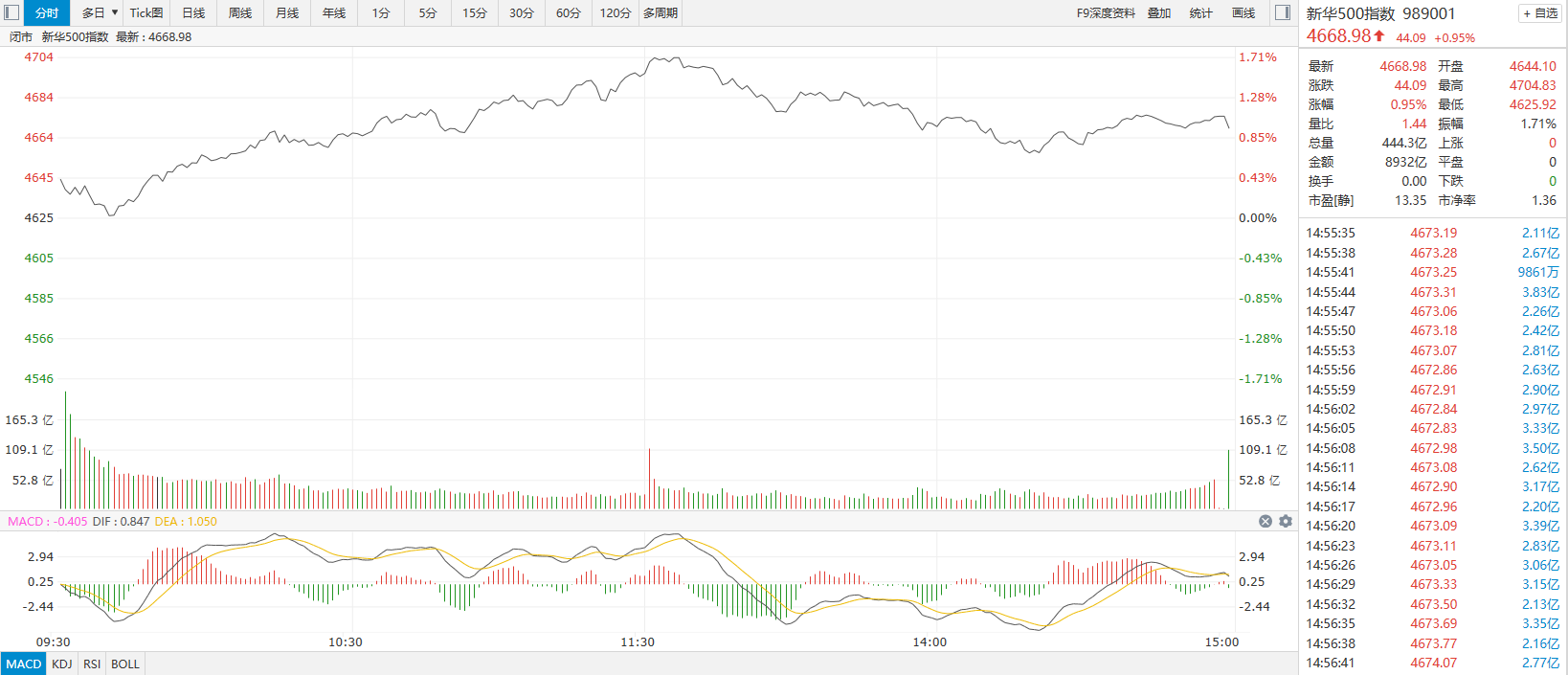
Group 1 - The Xinhua 500 Index (989001) closed at 4668.98 points on August 18, with an increase of 0.95% [1][4] - The index opened higher in the morning, experienced a slight pullback for gap filling, and then rose significantly before narrowing its gains in the afternoon [3] - The index reached a high of 4704.83 points and a low of 4625.92 points during the trading day, with a total trading volume of 893.2 billion yuan, which was an increase compared to the previous trading day [3] Group 2 - Notable gainers among constituent stocks included Mango Super Media, which rose by 16.98%, Junshi Biosciences by 12.05%, and Tonghuashun by 10.27%, with several stocks reaching approximately 10% limit up [3] - Conversely, stocks such as Bank of China Securities, Siyuan Electric, and CITIC Special Steel experienced significant declines [3]



中银证券管涛:低利率时代为资本市场高质量发展创造条件
2 1 Shi Ji Jing Ji Bao Dao· 2025-08-18 06:45
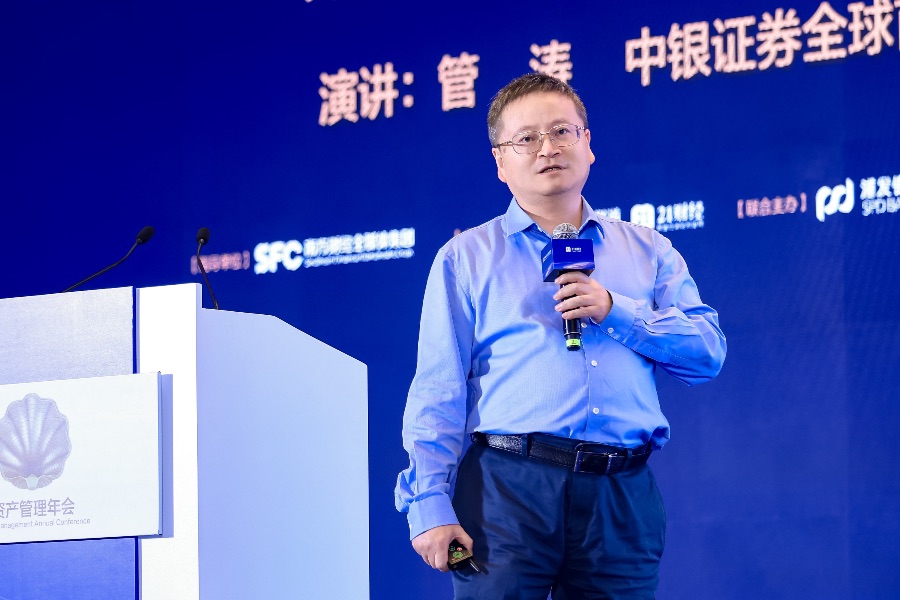
Group 1 - The current low interest rate environment in China creates conditions for high-quality development of the capital market while also raising higher demands [1][4] - The transmission effect of low interest rates to the capital market is not as expected, with stock financing not increasing correspondingly despite falling interest rates [3][4] - The capital market plays a crucial role in supporting economic transformation, wealth growth, and the construction of a financial power [1][3] Group 2 - The policy environment is continuously nurturing the capital market, with clear signals released from recent policies aimed at enhancing the attractiveness and inclusiveness of the domestic capital market [3][4] - The low interest rate environment allows the capital market to promote a virtuous cycle among industries, technology, and capital, which is essential for technological self-reliance [4][5] - The changing supply-demand relationship in the real estate market presents a historic opportunity for the capital market, emphasizing the potential for long-term investment returns [4][5] Group 3 - Asset management institutions face significant challenges in effectively allocating assets and achieving good returns for investors, especially in the context of the current market environment [5] - The certainty of asset valuation recovery in China tests both individual investors' long-term investment philosophy and asset management institutions' asset allocation capabilities [5]
【金麒麟优秀投顾访谈】中银证券投顾杨捍卫:看一组“牛市数据”得知静等花开或是最好的交易策略
Xin Lang Zheng Quan· 2025-08-18 06:13
Core Insights - The investment advisor Yang Hanwei from Zhongyin Securities Shaanxi branch achieved the fifth place in the public fund simulation portfolio ranking for July, with a monthly return rate of 12.43% [1][2] - The wealth management industry in China is entering a high-growth cycle, driven by an increasing awareness of financial management among residents, which directly influences asset allocation [1] - The "Golden Unicorn Best Investment Advisor Selection" event aims to provide a platform for investment advisors to showcase their capabilities and enhance communication with investors, promoting healthy development in the wealth management sector [1] Market Analysis - Yang Hanwei emphasizes a two-phase analysis of the stock market since September 2022: the first phase driven by liquidity and sentiment, and the second phase led by fundamental improvements [2] - Recent macroeconomic policies, including fiscal and monetary measures, have reduced uncertainty and are expected to support long-term upward momentum in the equity market [2] - The market is currently in a phase of consolidation, with expectations of a "slow bull" market emerging, where stock selection and market timing will be crucial for investors [3] Investment Opportunities - Historical data indicates that during bull markets, a significant percentage of industries experience substantial gains, suggesting potential for broad market participation [3] - Key sectors to watch for trading opportunities include semiconductors, AI, robotics, innovative pharmaceuticals, and securities, with a focus on large-cap growth [3] Challenges for Investment Advisors - Investment advisors face challenges due to the shift towards standardized products, making it easier for investors to select and manage investments, thus diminishing the perceived value of advisors [4] - The role of investment advisors is evolving, requiring them to provide more valuable and professional services while enhancing their strategies for diverse client groups [4] Technological Empowerment - Zhongyin Securities is leveraging big data technology to create personalized investment plans and adjust strategies based on investor account performance, thereby reducing operational risks [5] - The company is implementing a digital advisory model that combines human and AI services, enhancing client engagement and trust through long-term support and personalized service [5]
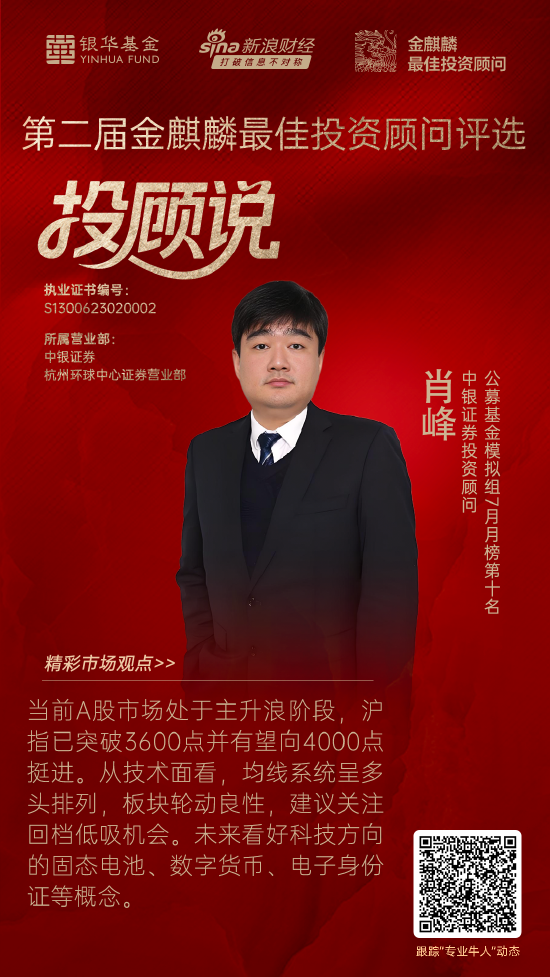
【金麒麟优秀投顾访谈】中银证券投顾肖峰:沪指有望向4000点挺进 看好科技方向
Xin Lang Zheng Quan· 2025-08-18 06:04
Core Insights - The investment advisor Xiao Feng from Zhongyin Securities achieved the 10th place in the public fund simulation portfolio ranking for July, with a monthly return rate of 10.22% [1][2] Group 1: Investment Strategies - Xiao Feng's high-yield simulation portfolio employs a strategy of diversified investment in high ROE (Return on Equity) companies, aiming for long-term stable returns rather than short-term profits [2] - The investment approach focuses on fundamental advantages of companies and the power of time compounding to achieve excess returns, with an average holding period exceeding one year to avoid losses from frequent trading [2] Group 2: Market Outlook - The current A-share market is in a primary upward trend, with the Shanghai Composite Index having surpassed 3600 points and expected to approach 4000 points [2] - Positive technical indicators include a bullish moving average system and healthy sector rotation, suggesting opportunities for low-cost buying during pullbacks [2] - Promising sectors include solid-state batteries, digital currencies, electronic IDs, military industry, robotics, drones, and low-altitude economy segments such as aircraft manufacturing and core components [2] Group 3: Challenges for Investment Advisors - Investment advisors face challenges such as personalized client demands, intensified market competition, and regulatory policy changes during the wealth management transformation [3] - There is a need to shift from traditional sell-side thinking to a buy-side advisory model, enhancing knowledge in tax, legal, and insurance areas [3] - The rise of smart advisory services necessitates a combination of technology tools and professional judgment to maintain competitiveness [3] Group 4: Enhancing Advisory Services - Establishing an "investor profile" system is crucial for investment advisors to match client needs accurately by analyzing trading behavior and financial status [3] - Utilizing smart advisory technology to create dynamic asset allocation models and enhancing interaction through new media tools like live streaming is recommended [3] - Advisors should leverage big data to optimize fund selection processes and recommend portfolio solutions that align with client risk preferences [3]
主力个股资金流出前20:卧龙电驱流出15.18亿元、天风证券流出14.58亿元
Jin Rong Jie· 2025-08-18 03:11
Group 1 - The main focus of the article is on the significant outflow of capital from specific stocks as of August 18, with notable amounts listed for each company [1] - The top three companies with the highest capital outflow are: Wolong Electric Drive (-1.518 billion), Tianfeng Securities (-1.458 billion), and Dongfang Wealth (-1.100 billion) [1] - Other companies experiencing substantial outflows include: Quzhou Development (-603 million), Bank of China Securities (-519 million), and Industrial Fulian (-452 million) [1] Group 2 - The article provides a detailed list of the top 20 stocks with the largest capital outflows, indicating a trend of investor withdrawal from these companies [1] - The total outflow amounts for the listed companies range from 2.42 billion to 15.18 billion, highlighting a significant shift in investor sentiment [1] - The data reflects a broader market trend that may impact future investment strategies and stock performance [1]




券商分红潮涌!年度分红合计超550亿,中小券商股息支付率居前
Xin Lang Cai Jing· 2025-08-18 02:09
Core Viewpoint - The A-share market has seen significant gains recently, particularly in the brokerage sector, which has become a strong market indicator, with the Wind brokerage index rising over 10 percentage points in the last 20 trading days [1][5]. Brokerage Sector Performance - Multiple brokerages are distributing dividends for the 2024 fiscal year, including major firms like Zheshang Securities, Bank of China Securities, Huatai Securities, and others, indicating a trend of increased dividend payouts [1][5]. - The total cash dividends for listed brokerages in 2024 exceed 55 billion, marking an increase of over 10 billion compared to the previous year, setting a historical high [5][6]. Dividend Trends - The new "National Nine Articles" and cash dividend regulations have led to a trend of "multiple dividends per year" among brokerages, with an increase in both frequency and total dividend amounts [5][6]. - Leading brokerages such as Guotai Junan, Huatai Securities, and Citic Securities have reported dividend totals exceeding 3 billion, ranking them among the top in the industry [5][6]. Dividend Payout Ratios - Smaller brokerages like Hongta Securities and Southwest Securities have high dividend payout ratios, with figures reaching 92.6% and 80.76% respectively, indicating a strong commitment to returning profits to shareholders [6][7]. - The new regulations emphasize the importance of cash dividends, with measures in place to encourage companies with low or no dividends to improve their payout policies [6][7]. Strategic Shifts in the Brokerage Industry - The brokerage industry is shifting focus from expansion to enhancing quality and returns, with an emphasis on sustainable profitability and stable dividends [6][7]. - The increase in wealth management and light capital business has contributed to a more stable income base for brokerages, allowing for consistent dividend distributions [7].