YONGHUI SUPERSTORES(601933)

Search documents
永辉超市(601933) - 2025 Q4 - 年度业绩
2026-03-30 11:00
Financial Performance - Total revenue for 2025 was RMB 5,350,757.06 million, a decrease of 20.82% compared to the previous year[3] - Net loss attributable to shareholders was RMB 255,006.82 million, an increase in loss of 74.01% year-over-year[5] - Basic earnings per share were RMB -0.29, compared to RMB -0.16 in the previous year[3] Assets and Equity - Total assets at the end of the reporting period were RMB 3,048,169.22 million, down 28.70% from the beginning of the period[5] - Shareholders' equity attributable to the company decreased by 58.13% to RMB 185,872.84 million[5] Strategic Changes - The company is shifting its strategy from "scale expansion" to "quality growth," focusing on "New Yonghui, New Quality"[5] - The company is undergoing significant strategic adjustments, impacting its operational performance and financial results[5] Operational Challenges - The company faced challenges in its supply chain reform, leading to pressures on revenue and profit due to supplier changes and inventory shortages[7] - The company incurred approximately RMB 880 million in asset write-offs and one-time startup costs due to store adjustments[5] - A loss of RMB 448 million was recognized for changes in fair value of financial assets, along with a cumulative impairment of RMB 308 million on long-term assets[7]

商贸零售行业周报:业绩密集披露,关注赛道景气验证和高增长标的-20260329
KAIYUAN SECURITIES· 2026-03-29 11:13
Investment Rating - The industry investment rating is "Positive" (maintained) [1] Core Views - The report highlights a significant performance disclosure period for listed companies, focusing on high-growth sectors such as gold and jewelry, cosmetics, and medical aesthetics, with a notable divergence in performance among consumer brands [4][25] - High-end domestic brands like Laopuhuangjin and Maogeping are showing strong growth, while brands that adapt to channel changes and possess differentiated product capabilities, such as Chaohongji and Shangmei, are also performing well [4][25] Summary by Sections Retail and Social Services Market Review - The retail and social services indices reported declines of 1.10% and 1.52% respectively during the week of March 23-27, 2026, ranking 19th and 24th among 31 primary industries [6][14] - The jewelry sector saw the highest weekly increase of 1.05%, while the hotel and restaurant sector led year-to-date performance with a 0.77% increase [18][20] Industry Dynamics - The report emphasizes the ongoing annual report disclosures from listed companies, with a focus on high-growth companies [25] - The gold and jewelry sector continues to show a trend towards high-end and fashionable products, with Laopuhuangjin and Chaohongji demonstrating exceptional performance [28][39] Investment Recommendations - Investment focus areas include: - Gold and jewelry brands with differentiated product capabilities, recommending Laopuhuangjin, Chaohongji, and Zhou Dafu [7][42] - Offline retail companies adapting to trends and AI-enabled cross-border e-commerce leaders, recommending Yonghui Supermarket and Jihong Co [7][39] - Cosmetics brands that meet emotional value and safety innovation, recommending Maogeping, Shangmei, and Beitaini [7][40] - Medical aesthetics firms with differentiated products and expanding chains, recommending Aimeike and Meilitiantian Medical Health [7][41] Company-Specific Insights - Laopuhuangjin reported a revenue of 27.303 billion yuan (+221.0%) and a net profit of 4.868 billion yuan (+230.5%) for FY2025, with expectations for continued growth in Q1 2026 [28][41] - Chaohongji achieved a revenue of 9.318 billion yuan (+43.0%) and a net profit of 497 million yuan (+156.7%) for FY2025, with rapid growth in its franchise business [45][46] - Maogeping's revenue reached 5.050 billion yuan (+30.0%) with a net profit of 1.205 billion yuan (+36.8%) for FY2025, showcasing strong performance in high-end channels [32][41] - Shangmei reported a revenue of 9.178 billion yuan (+35.1%) and a net profit of 1.103 billion yuan (+41.1%) for FY2025, with a focus on multi-category growth [32][41]




行业周报:京东Joybuy欧洲上线,自营模式打开差异化空间-20260322
KAIYUAN SECURITIES· 2026-03-22 10:44
Investment Rating - The industry investment rating is "Positive" (maintained) [1] Core Insights - The report highlights the launch of JD's cross-border e-commerce platform Joybuy in six European countries, marking a shift to comprehensive retail operations and emphasizing a self-operated model to enhance competitive differentiation [25][27] - The report suggests focusing on high-quality companies in sectors benefiting from emotional consumption themes, including gold jewelry, offline retail, cosmetics, and medical aesthetics [7][30][31] Industry Overview - The retail and social service indices reported a decline of 4.55% and 4.00% respectively during the week of March 16-20, 2026, with the retail index down 12.57% year-to-date [6][15] - The hotel and restaurant sector showed the smallest decline this week, while it has the highest growth year-to-date at 3.19% [18][20] Company-Specific Insights - Joybuy's self-operated model is expected to create a competitive edge through quality control and service reliability, with over 60 logistics warehouses established in Europe [27][28] - The report recommends several companies based on their growth potential: - **Old Puhuang**: Expected net profit growth of 226%-233% in 2025, driven by channel expansion and brand enhancement [32][41] - **Chao Hong Ji**: Anticipated net profit growth of 125%-175% in 2025, supported by differentiated product strength and multi-channel marketing [35] - **Mao Ge Ping**: Expected revenue growth of 31.3% in H1 2025, benefiting from its position as a high-end domestic cosmetics brand [35] - **Meili Tianyuan Medical Health**: Projected net profit growth of 34% in 2025, leveraging strong market positioning in high-end beauty [35] Market Dynamics - The report emphasizes the importance of adapting to consumer trends, with a focus on emotional value and innovative product safety in cosmetics and personal care [30][31] - Companies are encouraged to explore opportunities in the evolving landscape of cross-border e-commerce, particularly those with strong brand and supply chain capabilities [27][30]


永辉超市(601933) - 永辉超市股份有限公司关于出售参股子公司永辉云金科技有限公司剩余股权的进展公告
2026-03-22 08:00
1 / 2 证券代码:601933 证券简称:永辉超市 公告编号: 2026-011 永辉超市股份有限公司 关于出售参股子公司永辉云金科技有限公司 剩余股权的进展公告 本公司及董事会全体成员保证本公告内容不存在任何虚假记载、误导性陈述 或者重大遗漏,并对其内容的真实性、准确性和完整性承担法律责任。 一、交易背景概述 永辉超市股份有限公司(以下简称"公司")于 2025 年 12 月 29 日召开第 六届董事会第九次会议,审议通过了《关于拟公开挂牌出售参股子公司永辉云金 科技有限公司剩余股权的议案》,公司拟通过重庆联合产权交易所公开挂牌交易 方式转让参股子公司永辉云金科技有限公司(以下简称"云金科技")28.095% 的股权。后续因通过产权交易所征集意向受让方的周期较长,经两次调价后,公 司仍未能征集到符合条件的意向受让方,继续实施将面临较大不确定性,为较快 地盘活资产,更好地聚焦主业,公司终止于重庆联合产权交易所的公开挂牌并拟 自行向上海派慧科技有限公司(以下简称"派慧科技")出售公司持有的云金科 技 28.095%的股权,转让总价为 80,000,000 元。本次交易完成后,公司不再持 有云金科技的股权。公 ...
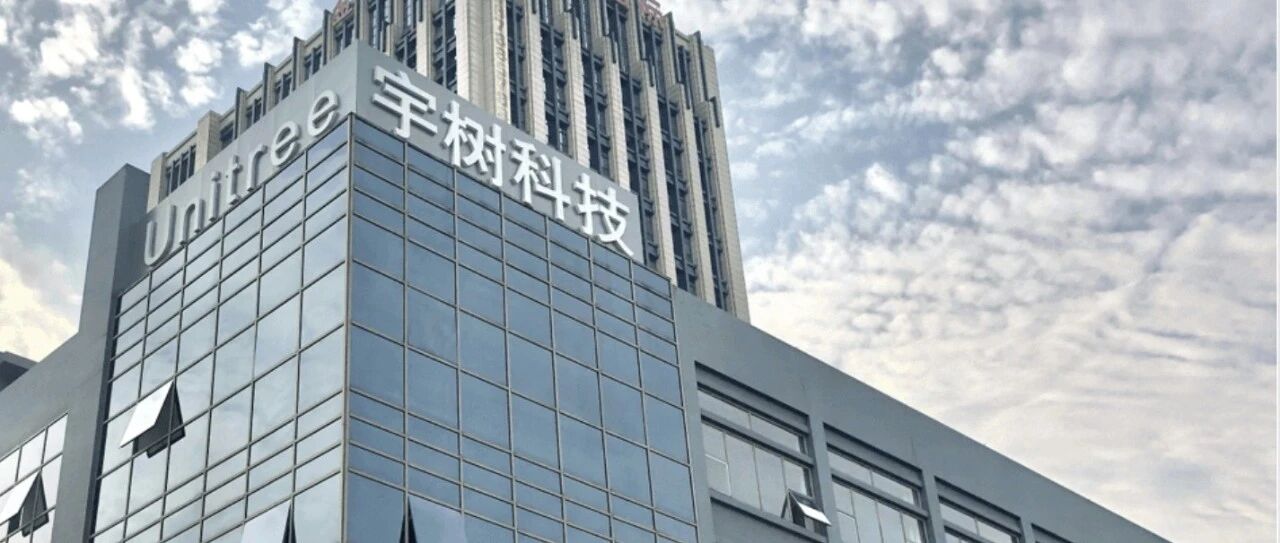
员工曝宇树对外标榜弹性双休,内部却是另一套规则,非常卷;永辉喊话山姆不要让供应商二选一,业内人士称他们在躲永辉;傅盛开撕周鸿祎
雷峰网· 2026-03-20 00:38
Group 1 - Yushun Technology, a leading player in the robotics sector, is facing internal criticism for promoting a flexible work schedule while enforcing long working hours, with employees reporting an average of 12 hours a day and frequent all-nighters during project periods [4][5] - Yonghui Supermarket has publicly urged Sam's Club not to force suppliers into exclusive agreements, claiming that suppliers are avoiding Yonghui due to its declining performance and ongoing losses, with a projected net loss of 2.14 billion yuan for 2025, a 45.6% increase year-on-year [7] - A woman lost 300,000 yuan after pre-ordering a Ferrari from a dealer that went bankrupt, with the new dealer refusing to honor the previous agreement and selling the car to someone else [9][10] Group 2 - Lei Jun announced the launch of the new Xiaomi SU7, which has seen a cost increase of approximately 20,000 yuan compared to the first generation, but the price for consumers has only risen by 4,000 yuan, with the new model featuring over 100 upgrades [14][15] - The Coconut Group is seeking to procure 50 humanoid robots capable of processing over 360 coconuts per hour for its automated production line, emphasizing efficiency and quality in the coconut processing industry [17] - Xia Zhongpu, the former head of end-to-end driving at Li Auto, is set to join a prominent startup in the embodied intelligence sector, marking a significant shift in the autonomous driving landscape [19][20] Group 3 - Alibaba reported a revenue of 284.84 billion yuan for Q3 of the 2026 fiscal year, with a 9% year-on-year growth, driven by strong performance in its cloud services and AI-related products [22] - Meituan clarified that a rider claiming to be a Peking University graduate had only completed five deliveries, highlighting the ease of registration for riders without mandatory educational verification [23][24] - NIO's self-developed chips have surpassed 550,000 units in production, with the company addressing challenges in the automotive semiconductor industry through self-research and standardization efforts [32] Group 4 - Tesla's CEO Elon Musk stated that the AI6 chip is expected to complete its tape-out by December, aiming to match the performance of dual AI5 chips, with significant advancements anticipated in AI applications [45][46] - Nikon is facing a projected loss of 85 billion yen for the 2025 fiscal year, primarily due to its failing lithography business, which has seen a drastic decline in market share and competitiveness [51][52] - Lantu Automotive has officially listed on the Hong Kong Stock Exchange, becoming the first high-end new energy vehicle stock from a central state-owned enterprise, with its stock price experiencing a significant drop on debut [54][55]





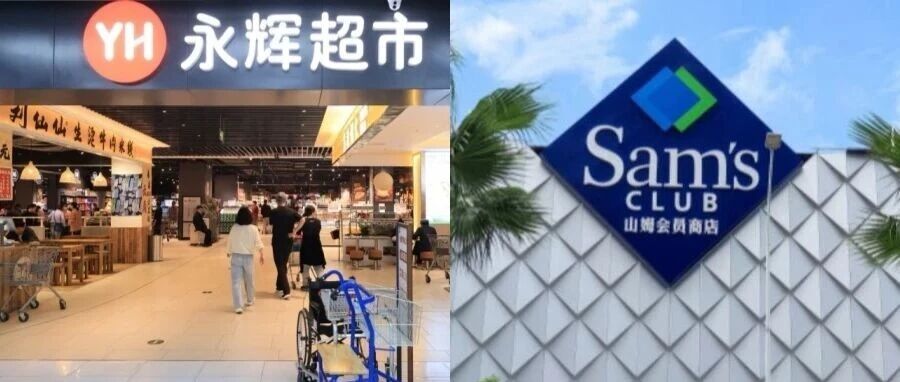
永辉,炮轰山姆
阿尔法工场研究院· 2026-03-18 04:28
Core Viewpoint - The article discusses a supply chain battle in the Chinese retail industry, highlighting a public letter from Yonghui Supermarket to Sam's Club, criticizing the latter's alleged "choose one of two" practices with suppliers, which Yonghui claims undermines fair competition [4][6][30]. Group 1: Yonghui's Position - Yonghui Supermarket's public letter to Sam's Club is a bold move, marking a shift from its usual humble approach to a more aggressive stance, emphasizing the need for fair supplier practices [4][6]. - Yonghui is undergoing a transformation, shifting its focus from "traffic" to "quality," aiming to establish a strong supply chain to support its new brand identity, "Quality Yonghui" [13][28]. - The company is facing significant financial challenges, with projected losses of 2.14 billion yuan in 2025, marking its fifth consecutive year of losses [12][28]. Group 2: Sam's Club's Strengths - Sam's Club is thriving in the Chinese retail market, with projected sales exceeding 140 billion yuan by 2025, reflecting a growth rate of approximately 40% [8]. - The core competitive advantage of Sam's Club lies in its robust supply chain, which has enabled the successful development of its private label, Member's Mark, accounting for over 20% of total sales [8][9]. - Sam's Club's business model focuses on global sourcing and stringent quality control, fostering strong partnerships with suppliers to create in-demand products [9]. Group 3: Industry Dynamics - The article highlights the competitive landscape in the Chinese retail sector, where companies with superior supply chains dominate the market, while quality supply chains remain scarce [25][26]. - The ongoing struggle for suppliers between major players like Yonghui and Sam's Club illustrates the intense competition and the challenges faced by retailers in securing quality products [30][32]. - The concept of "choose one of two" is debated, with some suppliers denying any restrictions imposed by Sam's Club, indicating a complex relationship between retailers and suppliers [15][19].

永辉喊话山姆:不要让供应商“二选一”!山姆曾多次被零售企业控诉……
新浪财经· 2026-03-17 09:48
Core Viewpoint - The article discusses the competitive landscape between Yonghui and Sam's Club, particularly focusing on the issue of suppliers being forced into a "choose one" situation, which is viewed as unfair competition. Yonghui emphasizes the need for fair practices and quality improvement in their own brand development [2][4][12]. Group 1: Supplier Competition - Yonghui publicly called out Sam's Club for allegedly pressuring suppliers to choose between them and other retailers, highlighting the need for fair competition in the market [2][4]. - The competition for suppliers has intensified, with both Yonghui and Sam's Club vying for quality suppliers, leading to a "supply chain war" [12][14]. - Yonghui's open letter is a response to ongoing issues with suppliers facing pressure to choose sides, indicating a significant operational challenge for the company [14][19]. Group 2: Brand Development and Quality - Yonghui aims to enhance product quality by focusing on superior raw materials, scientific formulations, advanced processes, and aesthetically pleasing designs [5]. - The company commits to transparency regarding food additives, publishing ingredient lists annually to ensure customer safety and trust [6]. - Yonghui emphasizes the importance of price competitiveness, stating that the value proposition should be based on quality and price equivalence [7]. Group 3: Market Dynamics and Challenges - Sam's Club has successfully increased its private label Member's Mark (MM) to account for over 20% of its total sales, significantly higher than the typical 10% seen in local competitors [12][13]. - Yonghui's store count is projected to decrease from 1,000 in 2023 to approximately 400 by the end of 2025 due to ongoing losses exceeding 11.6 billion yuan over five years [12][14]. - The retail landscape is evolving, with major players like Costco and others also increasing their private label offerings, intensifying the competition for unique suppliers [13][14].
让供应商“二选一”?永辉喊话山姆
新华网财经· 2026-03-17 08:34
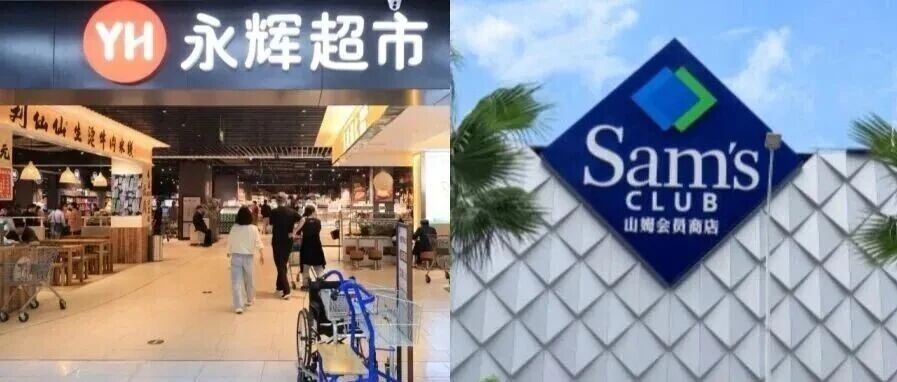
Core Viewpoint - The article emphasizes the importance of fair competition and quality improvement in the retail industry, particularly in the context of private label brands like 品质永辉 and 山姆MM. It advocates for collaboration with suppliers, transparency in product ingredients, and a focus on employee welfare and innovation to enhance product quality and customer satisfaction [1][4][10]. Group 1: Fair Competition - The company calls for a fair competitive environment, urging against practices that force suppliers into exclusive partnerships, which undermines industry integrity [4]. - It stresses the need for all players, including both local and international companies, to adhere to legal and ethical business practices [4]. Group 2: Quality Improvement - The company aims to enhance product quality through better raw materials, scientific formulations, advanced processes, and aesthetically pleasing designs [5]. - It commits to transparency by annually publishing ingredient lists and the use of food additives in its products, advocating for safer and healthier options for consumers [6]. Group 3: Pricing Strategy - The company highlights the importance of value for money in private label products, suggesting that quality should be prioritized over price, and vice versa [7]. - It proposes a standardized pricing approach based on weight or volume to provide greater value to customers [7]. Group 4: Employee Development - The company recognizes employees as key partners and emphasizes the need for fair compensation, professional development, and a supportive work environment [9]. - It also stresses the importance of maintaining ethical standards and integrity within the workforce [9]. Group 5: ESG Commitment - The company expresses a commitment to environmental, social, and governance (ESG) principles, aiming to contribute positively to society and the ecosystem [10]. Group 6: Innovation Focus - The company acknowledges the need for continuous innovation, particularly in developing essential consumer products, and aims to learn from industry leaders like 山姆MM and Kirkland [10]. - It aspires to improve product quality and service to enhance the consumer experience in China [10].
永辉喊话山姆 :别搞供应链“二选一”
21世纪经济报道· 2026-03-17 06:08
Core Viewpoint - The article highlights the competitive tension between Yonghui Supermarket and Sam's Club regarding supply chain practices, particularly the "choose one" strategy imposed by Sam's Club on suppliers, which restricts competition and market access for other retailers [1][10]. Group 1: Financial Performance and Market Position - Yonghui Supermarket is projected to incur a net loss of 2.14 billion yuan for the fiscal year 2025, marking its fifth consecutive year of losses, primarily due to one-time costs associated with store adjustments and asset disposals [1]. - In contrast, Sam's Club is experiencing rapid growth, with sales expected to exceed 140 billion yuan in 2025, representing a year-on-year increase of approximately 40% [1]. Group 2: Supply Chain Practices - Yonghui Supermarket's self-owned brand, "Quality Yonghui," has called for fair competition and has criticized Sam's Club for its "choose one" policy, which they argue undermines supplier relationships and market fairness [3][10]. - The article draws parallels to past incidents in 2021 where other retailers, such as Hema and Carrefour, accused Sam's Club of similar supply chain pressures, indicating a recurring issue in the industry [10]. Group 3: Industry Standards and Collaboration - Yonghui Supermarket emphasizes the need for collaboration in developing high-quality products and maintaining transparency in ingredient usage, advocating for a collective effort with Sam's Club to enhance product quality and safety [5][8]. - The company also stresses the importance of employee welfare and ESG (Environmental, Social, and Governance) initiatives, aiming to create a sustainable and responsible business environment [7][8]. Group 4: Regulatory Environment - The article notes that regulatory scrutiny regarding the "choose one" practice is increasing, with the market regulator clarifying that such behavior by dominant market players is prohibited under antitrust laws [11]. - The potential negative impacts of supply chain exclusivity are highlighted, including reduced bargaining power for suppliers and limited options for consumers, which could ultimately lead to higher prices [11].
永辉喊话山姆不要让供应商“二选一”,谁在逼供应商站队?
第一财经· 2026-03-17 03:31
Core Viewpoint - Yonghui Supermarket's private brand, "Quality Yonghui," issued an open letter to Sam's Club's private brand, "Sam's MM," advocating for fair competition and collaboration in quality improvement, particularly addressing the issue of suppliers being forced into a "choose one" scenario [3][4]. Group 1: Open Letter and Initiatives - The open letter emphasizes a shared commitment to enhancing product quality and providing consumers with better options, urging Sam's MM to avoid practices that pressure suppliers into exclusive agreements [4]. - Yonghui proposed seven collaborative initiatives, including not forcing suppliers into "choose one" situations, improving product quality, ensuring clean formulations, offering fair pricing, empowering employees, promoting ESG (Environmental, Social, and Governance) practices, and fostering continuous innovation [4]. Group 2: Competitive Landscape - Sam's Club has significantly increased the share of its private brand, MM, to over 20% of total sales, which is notably higher than the typical 10% share seen in other local membership stores or supermarkets [5]. - The competition for quality suppliers is intensifying among retailers, as they seek unique and high-quality products to meet consumer demands for value rather than just low prices [5][6]. Group 3: Yonghui's Operational Challenges - Yonghui Supermarket is facing significant operational challenges, with plans to close 225 stores in 2024 and 381 stores in 2025, reducing its total store count to approximately 400 by the end of 2025, which is less than half of its peak number [6]. - The company has reported cumulative losses exceeding 11.6 billion yuan over the past five years, highlighting the pressure it faces in the competitive retail environment [6]. Group 4: Supplier Dynamics - The issue of suppliers being pressured into exclusive agreements is not new, as similar situations have been reported with other retailers like Carrefour and Hema, indicating a broader trend of competitive pressures in the retail sector [8]. - Retailers are increasingly seeking exclusive partnerships with high-performing suppliers to enhance their competitive edge, leading to potential conflicts and exclusivity disputes [9].