BOE(000725)

Search documents
科技股全名单来了 请及时收藏
Zheng Quan Shi Bao Wang· 2025-08-31 23:29
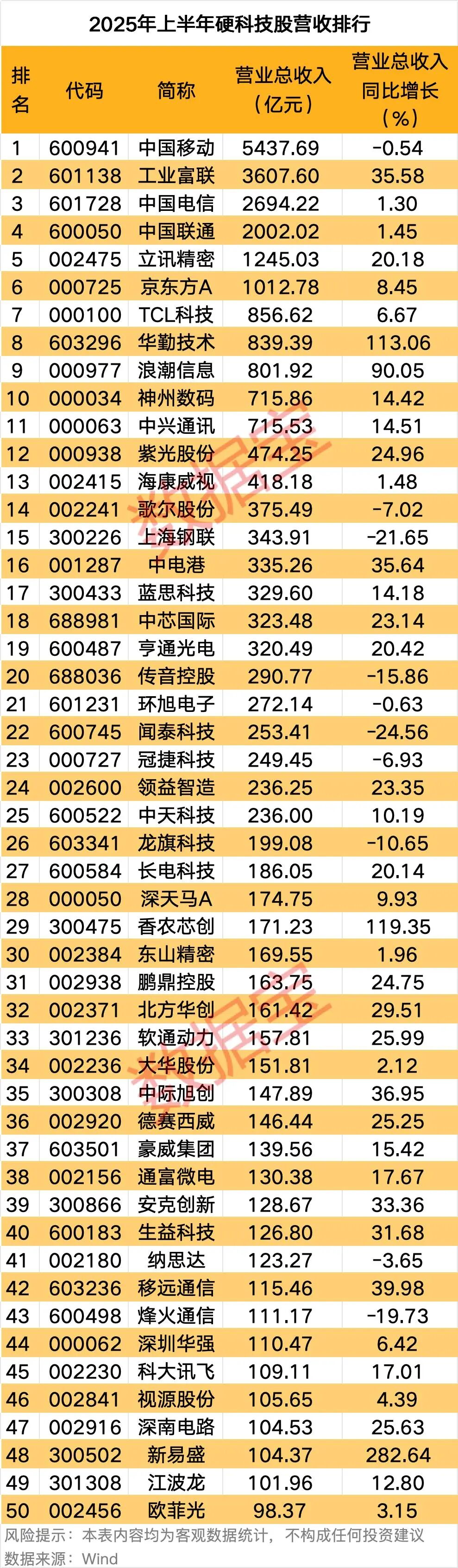
Group 1 - The A-share hard technology sector (electronics, communications, and computers) showed strong performance in the first half of 2025, with 972 listed companies achieving a total revenue of 37,980.35 billion yuan, a year-on-year increase of 11.84%, and a net profit of 2,366.18 billion yuan, up 16.04% [1] - Major companies such as China Mobile, Industrial Fulian, China Telecom, and China Unicom reported revenues exceeding 100 billion yuan, with China Mobile leading at 543.77 billion yuan, despite a slight decline of 0.54% [2][4] - The number of listed companies in the hard technology sector with revenues exceeding 10 billion yuan increased from 41 in 2024 to 49 in 2025, with new entrants including companies like Xiangnan Chip and Anke Innovation [5] Group 2 - Industrial Fulian achieved a revenue of 3,607.6 billion yuan, marking a significant year-on-year growth of 35.58%, and a net profit of 121.13 billion yuan, up 38.61% [4][10] - Companies like Huajin Technology and Xiangnan Chip saw substantial revenue growth, with Huajin Technology's revenue increasing by 113.06% to 839.39 billion yuan, moving up in the revenue rankings [5][10] - A total of 21 companies in the sector reported revenue growth exceeding 100%, with Cambrian-U leading at a staggering 4,347.82% increase [6][7] Group 3 - The top 50 companies by net profit collectively achieved a net profit of 2,038.21 billion yuan, accounting for 86.14% of the total, with China Mobile, China Telecom, and Industrial Fulian each reporting net profits exceeding 100 billion yuan [11][15] - The threshold for entering the top 20 companies by net profit increased, with the minimum requirement rising to 15.68 billion yuan in 2025, indicating enhanced profitability among leading firms [15]







京东方三星LG显示瓜分iPhone屏幕订单,三足鼎立格局持续
3 6 Ke· 2025-08-31 10:51
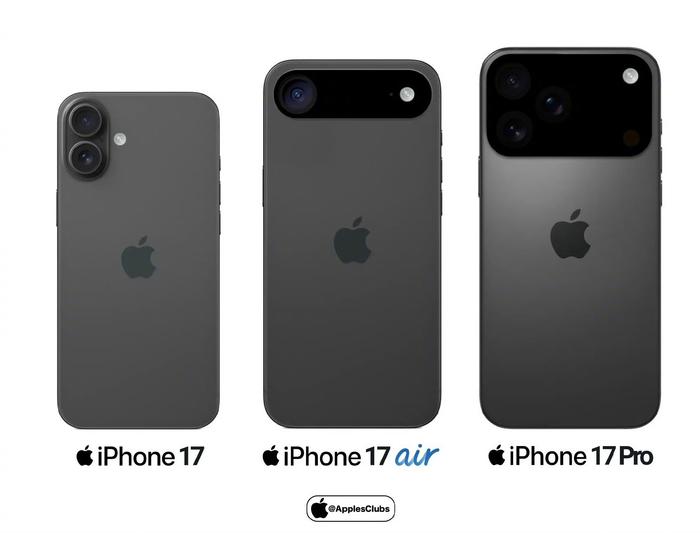
Core Insights - Three companies, BOE, Samsung Display, and LG Display, are set to dominate Apple's iPhone screen orders, marking a shift from a duopoly to a triopoly in the OLED panel market [1][2] - UBI Research forecasts that the competition and order distribution among these three suppliers will significantly impact the global smartphone panel market [1] Group 1: Company Performance - BOE successfully supplied 43 million panels for the iPhone 16 standard model last year and is expected to provide around 5 million panels for the iPhone 17 Pro in 2025, bringing total shipments to 45-50 million [1] - Samsung Display shipped 63.8 million panels for the iPhone 16 series, contributing to a total of 124 million panels for all iPhone models, and is projected to maintain its position as the largest OLED panel supplier for the iPhone 17 series with an expected shipment of 78 million panels [2] - LG Display supplied 42 million panels for the iPhone 16 series, with total shipments reaching 67.42 million, and is expected to increase its supply to 45.6 million panels for the iPhone 17 series [2] Group 2: Market Dynamics - The overall iPhone panel shipment last year was over 230 million, with Samsung and LG splitting the remaining market share after BOE's contribution [1] - The competition among BOE, Samsung, and LG is anticipated to be a crucial factor in the future of the smartphone panel market, particularly in high-end LTPO panel production [2]

京东方A(000725):显示业务盈利或在3Q25迎来改善
HTSC· 2025-08-31 10:39
Investment Rating - The report maintains a "Buy" rating for the company with a target price of 5.76 CNY [6][4]. Core Insights - The company reported a revenue of 101.3 billion CNY for 1H25, representing an 8% year-over-year increase, with a net profit of 3.25 billion CNY, up 42% year-over-year [1]. - The LCD business is expected to improve in 3Q25 due to the upcoming consumer electronics peak season, which will enhance the supply-demand balance and potentially restore ASPs [2]. - The OLED business is also anticipated to see improvements in shipment structure and profitability in 3Q25, driven by new orders from major North American clients [3]. Summary by Sections Financial Performance - In 1H25, the company achieved a revenue of 1,013 million CNY, with a gross margin of 14.4% and a net profit of 32.5 million CNY [1]. - For 2Q25, the revenue was 507 million CNY, with a gross margin of 13.0%, reflecting a decline due to reduced demand for LCD panels [1]. LCD Business Outlook - The average price of large-size LCD panels decreased by 3.2% year-over-year in 2Q25, impacting the company's profitability [2]. - The report forecasts a recovery in the LCD business in 3Q25 as clients prepare for the consumer electronics peak season [2]. OLED Business Outlook - The OLED segment faced challenges in 1H25 due to a deteriorating shipment structure and price competition [3]. - Anticipated improvements in 3Q25 are linked to new orders from major clients and the expiration of depreciation pressure on production lines [3]. Valuation Metrics - The target price of 5.76 CNY is based on a price-to-book ratio of 1.52x for 2025, which is above the average of comparable companies [4]. - The current stock price corresponds to a 1.11x price-to-book ratio, indicating a historically low valuation level [4].
京东方将为iPhone17Pro供货,三巨头瓜分苹果屏幕订单
Xin Lang Ke Ji· 2025-08-31 08:14
Core Insights - BOE successfully supplied 43 million panels for the iPhone 16 standard model last year and is expected to provide around 5 million panels for the iPhone 17 Pro in 2025, bringing total shipments to 45-50 million panels [1] - Apple's total iPhone panel shipments exceeded 230 million units last year, with Samsung and LG sharing the remaining market share after BOE's contribution [1] - UBI Research forecasts that BOE, Samsung, and LG will remain the core panel suppliers for Apple next year, highlighting the importance of technological competition and order distribution among these three companies in the global smartphone panel market [1]
三家“瓜分”苹果iPhone屏幕订单
Zhong Guo Jing Ying Bao· 2025-08-31 05:37
Core Viewpoint - BOE has successfully entered the iPhone panel supply chain, with significant shipments for the iPhone 16 and projections for the iPhone 17, indicating a shift in the competitive landscape of smartphone panels towards a three-way competition among BOE, Samsung, and LG Display [1][5][11]. Group 1: Market Share and Supply Chain Dynamics - BOE supplied 43 million panels for the iPhone 16, and is expected to supply 5 million panels for the iPhone 17 Pro, bringing total shipments to 45-50 million [1][5]. - Apple's overall iPhone panel shipments reached over 230 million last year, with Samsung and LG Display capturing the remaining market share after BOE [3][4]. - Samsung Display shipped 63.8 million panels for the iPhone 16 series, maintaining its position as the largest OLED panel supplier for Apple [3][4]. - LG Display shipped 42 million panels for the iPhone 16 series, with expectations to increase shipments for the iPhone 17 series [4][5]. Group 2: Competitive Landscape and Technology - The competition among BOE, Samsung, and LG Display is intensifying, with a focus on technology and order distribution becoming critical variables in the global smartphone panel market [3][5]. - The entry of BOE into the high-end iPhone 17 Pro panel supply chain marks a significant achievement, reflecting its advancements in technology and production capabilities [5][6]. - The ongoing patent disputes between BOE and Samsung highlight the competitive tensions in the OLED market, with both companies engaging in legal battles over intellectual property [7][9]. Group 3: Future Projections and Industry Trends - UBI Research predicts that BOE, Samsung, and LG Display will continue to be Apple's core panel suppliers, with Samsung expected to supply around 10 million panels for foldable iPhones [5][10]. - The global AMOLED smartphone panel shipment is projected to reach 420 million units in the first half of 2025, with Chinese manufacturers, including BOE, capturing a 51.7% market share [10][11]. - The trend indicates a shift in the OLED panel market towards Chinese manufacturers, with BOE expected to become the largest supplier of LCD panels for Apple's MacBook by 2025 [11][12].
京东方、三星、LG“瓜分”苹果iPhone屏幕订单
Zhong Guo Jing Ying Bao· 2025-08-30 11:49
Core Insights - BOE successfully supplied 43 million panels for the iPhone 16 standard model last year and is expected to supply around 5 million panels for the iPhone 17 Pro in 2025, bringing total shipments to 45-50 million [2] - Apple’s total iPhone panel shipments exceeded 230 million last year, with Samsung and LG Display capturing the remaining market share after BOE [2] - UBI Research predicts that BOE, Samsung, and LG Display will remain the core panel suppliers for Apple, with competition among these three companies becoming a significant variable in the global smartphone panel market [2][3] Company Performance - Samsung Display shipped 63.8 million panels for the iPhone 16 series, with total iPhone panel shipments reaching 124 million. It is expected to ship 78 million panels for the iPhone 17 series this year [3] - LG Display shipped 42 million panels for the iPhone 16 series, with total shipments of 67.42 million. Projections indicate an increase to 45.6 million and 75.1 million for the iPhone 17 series [3] - BOE's entry into the iPhone 17 Pro panel supply chain marks a significant milestone, as it has been increasing its shipment volume and market share since it began supplying panels for the iPhone 12 [4] Market Dynamics - The competition for iPhone panel orders has intensified, transitioning from a two-player market (Samsung and LG) to a three-player market with the inclusion of BOE [2][4] - The ongoing patent disputes between BOE and Samsung highlight the competitive landscape, with both companies engaging in legal battles over OLED technology [6][7] - If the ITC's preliminary ruling against BOE is upheld, it could significantly impact both BOE and Apple, forcing Apple to shift its supply chain [7] Future Outlook - UBI Research forecasts that by the first half of 2025, BOE will supply approximately 22.7% of OLED panels for iPhones, slightly surpassing LG Display's 21.3% [7] - The global AMOLED smartphone panel shipment is projected to reach 420 million units in the first half of 2025, with Chinese manufacturers, including BOE, accounting for 51.7% of the market share [7] - Despite fierce competition, there remains potential for collaboration, as BOE and Samsung are reportedly discussing partnerships for high-end display panels [8]
“面板双雄”上半年净利润增长,业内预计电视面板三季度出货回暖
第一财经· 2025-08-30 10:43
Core Viewpoint - TCL Technology reported a strong performance in the first half of 2025, with revenue and net profit showing significant growth, indicating a positive trend in the semiconductor display sector and overall industry recovery [3][5]. Financial Performance - TCL Technology's revenue for the first half of 2025 reached 85.56 billion yuan, a year-on-year increase of 6.65%, while net profit was 1.883 billion yuan, up 89.26% [3]. - TCL Huaxing, a subsidiary, generated revenue of 50.43 billion yuan, marking a 14.4% increase, and net profit of 4.32 billion yuan, up 74% [3]. - BOE Technology, another major player, reported revenue of 101.278 billion yuan, a growth of 8.45%, and net profit of 3.247 billion yuan, increasing by 42.15% [5]. Industry Trends - The display industry is undergoing a transformation, with TCL Technology completing acquisitions of LG Display's subsidiaries, indicating a consolidation of supply capacity and an optimization of industry structure [6]. - The industry is shifting from a focus on scale and market share to prioritizing high profitability, advanced technology, and added value [6]. - Factors benefiting the panel industry include government subsidies stimulating consumer electronics demand, although the LCD TV panel market experienced fluctuations in supply and pricing [6][7]. Market Dynamics - The second quarter of 2025 saw a decline in LCD TV panel shipments, with 57.4 million units shipped, the lowest quarterly level since 2019, reflecting a contraction in the television market [7]. - TCL Technology anticipates a 3% to 4% increase in TV panel shipments in the third quarter due to seasonal shopping trends, with prices expected to stabilize [7]. - The industry is exploring growth opportunities in new product categories, such as foldable screens, particularly with expectations of major players like Apple entering the market [7].

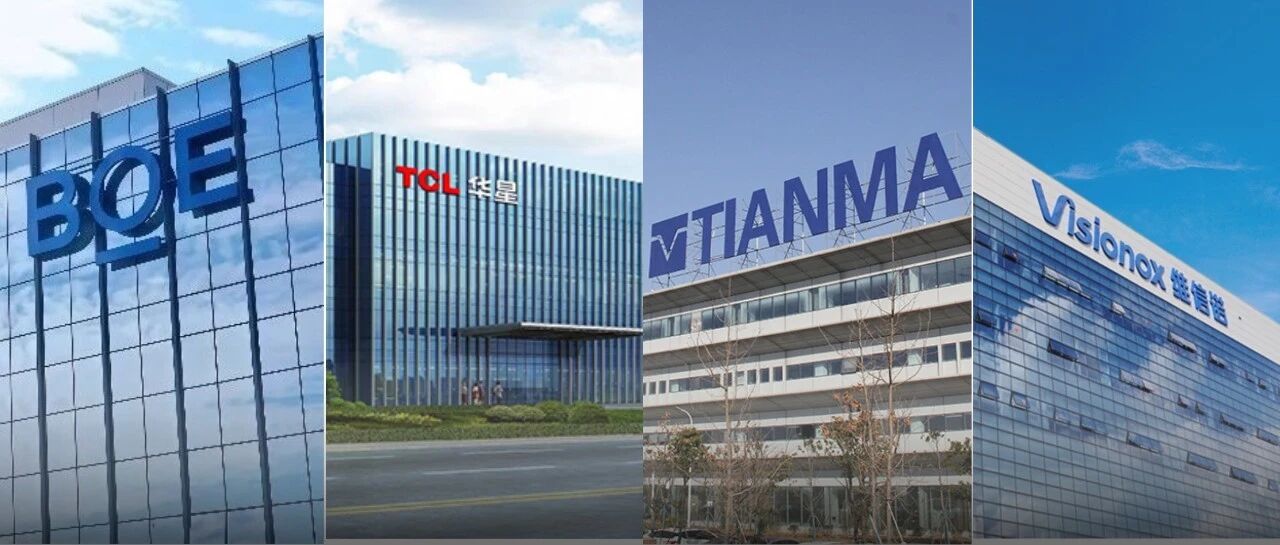
TCL华星、京东方等8家面板企业上半年谁最赚钱?
WitsView睿智显示· 2025-08-30 01:41
Core Viewpoint - TCL Technology reported a revenue of 85.56 billion yuan for the first half of 2025, marking a year-on-year increase of 6.65%, and a net profit attributable to shareholders of 1.883 billion yuan, up 89.26% compared to the previous year [1][2]. Financial Performance - Revenue for the first half of 2025 was 85.56 billion yuan, compared to 80.22 billion yuan in the same period last year, reflecting a growth of 6.65% [2]. - Net profit attributable to shareholders reached 1.883 billion yuan, a significant increase of 89.26% from 995 million yuan in the previous year [2]. - The net profit excluding non-recurring gains was 1.559 billion yuan, up 178.96% from 559 million yuan [2]. - Operating cash flow increased by 115.90%, reaching 27.27 billion yuan compared to 12.63 billion yuan last year [2]. - Basic earnings per share rose to 0.1014 yuan, an increase of 89.53% from 0.0535 yuan [2]. - Total assets at the end of the reporting period were 400.47 billion yuan, up 5.87% from 378.25 billion yuan at the end of the previous year [2]. Business Segment Performance - The semiconductor display business generated revenue of 57.55 billion yuan, a year-on-year increase of 15.38%, with a gross margin of 20.30% [2]. - The new energy photovoltaic and other silicon materials business reported revenue of 13.40 billion yuan, down 17.36%, with a negative gross margin of 7.57% [2]. - The distribution business achieved revenue of 14.68 billion yuan, up 7.51%, with a gross margin of 3.38% [2]. Subsidiary Performance - TCL Huaxing reported revenue of 50.43 billion yuan, a 14.4% increase, with a net profit of 4.316 billion yuan, up 74.0% [3]. - TCL Zhonghuan recorded revenue of 13.40 billion yuan but reported a net loss of 4.836 billion yuan [3]. Strategic Developments - The company completed the acquisition of 100% equity in LG Display (China) and LG Display (Guangzhou), integrating them into a new entity named T11, with a production capacity of 180k/month [4]. - TCL Technology acquired a 21.53% stake in Shenzhen Huaxing Semiconductor Display Technology Co., which is expected to enhance net profit attributable to shareholders [5]. - The OLED business continued to grow, with sales increasing by 8.7% and revenue up by 9.2% [5]. Industry Context - Major panel manufacturers in mainland China have reported improved performance, with TCL Huaxing being the most profitable among them, achieving a net profit increase of over 70% [9]. - The overall industry environment is improving, with companies like TCL and BOE enhancing their market positions through strategic acquisitions and expansions [11][12].
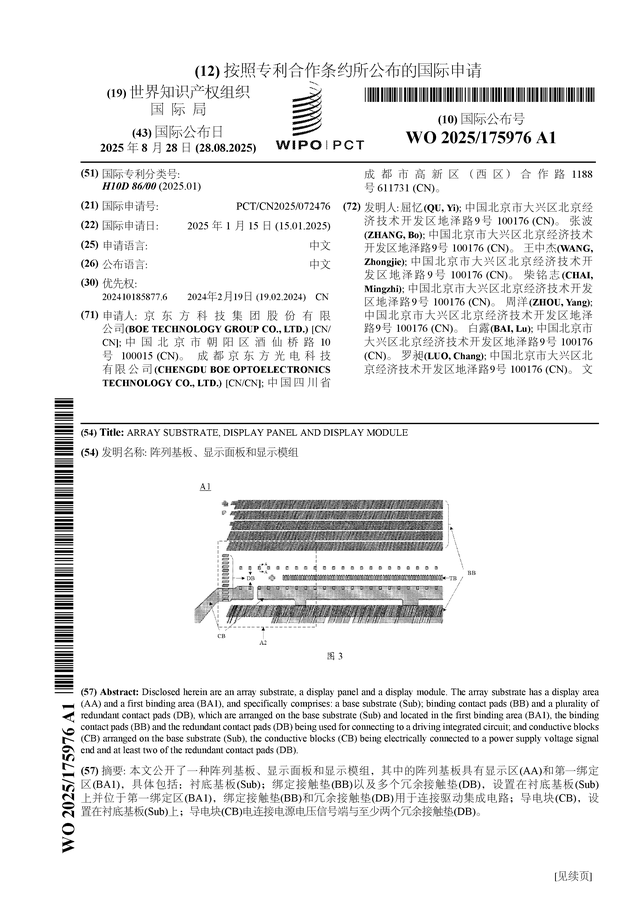
京东方A公布国际专利申请:“阵列基板、显示面板和显示模组”
Sou Hu Cai Jing· 2025-08-29 21:49
Group 1 - The core point of the article is that BOE Technology Group Co., Ltd. (京东方A) has filed an international patent application for a new technology related to array substrates, display panels, and display modules, with the application number PCT/CN2025/072476 and an international publication date of August 28, 2025 [1] - In 2023, BOE has announced a total of 764 international patent applications, representing a year-on-year increase of 20.31% compared to the same period last year [4] - The company invested 6.046 billion yuan in research and development in the first half of 2023, which is a 4.13% increase year-on-year [4]
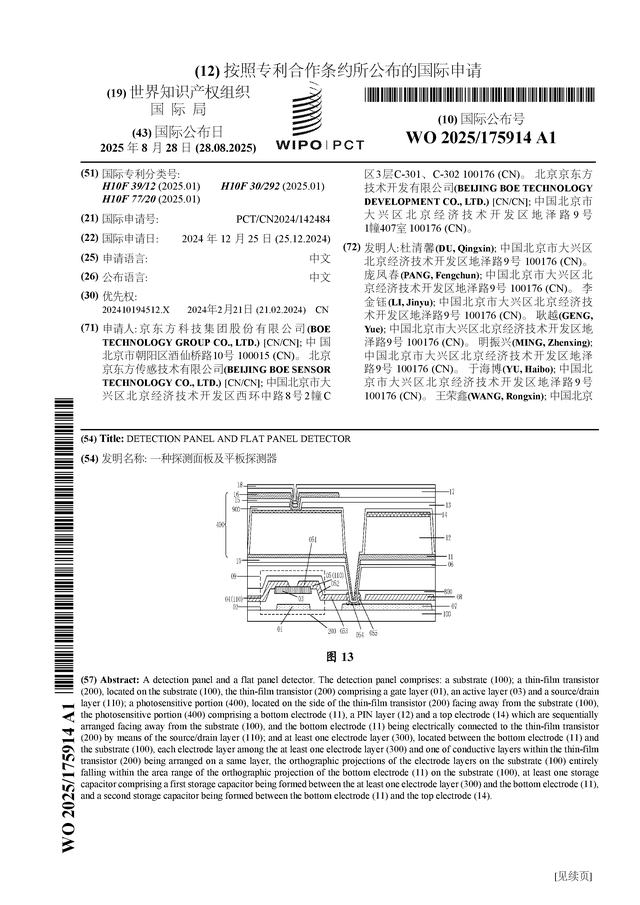
京东方A公布国际专利申请:“一种探测面板及平板探测器”
Sou Hu Cai Jing· 2025-08-29 21:49
Group 1 - BOE Technology Group has filed 764 international patent applications this year, representing a year-on-year increase of 20.31% [3] - In the first half of 2023, BOE invested 6.046 billion yuan in research and development, which is a 4.13% increase compared to the same period last year [3] Group 2 - The A50 ETF, which tracks the MSCI China A50 Connect Index, has seen a recent five-day change of 5.24% [6] - The latest share count for the A50 ETF is 3.07 billion, with a reduction of 15.6 million shares, while the net inflow of main funds is 15.37 million yuan [6]