
GOTION(002074)

Search documents
超100GWh!又3企储能大扩产
行家说储能· 2026-02-09 09:33
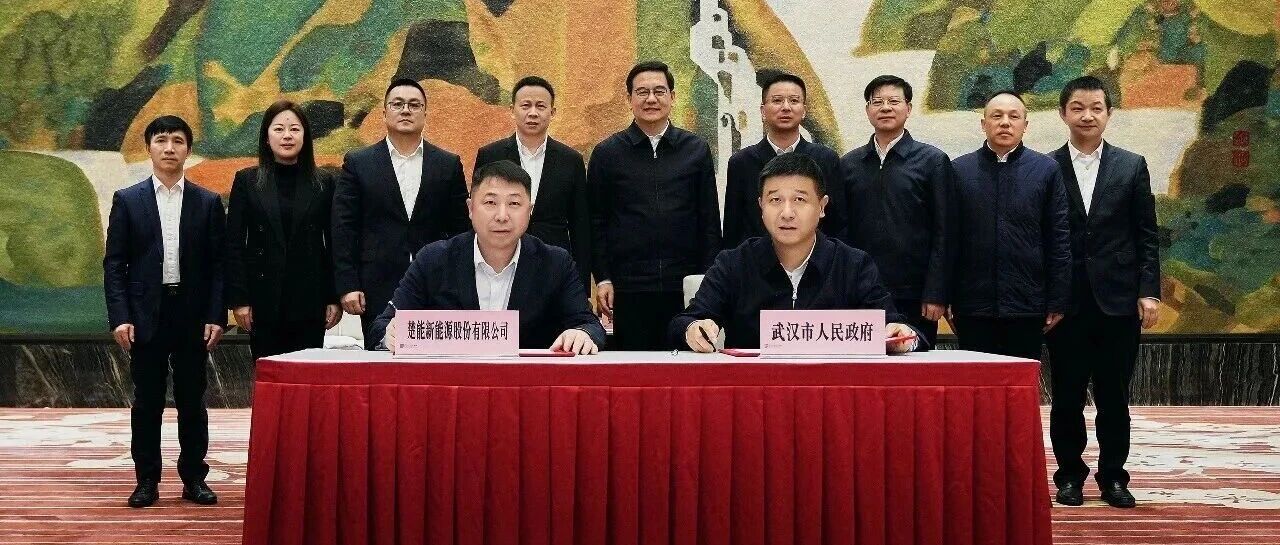
Core Viewpoint - The energy storage sector is experiencing significant expansion, with multiple companies ramping up production capacity, including Chuangneng New Energy, Sungrow Power Supply, and Guoxuan High-Tech, collectively planning over 100GWh of new capacity [2][3][9]. Group 1: Chuangneng New Energy - Chuangneng New Energy has signed an investment agreement with the Wuhan Municipal Government for an 80GWh battery production project, focusing on power and energy storage batteries [3]. - The company has established a collaborative development layout with over 500GWh of planned capacity, enhancing supply chain resilience and market responsiveness [5]. - Recently, Chuangneng secured 16.5GWh of energy storage orders within 20 days, including contracts with Hefei Intelligent, WeaCan, Kemet, and Al Rajhi Electrical [6]. Group 2: Sungrow Power Supply - Sungrow Power Supply announced a €230 million (approximately 1.887 billion RMB) investment to build its first local production base in Poland, with planned capacities of 20GW for inverters and 12.5GWh for energy storage systems [7]. - The new factory aims to create a comprehensive clean energy manufacturing ecosystem in Europe and is expected to start production within 12 months, generating 400 local jobs [7]. - The company is also expanding its overseas presence with plans for a 10GWh battery energy storage system manufacturing facility in Egypt, set to begin operations in April 2027 [8]. Group 3: Guoxuan High-Tech - Guoxuan High-Tech plans to raise 5 billion RMB through a private placement to expand its battery production capacity [9]. - The funds will primarily be allocated to three 20GWh battery projects in Hefei, Wuhu, and Nanjing, with a total investment exceeding 14 billion RMB [11]. - The company has reported a total shipment of approximately 63GWh for the first three quarters of 2025, with a projected net profit growth of 107.16% to 148.59% year-on-year [12].



募资50亿!国轩高科布局三大项目共计60GWh电池产能!
鑫椤锂电· 2026-02-09 08:07
Core Viewpoint - The article discusses the investment plans of Guoxuan High-Tech, which aims to raise 5 billion yuan through a private placement to expand its new energy battery production capacity and meet the growing market demand for power and energy storage batteries [2][4]. Group 1: Investment Projects - Guoxuan High-Tech plans to invest in several projects, including a 20GWh power battery project, a 20GWh new energy battery base project, and a smart manufacturing base for new lithium-ion batteries, with a total investment exceeding 14 billion yuan [2][4]. - The total investment for the projects is 1.4 billion yuan, with 500 million yuan expected to be raised from the private placement [4]. Group 2: Market Context - The demand for power and energy storage batteries is continuously increasing, and the competition among leading battery manufacturers is intensifying [4]. - Guoxuan High-Tech aims to enhance its production capacity and supply reliability to meet the rising demands from both new and existing customers [4]. Group 3: Financial Details - The private placement will not exceed 15% of the company's total share capital before the issuance, with specific details regarding the issuance targets, prices, and quantities yet to be finalized [5].
一周安徽上市公司要闻回顾(2.02-2.08)
Xin Lang Cai Jing· 2026-02-09 08:04
Group 1 - NIO achieved its 100 millionth battery swap, reducing carbon dioxide emissions by 4,169.5 tons compared to traditional gasoline vehicles [1] - NIO's battery swap operations have contributed to peak shaving and valley filling of over 740 million kWh, alleviating grid pressure and improving energy utilization [1] Group 2 - Anhui Energy announced the appointment of Xu Wengong as the new general manager following the resignation of Fang Shiqing [2] - Huabei Group's general manager Zhang Tongxiang resigned due to work changes but will continue to serve as chairman [4] Group 3 - Crystal Integration plans to invest 2 billion yuan to acquire 100% equity of Hefei Jingyi Integrated Circuit Co., making it a wholly-owned subsidiary [3] - Huangshan Tourism is set to invest approximately 530 million yuan in the construction of a hotel project, with a construction period of 24 months [5] Group 4 - Zhonggong Education expects a significant decline in net profit for 2025, projecting a decrease of 70.06% to 76.86% compared to the previous year [6] - Quanyin High-Tech anticipates a net loss of 180 million to 270 million yuan for 2025, a shift from a profit of 97.13 million yuan in the previous year [7] - Guoxuan High-Tech forecasts a net profit increase of 107% to 149% for 2025, driven by the rapid growth in the new energy vehicle and energy storage markets [8]




国轩高科盈利最高预增148.6% 拟定增募资不超50亿夯实产能
Chang Jiang Shang Bao· 2026-02-08 23:38
Core Viewpoint - The demand for new energy batteries continues to grow, prompting Guoxuan High-Tech to accelerate capacity and technological upgrades through a fundraising plan of up to 5 billion yuan for three major 20GWh battery projects and working capital supplementation [1][2]. Group 1: Fundraising and Capacity Expansion - Guoxuan High-Tech plans to issue A-shares to raise no more than 5 billion yuan, following a previous fundraising of 7.3 billion yuan in 2021 [2]. - The fundraising will focus on building three battery bases, each with a capacity of 20GWh, totaling an additional 60GWh capacity, with a total investment exceeding 14 billion yuan [2]. - The core project is the 20GWh power battery project in Hefei, with a total investment of 5 billion yuan, while the other two bases in Wuhu and Nanjing will each receive 1 billion yuan [2]. Group 2: Market Position and Performance - Guoxuan High-Tech's performance is on an upward trend, with a projected net profit growth of 107.16% to 148.59% for 2025, reaching 2.5 billion to 3 billion yuan [5]. - The growth is attributed to the surge in demand for new energy vehicles and energy storage, increased sales of high-energy-density lithium iron phosphate, and successful overseas market expansion [5]. - The company has achieved a market share increase of over 1.1 percentage points in China's power battery market and holds a 28% share in the global backup battery market for base stations and data centers, solidifying its competitive position [3]. Group 3: Financial Health and Strategic Moves - The company's asset-liability ratio has remained between 71% and 72%, with financial expenses exceeding 1 billion yuan in the first three quarters of 2025, indicating significant cost pressure [6]. - The 1 billion yuan raised for working capital will help optimize the debt structure and reduce financial costs, supporting capacity expansion and R&D investments [6]. - Guoxuan High-Tech is enhancing its upstream supply chain by securing large procurement agreements for key materials, which will help lower costs and ensure supply stability [3].
马斯克宣布干法电极规模化量产,4h储能系统半年均价上涨42%
ZHONGTAI SECURITIES· 2026-02-08 15:00
Investment Rating - The report maintains an "Overweight" rating for the electric power equipment industry [6] Core Insights - The report highlights significant developments in the lithium battery sector, including Elon Musk's announcement of the large-scale production of dry electrodes and CATL securing a 10GWh energy storage project [8][14][15] - The energy storage market shows strong demand, with January's procurement reaching 36.3GWh and a 42% increase in the average price of 4-hour storage systems over the past six months [25][26] - The report emphasizes the potential for performance and valuation improvements in the lithium battery and energy storage sectors, suggesting a favorable medium-term investment outlook [8] Summary by Sections Lithium Battery Sector - The battery industry index rose by 3.24%, outperforming the CSI 300 by 4.57 percentage points, with key stocks like Enjie and Wanrun New Energy showing significant gains [12] - Major events include the announcement of dry electrode mass production by Tesla and strategic partnerships in solid-state battery technology [14][16][18] Energy Storage Sector - January saw a procurement of 36.3GWh in energy storage, with a notable 42% increase in the average price of 4-hour systems [25][26] - The report notes strong demand in regions like Ningxia, which completed a procurement scale of 7.76GWh, the highest in the country [25] - The report identifies key companies in the energy storage sector, including Haibo Sichuang and Sungrow Power [8] Electric Power Equipment Sector - The report discusses the approval of significant high-voltage projects, including the "Mont Electricity into Shanghai" project, marking the start of substantial construction [29][30] - It highlights the ambitious "six AC and six DC" plan in Inner Mongolia, which aims to add 48 million kilowatts of high-voltage transmission capacity [30] Photovoltaic Sector - The report tracks the stability in silicon material prices and the decline in silicon wafer prices, indicating a cautious market outlook [33][36] - It notes the recent interest from Musk's team in Chinese photovoltaic companies, focusing on potential collaborations in solar technology [39] Wind Power Sector - The report outlines progress in offshore wind projects across various regions, with significant approvals and tenders being announced [42][44] - It emphasizes the expected growth in offshore wind capacity and the importance of supply chain developments in the sector [51][52]



电力设备与新能源行业2月第1周周报:马斯克团队计划光伏扩产,钠电应用加速-20260208
Bank of China Securities· 2026-02-08 06:46
Investment Rating - The report maintains an "Outperform" rating for the power equipment and new energy industry [1]. Core Insights - The global sales of new energy vehicles are expected to maintain rapid growth by 2026, driving demand for batteries and materials [1]. - Recent fluctuations in material prices for power batteries warrant attention to the pricing situation along the supply chain [1]. - Solid-state batteries are entering a critical phase of engineering validation, with a focus on related materials and equipment companies [1]. - In the photovoltaic sector, "anti-involution" and "space photovoltaics" are identified as the two main investment themes for 2026, with increased demand for photovoltaic equipment [1]. - The domestic market is seeing a rise in high-power component demand, with downstream battery components relying on efficiency improvements for market clearing [1]. - Wind power demand is expected to continue growing, with recommendations to focus on wind turbines and offshore wind power [1]. - The energy storage sector remains highly prosperous, with a recommendation to pay attention to energy storage cells and large-scale integrated plants [1]. - Hydrogen energy is anticipated to open up demand for green hydrogen, with a focus on downstream hydrogen-based energy applications [1]. - Nuclear fusion is seen as a long-term catalyst for energy development, with recommendations to focus on core suppliers in the nuclear fusion power sector [1]. Summary by Sections Industry Performance - The power equipment and new energy sector rose by 2.2%, outperforming the Shanghai Composite Index, which fell by 1.27% [10]. - The photovoltaic sector saw the highest increase at 3.43%, while the wind power sector experienced a slight decline of 0.01% [13]. Key Industry Information - The China Passenger Car Association estimates that 900,000 new energy vehicles will be wholesaled in January 2026, a 1% year-on-year increase [27]. - Changan Automobile and CATL announced the global launch of the first sodium battery mass-produced passenger vehicle, expected to be available by mid-2026 [27]. - Tesla has achieved large-scale production of dry electrode technology [27]. - The domestic energy storage tender for January 2026 reached 36.3 GWh, with notable bidding scales in Ningxia, Hebei, and Xinjiang [27]. Company Developments - Foster is collaborating with professional institutions to invest in a private equity fund focused on flexible thin-film gallium arsenide battery companies [29]. - Guoxuan High-Tech plans to raise up to 5 billion yuan through a private placement for a 20 GWh power battery project [29]. - TCL Zhonghuan's subsidiary Maxeon Solar signed a patent licensing agreement with Aisuo, with a five-year licensing fee of 1.65 billion yuan [29].



瑞浦兰钧首次盈利;楚能再签大单;国轩高科利润大增148%;宁德时代连签2大项目;赣锋扭亏为盈;天齐单季暴增289%;吉利成立电池新公司
起点锂电· 2026-02-08 03:14
Group 1 - Ningde Times signed a cooperation agreement with Quanzhou for a new energy battery production base, focusing on R&D and manufacturing with advanced green manufacturing technology [3] - Ningde Times signed a comprehensive strategic cooperation agreement with the Yunnan provincial government to promote green energy development and electric transportation infrastructure [4] - Ningde Times signed a strategic cooperation memorandum with Schroders Greencoat and Lochpine Capital to explore and invest in European battery storage projects, aiming for a potential development of 10GWh of renewable energy storage [5] Group 2 - Ruipu Lanjun announced its first profit, expecting a net profit between RMB 630 million and RMB 730 million for the year ending December 31, 2025, driven by increased shipments of power and energy storage battery products [6] - Guoxuan High-Tech projected a net profit of approximately RMB 2.5 billion to RMB 3 billion for 2025, representing a year-on-year increase of 107.16% to 148.59% [7] - BYD reported a total installation of approximately 20.187GWh for January 2026, with a year-on-year increase of 30.15% in battery installations [8] Group 3 - Chuangneng signed a strategic cooperation agreement for a 5.5GWh energy storage project in Saudi Arabia, providing advanced storage products and technical support [9] - EVE Energy announced a framework agreement to invest in an integrated battery industry in Indonesia, covering various stages from mining to battery recycling [10] - Baoding Shanjin Technology Co., Ltd. plans to issue A-shares to raise up to RMB 650 million for battery manufacturing projects [12] Group 4 - Tianqi Lithium Industries reported a significant turnaround, expecting a net profit of RMB 369 million to RMB 553 million for 2025, compared to a loss of RMB 7.905 billion in 2024 [14] - Ganfeng Lithium announced a projected net profit of RMB 1.1 billion to RMB 1.65 billion for 2025, marking a substantial recovery from a loss of RMB 2.074 billion in the previous year [16] - Yichang's first CVD silicon-carbon production line is set to begin mass production, with successful testing results from major lithium battery manufacturers [17] Group 5 - The Yuxi Enjie production base achieved a significant milestone with all seven production lines operational, laying a solid foundation for future expansions [18] - Weiyuan Co. announced the successful production of qualified products from its 250,000 tons/year electrolyte solvent project, contributing to sustainable economic development [19] - A lithium iron phosphate project in Gansu with a total investment of RMB 3.135 billion has commenced production, expected to generate an annual output value of over RMB 6 billion [20] Group 6 - Rongbai Technology responded to rumors regarding a patent dispute with LG Chem, asserting that its products do not infringe on any patents [21] - Qingyan Nako's dry electrode equipment was delivered to a leading Japanese automaker, marking its first international application [23] - Xian Dao Intelligent initiated its IPO process, aiming to raise approximately HKD 4.288 billion for expansion and technological upgrades [25]


锂电产业链周记 | 宁德时代钠电池大规模应用乘用车 欣旺达动力与威睿电动和解
Xin Lang Cai Jing· 2026-02-07 04:16
Group 1 - Maxell, a Japanese electronics and materials company, announced the sale of its lithium-ion battery subsidiary, Wuxi Maxell Energy Co., Ltd., to Zhejiang Xinghuan Holdings, a wholly-owned subsidiary of Xinghe Energy, for approximately 48.96 million yuan, with the transaction expected to be completed within the month [1] - The sale is part of Maxell's proactive adjustment of its global business strategy, as the company has decided to cease its square lithium battery business by 2025 and plans to dissolve and liquidate the Wuxi subsidiary responsible for this product [1] - Maxell, established in 1960, was a significant player in the mobile device market with its square lithium batteries, but has seen a decline in sales and profits due to the consumer electronics market's shift towards pouch batteries [1] Group 2 - LG Energy Solution announced an agreement with Hanwha Solutions' U.S. subsidiary to supply batteries for its energy storage system project, with plans for local production to avoid tariff uncertainties [2] - The agreement includes the supply of 5 GWh of batteries, with delivery scheduled between 2028 and 2030 [2] - Guoxuan High-Tech plans to raise up to 5 billion yuan by issuing no more than 272 million A-shares to no more than 35 specific investors, with the net proceeds intended for three major battery projects and to supplement working capital [2]

募资50亿!国轩高科布局三大项目共计60GWh电池产能!
DT新材料· 2026-02-06 16:07
Core Viewpoint - Guoxuan High-Tech plans to raise no more than 5 billion yuan through a private placement of A-shares to support capacity expansion and supplement working capital, driven by the growing demand in the new energy lithium battery market [1]. Group 1: Fundraising and Investment Projects - The raised funds will be used for the following projects: - Annual production of 20GWh power battery project with a total investment of approximately 50 billion yuan, using 20 billion yuan from the raised funds [2]. - Guoxuan High-Tech 20GWh new energy battery base project with a total investment of 40 billion yuan, using 10 billion yuan from the raised funds [3]. - New type of lithium-ion battery (20GWh) intelligent manufacturing base project with a total investment of 40 billion yuan, using 10 billion yuan from the raised funds [3]. - Supplementing working capital with 10 billion yuan from the raised funds [2]. Group 2: Project Implementation Details - The annual production of 20GWh power battery project will be implemented by Hefei Guoxuan Green Energy Co., Ltd. in Hefei, Anhui Province, and has obtained the necessary approvals for land transfer and environmental assessment [2]. - The 20GWh new energy battery base project will be implemented by Wuhu Guoxuan Power Technology Co., Ltd. in Wuhu, Anhui Province, and has received the land use rights certificate and construction planning permit [3]. - The new type of lithium-ion battery intelligent manufacturing base project will be implemented by Jiangsu Guoxuan New Energy Technology Co., Ltd. in Nanjing, Jiangsu Province, and has also obtained the required investment project filing certificate and land use rights certificate [3].
圣阳股份:公司与国轩高科在产品类别、技术应用、客户结构等方面各有侧重
Zheng Quan Ri Bao· 2026-02-06 12:41
Core Insights - The company, Shengyang Co., has established a differentiated competitive landscape in the data center business by collaborating with Guoxuan High-Tech, focusing on different product categories, technology applications, and customer structures [1] - The company has set up a computing power business division to optimize resource allocation in response to the explosive demand for computing power, leveraging its self-developed backup power technology and extensive application experience [1] - The company aims to deepen its engagement with core sectors such as internet enterprises, telecom operators, third-party IDC service providers, and financial institutions, leading to rapid business growth and a solidified industry leadership position [1] Future Strategy - The company plans to seize opportunities in computing power development, guided by market demand and focusing on full lifecycle services for data centers [1] - Increased investment in research and development and strengthening technological innovation are key components of the company's strategy to optimize market and customer structures [1] - The company will focus on in-depth development with key industries and top clients to continuously solidify its core competitive advantages and drive new breakthroughs in the data center business [1]
