GOTION(002074)

Search documents
国轩高科(002074) - 关于公司对外担保进展的公告
2026-03-24 11:15
证券代码:002074 证券简称:国轩高科 公告编号:2026-022 国轩高科股份有限公司 关于公司对外担保进展的公告 本公司及董事会全体成员保证信息披露的内容真实、准确和完整,没有虚 假记载、误导性陈述或重大遗漏。 一、担保情况概述 (一)本次对外担保进展情况介绍 根据经营发展需要,国轩高科股份有限公司(以下简称"公司")与银行等金 融机构于近日签署相关对外担保合同,为公司全资或控股子公司融资授信、融资 租赁等提供对外担保。具体情况如下: | 序 | 被担 | 担保额度 | 授信单位 | 担保 | 担保期间 | 合同签订 | | --- | --- | --- | --- | --- | --- | --- | | 号 | 保方 | (万元) | | 方式 | | | | 1 | 合肥国轩 | 90,000.00 | 国家开发银行 | 连带 责任 | 主债务合同项下债 务履行期届满之日 | 《保证合同》(合同编号: 3410202601100003888 号借 | | | | | 安徽省分行 | | | | | | 高科动力 | | | 保证 | 起三年 | 款合同的保证合同) | | 2 | 能源有限 ...

报名通道 | 2026高工固态电池技术与应用峰会倒计时32天
高工锂电· 2026-03-22 08:28
Core Viewpoint - The solid-state battery industry is entering a critical year in 2026, transitioning from technology validation to large-scale production, driven by policies, technology, capital, and application scenarios [2][3]. Group 1: Industry Development - The standard system for solid-state batteries has been officially implemented, marking the end of conceptual confusion in the industry, with the Ministry of Industry and Information Technology identifying solid-state batteries as a core breakthrough direction [2]. - The focus of the industry has shifted from basic research to production, with semi-solid batteries entering the testing and commercialization phase, while full solid-state batteries face significant challenges in stability and yield during various production stages [3]. - The mainstream research direction has converged on sulfide electrolytes due to their high ionic conductivity, while other routes like oxides and polymers are pursuing differentiated strategies [3]. Group 2: Application Scenarios - High-end passenger vehicles remain the primary window for the large-scale deployment of solid-state batteries, while new applications in eVTOL, humanoid robots, AIDC data centers, commercial aerospace, and low-altitude economies are emerging [3]. - The industry is developing a multi-dimensional application landscape, with consumer electronics such as two-wheelers and wearables seeing increased adoption of solid-state batteries [3]. Group 3: Industry Collaboration and Competition - The competition in the solid-state battery sector is evolving from a focus on individual battery companies to a comprehensive ecosystem involving materials, equipment, cells, vehicles, resources, and applications [3]. - Vertical integration within the supply chain is becoming more pronounced, with automakers and upstream resource giants accelerating their involvement [3]. Group 4: Cost and Supply Chain Challenges - Solid-state batteries currently cost over 30% more than traditional lithium batteries, with low yield rates and shortages of high-end materials posing significant production bottlenecks [4]. - The industry's development logic is shifting from competing on technical parameters to creating value across the entire lifecycle, emphasizing collaborative innovation throughout the supply chain [4]. Group 5: Summit Highlights - The 2026 Solid-State Battery Technology and Application Summit will take place on April 23, 2026, in Hangzhou, Zhejiang, featuring over 200 key enterprises and 300 industry leaders [2][7]. - The agenda includes discussions on overcoming production bottlenecks, advancements in core materials, and the impact of national standards on industry dynamics [9][10].




鹏辉/多氟多/楚能/蓝京/烟台力华/川源/鹏锦/创明/小鲁/利维能/联动天翼/大族/诚捷/亿鑫丰/嘉智信诺/孚悦/高视等赞助支持起点圆柱电池论坛
起点锂电· 2026-03-21 09:22
Group 1 - The core theme of the forum is "Full-Ear Technology Leap, Leading the Large Cylinder Market," focusing on the technological breakthroughs and market opportunities in the cylindrical battery industry [3][5]. - The cylindrical battery industry is expected to experience explosive growth in 2025, with a year-on-year increase in China's cylindrical battery shipments exceeding 15%, and large cylindrical battery growth surpassing 40% [5]. - Key players in the industry, such as EVE Energy, Dofluorid, and Penghui Energy, are facing continuous demand that outstrips supply, particularly for large cylindrical products used in electric two-wheelers, household energy storage, and automotive power [5]. Group 2 - The forum will feature three core sessions: 1. Cylindrical Battery Technology and Applications, which will release the "2026 China Cylindrical Battery White Paper" and analyze the competitive landscape [7]. 2. New Materials and New Processes, focusing on high-nickel cathodes and silicon-based anodes, addressing cost control and yield improvement challenges [7]. 3. Full-Ear Large Cylindrical Battery Technology Innovation, which will explore production pain points and application potential in emerging scenarios like AI robots and drones [7]. - High-profile roundtable discussions will be held in each session, addressing critical topics such as overseas market access, emerging application markets, and cost-performance balance [7]. Group 3 - The forum will gather top industry players across the entire cylindrical battery supply chain, including sponsors and speakers from leading companies like Penghui Energy, Dofluorid, and others [9]. - Downstream application companies such as Xiaomi, Huawei, and Wuling Motors will also participate, creating a comprehensive platform for R&D, production, application, and capital integration [9]. - The event aims to provide practical solutions and forward-looking trend analysis for enterprises, enhancing collaboration opportunities within the industry [9].


报名通道 | 2026高工固态电池技术与应用峰会倒计时33天
高工锂电· 2026-03-21 04:31
Core Viewpoint - The solid-state battery industry is entering a critical year in 2026, transitioning from technology validation to large-scale production, driven by policies, technology, capital, and application scenarios [2][3]. Group 1: Industry Development - The industry is moving from "technical exploration" to "industrialization and implementation," with the Ministry of Industry and Information Technology designating solid-state batteries as a core breakthrough direction and establishing national standards [2][3]. - The focus has shifted from basic research to engineering verification and mass production, with the period from 2026 to 2027 identified as a key window for small-scale production [2][3]. Group 2: Technological Trends - Sulfide electrolytes are becoming the mainstream research direction due to their high ionic conductivity and process compatibility, while other routes like oxides and polymers are pursuing differentiated strategies [3]. - The industry is transitioning from multiple exploratory routes to a focus on mainstream technology and supporting process adaptation [3]. Group 3: Application Scenarios - High-end passenger vehicles remain the core window for the large-scale implementation of solid-state batteries, while new scenarios such as eVTOL, humanoid robots, AIDC data centers, and commercial aerospace are emerging as new battlegrounds for performance validation and commercial value exploration [3]. - The application of solid-state batteries is also expanding into consumer electronics, including two-wheelers and wearable devices, creating a diverse application landscape [3]. Group 4: Industry Collaboration - Competition in the solid-state battery sector is evolving from a single-point battle among battery companies to an ecosystem competition involving materials, equipment, cells, vehicles, resources, and applications [3]. - Vertical integration trends are becoming more pronounced as automakers and upstream resource giants accelerate their entry into the industry [3]. Group 5: Cost and Supply Chain - Solid-state batteries currently cost over 30% more than traditional lithium batteries, with low yield rates and shortages of high-end raw materials posing significant challenges to mass production [4]. - The industry's development logic is shifting from "technical parameter competition" to creating value across the entire lifecycle, with collaborative innovation across the supply chain being a key path to reducing costs and improving efficiency [4]. Group 6: Summit Highlights - The summit will feature over 200 influential companies and 300 industry leaders, facilitating technical exchanges and new product showcases [7]. - Key topics will include overcoming mass production bottlenecks, advancements in core materials, and the impact of national standards on industry dynamics [9][10].
中国企业占EV电池全球份额的7成
36氪· 2026-03-20 13:35
Core Viewpoint - The market share of Chinese companies in the EV battery sector is expected to exceed 70% by 2025, up from nearly 50% in 2021, indicating a strengthening monopoly in the industry [4][5][11]. Group 1: Market Dynamics - The largest company, CATL, is expanding orders in China and Europe, achieving record profits amid a slowdown in global EV demand [5][10]. - Global EV sales are slowing in certain regions like the U.S., but overall growth continues, with battery installation volumes projected to increase by 32% in 2025, reaching 1,187 GWh, with approximately 60% of this market in China [8][11]. Group 2: Competitive Landscape - CATL's market share is projected to rise to 39.2% in 2025, reflecting a 1 percentage point increase from 2024, supported by a broad product range and competitive pricing [7][11]. - Chinese companies dominate the top 10 global battery manufacturers, holding 6 out of 10 spots, with a combined market share of 70.4% in 2025, an increase of about 4 percentage points from 2024 [11]. Group 3: Challenges for Competitors - South Korean companies are struggling, with their combined market share dropping to 15.3% in 2025, down approximately 3 percentage points from 2024, and significantly reduced from over 30% in 2021 [11]. - LG Energy Solution, the largest South Korean firm, reported a 76% decrease in net profit, highlighting the challenges faced in the U.S. market due to policy changes and declining EV sales [12]. Group 4: Strategic Adjustments - South Korean firms are reevaluating their strategies in the U.S. market, with layoffs and asset sales occurring as they adapt to the changing landscape [12]. - Chinese companies, led by BYD, are focusing on expanding global sales and enhancing their technological capabilities to maintain and strengthen their competitive edge [13].

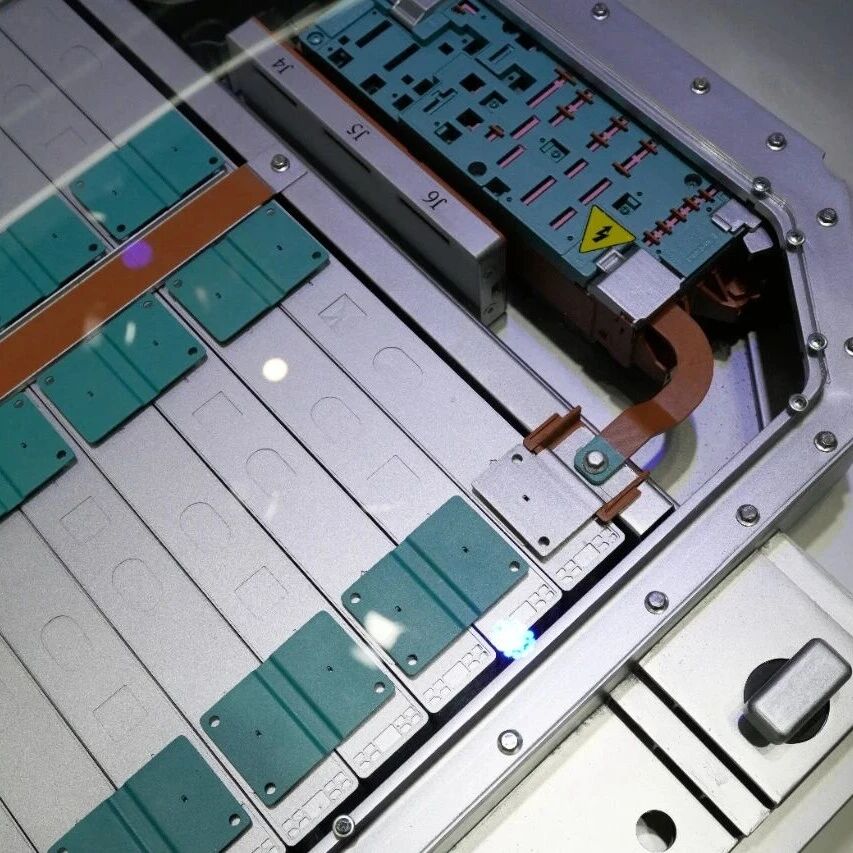
2026年储能新品全球首发!150+日程正式公布!
中关村储能产业技术联盟· 2026-03-20 07:17
Core Insights - The 14th Energy Storage International Summit and Exhibition (ESIE 2026) will be held from March 31 to April 3, 2026, at the Capital International Exhibition Center in Beijing, focusing on "Scenario Innovation, Value Reconstruction, and Global Win-Win" [3][20][32] - The event will feature over 800 leading energy storage brands, covering an exhibition area of more than 160,000 square meters, and is expected to attract over 200,000 professional visitors [3][5] - ESIE 2026 will serve as a significant platform for energy storage companies to launch new products, with over 150 new energy storage products set to debut, including solid-state battery systems and AI technology applications [5][6][37] Event Overview - The summit will include a grand opening ceremony, a closed-door leaders' meeting, an academic forum, high-end dialogues, international conferences, and numerous thematic forums and activities [3][5][36] - The event will also feature a global product launch area, where major companies like CATL, Envision, and others will unveil their latest innovations [5][6] Product Launch Highlights - Notable new products include high-capacity energy storage systems, solid-state energy storage systems, and AI-driven solutions [6][7][8] - The focus on solid-state battery systems and AI technology indicates a trend towards advanced energy storage solutions [5][6] Thematic Forums and Discussions - The summit will host various thematic forums, including discussions on advanced energy storage materials, safety standards, and the integration of energy storage with power markets [33][36][38] - The event aims to foster international cooperation and knowledge exchange in the energy storage sector [36][38] Participation and Networking Opportunities - ESIE 2026 will provide numerous networking opportunities for industry professionals, including international business matchmaking sessions and open industry salons [38][36] - The event is designed to facilitate dialogue between energy storage companies and potential investors, enhancing collaboration within the industry [38]

鹏辉/多氟多/楚能/天鹏/蓝京/力华/创明/小鲁/利维能/联动天翼/大族锂电/诚捷/亿鑫丰/嘉智信诺/孚悦/华普森/鹏锦/高视/川源等齐聚圆柱盛会
起点锂电· 2026-03-18 11:31
Group 1 - The core theme of the forum is "Full Tab Technology Leap, Leading the Large Cylindrical Market," focusing on the technological breakthroughs and market opportunities in the cylindrical battery industry [3][5]. - The cylindrical battery industry is expected to experience explosive growth in 2025, with a year-on-year increase of over 15% in China's cylindrical battery shipments, and large cylindrical batteries seeing growth rates exceeding 40% [5]. - Key players such as EVE Energy, DLG Energy, and Penghui Energy are facing continuous demand that exceeds supply, particularly for large cylindrical products in various applications including electric two-wheelers and energy storage [5][6]. Group 2 - The forum will feature three core sessions: 1. Cylindrical Battery Technology and Applications, which will release the "2026 China Cylindrical Battery White Paper" and discuss technological upgrades for series 40 and automotive-grade large cylindrical batteries [7]. 2. New Materials and Processes, focusing on the mass production of high-nickel cathodes and silicon-based anodes, as well as breakthroughs in thermal management and intelligent manufacturing solutions [7]. 3. Full Tab Large Cylindrical Battery Technology Innovation, addressing production challenges for series 46 full tab cells and exploring applications in AI robotics and electric vehicles [7]. Group 3 - The forum will gather over 600 industry elites and will include participation from leading companies across the cylindrical battery supply chain, such as Penghui Energy, DLG Energy, and others, creating a platform for comprehensive industry engagement [9][12]. - Various participation options are available, including SVIP and VIP tickets, which offer different levels of access to resources and networking opportunities [10][19][20]. - The event aims to provide actionable solutions and forward-looking trend analysis through high-level roundtable discussions on critical topics such as cost control and performance balance in the cylindrical battery sector [7][8].
报名通道 | 2026高工固态电池技术与应用峰会倒计时38天
高工锂电· 2026-03-16 12:26
Core Viewpoint - The solid-state battery industry is entering a critical year in 2026, transitioning from technology validation to large-scale production, driven by policies, technology, capital, and application scenarios [2][3]. Industry Development - The standard system for solid-state batteries has been established, marking the end of conceptual confusion, with the Ministry of Industry and Information Technology identifying solid-state batteries as a core breakthrough direction [2]. - The focus of the industry is shifting from basic research to production, with semi-solid batteries entering commercial validation and full solid-state batteries facing significant challenges in stability and yield during production [2][3]. - The mainstream research direction is converging on sulfide electrolytes due to their high ionic conductivity, while other routes like oxides and polymers are pursuing differentiated strategies [3]. Application Scenarios - High-end passenger vehicles remain the primary window for the large-scale deployment of solid-state batteries, while new applications in eVTOL, humanoid robots, AIDC data centers, commercial aerospace, and low-altitude economy are emerging [3]. - The industry is developing a multi-dimensional application landscape, combining high-end breakthroughs with consumer electronics [3]. Industry Collaboration - Competition in the solid-state battery sector is evolving from individual companies to a collaborative ecosystem involving materials, equipment, cells, vehicles, resources, and applications [3]. - Vertical integration within the supply chain is becoming more pronounced, emphasizing the need for a verifiable and scalable industrial closed loop to navigate the challenges of industrialization [3][4]. Cost and Supply Chain - Solid-state batteries currently cost over 30% more than traditional lithium batteries, with low yield rates and shortages of high-end materials posing significant production challenges [4]. - The industry is shifting its focus from competing on technical parameters to creating value throughout the entire lifecycle, with collaborative innovation across the supply chain being essential for cost reduction and efficiency improvement [4]. Summit Highlights - The 2026 Solid-State Battery Technology and Application Summit will take place on April 23, 2026, in Hangzhou, Zhejiang, featuring over 200 key enterprises and 300 industry leaders [2][7]. - The agenda includes discussions on overcoming production bottlenecks, core material breakthroughs, and the impact of national standards on industry dynamics [6][8].
国轩高科再获电池大单!
起点锂电· 2026-03-16 10:38
Core Viewpoint - The article highlights the significant advancements and strategic developments of Guoxuan High-Tech in the commercial vehicle market, emphasizing its partnerships, technological innovations, and robust growth in the energy storage sector [5][10][11]. Group 1: Strategic Partnerships and Market Position - Guoxuan High-Tech has secured over 600 commercial vehicle partnerships, notably with Chery, marking a crucial breakthrough in the commercial vehicle market [5]. - The company has established solid collaborations with major brands such as SAIC-GM-Wuling, Yuchai, and others, positioning itself among the top five in the domestic new energy commercial vehicle market with a market share of 7.7% in 2025 [6][8]. Group 2: Market Growth and Demand - The commercial vehicle market is expected to see a recovery, with domestic sales projected to reach 3.237 million units in 2025, a 9% increase year-on-year, while new energy commercial vehicle sales are anticipated to grow by 63.7% to 871,000 units [8]. - The export of new energy commercial vehicles is emerging as a new growth point, with an expected 86.8% increase in exports to 83,000 units [8]. Group 3: Technological Innovations - Guoxuan High-Tech has developed a comprehensive product matrix covering various vehicle types, including heavy-duty trucks, with the G-series battery achieving a capacity of 116 kWh and energy density of 175 Wh/kg [9]. - The company is advancing in solid-state battery technology, with its all-solid-state battery achieving an energy density of over 350 Wh/kg and a stable yield rate of over 90% [13]. Group 4: Financial Performance and Growth Drivers - The company's revenue is projected to reach between 25 billion to 30 billion yuan in 2025, reflecting a year-on-year increase of 107.16% to 148.59% [10][12]. - Key growth drivers include the dual demand from the new energy vehicle and energy storage markets, enhanced competitiveness of high-energy-density lithium iron phosphate batteries, and a strong international strategy [11]. Group 5: Future Outlook and Strategic Initiatives - Guoxuan High-Tech is focusing on emerging markets such as low-altitude flying vehicles and humanoid robots, aiming to diversify its business and enhance growth potential [12][15]. - The establishment of a 10,000-ton sulfide electrolyte project and the Ganzhou industrial park project are pivotal steps in solidifying the company's supply chain and expanding its market presence [14][15].
中国企业占EV电池全球份额的7成
日经中文网· 2026-03-16 03:06
Core Viewpoint - The market share of Chinese companies in the EV battery sector is expected to exceed 70% by 2025, up from nearly 50% in 2021, indicating a strengthening monopoly in the industry. CATL, the largest player, is expanding orders in China and Europe, achieving record profits, while Korean companies are struggling in the U.S. market [2][4]. Group 1: Market Dynamics - By 2025, the global EV battery installation volume is projected to increase by 32% compared to 2024, reaching 1,187 GWh, with approximately 60% of this volume coming from the Chinese market [6]. - Chinese companies occupy six of the top ten global positions in EV battery production, with a combined market share of 70.4% in 2025, an increase of about 4 percentage points from 2024 [8]. - The overall EV sales are still growing despite a slowdown in certain regions like the U.S., driven by high subsidies from the Chinese government promoting the adoption of EVs [6]. Group 2: Company Performance - CATL's net profit for the fiscal year ending December 2025 is expected to grow by 42% year-on-year, reaching 72.2 billion yuan, marking a new profit high [4]. - Korean companies, particularly LG Energy Solution, are facing significant challenges, with a 76% year-on-year decrease in net profit, dropping to 80.8 billion won, which is less than 1% of CATL's profit [8][9]. - SK On and Samsung SDI are also experiencing losses, prompting a reevaluation of their strategies in the U.S. market [9]. Group 3: Strategic Developments - Chinese companies are expanding their production capabilities overseas, with CATL completing the installation of its first production line in Hungary by the end of 2025 [10]. - The Japanese company Panasonic ranks seventh globally but holds less than 4% market share, with production timelines for its Kansas plant still uncertain due to declining sales from major client Tesla [10]. - As EV sales slow down, major automotive players in the U.S. and Japan are adjusting their strategies, while Chinese firms like BYD are striving to increase global sales and maintain competitive advantages [10].