Costco(COST)

Search documents
Consumer Staples Are Up Almost 20% While the S&P 500 Struggles. Retirees Are Paying Attention.
Yahoo Finance· 2026-02-25 14:59
Core Viewpoint - Consumer sentiment remains low, with the University of Michigan's index at 56.4 as of January 2026, while the S&P 500 has only increased by 0.81% year-to-date, creating a favorable environment for defensive funds like KXI [2] Group 1: Fund Overview - KXI tracks a global index of companies that sell essential goods, including food, beverages, household products, and tobacco, with approximately 55% of its holdings in international companies such as Nestlé, Unilever, and Diageo [3] - The largest positions in KXI are Walmart at 9.94% and Costco at 9.22%, both of which have shown consistent earnings growth through various economic cycles [4] - KXI offers a yield of 2.27% with a 0.39% expense ratio, and distributions are paid semi-annually [4] Group 2: Performance Analysis - Over the past year, KXI has outperformed the S&P 500, returning 18.07% compared to the index's 15.11%, while exhibiting lower volatility, which aligns with the behavior of defensive funds during periods of depressed consumer sentiment [5][8] - The strong performance is attributed to the earnings durability of KXI's largest holdings, with Walmart's grocery market share increasing and Costco maintaining a high membership renewal rate of 89.7% [6] Group 3: Risks and Tradeoffs - KXI's international exposure introduces currency risk, as companies like Coca-Cola, PepsiCo, Procter & Gamble, and Philip Morris have reported foreign exchange headwinds, which can diminish returns even if the underlying businesses perform well [7]


The Global Staples ETF KXI Is Beating the S&P 500 (With Less Volatility)
Yahoo Finance· 2026-02-25 14:55
Core Insights - Consumer sentiment remains low, with the University of Michigan's index at 56.4 as of January 2026, while the S&P 500 has only increased by 0.81% year-to-date, creating a favorable environment for defensive funds like KXI [2] Group 1: KXI Overview - KXI tracks a global index of companies that sell essential goods, including food, beverages, household products, and tobacco, with approximately 55% of its holdings in international companies such as Nestlé, Unilever, and Diageo [3] - The largest positions in KXI are Walmart at 9.94% and Costco at 9.22%, both of which have shown consistent earnings growth through various economic cycles [4] - KXI offers a yield of 2.27% and has a 0.39% expense ratio, with distributions paid semi-annually [4] Group 2: Performance Analysis - Over the past year, KXI has outperformed the S&P 500, returning 18.07% compared to the index's 15.11%, while exhibiting lower volatility, consistent with the behavior of defensive funds during periods of depressed consumer sentiment [5][8] - The strong performance is attributed to the earnings durability of KXI's largest holdings, with Walmart's grocery market share increasing and Costco's membership renewal rate at 89.7%, indicating strong consumer loyalty [6] Group 3: Risks and Tradeoffs - KXI's international exposure introduces currency risk, as companies like Coca-Cola, PepsiCo, Procter & Gamble, and Philip Morris have reported foreign exchange headwinds, which can diminish returns even when the underlying businesses perform well [7]
Citi Raises Costco (COST) Price Target to $1,000 from $990
Yahoo Finance· 2026-02-25 11:30
Core Insights - Costco Wholesale Corporation (NASDAQ:COST) has received price target increases from analysts, indicating positive sentiment towards the company's performance and outlook [1][3]. Financial Performance - For the first quarter of fiscal 2026, Costco reported a net income of $2.001 billion, or $4.50 per diluted share, up from $1.798 billion, or $4.04 per diluted share, in the previous year, marking a 13.6% increase in net income and diluted EPS when excluding certain tax-related items [4]. - Net sales increased by 8.2% year over year to $65.98 billion, with comparable sales rising by 6.4%, including a significant 20.5% increase in digitally enabled comparable sales [4]. - Membership fee income grew by 14% to $1.329 billion, driven by membership growth and upgrades to higher-tier executive memberships [4]. Expansion Plans - Costco opened eight new warehouses during the quarter, bringing the total to 921 locations globally, with plans to add more than 30 net new warehouses annually in the coming years [4]. Analyst Ratings - Citi analyst Steven Zaccone raised Costco's price target to $1,000 from $990 while maintaining a Neutral rating, citing modest same-store sales and earnings beat [1]. - Evercore ISI analyst Greg Melich increased his price target on Costco to $1,050 from $1,025 and reiterated an Outperform rating [3].
Costco quietly reshapes the way members shop
Yahoo Finance· 2026-02-24 19:33
Core Insights - Costco has evolved from a traditional warehouse model to embracing digital sales, with CEO Ron Vachris highlighting the company's digital investments during the Q1 2026 earnings call [2][6] Group 1: Digital Transformation - Costco's digital vision focuses on creating a seamless shopping experience that fosters trust and loyalty among members, whether in-store or online [6] - The company has historically allowed competitors like Walmart, Target, and Amazon to lead in innovation, which has enabled Costco to minimize technology development costs and reduce implementation failures [5] Group 2: Online Sales Timeline - Costco's e-commerce journey began in November 1998, transitioning from an informational website to actual online sales [8] - The company expanded its online offerings significantly from 2017 onwards, introducing grocery and delivery options, including partnerships with Instacart, which added thousands of everyday items to its online inventory [8] - The COVID-19 pandemic accelerated Costco's online sales growth, aligning its online offerings more closely with the full range of warehouse inventory, although not all SKUs are available online due to the in-warehouse shopping experience [8]
“无条件退货”不再无上限?Costco收紧政策引热议,诈欺退货一年让零售商损失千亿
Sou Hu Cai Jing· 2026-02-24 18:17
Group 1 - Costco is tightening its previously lenient return policy, now requiring additional proof of purchase and reviewing customers' return frequency [2] - Some members have reported being asked for more purchase details during returns, with potential refusals if they cannot comply [2] - The tightening of the policy comes in response to increasing instances of return abuse, highlighted by unusual return cases that have gained attention on social media [2] Group 2 - The retail industry is facing significant challenges, with estimated losses of approximately $104 billion in 2024 due to fraudulent returns and claims [3] - Many retailers, including Costco, are tightening return policies to control losses and protect overall member interests [3] - Costco's CEO mentioned that operational inconveniences reported by members are being addressed through digital solutions, aiming to integrate physical and digital platforms [3]

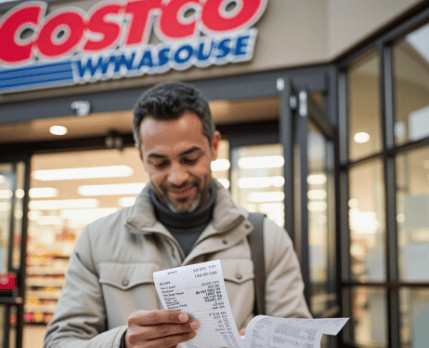
Is Costco Wholesale Stock Underperforming the S&P 500?
Yahoo Finance· 2026-02-24 15:02
Company Overview - Costco Wholesale Corporation (COST) is headquartered in Issaquah, Washington, and operates membership warehouses globally, with a market cap of $437.7 billion [1] - The company offers a diverse range of products, including groceries, electronics, appliances, automotive supplies, pharmacies, optical centers, fuel stations, and travel services [1] Market Position - Costco is classified as a "mega-cap stock" due to its market cap exceeding $200 billion, reflecting its substantial size and dominance in the discount stores industry [2] - The company differentiates itself through a membership-only model, providing bulk purchases at discounted prices and exclusive private-label products, which fosters customer loyalty [2] Stock Performance - Despite its strengths, Costco's stock has decreased by 7.6% from its 52-week high of $1,067.08, reached on June 3, 2025 [3] - Over the past three months, COST stock gained 9.7%, outperforming the S&P 500 Index's 3.6% gains during the same period [3] - Year-to-date, shares of Costco rose 14.3%, while the S&P 500 experienced a marginal dip in 2026 [5] - However, over the past 52 weeks, Costco's stock dipped 4.7%, underperforming the S&P 500's 13.7% returns [5] Financial Results - On December 11, 2025, Costco reported Q1 results with revenue of $67.3 billion, surpassing analyst estimates of $67 billion [7] - The company's EPS of $4.50 beat analyst estimates by 5.4% [7] Competitive Landscape - In the discount store sector, Walmart Inc. (WMT) has shown resilience with a 34.3% gain over the past 52 weeks, while Costco's stock increased by 12.9% year-to-date [7] Analyst Ratings - Wall Street analysts maintain a "Moderate Buy" rating for COST, with a consensus price target of $1,064.58, indicating a potential upside of 8% from current price levels [8]
Wall Street Breakfast Podcast: FedEx Demands Tariffs Return To Sender
Seeking Alpha· 2026-02-24 11:40
Group 1: FedEx and IEEPA Tariffs - FedEx has filed a lawsuit against the Trump administration seeking a full refund of tariffs paid under the International Emergency Economic Powers Act (IEEPA) following a Supreme Court ruling against the administration [3] - The lawsuit does not specify the amount due and names the Customs and Border Protection agency and its commissioner as defendants [3] - Other companies, including Costco, have also filed similar lawsuits, with economists projecting that reversing the IEEPA tariffs could generate up to $175 billion in refunds [4] Group 2: Hims & Hers Health - Hims & Hers Health disclosed an SEC investigation regarding its public statements and disclosures about compounded semaglutide, stating it is cooperating but cannot predict the financial impact [5][6] - The company reported Q4 GAAP EPS of $0.08, beating estimates by $0.03, with revenue rising 28.4% year-over-year to $617.8 million, in line with expectations [6] - Subscriber growth reached over 2.5 million, a 13% increase year-over-year, but the company guided for Q1 2026 revenue between $600 million and $625 million, below the consensus estimate of $652.6 million [6] Group 3: IBM and AI Claims - IBM's shares experienced their worst decline in over 25 years after AI startup Anthropic claimed its tool could modernize COBOL, a programming language used on IBM systems [7][8] - The stock fell over 13%, marking its largest single-day percentage loss since October 2000, and has dropped 27% in February, on track for its biggest monthly decline since at least 1968 [8]


Trump Reportedly Weighing Sweeping Section 232 Tariffs Post IEEPA Setback— Battery, Industrial Chemicals, Telecom Sectors Likely Impacted - Costco Wholesale (NASDAQ:COST), FedEx (NYSE:FDX)
Benzinga· 2026-02-24 07:11
Core Viewpoint - The U.S. administration is considering new national security-based tariffs across various industries following a setback in the Supreme Court regarding previous tariffs under the International Emergency Economic Powers Act (IEEPA) [1] Group 1: Proposed Tariffs - The proposed tariffs may affect sectors such as large-scale batteries, cast iron, plastic piping, industrial chemicals, and telecommunications equipment, under Section 232 of the Trade Expansion Act of 1962 [2] - The timeline for the tariff investigations by the Commerce Department is uncertain, as Section 232 requires investigations before tariffs can be imposed, but the president can adjust them unilaterally once in place [3] Group 2: Existing Tariff Overhaul - The administration is also planning to revise existing national security tariffs on steel and aluminum, which may lower headline rates but apply duties to the full value of imported products, potentially increasing overall costs for companies [5] Group 3: Ongoing Investigations - In addition to new probes, the administration is considering Section 232 tariffs on nine industries, including semiconductors, pharmaceuticals, drones, industrial robots, and solar-grade polysilicon, with some investigations potentially being fast-tracked [4] Group 4: Global Response - The proposed Section 232 tariffs are separate from other duties announced by the Trump administration, which include increasing the global tariff rate to 15% from 10% for five months, alongside tariffs scheduled under Section 301 of the Trade Act [6]
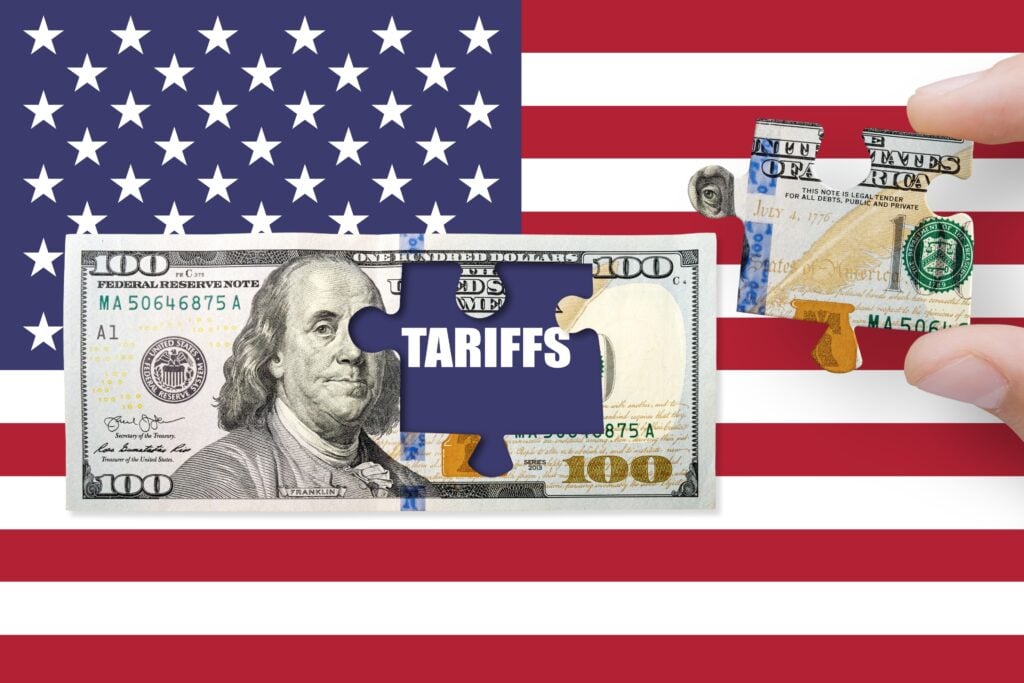
Costco: A Tariff-Rollback Winner, But No Longer On Sale
Seeking Alpha· 2026-02-23 07:33
分组1 - Costco has led the Consumer Staples sector, which has increased by 13% through February 20, outperforming other sectors except for three cyclical-value areas [1] - The defensive segment of the U.S. stock market is primarily driven by Costco and Walmart [1]
Renault to take full ownership of electric van joint venture Flexis
Reuters· 2026-02-23 07:25
Group 1 - Renault will acquire the stakes of truckmaker Volvo and shipping group CMA CGM in the electric van joint venture Flexis [1] - The acquisition agreement is set to become effective by the end of the first half of 2026 [1]