JP MORGAN CHASE(JPM)

Search documents
摩根大通回应特朗普索赔 称“尊重总统起诉我们的权利”
Xin Lang Cai Jing· 2026-01-22 19:06
在位于迈阿密-戴德县的州法院提交的诉状指控摩根大通商业诽谤,且违反诚信和公平交易的默示约 定。控方还声称,戴蒙违反了佛罗里达州的《不公平和欺骗性贸易行为法》。 责任编辑:李桐 相关阅读:声称银行服务遭剥夺 特朗普将摩根大通和戴蒙告上法庭索赔50亿美元 摩根大通表示,尊重美国总统唐纳德·特朗普起诉该公司的权利。 声明称,摩根大通不会因政治或宗教原因关闭账户,但确会因法律或监管风险而关户。 摩根大通称一直在要求本届和以前的政府修改相关规定,支持监管部门为防止银行业被武器化所做的努 力。 此前,美国总统特朗普起诉摩根大通及其首席执行官杰米·戴蒙索赔至少50亿美元,声称被告出于政治 原因停止向他提供银行服务。 责任编辑:李桐 相关阅读:声称银行服务遭剥夺 特朗普将摩根大通和戴蒙告上法庭索赔50亿美元 摩根大通表示,尊重美国总统唐纳德·特朗普起诉该公司的权利。 声明称,摩根大通不会因政治或宗教原因关闭账户,但确会因法律或监管风险而关户。 摩根大通称一直在要求本届和以前的政府修改相关规定,支持监管部门为防止银行业被武器化所做的努 力。 此前,美国总统特朗普起诉摩根大通及其首席执行官杰米·戴蒙索赔至少50亿美元,声称被告出 ...

Trump sues JPMorgan Chase, CEO Jamie Dimon for $5B over post-Jan. 6 ‘debanking'
New York Post· 2026-01-22 18:47
President Trump has followed through on his threat to sue JPMorgan Chase and CEO Jamie Dimon for $5 billion, accusing the nation’s largest bank of politically motivated “debanking” after Jan. 6.The suit, filed Thursday in Florida state court in Miami, claims JPMorgan severed Trump’s banking ties in early 2021 for political reasons, abruptly closing multiple accounts tied to the president and his businesses after decades-long relationship.Trump’s attorney, Alejandro Brito, alleges the bank acted “without war ...


Trump sues JPMorgan Chase, CEO Jamie Dimon for $5 billion over alleged ‘debanking’
MINT· 2026-01-22 18:41
US President Donald Trump has filed a lawsuit against JPMorgan Chase & Co. and its CEO Jamie Dimon, seeking at least $5 billion. Trump alleges the bank refused to provide banking services to him and his businesses due to political reasons, according to a report.The complaint was filed on Thursday (January 22) in Miami-Dade County state court, citing trade libel and breach of the implied covenant of good faith and fair dealing. It also claims Dimon violated Florida’s deceptive trade practices law, as per Blo ...
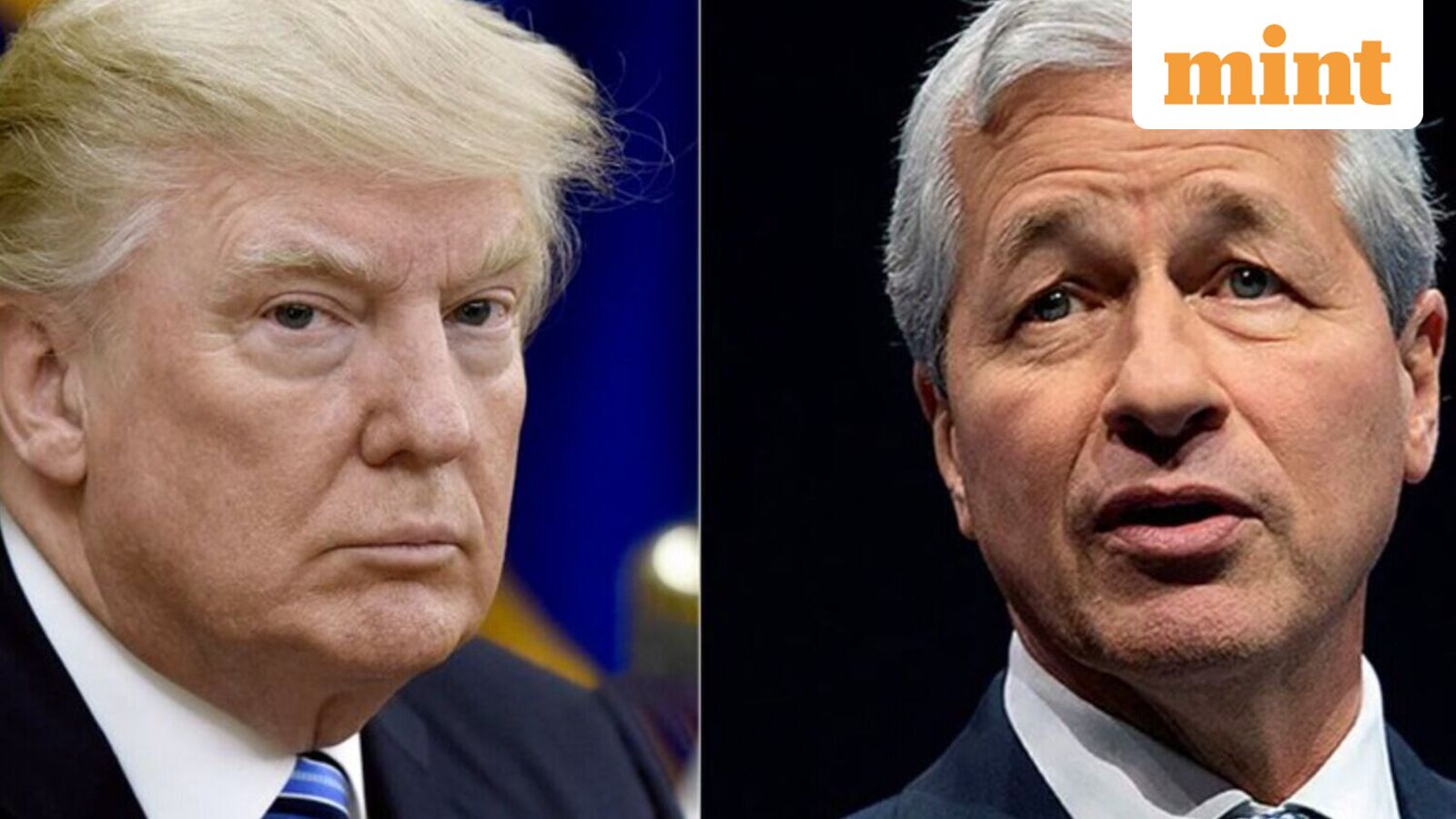
Trump files $5B lawsuit against JPMorgan over alleged ‘debanking'
Invezz· 2026-01-22 18:36
President Donald Trump filed a lawsuit against JPMorgan Chase and CEO Jamie Dimon on Thursday seeking at least $5 billion in damages, alleging that the bank closed his accounts for political reasons f... ...

Trump sues JPMorgan for $5 billion, alleges the bank closed his accounts for political reasons
Yahoo Finance· 2026-01-22 18:32
Core Argument - President Donald Trump has filed a $5 billion lawsuit against JPMorgan Chase and CEO Jamie Dimon, alleging that the bank ceased providing services to him and his businesses for political reasons after he left office in January 2021 [1] Group 1: Allegations of Account Closures - The lawsuit claims that JPMorgan closed multiple accounts in February 2021 with only 60 days notice and without explanation, which allegedly cut Trump and his businesses off from millions of dollars and disrupted their operations [2] - Trump asserts that JPMorgan's decision to debank him was influenced by a belief that the political climate favored such actions [3] Group 2: Communication and Blacklisting Claims - Trump alleges that he attempted to discuss the account closures with Dimon, who promised to investigate the matter but failed to follow up [4] - The lawsuit also claims that JPMorgan placed Trump and his companies on a reputational "blacklist," which is used by JPMorgan and other banks to prevent clients from opening accounts in the future [4] Group 3: Context of Debanking - Debanking, defined as the closure of customer accounts or refusal of services, has become a politically charged issue, particularly among conservative politicians who argue that banks discriminate against them [7] - The issue gained national attention when conservatives accused the Obama administration of pressuring banks to limit services to certain businesses, and Trump has claimed that banks have cut him off due to "reputational risk" following the January 6, 2021, Capitol attack [8]
JPMorganChase Statement Regarding President Trump's Lawsuit
Businesswire· 2026-01-22 18:31
NEW YORK--(BUSINESS WIRE)--JPMorgan Chase & Co. (NYSE: JPM) issued the following statement today: "While we regret President Trump has sued us, we believe the suit has no merit. We respect the President's right to sue us and our right to defend ourselves - that's what courts are for. Our company does not close accounts for political or religious reasons. We do close accounts because they create legal or regulatory risk for the company. We regret having to do so, but often rules and regulato. ...
Trump’s retribution campaign hits JPMorgan Chase
Yahoo Finance· 2026-01-22 18:28
Core Viewpoint - President Donald Trump has filed a lawsuit against JPMorgan Chase and its CEO Jamie Dimon, alleging that the bank closed his accounts for political reasons, seeking at least $5 billion in damages [1][2]. Group 1: Lawsuit Details - The lawsuit claims that JPMorgan Chase's decision to drop Trump as a customer was influenced by "woke beliefs" and political motivations [2]. - Trump and associated business entities are pursuing claims of trade libel and breach of fair trade covenants [1]. Group 2: JPMorgan Chase's Response - JPMorgan Chase has labeled the lawsuit as meritless, expressing regret over the situation while affirming its right to defend itself in court [3]. - The bank stated that account closures are not politically motivated but are due to legal or regulatory risks [4]. Group 3: Jamie Dimon's Position - Jamie Dimon has publicly criticized Trump's proposed cap on credit card interest rates, describing it as an "economic disaster" that could severely impact credit access for lower-income Americans [5]. - Dimon has also expressed disapproval of Trump's hardline immigration policies, advocating for a more measured approach to immigration issues [6].
Trump sues JPMorgan, Dimon for $5B over alleged debanking
American Banker· 2026-01-22 18:12
UPDATE: This story includes additional information from the lawsuit, additional context and a response from JPMorgan.Processing ContentPresident Donald Trump sued JPMorgan Chase & Co. and its chief executive officer, Jamie Dimon, for at least $5 billion over allegations that the lender stopped offering him and his businesses banking services for political reasons. The complaint, filed Thursday, accuses the bank of trade libel and breach of implied covenant of good faith. It also claims Dimon violated Flori ...

Analysts Remain Positive on JPMorgan Chase While President Trump Threatens to Sue Chase For Incorrectly Debunking
Yahoo Finance· 2026-01-22 18:08
JPMorgan Chase & Co. (NYSE:JPM) is one of the 15 Best S&P 500 Stocks to Look For in 2026. On January 14, Evercore ISI analyst Glenn Schorr reaffirmed his Buy rating on JPMorgan Chase & Co. (NYSE:JPM) and maintained the price target at $350. The analyst reiterated his Buy rating following the Q4 2025 earnings call. Schorr asked management about the stablecoin regulatory risk and deposit dynamics, to which management replied that the issue applies to the entire banking sector. JPMorgan Chase added 1.7 mil ...
Trump Sues Jamie Dimon And JPMorgan Chase For ‘Political Debanking' After Jan. 6 Riot
Forbes· 2026-01-22 18:05
Core Viewpoint - President Donald Trump has filed a lawsuit against JPMorgan Chase and CEO Jamie Dimon, claiming the bank terminated his accounts for political reasons, seeking at least $5 billion in damages [1][2]. Group 1: Lawsuit Details - The lawsuit was filed in Florida state court and alleges that JPMorgan's actions violated state law prohibiting lenders from disengaging based on political opinions or affiliations [2]. - The lawsuit claims that JPMorgan and Dimon "unlawfully and unjustifiably" placed Trump's name and his entities on a blacklist accessible by regulated banks, which includes individuals and businesses noncompliant with banking rules [3]. Group 2: JPMorgan's Response - JPMorgan stated that the lawsuit "has no merit" and clarified that it does not close accounts for political or religious reasons, but rather due to legal or regulatory risks [1]. - The bank expressed regret over account closures, attributing them to rules and regulatory expectations [1].