Uber(UBER)

Search documents
Byte-Sized AI: Uber Freight Upgrades TMS; Ralph Lauren Launches Chatbot With OpenAI and Microsoft
Yahoo Finance· 2025-09-19 18:00
Group 1: Uber Freight and AI Integration - Uber Freight announced upgrades to its AI capabilities to enhance logistics efficiency and simplify operations [1][6] - The transportation management system (TMS) now allows clients to track the entire order-to-cash journey, providing a unified platform for quicker decision-making [6][10] - New features include automated data-gathering for bid awards, enabling real-time comparisons of costs and services, which aims to reduce decision-making time and costs for clients [8][9] Group 2: Google and PayPal Partnership - Google and PayPal have entered a multi-year partnership to enhance digital commerce through AI, focusing on improving transaction experiences [4][3] - The partnership aims to leverage PayPal's payment solutions and Google’s AI capabilities to foster agentic commerce while ensuring secure transactions [4][2] - The collaboration is expected to have significant implications for the technology and e-commerce sectors if executed effectively [3] Group 3: Ethosphere's AI in Retail - Ethosphere raised $2.5 million in a pre-seed round to develop AI technology that captures in-store conversations for feedback [11][12] - The technology aims to enhance customer service by providing actionable insights to employees and managers based on real interactions [12][13] - Ethosphere's approach focuses on empowering retail employees to improve customer experiences and drive sales [15] Group 4: Ralph Lauren's Conversational AI - Ralph Lauren introduced a conversational AI chatbot named Ask Ralph to enhance customer engagement and provide personalized styling recommendations [16][17] - The chatbot aims to create a richer e-commerce experience, allowing consumers to interact as they would with a stylist in-store [17][18] - The technology is powered by Microsoft’s Azure OpenAI platform, reflecting a shift in consumer shopping habits [19][20] Group 5: Inspectorio's Paramo - Inspectorio launched Paramo, an AI-native intelligence layer designed to unify supply chain management systems [21][22] - The system aims to create a single source of truth for data, enhancing risk detection and compliance while streamlining sourcing processes [23][25] - Paramo is positioned to help brands and retailers adapt to a complex supplier landscape by increasing agility and operational intelligence [25]


3 Stocks To Consider Buying As Self-Driving Vehicles Take Off
Benzinga· 2025-09-19 17:21
Industry Overview - The driverless vehicle market is projected to experience significant growth, with total revenues expected to rise from $87.2 billion in 2024 to $991.7 billion by 2033, reflecting a compound annual growth rate (CAGR) of 4.7% [1] - The autonomous vehicle sector is being propelled by factors such as public acceptance of AI systems, government regulations, environmental concerns, traffic congestion, technological advancements, and the demand for safety and efficiency [2] Market Segments - The self-driving robotaxi market is anticipated to grow from approximately $0.45 billion in 2024, with estimates suggesting a CAGR of 73% to 90% per year until 2030, indicating a substantial investment opportunity [4] - Regulatory challenges at the city level are seen as a significant barrier to the growth of autonomous taxis, with the potential for faster federal-level regulations to enhance market growth [5] Key Companies Tesla - Tesla has shown a year-to-date performance increase of 5.7%, with a notable 32% share return rate over the past three months [7] - The company has over 3 million vehicles on the road, with the potential for 4 million units to become robotaxis by the end of the year, leveraging advanced AI technology for data collection and operational efficiency [8] Uber - Uber has a year-to-date performance increase of 61.7% and is positioned favorably in the autonomous ride-share market, with 11.3 billion trips and $44 billion in revenue expected in 2024 [9][10] - The company has partnerships with Waymo and other AV operators, which may reduce compliance and labor costs, enhancing its competitive edge in the driverless ride-share market [10] Aurora Innovation - Aurora Innovation has a year-to-date performance decrease of 5.5% but is recognized for its advanced self-driving technology, particularly in the long-haul freight and driverless cab sectors [12][13] - Analysts view Aurora as a leader in the autonomous vehicle space, with buy ratings from multiple firms and a target price range of $12.00 to $15.00 per share [14]


Uber Brings Back Limited Drone Delivery in the US With New Flytrex Partnership
International Business Times· 2025-09-19 16:52
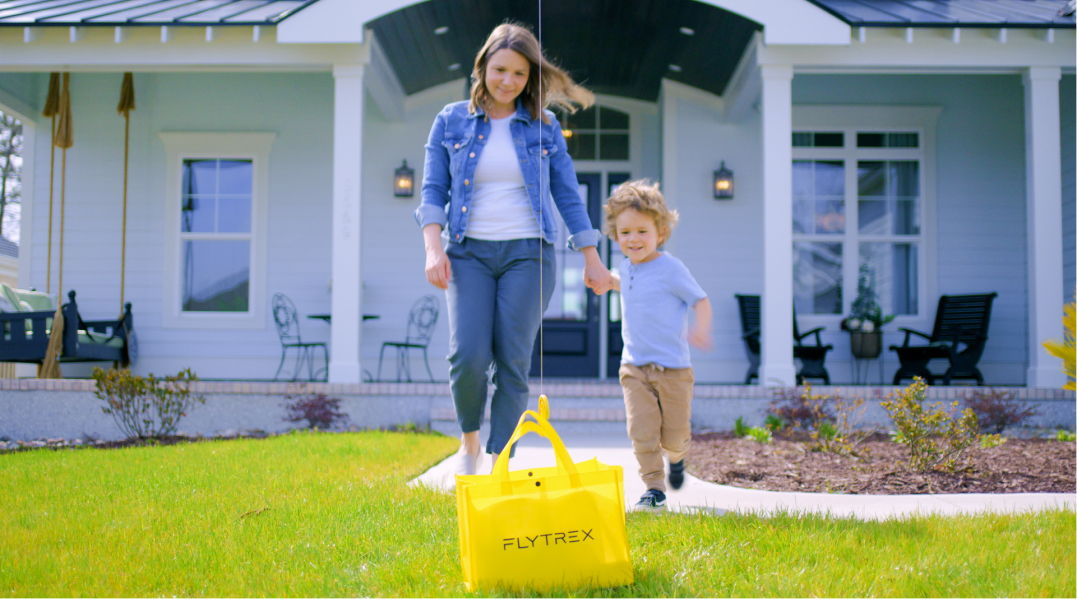
Core Insights - Uber is reintroducing drone delivery for its Uber Eats service through a partnership with Israeli startup Flytrex, aiming to enhance logistics and delivery capabilities in the U.S. [1][2] - The partnership includes a small investment from Uber into Flytrex, although specific financial details were not disclosed [3]. Group 1: Uber's Drone Delivery Initiative - Uber previously piloted a drone delivery service in 2019 but faced regulatory challenges, leading to the sale of its aviation segment to Joby Aviation [4]. - The new partnership with Flytrex follows a successful collaboration between Flytrex and DoorDash, which has completed over 200,000 drone deliveries in the U.S. [4]. Group 2: Industry Context - The drone delivery sector is evolving, with companies like Amazon also testing drone delivery services, indicating a broader trend in logistics and delivery [5]. - The use of drones is expected to improve delivery speed, reduce traffic congestion, and lower carbon footprints, particularly for urgent deliveries [7].


Analyst Explains Why He’s Buying Uber Technologies (UBER)
Yahoo Finance· 2025-09-19 13:52
Core Insights - Uber Technologies, Inc. (NYSE: UBER) is highlighted as a strong investment opportunity following the Federal Reserve's rate cut, with analysts noting its leadership in autonomous and robo-taxi sectors, particularly in comparison to Tesla [1][3] - The company reported solid performance in its core rideshare and delivery businesses, with significant growth in trips and bookings, indicating robust demand and expanding margins [3] - Uber's partnership with Waymo in Austin has exceeded expectations, contributing positively to its business outlook [3] Financial Performance - Uber demonstrated continued strength in its financial metrics, with healthy growth in both trips and bookings during the second quarter of 2025 [3] - The company has shown resilience against competition, with no signs of consumer slowdown, and international markets performing particularly well [3] Strategic Focus - Management is committed to innovation and operational excellence, which is reflected in ongoing share repurchases, signaling confidence in Uber's long-term prospects [3] - Despite the potential of Uber as an investment, some analysts believe that certain AI stocks may offer higher returns with limited downside risk [3]
Waymo, Via to Offer Autonomous Public Transit Rides in Arizona
Insurance Journal· 2025-09-19 05:00
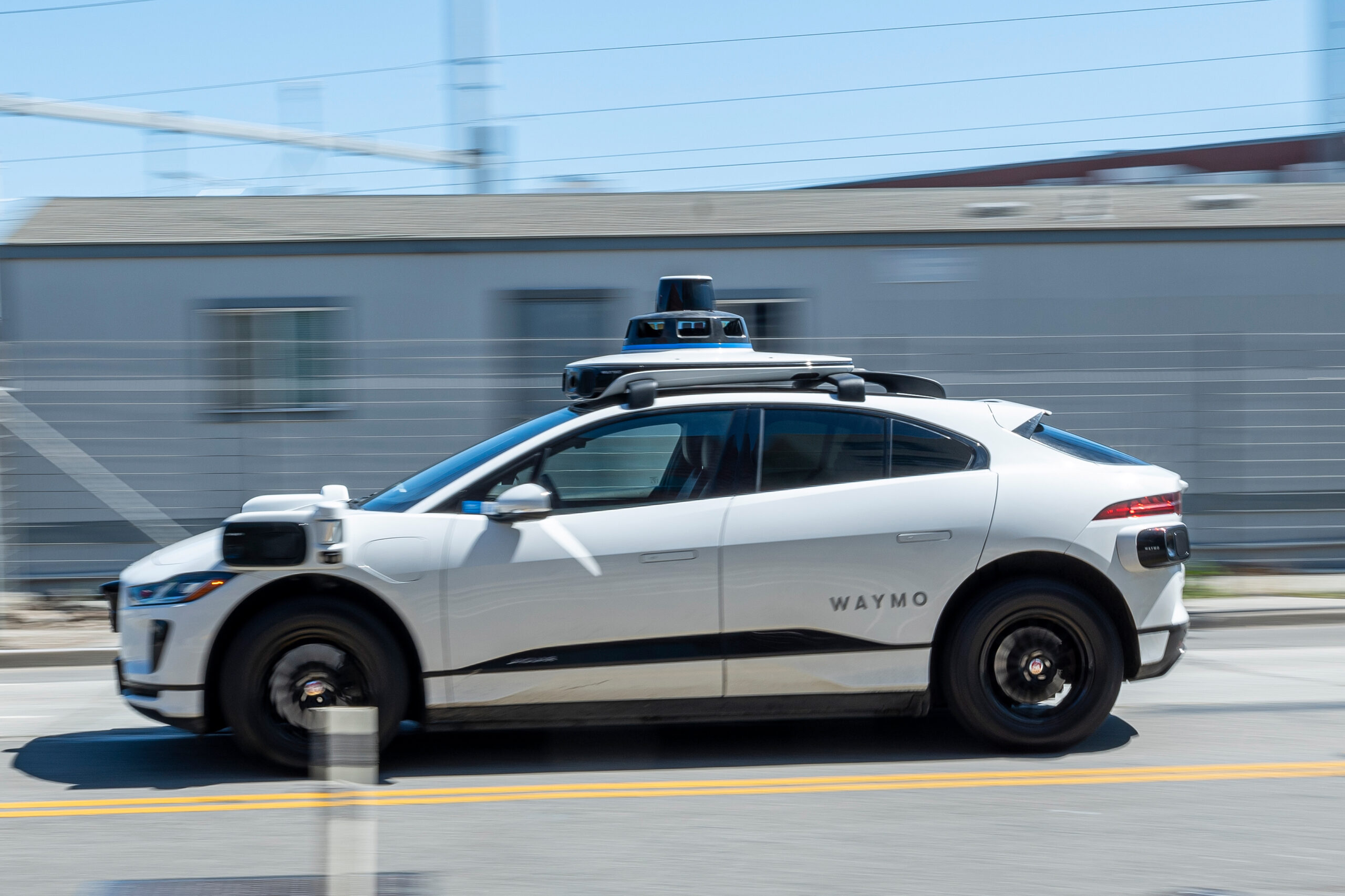
Core Insights - Via Transportation Inc. has partnered with Waymo to launch autonomous shared rides in Chandler, Arizona, starting this fall [1][2] - The initiative aims to enhance the existing Flex service, allowing users to book driverless rides during high demand periods [1][2] Group 1: Company Developments - Via Transportation Inc. went public last Friday and is focusing on expanding its public transit software capabilities [1] - Waymo, a self-driving unit of Alphabet Inc., is expanding its public partnerships to introduce autonomous services in new cities [2] Group 2: Service Details - The driverless rides will be available during the same operating hours and at the same price of $2 per ride as the city's Flex program [3] - Waymo's integration into Chandler's transit program aims to improve vehicle utilization while providing affordable transportation options [3] Group 3: Technology and Compliance - Via has implemented demand-matching and routing technology for the Flex service since the partnership began in 2022, allowing city officials to monitor performance and meet federal compliance requirements [2]
中国企业全球抢滩:Robotaxi订单纷至,商业化落地加速
Xin Jing Bao· 2025-09-19 03:33
Core Insights - Chinese autonomous driving companies are increasingly entering international markets, shifting from technology importers to exporters, and becoming essential partners in global collaborations [1][2][3] Group 1: International Expansion - Hesai Technology signed a laser radar order worth over $40 million with a leading US Robotaxi company [1] - Momenta plans to start L4 autonomous Robotaxi testing in Munich, Germany, in 2026, having established deep partnerships with over 20 global automakers [2] - Companies like Baidu and Xiaoma Zhixing are also expanding their Robotaxi services internationally, with plans to launch in various regions by 2025-2026 [2][3] Group 2: Technological Advancements - Chinese companies are leveraging complex road environments to develop superior algorithms, enhancing their problem-solving capabilities [4] - Momenta's "data flywheel" approach allows for continuous training and optimization of its algorithms using data from over 400,000 vehicles [4] - The shift from high-precision maps to "mapless" solutions is gaining traction, with Chinese firms leading this technological transition [5] Group 3: Cost Reduction and Commercial Viability - The cost of manufacturing Robotaxis has decreased by 80% over the past five years, making them more competitive globally [6] - Companies like Hesai Technology are producing high-performance laser radars at significantly lower costs, enabling larger fleet deployments [6] - The total cost of Xiaoma Zhixing's seventh-generation autonomous driving suite has decreased by 70%, with substantial reductions in key components [6] Group 4: Market Dynamics and Future Outlook - The capital market's focus is shifting from technology feasibility to commercialization timelines and cash flow expectations [7] - A potential wave of mergers and acquisitions may occur as companies with specific technological expertise seek partnerships with larger firms [7] - Collaborations between tech companies and ride-hailing platforms like Uber are expected to accelerate profitability in the autonomous driving sector [7][8]



华为徐直军:明年Q1推出昇腾950PR芯片;三星集团计划五年内新招6万人 | 早资道
Sou Hu Cai Jing· 2025-09-19 01:20
Group 1 - Huawei plans to launch the Ascend 950PR chip in Q1 2026, with subsequent releases of Ascend 950DT in Q4 2026, Ascend 960 in Q4 2027, and Ascend 970 in Q4 2028, emphasizing the importance of computing power in artificial intelligence [2] Group 2 - Yonghui Supermarket appointed Wang Shoucheng as the new CEO, who previously led the operational standard system construction for the company's reform project [3] Group 3 - Bawang Tea Ji opened its second store in North America in Torrance, California, and appointed new executives, including Emily Chang as Chief Business Officer and Aaron Harris as Chief Development Officer [4] Group 4 - Samsung Group announced plans to hire 60,000 new employees over the next five years, focusing on semiconductor, biotechnology, and artificial intelligence sectors [5] Group 5 - Uber partnered with Flytrex to launch a drone delivery service, marking Uber's first investment in the drone delivery sector, expected to start in pilot markets in the U.S. by the end of the year [6]


Uber Technologies, Inc. (UBER): Our Calculation of Intrinsic Value
Acquirersmultiple· 2025-09-18 23:38
Core Insights - Uber Technologies Inc. has achieved profitability on both net income and free cash flow basis after years of operating losses [2] - The company operates in over 70 countries and benefits from strong network effects and diversified business lines, including Mobility, Delivery, and Freight [2] - Despite recent profitability, Uber faces challenges from competitive dynamics, regulatory risks, and ongoing capital requirements [2] DCF Analysis - The Discount Rate is set at 10% and the Terminal Growth Rate at 3% [3] - Forecasted Free Cash Flows (in billions) are projected as follows: - 2025: $7.5 → PV: $6.82 - 2026: $8.5 → PV: $7.02 - 2027: $9.5 → PV: $7.14 - 2028: $10.5 → PV: $7.20 - 2029: $11.5 → PV: $7.21 - Total Present Value of Free Cash Flows is $35.39 billion [3] - Terminal Value calculated using the perpetuity growth model is $169.07 billion, with a Present Value of Terminal Value at $106.09 billion [3] Enterprise and Equity Value - The Enterprise Value is calculated as $141.48 billion, combining the Total Present Value of Free Cash Flows and Present Value of Terminal Value [3] - Net Debt is reported as $4.15 billion, with Cash at $6.98 billion and Total Debt at $11.13 billion [4] - The Equity Value is $137.33 billion, leading to an Intrinsic Value per Share of $65.10 based on 2.11 billion shares outstanding [4] Conclusion - The DCF Value is estimated at $65.10, while the current market price is $92.95, indicating a Margin of Safety of -30% [5] - Although Uber has transitioned to consistent profitability and strong free cash flow generation, the stock is currently trading above the conservative intrinsic value estimate, suggesting limited upside potential [5]

X @TechCrunch
TechCrunch· 2025-09-18 17:58
The company is partnering with Flytrex to make Uber Eats deliveries later this year. Uber is also making a small investment in Flytrex. https://t.co/tUCD9EICXt ...
Uber is trying drone delivery again
TechCrunch· 2025-09-18 17:57
Group 1 - Uber will test using drones for Uber Eats deliveries in select U.S. markets by the end of this year, in partnership with Israeli startup Flytrex, which includes a small investment from Uber [1] - The partnership aligns with Uber's strategy of re-engaging with technologies previously developed in-house, including collaborations with autonomous vehicle companies like Waymo and plans for electric air taxis [2] - Uber previously trialed drone deliveries in 2019 but abandoned the initiative due to regulatory constraints, later selling its "Elevate" aviation division to Joby; the current regulatory environment is becoming more favorable for aerial delivery [3] Group 2 - Flytrex has completed over 200,000 deliveries across the U.S. and also collaborates with Uber Eats competitor DoorDash, indicating a growing trend in aerial delivery services [3]