
Reliance Industries

Search documents
Amazon India slashes seller referral fees in retail growth push
Reuters· 2026-03-01 20:31
Core Insights - Amazon India is eliminating referral fees for products priced under 1,000 rupees ($10.98) to attract more sellers and strengthen its position in the competitive e-commerce market [1] - This initiative builds on a previous "zero-referral fee" policy that covered around 12 million products priced below 300 rupees, resulting in a 50% increase in new sellers [1] - The new fee structure, effective March 16, will encompass over 125 million products and includes reductions in some shipping charges [1] Company Strategy - The move aims to make selling on Amazon more appealing and straightforward, particularly for small businesses and entrepreneurs in tier-2 and tier-3 cities [1] - Amazon has identified India as a critical market due to its rapidly growing internet user base, which is driving e-commerce growth [1] - The company plans to invest over $35 billion in India by 2030, focusing on expanding AI infrastructure, retail logistics, and supporting small business growth [1] Competitive Landscape - Amazon faces significant competition from Walmart-backed Flipkart and Reliance Industries' retail arm, as well as quick-commerce players like Blinkit and Swiggy's Instamart, which are rapidly gaining market share [1]



印度的 AI 时刻:数据中心顺风 - India’s AI moment_ Data centre tailwind
2026-03-01 17:23
Summary of the India AI Impact Summit 2026 Industry Overview - The focus of the summit was on AI-related investments in India, particularly in data center construction, with a total commitment of over **USD 277 billion** (~6.3% of GDP) announced during the event [1][3][4]. Key Investment Commitments - **Reliance Industries + Jio**: Committed **USD 110 billion** over the next 7 years for data centers, green power (10 GW), and edge computing infrastructure [2][3]. - **Adani Group**: Announced a **USD 100 billion** investment by 2035 for renewable energy-powered hyperscale data centers [2][3]. - **Microsoft**: Pledged **USD 50 billion** for data centers and compute infrastructure by 2030 [2][6]. - **Google**: Reaffirmed a commitment of **USD 15 billion** for the Vizag AI hub, which includes international subsea cable connectivity [2][6]. - **Tata Group**: Engaged in multiple partnerships, including with OpenAI and AMD, to develop AI-ready data center capacity [5][6]. Growth Projections - India's total data center live capacity is projected to increase from **0.86 GW in 2023** to **1.93 GW in 2025**, and is expected to double to approximately **4 GW by 2028** [4][9]. - The construction of AI data centers is anticipated to significantly boost India's construction GDP growth in the coming quarters [4][11]. Strategic Positioning - India has positioned itself as a key technology partner for the US in AI infrastructure development, formally joining the US-led "Pax Silica" initiative [4][7]. - The government has introduced a tax holiday until 2047 for foreign companies offering cloud services through Indian data centers, enhancing India's appeal as a global digital infrastructure hub [9]. Challenges and Opportunities - Challenges include the need for adequate infrastructure, such as land, water, power, and skilled labor for data centers [10]. - Despite current limitations, there is a growing opportunity for India in AI applications and data center development, with expectations of increased investments in the AI ecosystem [11]. Conclusion - The India AI Impact Summit 2026 highlighted significant investment commitments from both domestic and international firms, emphasizing the strategic importance of India in the global AI and data center landscape. The anticipated growth in data center capacity and infrastructure development presents a promising outlook for India's economy and its role in the global technology supply chain [4][6][7].
Stock markets end marginally higher after volatile day of trading
The Hindu· 2026-02-25 11:18
Benchmark equity indices Sensex and Nifty ended marginally higher on Wednesday (February 25, 2026), trimming most of their sharp intra-day gains, amid profit-taking.After a volatile day of trading, the 30-share BSE Sensex ended 50.15 points or 0.06% higher at 82,276.07. During the day, it jumped 731.99 points or 0.89% to 82,957.91.The 50-share NSE Nifty went up by 57.85 points or 0.23% to settle at 25,482.50.From the Sensex pack, HCL Tech, Tata Steel, Tata Consultancy Services, InterGlobe Aviation, Sun Phar ...

Market Wrap: Sensex ends 50 pts higher, Nifty above 25,400 as bank stocks keep rally in check
The Economic Times· 2026-02-25 10:23
At close, Sensex was up a little over 50 points at 82,276. This marks a fall of around 682 points from its intraday high of 82,958, which it had hit in the morning amid strong buying in Today’s gains were led by metals, with the Nifty Metal index rising 2.7%. IT stocks, which had surged sharply in the morning, also pared partial gains by the end of the session. The Nifty IT index closed 1.57% higher, while the auto and pharma indices gained 1.85% each. FMCG, PSU Banks, realty, along with oil & gas indices, ...

IT under pressure, energy & bank PSUs may deliver 25–30% upside: Gautam Shah
The Economic Times· 2026-02-25 08:09
Core Viewpoint - The Nifty IT Index is experiencing structural weakness rather than cyclical downturn, with significant concerns regarding its future performance [1][15]. IT Sector Analysis - The market reacts quickly to structural disruptions, similar to the Covid crash, leading to fear-driven repricing of IT stocks [2][15]. - Key concerns include elevated valuations based on long-term growth assumptions, structural AI disruption to traditional IT services, and technical breakdowns in large and midcap IT stocks [5][15]. - The Nifty IT Index has broken crucial support at 31,000, with potential downside targets of 28,400 and 26,000 over the next 12-18 months [6][15]. - Short-term rallies in IT stocks are expected to be sold into, indicating a lack of sustained recovery [7][15]. Market Overview - The Nifty may remain range-bound due to the heavy weight of IT stocks, despite strong domestic liquidity, including ₹30,000 crore monthly SIP inflows [8][15]. - Capital is rotating towards value themes, with a preference for sectors like PSU banks, PSU energy, and metals [9][15]. Sector Preferences - Preferred sectors include PSU banks, which are seen as proxies for the India value story, and energy-linked PSUs that could benefit from rising crude oil prices [10][12][15]. - Metal stocks are projected to have a 15-20% upside, while the broader PSU basket could deliver 25-30% gains [11][15]. - Stocks with PE multiples between 8 and 20 are attracting investment flows, indicating a shift towards value investing [11][15]. Investment Strategy - The current market environment is described as "bipolar," with IT and select heavyweights underperforming while value sectors are at or near lifetime highs [14][15]. - Investors are advised to avoid bottom-fishing in structurally weak sectors and focus on areas with positive momentum, favorable valuations, and strong liquidity [14][15].
Chevron sells oil to Reliance for first time since 2023 as Venezuela readies larger cargoes for export
The Economic Times· 2026-02-25 02:59
Core Insights - The introduction of larger vessels, capable of carrying up to 2 million barrels of oil, is anticipated to lower transportation costs, address the shortage of smaller tankers, and expedite deliveries from Venezuela starting next month, potentially leading to a quicker depletion of stored oil in the country [1][12]. Group 1: Shipping and Logistics - Three Very Large Crude Carriers (VLCCs) chartered by Vitol and Trafigura have been assigned loading windows in March at Venezuela's main oil terminal, which handles up to 70% of the country's crude exports [2][13]. - The Olympic Lion supertanker is also expected to arrive in Venezuela by late March, indicating increased shipping activity [3]. - Historically, Venezuela's crude exports have utilized medium-sized tankers, such as Panamaxes and Aframaxes, which carry between 450,000 and 700,000 barrels, and Suezmax vessels, which can carry up to 1 million barrels [4][12]. Group 2: Market Dynamics - The larger cargoes are expected to alleviate cost pressures for trading houses, which have expressed concerns over the high prices of Venezuelan crude, particularly in a backwardation market where future shipments are cheaper than current supplies [7][12]. - Chevron has resumed selling Venezuelan crude to Indian refiners, marking a significant return to the market after sanctions, with exports reaching approximately 800,000 barrels per day in January, up from 500,000 bpd in December [8][12]. - The U.S. Treasury Department's issuance of a general license for oil exports is expected to broaden the buyer pool and increase the destinations for Venezuelan oil [11][12]. Group 3: Company Activities - Trading houses Vitol and Trafigura are actively exporting Venezuelan crude as part of a $2 billion deal between the U.S. and Venezuela, with recent sales to Indian refiners aimed at reducing reliance on Russian oil [8][12]. - Chevron and U.S. refiners, including Valero Energy and Phillips 66, are preparing to enhance Venezuelan oil processing at their refineries, which is likely to boost exports [10][12]. - The shift to larger tankers is expected to ease the logistical challenges faced by companies in sourcing medium-sized vessels for Caribbean departures [11][12].


How retail investors are playing a risky game by swimming against the market tide to survive Nifty bears
The Economic Times· 2026-02-23 03:40
Core Insights - Retail investors are increasingly buying underperforming stocks while selling high-performing ones, indicating a mean reversion strategy [2][5][6] - In the December quarter, retail holdings rose in 1,019 NSE-listed companies with an average stock price decline of 8.6%, while holdings fell in 1,092 companies with a 1.6% price increase [1][6] - Retail ownership in Kaynes Technology nearly doubled from 8.75% to 16.56%, despite the stock dropping 43% [2][6] - Retail investors sold significant amounts in stocks like BSE and Reliance Industries, which saw price increases of 29% and 15% respectively [6][7] Retail Investment Trends - Estimated retail buying in Kaynes Technology was Rs 2,421 crore, while Dixon Technologies saw Rs 1,696 crore in retail purchases despite a 26% drop [2][6] - Retail selling included Rs 4,313 crore in BSE and Rs 4,238 crore in Reliance Industries, highlighting a trend of exiting profitable stocks [6][7] - Retail share by value in NSE-listed companies decreased to 7.25% as of December 31, 2025, from 7.45% at the end of September [5][6] Market Performance - Over the past eighteen months, Indian markets have shown modest returns, with large-cap stocks performing better than small and mid-caps, where retail investors are more concentrated [6][7] - Retail holdings in rupee terms stood at Rs 34.14 lakh crore, reflecting a 2.94% increase over the quarter, despite a decrease in share percentage [5][7]

Weekly market recap: Mcap of six of top 10 valued firms climbs Rs 63,478 crore; L&T, SBI lead gains
The Times Of India· 2026-02-22 08:10
Core Insights - The market capitalization of six out of the ten most-valued companies increased by Rs 63,478.46 crore last week, driven primarily by strong performances from Larsen & Toubro and State Bank of India [4] - The broader market saw a modest increase, with the BSE Sensex rising by 187.95 points, or 0.22% during the week [4] Company Performance - Larsen & Toubro led the weekly gains, adding Rs 28,523.31 crore to reach a market valuation of Rs 6,02,552.24 crore [4] - State Bank of India experienced a significant rise, with its market capitalization increasing by Rs 16,015.12 crore to Rs 11,22,581.56 crore [4] - HDFC Bank's valuation rose by Rs 9,617.56 crore, bringing its total to Rs 14,03,239.48 crore [4] - Life Insurance Corporation of India (LIC) added Rs 5,977.12 crore, pushing its market worth to Rs 5,52,203.92 crore [4] - Bajaj Finance's market capitalization climbed by Rs 3,142.36 crore to Rs 6,40,387 crore [4] - Reliance Industries saw a marginal increase of Rs 202.99 crore, taking its total valuation to Rs 19,21,678.78 crore [4] Declines in Market Value - Bharti Airtel recorded the largest decline, with its market capitalization dropping by Rs 15,338.66 crore to Rs 11,27,705.37 crore [4] - ICICI Bank followed with a decrease of Rs 14,632.10 crore, bringing its valuation to Rs 9,97,346.67 crore [4] - Infosys lost Rs 6,791.58 crore in market value, resulting in a total of Rs 5,48,496.14 crore [3][4] - Tata Consultancy Services (TCS) slipped by Rs 1,989.95 crore to a market valuation of Rs 9,72,053.48 crore [3][4]
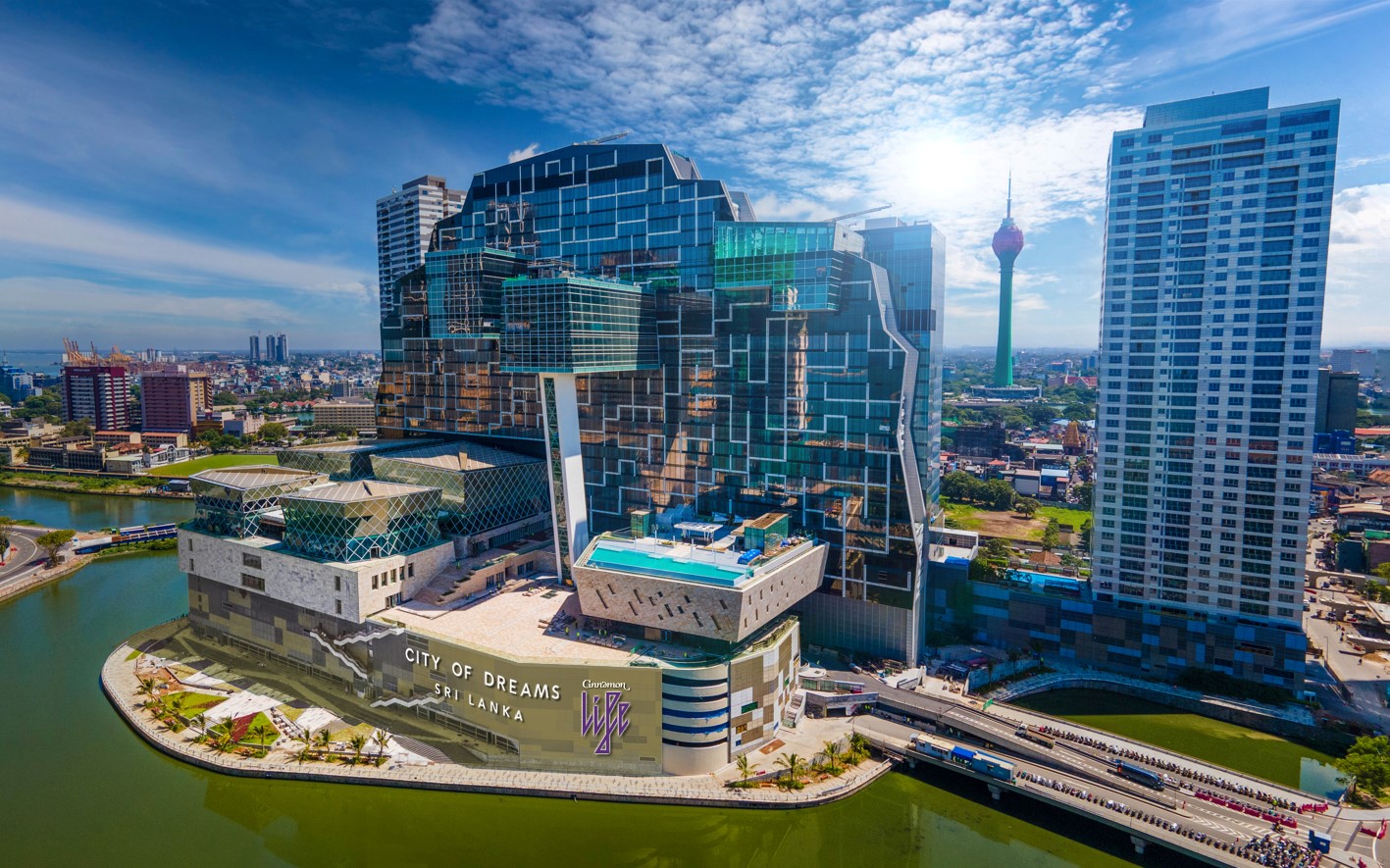
India and US Reschedule Trade Talks Following US Supreme Court Tariff Ruling
Stock Market News· 2026-02-22 07:38
Core Insights - India and the United States have postponed a critical three-day meeting of chief negotiators to evaluate recent developments in U.S. trade policy and their economic implications [2][9] - The U.S. Supreme Court's recent ruling has disrupted the tariff framework, impacting the negotiations for an interim trade agreement [4][9] - The new global tariff environment has rendered previously agreed-upon terms obsolete, prompting India to seek more competitive rates [6][9] Trade Negotiations - The Indian delegation was expected to finalize the legal text of an interim trade agreement, which is now delayed [2][3] - Commerce Minister Piyush Goyal had indicated a potential deal could be signed as early as March 2026, but the current situation has created uncertainty [3][10] - The U.S. remains India's largest trading partner, with bilateral trade totaling $186 billion in 2024–25 [10] Tariff Changes - The U.S. Supreme Court ruled that the President exceeded his authority in imposing tariffs, leading to a review of the previously agreed 18% reciprocal tariff framework [4][9] - President Trump announced a new 15% global tariff surcharge, which is limited to a 150-day period, creating a volatile policy environment [5][9] - The shift from a country-specific reciprocal framework to a broad global surcharge has forced negotiators to reconsider the terms of the agreement [5][6] Impact on Companies - Major Indian exporters and U.S. firms with significant manufacturing footprints are closely monitoring the situation, including Reliance Industries and Tata Consultancy Services [7] - U.S. tech giants like Apple and Amazon are also invested in the outcome as they seek stable supply chain corridors [7] Future Outlook - The coming weeks will be crucial as both nations attempt to find a mutually convenient date for rescheduled talks [11] - The focus remains on whether the Trump administration can maintain its protectionist agenda or if the Supreme Court's ruling will lead to a more traditional approach to trade diplomacy [11]
M-cap of six of top 10 most valued firms climbs Rs 63,000 crore; L&T, SBI biggest gainers
The Economic Times· 2026-02-22 05:50
Market Overview - The 30-share BSE Sensex increased by 187.95 points, or 0.22 percent, over the past week [1] Company Valuations - The market valuation of Larsen & Toubro rose by Rs 28,523.31 crore to Rs 6,02,552.24 crore [2][6] - State Bank of India (SBI) added Rs 16,015.12 crore to reach Rs 11,22,581.56 crore [2][6] - HDFC Bank's valuation climbed by Rs 9,617.56 crore to Rs 14,03,239.48 crore [2][6] - Life Insurance Corporation of India (LIC) increased by Rs 5,977.12 crore to Rs 5,52,203.92 crore [2][6] - Bajaj Finance's market capitalisation advanced by Rs 3,142.36 crore to Rs 6,40,387 crore [4][6] - Reliance Industries' valuation went up by Rs 202.99 crore to Rs 19,21,678.78 crore [4][6] Declines in Valuation - Bharti Airtel's market capitalisation fell by Rs 15,338.66 crore to Rs 11,27,705.37 crore [5][6] - ICICI Bank's valuation decreased by Rs 14,632.10 crore to Rs 9,97,346.67 crore [6] - Infosys' market capitalisation declined by Rs 6,791.58 crore to Rs 5,48,496.14 crore [6] - Tata Consultancy Services (TCS) dipped by Rs 1,989.95 crore to Rs 9,72,053.48 crore [6] Top Valued Firms - Reliance Industries remains the most-valued firm, followed by HDFC Bank, Bharti Airtel, State Bank of India, ICICI Bank, Tata Consultancy Services, Bajaj Finance, Larsen & Toubro, Life Insurance Corporation of India, and Infosys [6]