Deutsche Telekom

Search documents
The Trade Desk Transforms Digital Advertising With Deal Desk
ZACKS· 2025-06-10 13:11
Core Insights - The Trade Desk, Inc. (TTD) has launched Deal Desk, an innovative feature within its Kokai platform aimed at improving the management of digital advertising deals through AI technology [1][10] - Deal Desk addresses issues such as deal underperformance, transparency, and inefficient pacing in programmatic advertising [1][2] Group 1: Deal Desk Features - Deal Desk provides advertisers with Deal Quality Scores to evaluate the performance of their deals against the open marketplace and premium supply channels [4] - Publishers can create transparent deal proposals using new APIs or an intuitive user interface, with access to the same Deal Quality Scores for market insights [5] - The platform automates deal activation and prioritization, allowing for strategic planning and performance optimization, while offering flexibility for deal adjustments [6] Group 2: Industry Adoption and Performance - Disney is one of the first publishers to adopt Deal Desk, indicating strong industry support for the tool [7] - The Kokai platform has shown significant performance improvements for clients, including a 42% reduction in cost per unique reach and a 24% reduction in cost per conversion [11] - Clients utilizing Kokai are leveraging approximately 30% more data elements per impression, enhancing campaign effectiveness [12] Group 3: Market Trends and Challenges - More marketers are transitioning to the Kokai platform for better results, as evidenced by Deutsche Telekom's successful use of Kokai to grow its MagentaTV subscriber base [8][9] - However, rising economic uncertainty and trade tensions may impact TTD, potentially leading to tighter advertising budgets and slower programmatic ad demand [13]



Equativ 和 Sharethrough 今后将以 Equativ 品牌运营,巩固其全球领先端到端媒体平台地位
Globenewswire· 2025-06-09 12:33
Core Insights - Equativ has successfully integrated Sharethrough, doubling its scale within three years and enhancing its global reach, particularly in North America [1][2] - The merger has established Equativ as a leading independent media platform, trusted by thousands of brands and major advertising agencies [2][3] - The newly unified Equativ aims to provide a comprehensive media platform, Maestro by Equativ, which integrates planning, promotion, and optimization into a single solution [2][3] Company Developments - The integration of Sharethrough marks the culmination of a year-long process following Equativ's acquisition in June 2024 [1] - Equativ has formed strategic partnerships with key players like Deutsche Telekom and Titan OS, and acquired Kamino Retail, reinforcing its commitment to innovation and global impact [2] - The company emphasizes a user-centric approach, aiming to simplify the advertising technology stack while delivering quality media and performance [2][4] Industry Impact - The merger is seen as a critical step in enhancing sustainability, transparency, and creativity in advertising, addressing the fragmented ad tech landscape [3] - Industry leaders express optimism about the combined entity's potential to influence the future of programmatic media and deliver sustainable results [3] - Equativ's platform is designed to meet the evolving needs of advertisers and agencies, providing clarity and efficiency in execution [3][4]
21Shares Launches 21Shares Hedera ETP (HDRA) on Euronext
Globenewswire· 2025-06-03 07:00
Core Viewpoint - 21Shares AG has launched the 21Shares Hedera ETP, providing regulated access to Hedera's distributed ledger technology, which is designed for enterprise use and is energy-efficient [1][3]. Company Overview - 21Shares is one of the largest issuers of crypto exchange-traded products (ETPs) globally, aiming to bridge traditional finance and decentralized finance [6]. - The company has a track record of creating crypto ETPs since 2018 and offers a suite of products listed on major securities exchanges [6]. Product Details - The 21Shares Hedera ETP (Ticker: HDRA) is listed on Euronext Amsterdam and Euronext Paris, with a management fee of 2.50% [2]. - This ETP provides 100% physically backed exposure to HBAR, the native token of the Hedera network, allowing access through traditional bank or brokerage accounts [2]. Technology and Governance - Hedera's distributed ledger technology is characterized by a unique architecture and a strong governance model, supported by a global council of up to 39 institutions, including major companies like Google and IBM [3]. - The technology supports up to 500,000 transactions per second and is significantly more energy-efficient than traditional systems, consuming just 0.000003 kWh per transaction [4].

每周观察 | 预估2025年DCI市场产值或破400亿美元;1Q25新能源车销量突破400万辆;HBM4溢价幅度预估将突破30%
TrendForce集邦· 2025-05-23 04:06
Group 1: Data Center Interconnection and AI Impact - The global market value for Data Center Interconnection (DCI) is expected to grow at an annual rate of 14.3%, surpassing $40 billion by 2025, driven by the integration of generative AI into everyday applications [1] Group 2: New Energy Vehicle Sales - In the first quarter of 2025, global sales of new energy vehicles (including BEVs, PHEVs, and hydrogen fuel cell vehicles) reached 4.02 million units, marking a 39% year-on-year increase, with new energy vehicles accounting for 18.4% of total global car sales [3] Group 3: HBM4 Technology and Market Trends - The development of HBM (High Bandwidth Memory) technology is being propelled by demand from AI servers, with major manufacturers advancing HBM4 products. The increased complexity and size of HBM4 chips are expected to lead to a premium of over 30%, compared to approximately 20% for HBM3e at launch [7]
速递|AI搜索独角兽Perplexity推出AI手机售价数百美金,与德国电信运营商合作
Z Potentials· 2025-03-04 05:33
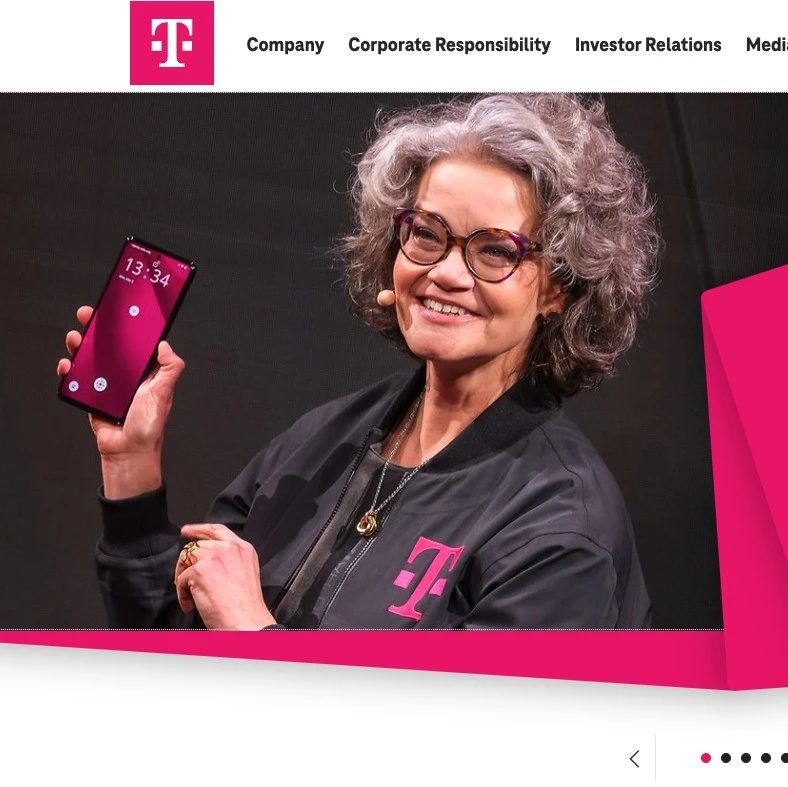
Core Viewpoint - Deutsche Telekom is developing an "AI Phone" in collaboration with companies like Perplexity and Picsart, aiming to integrate AI capabilities into a low-cost smartphone targeted at the European market, with a launch planned for the second half of this year and a price under $1000 by 2026 [1][2][4]. Group 1: Product Development - The AI Phone will feature a new AI assistant application called "Magenta AI," which will be available for existing Deutsche Telekom customers on Android and iOS devices [6]. - Perplexity, valued at approximately $9 billion, plays a crucial role in the phone's development, transitioning from a passive answering machine to an active assistant capable of performing tasks like booking flights and sending messages [2][3][7]. - The phone is expected to incorporate AI services from Google Cloud, ElevenLabs, and Picsart, enhancing user experience through proactive assistance [4][6]. Group 2: Market Context - The initiative reflects a broader trend among telecom operators to compete more effectively with tech giants like Apple and Google, who have historically dominated the smartphone market and limited telecom companies' roles [3][4]. - Deutsche Telekom's move into AI-driven hardware represents a strategic effort to strengthen its consumer presence in a highly competitive market, where traditional companies are increasingly viewing AI as a potential solution to regain market relevance [6][7]. - The collaboration with Perplexity marks a significant step for both companies, as they seek to differentiate themselves in a crowded market where even established players like LG have exited [7].
金融云应用的国际经验与监管研究|道口研究
清华金融评论· 2025-02-26 10:36
Core Viewpoint - Cloud computing is rapidly transforming the financial industry by enhancing service efficiency, reducing costs, and fostering innovation, but challenges related to security and regulatory compliance remain significant for financial institutions in China compared to their counterparts in the US and Europe [1][4]. Group 1: Cloud Computing in Financial Services - Cloud computing is defined as a shared pool of configurable resources accessed over the network, allowing for on-demand self-service and rapid elasticity [3]. - The global cloud computing market has grown from billions to hundreds of billions, with governments adopting "cloud-first" strategies [4]. - Financial institutions are increasingly viewing cloud services as essential for their technological capabilities, with many adopting hybrid models that combine public and private cloud services [4][5]. Group 2: Benefits and Challenges of Financial Cloud - The application of financial cloud services can lower costs, accelerate IT asset deployment, and enhance operational resilience [5]. - The COVID-19 pandemic has accelerated the adoption of financial cloud services, as institutions adapt to remote work and increased demand for digital products [5]. - Challenges include a lack of skilled professionals, data privacy concerns, and the risks associated with operational disruptions [5]. Group 3: Current State of Financial Cloud in the US - Major US tech companies like Microsoft, Amazon, and Google dominate the cloud service market, with large banks utilizing these services to optimize core business systems [8]. - Financial institutions are leveraging cloud technology for real-time data analysis, risk management, and customer service improvements [8]. - First Capital Bank became the first US bank to fully migrate to the cloud, enhancing its operational capabilities [8]. Group 4: Current State of Financial Cloud in Europe - In Europe, the same major US cloud providers dominate, with a significant increase in demand for cloud services since the pandemic [9]. - 21% of European banks consider cloud adoption a strategic priority to enhance competitiveness [9]. - Institutions like Deutsche Bank and OakNorth Bank are actively utilizing cloud services for online banking and loan provision, demonstrating profitability and efficiency [9]. Group 5: Regulatory Framework for Financial Cloud - The US has detailed and strict regulations for cloud service providers and financial cloud usage, with the Treasury Department assessing risks associated with technology services [11].