
LV

Search documents
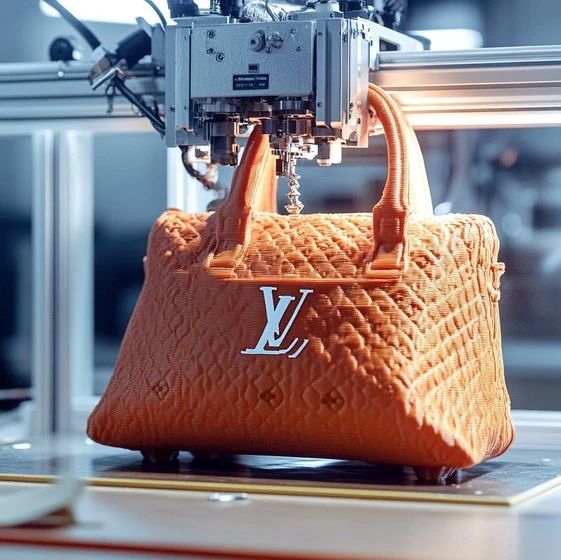
奢侈品自由不是梦:自制一个LV包,成本不到20块?
虎嗅APP· 2025-03-15 03:26
Core Viewpoint - The article discusses the emerging trend of using 3D printing technology to create luxury brand replicas at a significantly lower cost, enabling individuals to produce high-end fashion items at home [2][4][6]. Group 1: 3D Printing Technology in Fashion - 3D printing is a rapid prototyping technology that allows users to create three-dimensional objects by adding materials layer by layer based on digital models [5][6]. - The process of creating luxury items like LV bags can be done at home for as little as 20 yuan, making it accessible to a wider audience [4][6]. - Various luxury items, including Chanel and Gucci bags, can be replicated using 3D printing, showcasing the versatility of this technology in the fashion industry [7][8]. Group 2: Materials and Techniques - Common materials used in 3D printing include PLA (polylactic acid) and TPU (thermoplastic polyurethane), each with distinct properties suitable for different applications [12][17]. - PLA is biodegradable and easy to work with but lacks durability, while TPU offers better flexibility and strength, making it suitable for functional items [18][19]. - The cost of materials is relatively low, with PLA priced around 55 yuan per kilogram, allowing for affordable production of 3D printed items [15][18]. Group 3: DIY Culture and Community - The rise of 3D printing has fostered a DIY culture where individuals can create their own fashion items, leading to a community of enthusiasts sharing designs and techniques [25][26]. - Apps like "Bambu Handy" provide access to open-source models and tutorials, making it easier for beginners to start 3D printing [25][26]. - The trend has sparked interest in personalized and unique fashion items, allowing users to express their creativity and style [27][28]. Group 4: Industry Implications - Major fashion brands are also exploring 3D printing for their collections, with designers using the technology to create innovative and complex designs that were previously difficult to achieve [29][30]. - The ability to produce items quickly and with less waste aligns with the growing demand for sustainable fashion practices [30][41]. - 3D printing is seen as a way to enhance customization and reduce production times, which can be beneficial for brands looking to respond to market trends rapidly [41][42].


黄金珠宝奢侈品运营情况更新 - 高端商圈运营专家交流
2025-03-09 13:19
Summary of Conference Call on Luxury Jewelry Industry Company and Industry Overview - The conference call primarily discusses the performance of the luxury jewelry brand "Lao Pu" and its position within the broader luxury goods market, particularly in the context of gold jewelry and other luxury brands [1][2]. Key Points and Arguments Sales Performance - Lao Pu's sales in January and February 2025 showed significant year-on-year growth, with some shopping districts experiencing increases of 55% to 65%, outperforming the overall market growth rate of 35% to 42% [3][4]. - However, due to base effect, the expected growth rate for March 2025 is projected to decline to 25% to 28% [4][7]. - The overall marketing expenses for the year are expected to decrease, with price increases contributing approximately 60% to 70% of the sales growth [4][7]. Competitive Landscape - Other brands like Chow Tai Fook and Chow Sang Sang have reported year-on-year declines in sales, while luxury brands such as Van Cleef & Arpels have seen growth due to inventory control strategies [4][5]. - Notably, brands like Cartier, Tiffany, and Bulgari have experienced varying degrees of sales decline, while LV benefited from collaborations and price increases [5][6]. Customer Demographics and Behavior - Lao Pu's core customer spending is concentrated between 8,000 to 16,000 RMB, with over 60% of customers falling within this range [4][9]. - The overlap of Lao Pu's customer base with international jewelry brands has increased from 16% in 2023 to nearly 38% in 2024, indicating a growing acceptance among high-spending consumers [10][11]. - The brand's customer base exhibits a tiered structure, with high-end consumers less affected by economic downturns compared to lower-tier consumers [12]. Expansion Plans - Lao Pu plans to open three new stores in cities such as Wuhan, Chengdu, and Qingdao, aiming to increase its total number of stores from 10 to 20-25 [13][20]. - The brand's current store leases typically last five years, making adjustments to existing locations more complex [14]. Market Positioning - Lao Pu's main competitors are domestic brands like Chow Tai Fook and Chow Sang Sang, but it struggles to capture market share from established high-end brands like Van Cleef & Arpels and Cartier [22]. - The brand's performance is notable given the overall market conditions, with Lao Pu ranking among the top 50 or 30 brands managed by the company [7]. Other Brands' Performance - Chow Sang Sang has over 30 stores and is still in a growth phase, but its core projects have low contribution ratios, resulting in a modest sales decline of 3% to 5% [24]. - The overall jewelry market is experiencing a downturn, with many brands facing sales declines due to high base effects from previous years [5][24]. Additional Important Insights - The luxury goods market has seen a shift in store location strategies, with brands reassessing their expansion plans and site selections post-2021 peak [16]. - Lao Pu's customer base is increasingly overlapping with mid-tier luxury brands rather than top-tier brands like Chanel or LV, indicating a shift in consumer preferences [19]. - The expected sales growth for the first quarter of 2025 is around 20%, which is considered a strong performance given the current market conditions [31]. This summary encapsulates the key insights from the conference call, highlighting the performance, competitive landscape, customer demographics, and future plans of Lao Pu within the luxury jewelry industry.
冲进千元的国产女包,到底谁在买?
盐财经· 2025-03-08 10:06
Core Viewpoint - The article discusses the shift in consumer behavior from international luxury brands to domestic handbag brands, highlighting the rise of affordable yet high-quality options that appeal to a more practical and aesthetic sensibility among consumers [4][6][9]. Group 1: Consumer Behavior Shift - Consumers who previously favored international luxury brands are now opting for domestic handbags, especially as brands like COACH and MK reduce prices while domestic brands increase their prices to around 1,000 yuan [6][18]. - The trend reflects a broader consumer sentiment of "demystifying" luxury brands, with many individuals seeking practicality and quality over brand prestige [6][9]. - The rise of domestic brands is characterized by their ability to offer products that appear luxurious without the high price tag, appealing to a demographic that values both aesthetics and functionality [9][10]. Group 2: Market Dynamics - The domestic handbag market has seen significant growth, with brands like 山下有松 (Songmont) and 古良吉吉 (Gulianjiji) achieving notable sales figures, such as 山下有松 surpassing 100 million yuan in overall sales [18][24]. - The price range for domestic handbags has shifted, with the 1,000-1,999 yuan segment now accounting for 40.4% of the market share, indicating a rapid growth in this price category [18][19]. - The competitive landscape is becoming crowded, with over 40 domestic handbag brands gaining traction on social media platforms, reflecting a shift in consumer preferences towards local products [19][24]. Group 3: Brand Positioning and Storytelling - Domestic brands are increasingly focusing on storytelling and brand narratives to enhance their appeal, with many brands leveraging cultural and artisanal elements in their marketing [23][24]. - The average price of products from brands like 山下有松 has risen to around 1,550 yuan, with some items reaching up to 3,900 yuan, indicating a strategic shift towards higher-end positioning [24][30]. - The emergence of a "knowledgeable" consumer base that values design and cultural significance is driving brands to refine their offerings and marketing strategies [24][26]. Group 4: Challenges and Future Outlook - Despite the growth, domestic brands face challenges such as rising production costs and the need for innovation in design to differentiate themselves from competitors and counterfeit products [26][28]. - The increasing marketing costs and brand collaborations with celebrities may lead to consumer skepticism regarding price increases, as some consumers feel that the value proposition is diminishing [25][26]. - The long-term sustainability of these brands will depend on their ability to maintain quality while managing consumer expectations and market dynamics [26][30].
晚点财经丨微软给用户更多理由回到Windows;现在去日本买东西没那么划算了
晚点LatePost· 2024-05-22 01:02
微软给用户更多理由回到 Windows 现在去日本买东西没那么划算了 微软 CEO 纳德拉认为,AI PC 让 Windows 得以重燃与 Mac 的竞争。过去多年,更强的性能和功耗表现帮 助 Mac 抢夺了 Windows 不少份额,并且成为部分办公用户的最优选。 麦肯锡看到了更具体的消费分化 投行觉得黄金可以冲到 3000 美元 关注《晚点财经》并设为星标,第一时间获取每日商业精华。 微软给用户更多理由回到 Windows 当地时间 5 月 20 日,微软在一年一度的 Build 开发者大会开幕前夕,联合戴尔、联想、宏碁、华硕、惠 普和三星等头部 PC 品牌开了场新品发布会。 这些新电脑通通配置了高通新款 Snapdragon X Elite 芯片、一个可以一键唤醒 AI 助手的新按键,以及去年 Build 大会的主角 —— Copilot,微软为它们统一起了个拗口的名字 "Copilot+ PC"。 微软试图借这次发布给 AI PC 下定义——有 CPU、GPU 和 NPU(神经处理单元),每秒钟能执行 40 万 亿次计算(TOPS),至少有 16GB RAM 和 256 GB SSD 内存。按照这个标 ...