
Vanguard

Search documents
Should You Boost Your Allocation to Growth ETFs Now?
ZACKS· 2025-11-24 14:46
Core Insights - November has been a volatile month for the S&P 500, with the index down approximately 3.7%, causing investor uncertainty about the economy's near-term direction. However, upgraded growth forecasts from institutions, driven by strong earnings growth and productivity gains from AI adoption, suggest a more positive economic outlook [1][4][7] Economic Outlook - Rising expectations for a Federal Reserve rate cut in December, along with optimism for a rebound in the AI sector, contribute to an improving economic outlook [2][3] - Morgan Stanley projects the S&P 500 to reach 7,800 by the end of 2026, representing an increase of about 18.13% from current levels, supported by strong earnings growth and productivity boosts from AI [4] - UBS forecasts the S&P 500 to reach 7,500 by the end of next year, bolstered by strong corporate earnings and resilience in the tech sector [5] Market Activity - U.S. equity funds have seen inflows for five consecutive weeks, with a net inflow of $4.36 billion in the week ending November 19, nearly four times the previous week's inflow of approximately $965 million, as investors focus on strong third-quarter earnings [6] Investment Opportunities - Investors are encouraged to explore growth ETFs that offer exposure to high-growth potential stocks, particularly during market uptrends [8] - Several growth-focused ETFs are highlighted, including: - Vanguard Growth ETF (VUG) with an asset base of $196.85 billion, gaining 25.54% over the past year [9][10] - iShares Russell 1000 Growth ETF (IWF) with an asset base of $121.09 billion, gaining 25.30% over the past year [11][12] - iShares S&P 500 Growth ETF (IVW) with an asset base of $64.71 billion, gaining 26.67% over the past year [13][14] - SPDR Portfolio S&P 500 Growth ETF (SPYG) with an asset base of $43.67 billion, gaining 26.84% over the past year [14][15] - iShares Core S&P U.S. Growth ETF (IUSG) with an asset base of $25.25 billion, gaining 25.63% over the past year [16]

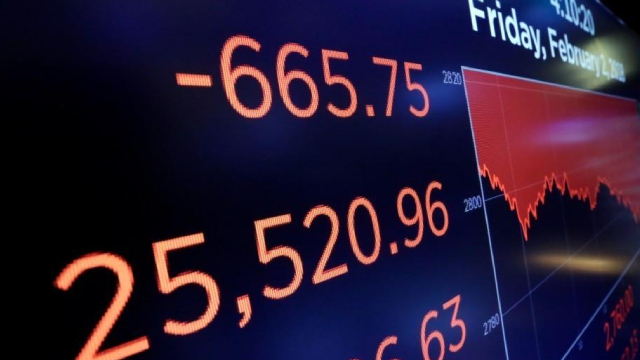
Three Vanguard ETFs Poised for Outsized Gains
Yahoo Finance· 2025-11-24 13:02
Core Viewpoint - Growth stocks are expected to continue leading the market, particularly with the ongoing advancements in artificial intelligence (AI), presenting potential investment opportunities in top exchange-traded funds (ETFs) [2]. Group 1: Vanguard Growth ETF - The Vanguard Growth ETF (VUG) focuses on the growth segment of the S&P 500, excluding value-oriented stocks, and includes 160 top growth companies [3]. - The ETF has delivered an average annual return of 17.4% over the past decade and 31.6% over the last three years [4]. Group 2: Vanguard Mega Cap Growth ETF - The Vanguard Mega Cap Growth ETF (MGK) targets U.S. megacap growth stocks, holding 66 stocks with the smallest market capitalization just below $70 billion [5]. - Approximately 70% of the portfolio is invested in technology stocks, with significant exposure to leading AI stocks, despite Amazon and Tesla being classified as consumer discretionary [6]. - The ETF has achieved an average annual return of 18.3% over the past decade and 33.2% over the last three years [6]. Group 3: Vanguard Information Technology ETF - The Vanguard Information Technology ETF (VGT) has been the best performer over the past decade, with a cumulative return of 691%, translating to an average annual return of nearly 23% [7]. - The ETF focuses exclusively on tech stocks, with top holdings including Nvidia, Apple, and Microsoft, which together account for 45% of the portfolio, with Nvidia alone representing over 18% [8]. - Despite its strong performance, the ETF does not include some major AI stocks like Alphabet and Amazon [8]. Group 4: Investment Strategy - These Vanguard ETFs are positioned to outperform if growth stocks maintain their market leadership, particularly in the context of AI advancements [9].
Should State Street SPDR Portfolio S&P 500 Growth ETF (SPYG) Be on Your Investing Radar?
ZACKS· 2025-11-24 12:21
Core Insights - The State Street SPDR Portfolio S&P 500 Growth ETF (SPYG) is a large-cap growth ETF with over $43.33 billion in assets, making it one of the largest in its category [1] - Large cap companies, defined as those with market capitalizations above $10 billion, are considered more stable and less volatile compared to mid and small cap companies [2] - Growth stocks, while having higher sales and earnings growth rates, come with higher valuations and risks compared to value stocks [3] Costs - SPYG has an annual operating expense of 0.04%, making it one of the least expensive ETFs in the market [4] - The ETF offers a 12-month trailing dividend yield of 0.55% [4] Sector Exposure and Top Holdings - The ETF has a significant allocation of approximately 43% to the Information Technology sector, followed by Telecom and Consumer Discretionary [5] - Nvidia Corp (NVDA) constitutes about 14.9% of total assets, with the top 10 holdings making up around 55.13% of total assets [6] Performance and Risk - SPYG aims to match the performance of the S&P 500 Growth Index and has gained about 17.17% year-to-date and approximately 19.54% over the past year [7] - The ETF has a beta of 1.11 and a standard deviation of 18.63% over the trailing three-year period, indicating a medium risk profile [8] Alternatives - SPYG holds a Zacks ETF Rank of 1 (Strong Buy), indicating strong potential for investors seeking large cap growth exposure [10] - Other alternatives include the Vanguard Growth ETF (VUG) and Invesco QQQ (QQQ), with VUG having $193.69 billion in assets and QQQ at $386.22 billion [11] Bottom-Line - Passively managed ETFs like SPYG are gaining popularity due to their low cost, transparency, and tax efficiency, making them suitable for long-term investors [12]




Is Wall Street’s $5.4B MSTR Dump Behind Bitcoin’s Price Plunge?
Yahoo Finance· 2025-11-24 10:32
Why did Wall Street dump so much MSTR? | Source: Image created with Gemini Key Takeaways Institutional investors slashed their Strategy exposure by $5.38 billion in Q3 2025. MSTR is increasingly being used as a proxy hedge for Bitcoin, according to Tom Lee. Bitcoin remains in a bearish trend. U.S. institutional investors cut their exposure to MicroStrategy (MSTR) by roughly $5.38 billion between the end of the second and third quarters of 2025, according to aggregated 13F filings. The data comes ...

If I Could Choose Only 1 ETF to Buy and Hold Forever, This Would Be It
The Motley Fool· 2025-11-24 08:15
Core Viewpoint - The Vanguard Total Stock Market ETF (VTI) is recommended as a strong investment option, particularly in light of potential market downturns, due to its broad market exposure and historical performance. Group 1: Market Context - The S&P 500 has declined by over 4% since late October, reflecting a general market downturn [1] - More than 40% of investors are currently bearish about the market outlook for the next six months [1] Group 2: ETF Characteristics - The Vanguard Total Stock Market ETF includes 3,531 stocks across various market capitalizations and industries, providing comprehensive market exposure [4] - This ETF is designed to follow the overall market, increasing the likelihood of recovery during market downturns [5][11] Group 3: Advantages of Total Stock Market ETFs - Total stock market ETFs offer maximum diversification, including small- and mid-cap stocks, which can lower investment risk [6] - Compared to S&P 500 ETFs, the Vanguard Total Stock Market ETF has a lower concentration in tech stocks, potentially reducing volatility [6] - The ETF has historically shown greater stability than growth-focused ETFs, making it suitable for risk-averse investors [6] Group 4: Historical Performance - Since its launch in 2001, the Vanguard Total Stock Market ETF has achieved a total return of over 464%, outperforming the S&P 500 slightly [7][9] - An initial investment of $5,000 in 2001 would have grown to over $28,000 today, demonstrating its strong long-term performance [9] - The ETF has successfully navigated various market crises, including the dot-com bubble, the Great Recession, and the COVID-19 crash, while still providing positive returns [10]

X @Wu Blockchain
Wu Blockchain· 2025-11-24 07:28
According to CryptoSlate, multiple institutions actively reduced their exposure to MicroStrategy (MSTR) in Q3 2025, cutting positions by about $5.4 billion. Notably, Bitcoin stayed near $95,000 and MSTR shares were largely flat, indicating these moves were not forced liquidations but deliberate reallocations. Major players including Capital International, Vanguard, BlackRock, and Fidelity all made significant reductions.https://t.co/SxVXl2nI0l ...
海外创新产品周报:Calamos发行纳指雪球ETF-20251124
Shenwan Hongyuan Securities· 2025-11-24 07:14
1. Report Industry Investment Rating - Not provided in the report 2. Core Viewpoints of the Report - The number of newly issued US ETF products increased significantly last week, with Calamos issuing a Nasdaq Snowball ETF. The US ETF market shows a decrease in investors' risk preference, and pharmaceutical products have performed well. The US general public - offering funds have seen large - scale outflows from domestic stock funds and small - scale inflows into bond products [1] 3. Summary According to the Directory 3.1 US ETF Innovation Products: Calamos Issues Nasdaq Snowball ETF - Last week, 43 new US ETF products were issued, including 13 individual - stock related products and 7 digital - currency related products. YieldMax's new Performance & Distribution Target 25 series aims for a 25% annual dividend, and GraniteShares' YieldBOOST series issued 2 industry - themed leveraged ETF products [6][8] - Vanguard issued 3 active equity ETFs in cooperation with Wellington, First Trust issued a stock - bond - commodity hybrid ETF, and T. Rowe Price issued 4 bond ETFs. Calamos issued a Nasdaq 100 - linked snowball ETF, which aims for a 35% volatility target and reduces knock - in risk through diversified investment [9] 3.2 US ETF Dynamics 3.2.1 US ETF Funds: Decrease in Risk Preference - In the past week, the inflow of US ETFs exceeded $30 billion. Despite the poor performance of many assets, stock products still had large inflows, while Bitcoin ETFs continued to see outflows. Vanguard's S&P 500 ETF ranked first in inflows, and Nasdaq ETFs and small - cap ETFs had large outflows, indicating a decrease in risk preference [10][13] 3.2.2 US ETF Performance: Pharmaceutical Products Perform Well - Recently, the pharmaceutical sector has been the second - highest - rising sector in the US (after raw materials). Biotech products have increased by over 20% this year, and broad - based pharmaceutical products generally have returns of over 10% [16] 3.3 Recent Capital Flows of US General Public - Offering Funds - In September 2025, the total amount of non - money public - offering funds in the US was $23.47 trillion, an increase of $0.49 trillion from August. The S&P 500 rose 3.53% in September, and the scale of domestic stock products increased by 2.13%, but the redemption pressure increased. Last week, domestic stock funds continued to see outflows of around $20 billion, with nearly $600 billion in outflows this year, while bond products had small - scale inflows [1][20]
“币圈-AI-美股”铁索连江,“免费钱”时代终结,所有人都盯着“币圈何时企稳”
Sou Hu Cai Jing· 2025-11-24 03:42
Core Viewpoint - The end of the "free money" era is leading to significant market volatility, particularly affecting the Nasdaq index and technology sectors, as companies can no longer rely on announced spending plans to drive stock prices higher [1][4]. Group 1: Market Dynamics - The Nasdaq 100 index has recently dropped over 3%, while the S&P 500 has only seen a decline of 0.9%, indicating that the pain is concentrated in technology and high-growth sectors [1]. - Bitcoin experienced a dramatic sell-off from $122,000 to $105,000, impacting not only crypto assets but also creating liquidity pressures across broader stock portfolios [1]. - The correlation between cryptocurrencies, AI infrastructure, and passive investment funds in the U.S. stock market has intensified, creating a precarious situation for investors [3]. Group 2: Investment Behavior - Investors are increasingly viewing Bitcoin's performance as a barometer for future risk appetite, with many believing that a recovery in Bitcoin could signal a rebound in the stock market by year-end [4][12]. - The "free money" effect previously allowed companies to create shareholder wealth by simply announcing spending, particularly in AI and data center construction, but this is no longer translating into stock price increases [4]. - Digital asset reserve companies (DATs) like MicroStrategy (MSTR) have seen their valuations decline as the market questions the returns on their significant investments in cryptocurrencies [5]. Group 3: Passive Investment Impact - The rise of passive investment has complicated the market landscape, with a significant portion of funds flowing into a few companies, including MSTR, which is heavily held by major passive investment firms [6]. - The potential inclusion of DATs in major stock indices like MSCI could either prevent forced selling or trigger significant sell-offs depending on the decision made [8]. Group 4: Wealth Effect and Liquidity - Bitcoin's market cap has fallen from approximately $2.5 trillion to $1.85 trillion, resulting in a loss of $650 billion in wealth, which is negatively impacting the "wealth effect" in the market [9]. - The correlation between crypto assets and traditional stocks has increased, leading to a situation where declines in crypto necessitate selling off liquid assets like tech stocks to raise cash [9]. Group 5: Macroeconomic Considerations - The Federal Reserve faces uncertainty regarding its policy path, with market expectations for interest rate cuts fluctuating significantly [10]. - The end of the "free money" era may lead to a slowdown in AI data center spending, potentially cooling the economy and providing the Fed with justification for rate cuts [10]. - If cryptocurrencies do not stabilize, the resulting liquidity tightening and wealth reduction could adversely affect not only tech stocks but also broader economic growth [10].
The Vanguard 500 Index Fund ETF (VOO) Offers Broader Exposure While the Vanguard Growth Index Fund ETF (VUG) Delivers Higher Growth
Yahoo Finance· 2025-11-23 22:27
Core Insights - The Vanguard Growth ETF (VUG) focuses on growth stocks, particularly in technology, while the Vanguard S&P 500 ETF (VOO) offers broader exposure to large-cap U.S. stocks with a higher dividend yield [2][3] Cost & Size Comparison - VUG has an expense ratio of 0.04% and AUM of $357.4 billion, while VOO has a lower expense ratio of 0.03% and AUM of $1.5 trillion [4] - The 1-year return for VUG is 18.0%, compared to VOO's 12.3%, and VUG has a dividend yield of 0.4% versus VOO's 1.2% [4][5] Performance & Risk Analysis - Over the past five years, VUG experienced a maximum drawdown of -35.62%, while VOO had a drawdown of -24.52% [6] - An investment of $1,000 in VUG would have grown to $2,008, while the same investment in VOO would have grown to $1,866 [6] Portfolio Composition - VOO invests in all 505 companies of the S&P 500, with significant allocations in technology (36%), financial services (13%), and consumer cyclical (11%), featuring top holdings like NVIDIA, Apple, and Microsoft [7] - VUG has a more aggressive tilt towards growth, with 52% of its portfolio in technology and higher weightings in its top holdings, which include NVIDIA, Apple, and Microsoft [8] Investment Appeal - VOO is designed for investors seeking broad, low-cost U.S. equity exposure, while VUG may appeal to those looking for higher returns with a willingness to accept more volatility [9][10]
Here’s why you ought to seriously consider taking Social Security at 62. Even if the 'basic' math suggests otherwise
Yahoo Finance· 2025-11-23 14:37
Core Insights - The article discusses the complexities of deciding when to claim Social Security benefits, emphasizing the importance of considering longevity risk and opportunity cost in retirement planning [3][4][6]. Summary by Sections Social Security Claiming Age - Individuals can start claiming Social Security benefits at age 62, with full retirement age (FRA) between 66 and 67, and can delay benefits until age 70 [5]. - Delaying benefits can increase monthly payments by up to 8% per year according to the Social Security Administration [4][5]. Breakeven Age Analysis - The breakeven age is the point at which cumulative benefits from delaying Social Security exceed those from claiming earlier. For someone eligible for $2,000 per month at FRA of 67, the breakeven age is around 78 years and eight months if claimed at 62 [1][8]. - If the individual waits until age 70, the breakeven age rises to approximately 80 years and five months [1]. Longevity and Risk - Estimating longevity is uncertain, with average life expectancy in the U.S. around 78.4 years, but individual outcomes can vary significantly [2]. - If an individual passes away before age 70, they may receive no benefits despite years of contributions [2][3]. Opportunity Cost Considerations - The analysis of delaying benefits often overlooks the time value of money and opportunity costs associated with accessing and investing earlier benefits [6][7]. - For example, if an individual retires at 62 but delays claiming until 67, they may need to withdraw from savings, forgoing potential investment returns [6][8]. Adjusted Breakeven Age - When factoring in opportunity cost, the breakeven age can extend significantly. For instance, with a 5% annual return on investments, the breakeven age could rise to approximately 88 years and eight months [8]. - If the expected return is 8% annually, the breakeven point may not be reached within a typical lifespan, suggesting that claiming benefits earlier while keeping retirement savings invested could yield better financial outcomes [9]. Financial Strategies - To mitigate opportunity costs, retirees may consider maintaining a significant emergency fund or utilizing a home equity line of credit (HELOC) to avoid early withdrawals from investments [10][12]. - A high-yield account can help grow emergency funds, offering competitive interest rates and easy access to cash [11]. Professional Financial Advice - Given the complexities and uncertainties in retirement planning, working with a qualified financial advisor can help individuals account for various factors such as inflation, healthcare costs, and spending needs [14][16]. - Companies like Vanguard offer personalized advisory services to assist in creating tailored retirement plans [15][16].