
Honda

Search documents
SES AI (NYSE:SES) FY Conference Transcript
2026-01-16 14:02
SES AI (NYSE:SES) FY Conference Summary Company Overview - **Company**: SES AI - **Industry**: Battery Technology - **Focus**: Accelerating energy transition through AI, specializing in lithium metal battery chemistry and energy storage solutions Key Points Industry and Market Insights - The energy storage system (ESS) market is projected to be over **10 times** the size of the electric vehicle (EV) market [2][3] - The battery markets for ESS and drones are expected to experience significant growth [3] - The company is uniquely positioned due to over a decade of experience in battery technology and AI integration [2] Financial Performance - In the first three quarters of 2025, SES AI reported a revenue of **$16.4 million** and provided guidance of **$22.5 million** for the full year [3] - The company anticipates doubling its revenue in 2026 compared to 2025 [34] Product Development and Innovations - SES AI has developed a platform called **Molecular Universe**, which focuses on material discovery and battery health management [3][6] - The company has made **six breakthroughs** in battery materials, enhancing performance for various applications including EVs, drones, and consumer electronics [8][9] - The company has established three business units focusing on ESS, drones, and materials to drive revenue generation [6][12] Strategic Partnerships and Acquisitions - SES AI acquired **UZ**, a company with strong hardware capabilities, to enhance its ESS offerings [7][18] - The partnership with **HySun** aims to commercialize materials discovered through Molecular Universe [9][27] Market Opportunities - The company sees military drones and data centers as the most exciting market opportunities [13][14] - SES AI is focusing on **NDAA-compliant** cells, which are priced **2 to 3 times** higher than non-compliant cells [15][16] - The company is targeting about **100 key accounts** for NDAA-compliant cells, focusing on larger clients rather than numerous small accounts [16] Technology and Competitive Advantage - SES AI's **Molecular Universe** is the first AI for science platform that has made actual breakthroughs in material discovery, unlike other platforms that are still in development [9][11] - The company emphasizes the importance of having a combination of model, data, and domain expertise to succeed in the AI for science space [11] Future Outlook - SES AI aims to create a closed-loop system integrating hardware and software solutions for data centers and commercial applications [17][18] - The company plans to leverage its software for recurring revenue through updates and maintenance subscriptions [23] - SES AI is confident in its ability to achieve break-even cash flow within the next **one to two years** [34] Conclusion - The battery industry is undergoing a significant transition, with SES AI focusing on ESS, drones, and materials as key growth areas [34] - The integration of AI with battery technology presents a unique opportunity for SES AI to capitalize on emerging market trends and drive innovation in energy storage solutions [34]

Asian Markets Track Wall Street Mostly Higher
RTTNews· 2026-01-16 03:02
Market Overview - Asian stock markets are mostly higher, driven by positive cues from Wall Street and easing geopolitical concerns regarding the U.S. and Iran [1] - The Australian stock market is modestly higher, continuing gains from the previous sessions, with the S&P/ASX 200 nearing the 8,900 level [2] - The Japanese market is notably lower, with the Nikkei 225 falling to 53,874.59, down 235.91 points or 0.44 percent [7] Australian Market Details - The S&P/ASX 200 Index gained 30.50 points or 0.34 percent to 8,892.20, after a low of 8,855.60 [3] - Major miners like Fortescue and Rio Tinto are gaining almost 1 percent, while BHP Group and Mineral Resources are losing almost 1 percent [4] - Oil stocks are weak, with Santos down almost 1 percent and Woodside Energy declining more than 1 percent [4] Technology Sector - In the tech sector, Afterpay-owner Block is losing almost 1 percent, while WiseTech Global is gaining almost 1 percent [5] - Appen is surging more than 10 percent after reporting that 4 million performance rights lapsed on December 31, 2025 [5] Japanese Market Details - SoftBank Group is gaining more than 1 percent, while Fast Retailing is down more than 1 percent [8] - Among automakers, Toyota is edging down 0.4 percent and Honda is declining more than 1 percent [8] - In the banking sector, Mizuho Financial is gaining more than 1 percent [9] Other Asian Markets - South Korea and Taiwan are up 1.0 and 1.5 percent, respectively, while New Zealand, China, Hong Kong, and Singapore are higher by 0.1 to 0.5 percent [12] Wall Street Performance - On Wall Street, major averages ended the day in positive territory, with the Dow advancing 292.81 points or 0.6 percent to 49,442.44 [14] - The Nasdaq climbed 58.27 points or 0.3 percent to 23,530.02, and the S&P 500 rose 17.87 points or 0.3 percent to 6,944.47 [14] Commodity Prices - Crude oil prices fell significantly, with West Texas Intermediate crude down $2.83 or 4.56 percent at $59.19 per barrel [15]



跨界SUVs产业链分析报告(龙头企业及行业最新趋势)
QYResearch· 2026-01-14 09:48
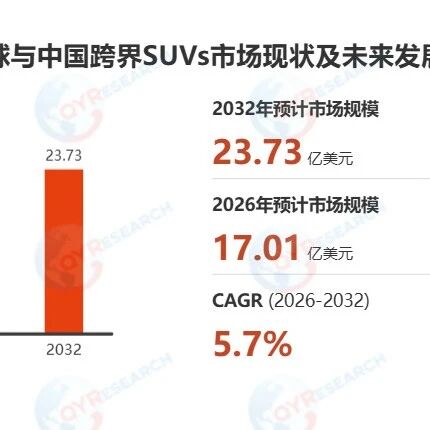
Core Viewpoint - Crossover SUVs combine the dynamic performance of traditional sports cars with the spacious practicality of typical SUVs, offering a harmonious blend of agile handling and ample interior space, making them versatile vehicles for both urban commuting and weekend adventures [1] Industry Chain Analysis Upstream - Structural materials such as steel and aluminum alloys are crucial in the crossover SUV industry chain, impacting vehicle lightweighting, strength, and safety, which in turn affects overall performance and driving experience [4] - High-strength steel and hot-formed steel are core materials for the body and chassis of crossover SUVs, providing high compressive strength while reducing weight to enhance fuel economy and performance [4] - The application of aluminum alloys is increasing in crossover SUVs, contributing to weight reduction and improved fuel efficiency, with collaborations between global aluminum giants and automakers driving this trend [4] - In the power system materials sector, battery materials like lithium, cobalt, and nickel are critical for the performance and market pricing of new energy crossover SUVs, with China dominating the global supply chain for these materials [5] - The price fluctuations of key materials, such as lithium carbonate, significantly impact the cost and pricing strategies of new energy crossover SUVs [5] - The battery production market is highly concentrated, with leading companies like CATL and BYD holding over 75% market share, driving vertical integration in the new energy industry chain [5] - Intelligent materials and components, including automotive-grade chips and sensors, are essential for the smart capabilities of crossover SUVs, enhancing features like autonomous driving and vehicle connectivity [6][7] Midstream - Large crossover SUVs are the largest segment, focusing on spaciousness and strong performance, suitable for family travel and high load capacity [9] - Mid-size crossover SUVs are the most representative and popular segment, balancing space, fuel economy, and handling, making them ideal for family use [10] - Compact crossover SUVs are the most widely accepted models, offering advantages in size, price, and usability, making them the mainstay of the SUV market [11] Downstream - Crossover SUVs are a major driver in the personal consumption market, combining the comfort of sedans with the practicality of SUVs, making them ideal for families and weekend trips [13] - In commercial use, crossover SUVs are increasingly adopted for executive vehicles and rental services, providing comfort and operational efficiency [14] Leading Companies in the Industry Subaru - Subaru focuses on passenger cars and SUVs, emphasizing technology innovation and user experience, with a diverse product lineup including compact, mid-size, and large SUVs [15][16] Kia - Kia offers a comprehensive range of crossover SUVs, emphasizing design, performance, and practicality, with models catering to various market needs [18][19] Hyundai - Hyundai has developed a diverse lineup of crossover SUVs, focusing on user needs and technological innovation, including electric and hybrid models [21][22] Toyota - Toyota's crossover SUV lineup is extensive, catering to various user needs with a focus on comfort, capability, and efficiency across different segments [24] Honda - Honda's crossover SUV range is designed to meet diverse user needs, balancing practicality, efficiency, and advanced safety features [27][28] Development Trends and Opportunities Development Trends - The crossover SUV industry is experiencing deepening technological integration, practical powertrain strategies, and innovative product forms, with a shift towards multi-functional vehicles [30][31] Development Opportunities - Structural changes in the crossover SUV industry present differentiated opportunities for both new and established companies, particularly in smart ecosystems and market segmentation [32][33] Challenges - The crossover SUV industry faces significant challenges, including intense competition from established players, high R&D costs, and the need for technological innovation [34][35] - Supply chain uncertainties and the need for brand trust in new entrants pose additional challenges [36]
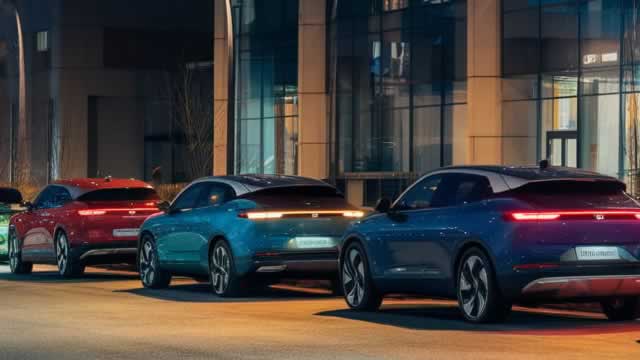
Sony Honda Mobility unveils new EV prototype at CES (SONY:NYSE)
Seeking Alpha· 2026-01-06 06:58
Group 1 - The article does not provide any relevant content regarding company or industry insights [1]


What To Expect At CES 2026: Nvidia, AMD, Joby, Archer, D-Wave And More
Benzinga· 2026-01-05 20:02
Core Insights - CES 2026 is set to showcase advancements in physical AI and robotics, emphasizing real-world applications of AI technology [1][2] Group 1: AI Trends - The focus at CES 2026 has shifted from cloud-based solutions to on-device and agentic AI, with devices now capable of proactively completing tasks [2] - The concept of the "Zero Labor Home" is gaining traction, with companies like LG and Samsung leading the way in robotics that perform household chores [3] Group 2: Quantum Technology - CES 2026 marks a significant emphasis on quantum technology, with the CES Foundry highlighting practical applications in fields such as cryptography and material science [4] Group 3: Automotive Innovations - The automotive section at CES 2026 is centered around software-defined mobility, featuring the pre-production reveal of the Sony-Honda Afeela 1 and advancements in air taxis [5] Group 4: Notable Speakers - Keynote addresses will be delivered by industry leaders, including NVIDIA's CEO Jensen Huang, who is expected to discuss next-generation GPUs and AI applications [7] - AMD's CEO Lisa Su will focus on hardware developments for AI PCs, while Caterpillar's CEO Joe Creed will address AI and autonomy in sustainable construction [7]



EV realism is here. How automakers react in 2026 will be telling
CNBC· 2025-12-23 12:00
Core Viewpoint - The U.S. automotive industry is transitioning to a more realistic approach regarding electric vehicles (EVs), moving away from initial euphoria to a focus on consumer demand and market realities [2][10]. Industry Overview - Early 2020s saw high expectations for EVs, but consumer demand did not meet projections, leading automakers to reassess their strategies [2][19]. - Automakers have incurred significant financial losses, with GM reporting a $1.6 billion impact from reduced EV investments and Ford expecting $19.5 billion in restructuring costs [5][19]. Consumer Demand and Market Dynamics - U.S. EV sales peaked at 10.3% of the new vehicle market in September but fell to an estimated 5.2% in the fourth quarter [9]. - The end of federal incentives for EV purchases in September has contributed to a slowdown in demand and sales [24][25]. Strategic Shifts by Automakers - GM plans to focus on large trucks and SUVs, with limited expansion in EV offerings, while also considering plug-in hybrids [14]. - Ford is shifting investments towards hybrid vehicles and smaller, more affordable EVs, canceling plans for a new generation of large all-electric trucks [15]. - Stellantis is deprioritizing EVs, including for its Jeep brand, to boost U.S. sales [15]. Long-term Outlook - Industry experts believe the long-term direction towards electrification remains, but the timeline is being adjusted, with EVs expected to comprise 19% of the U.S. market by 2030 [10][12]. - Automakers are expected to expand hybrid offerings to align with current consumer preferences [10]. Tesla's Influence - Tesla's success has created a unique market for its brand rather than a general market for EVs, influencing other automakers' strategies [20][21]. - The influx of new EV companies has led to many failures, highlighting the challenges in replicating Tesla's success [22][23].


US car buyers reverse major trend in second half of 2025
Yahoo Finance· 2025-12-19 03:38
Core Insights - The U.S. auto industry is experiencing significant changes due to new tariffs imposed by the government, which have increased automotive import tariffs to 25% [3] - Ford has emerged as the top-selling brand in the U.S. during the first half of the year, with total sales rising at a rate seven times that of the overall auto industry [4] - Consumer interest in the auto industry has cooled in the second half of the year as incentive spending dwindled and car prices increased [6] Sales Performance - In the first half of 2025, car sales were strong, driven by pre-tariff demand and generous dealer incentives, with GM selling 2.83 million vehicles (+5.1% YoY) and holding a 17.3% market share [7] - Other brands also saw sales increases, with Toyota at 2.52 million vehicles (+8.4% YoY) and Ford at 2.18 million vehicles (+5.6% YoY) [7] - The overall market is showing signs of weakness, with expectations for December sales to finish near 15.9 million, down from 16.8 million in the previous year [8] Market Dynamics - Automakers are providing healthy incentives to maintain sales despite rising prices, indicating sufficient demand in the market [5] - The pressure from the government to keep prices stable has led to a rush in vehicle purchases before the tariff impacts are fully realized [3] - As the year progresses, the combination of increased prices and reduced incentives has led to a decline in consumer interest [6]
X @Bloomberg
Bloomberg· 2025-12-18 01:40
Production Disruption - Honda will halt production at plants in Japan and China [1] Supply Chain Issues - The production halt highlights the lingering fallout of the global chip shortage [1]
VeydooMax V5 Electrifies INTERMOT: AI Smart Console Garnered Collaboration Interest from Yamaha and Honda, Redefining Motorcycle Safety Standards
Globenewswire· 2025-12-17 08:46
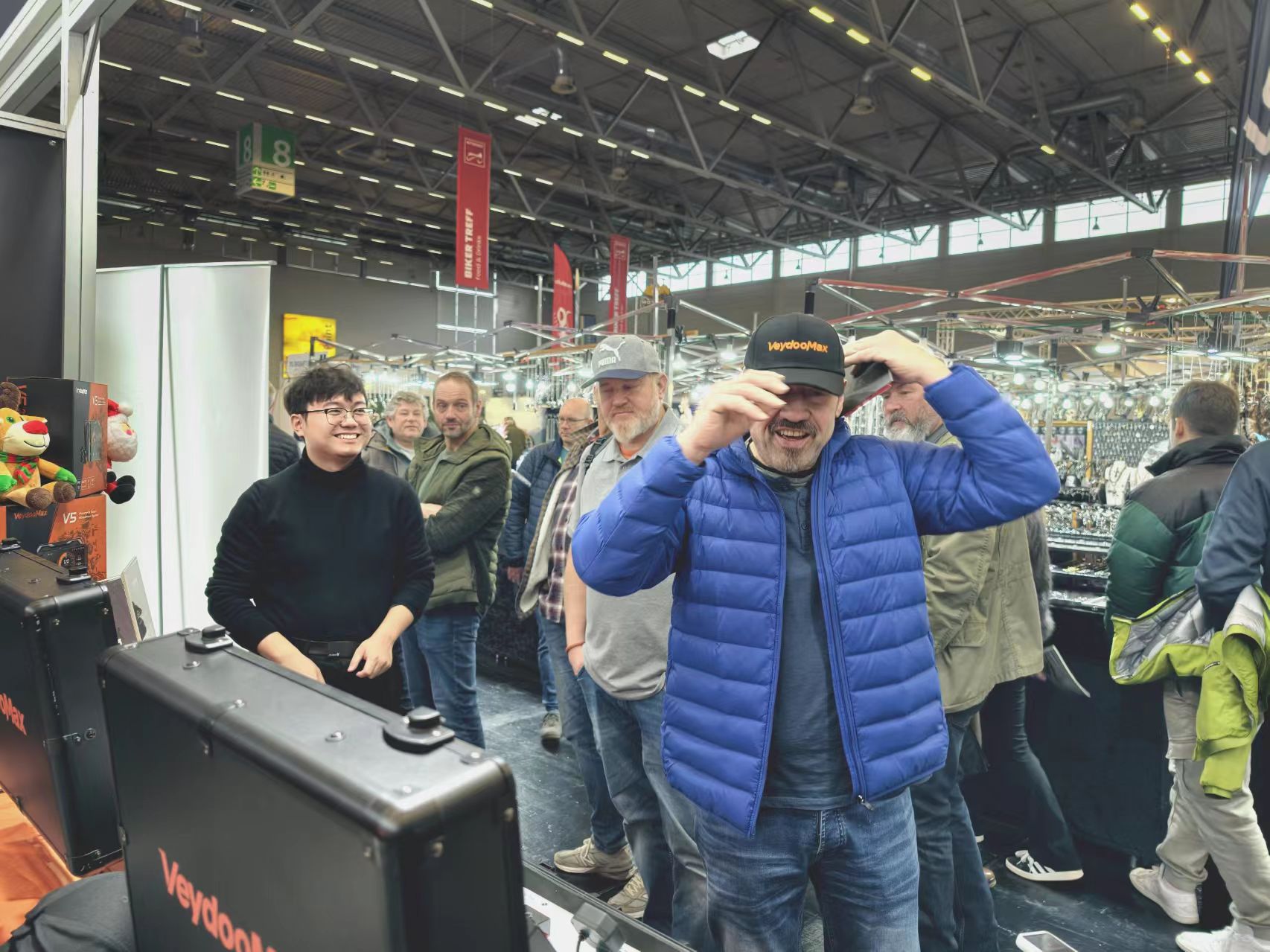
Core Insights - VeydooMax showcased its V5 AI Smart Console System at INTERMOT 2025, attracting significant interest from both visitors and potential collaborators like Yamaha and Honda [2][3][11] Exhibition Achievements - The VeydooMax booth was a focal point at INTERMOT, drawing over 1,000 attendees and resulting in more than 50 pre-orders and letters of intent for cooperation, indicating strong market potential [3][4] Product Features - The V5 system integrates AI-powered Advanced Driver Assistance Systems (ADAS) with features like Blind Spot Detection and Forward Collision Warning, enhancing rider safety [7] - The system is designed for durability with a 1000-nit display for visibility in sunlight and an IP67 rating for protection against water and dust [8] - It offers smart connectivity through wireless Apple CarPlay and Android Auto, allowing seamless integration for navigation and communication [9] Industry Recognition - VeydooMax's innovations received acclaim from experts as a breakthrough in motorcycle safety technology, with media coverage from leading publications like Motorrad and Bike Magazine [10] Future Outlook - The Head of Overseas Business at VeydooMax expressed optimism about the exhibition's outcomes, highlighting the interest from major motorcycle manufacturers and the company's commitment to strategic partnerships to advance industry standards [11]
中国的产能过剩困境-China‘s overcapacity troubles
2025-12-08 15:36
Summary of Key Points from the Conference Call Industry Overview - **Industry Focus**: The conference call primarily discusses the implications of China's anti-involution policy on various sectors, particularly those facing overcapacity such as cement, steel, chemicals, alumina, lithium-ion batteries, new energy vehicles, and solar cells [3][34]. - **Economic Context**: The anti-involution policy aims to address issues of overcapacity, price wars, and margin erosion in China, pushing local producers to seek alternative overseas markets due to high inventories and price declines [1][9]. Core Insights and Arguments - **Overcapacity Issues**: Significant overcapacity is noted in sectors like cement, steel, chemicals, and aluminium, with specific vulnerabilities identified in fertilisers, household appliances, and integrated circuits [3][34]. - **Export Dynamics**: The movement of goods from China is expected to accelerate, with exports expanding to more sectors by 2026 as domestic demand remains sluggish [2][10]. - **Five-Year Plans**: The analysis of China's Five-Year Plans reveals a strategic focus on manufacturing and industrial production capacity, which has contributed to global oversupply and aggressive price undercutting in various sectors [15][16]. - **Export Performance**: Emerging sectors such as new energy vehicles and solar cells are experiencing significant export growth, with NEVs seeing a 688% increase in exports, while solar cells have surged by 170% [20][62]. Sector-Specific Observations - **Cement**: Exports increased by 105% due to producers seeking overseas markets amid declining domestic demand. However, enforcement of capacity controls may not fully alleviate oversupply pressures [63]. - **Fertilisers and Chemicals**: Fertiliser exports have declined sharply, particularly urea, due to government policies prioritising domestic supply. The value of exports surged due to global supply constraints [64][65]. - **Steel**: Steel exports rose by 75%, indicating a significant drop in domestic consumption. The shift towards higher-value products is noted, but overcapacity remains a risk [67][68]. - **Household Appliances**: Exports grew by 26%, driven by advancements in smart technology. Companies like Midea and Xiaomi are expanding overseas to mitigate domestic challenges [58][59]. - **Lithium-Ion Batteries**: Exports increased by 26%, with CATL positioned to benefit from rising demand, although competition is intensifying [42][45]. Additional Important Insights - **Price Trends**: Broad-based declines in the Producer Price Index (PPI) across upstream industries signal oversupply and weak demand, particularly in coal, petroleum, and steel [28][29]. - **Global Competition**: The rapid expansion of Chinese companies in international markets may lead to increased pricing competition and contribute to oversupply pressures globally [59]. - **Policy Implications**: The anti-involution campaign is expected to reshape competitive dynamics, encouraging firms to focus on innovation and brand strength rather than price wars [54]. This summary encapsulates the critical insights and data points discussed in the conference call, highlighting the challenges and opportunities within the Chinese industrial landscape.